...

What to Expect in a 200-Hour Yoga Teacher Training Program

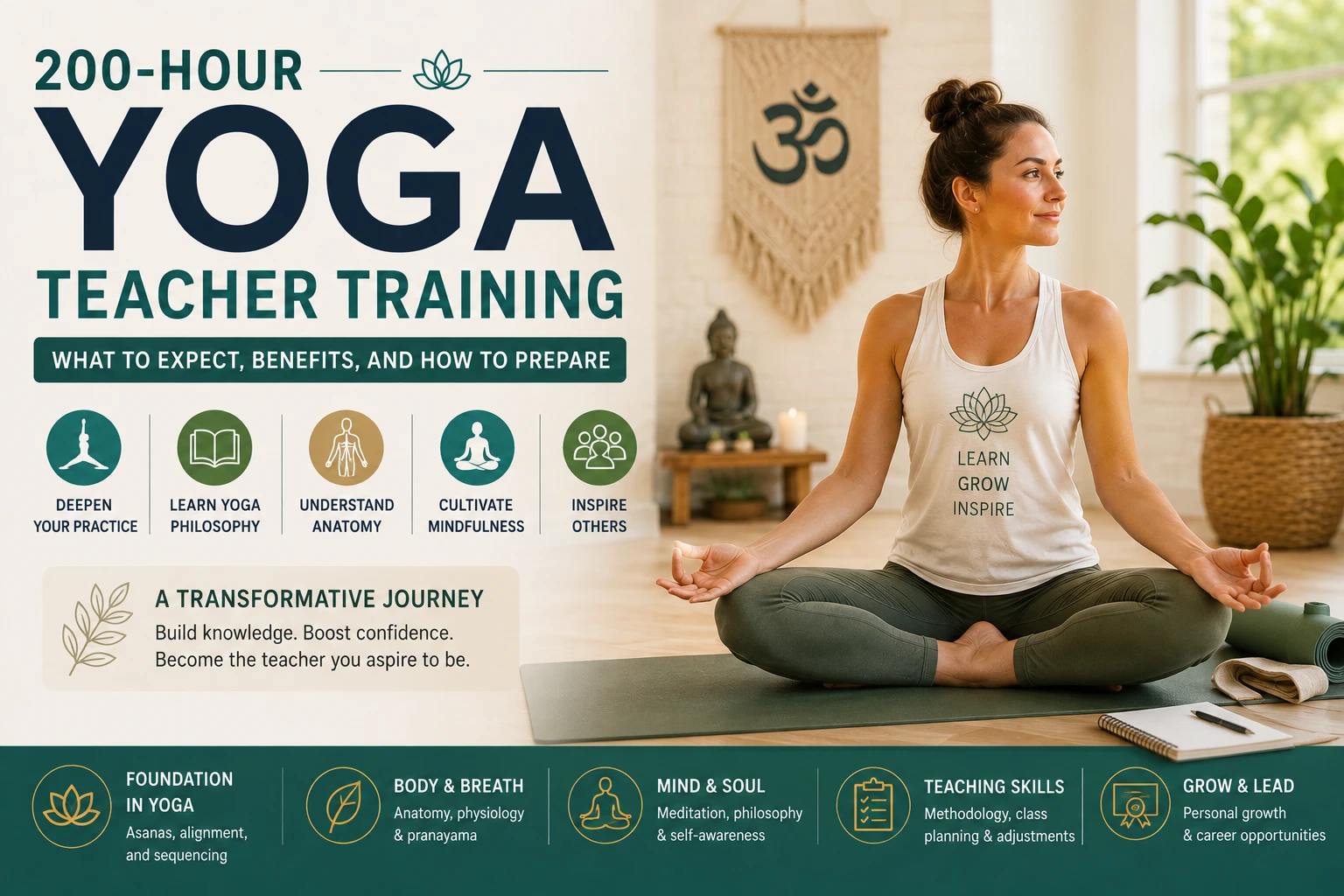
Opting for a 200-hour Yoga Teacher Training (YTT) program is a crucial step if you aspire to become a yoga instructor. Whether you aim to teach yoga professionally or enhance your practice, this program helps you develop your knowledge, confidence, and skills.

Best part? A 200-hour YTT is the stepping stone towards becoming a certified yoga teacher. Let’s walk through this blog to learn about a 200-horsepower hour YTT as well as what to expect from it.  

Why Choose a 200-Hour Yoga Teacher Training?

A 200-hour YTT is not your average certification course—it’s a life-changing opportunity to dive deeper into yoga’s rich traditions and practices. This program caters to both beginners and experienced practitioners. It comes with a structured curriculum that involves both practical skills and philosophical insights.

In this program, you learn how to teach yoga safely and effectively. Above all, you will understand deeper dimensions beyond the physical poses.

Understanding the Core Components of a 200-Hour YTT Program

A 200-hour YTT covers a wide range of topics to ensure you’re well-rounded in both practice and teaching. Below are the key areas you’ll explore during the program.

Mastering Asana (Yoga Poses)

Asana, or the physical practice of yoga poses, forms the backbone of most YTT programs. You’ll spend significant time learning and refining poses to ensure you can practice and teach them safely.

  • Proper Alignment Techniques: You’ll study how to perform poses correctly to maximize their benefits and prevent injuries. This includes understanding alignment principles for various yoga styles like Hatha, Vinyasa, Ashtanga, Yin, or Restorative.
  • Modifications and Variations: Not everybody is the same. You’ll learn how to adapt poses for different skill levels, body types, or conditions such as injuries, pregnancy, or chronic pain.
  • Physical and Energetic Effects: Each pose has specific benefits, such as improving flexibility, strength, or energy flow. You’ll also learn precautions to take, like avoiding certain poses for specific health conditions.
  • Sanskrit and English Terminology: You’ll become familiar with the traditional Sanskrit names of poses (e.g., Tadasana for Mountain Pose) as well as their English equivalents.
  • Using Props: Tools like blocks, straps, and bolsters can make poses more accessible. You’ll learn how to incorporate these props effectively in your practice and teaching.

By the end of the training, you’ll feel confident performing and guiding others through a wide variety of poses.

Exploring Pranayama (Breathwork)

Breath is a cornerstone of yoga, and pranayama, or breath control, is a vital part of the YTT curriculum. You’ll dive into how breath impacts the body and mind, learning techniques to enhance your practice and teaching.

  • Breath Mechanics: Understand how breathing affects your nervous system, energy levels, and mental clarity.
  • Techniques: Practice methods like Ujjayi (victorious breath), Nadi Shodhana (alternate nostril breathing), Kapalbhati (skull-shining breath), and Bhastrika (bellows breath).
  • Teaching Breathwork: Develop clear, concise cues to guide students through pranayama practices safely and effectively.

Pranayama helps cultivate mindfulness and calm, both for you and your future students.

Cultivating Meditation Practices

Meditation is a powerful tool for building mental clarity and emotional balance. In a 200-hour YTT, you’ll explore various meditation techniques and learn how to lead others in these practices.

  • Diverse Approaches: Experiment with guided meditation, breath-focused meditation, mantra-based practices, and mindfulness techniques.
  • Benefits of Meditation: Understand how meditation supports mental health, reduces stress, and fosters emotional resilience.
  • Leading Meditations: Gain skills to create and guide meditation sessions that are accessible and meaningful for students.

By practicing meditation regularly, you’ll deepen your mindfulness and learn how to share its benefits with others.

Understanding Yoga Philosophy and History

Yoga is more than just physical exercise—it’s a way of life rooted in ancient traditions. A 200-hour YTT introduces you to yoga’s philosophical and historical foundations.

  • Core Texts: Study foundational texts like the Yoga Sutras of Patanjali, which outline the eight limbs of yoga (including ethical guidelines like Yamas and Niyamas), and the Bhagavad Gita, which explores spiritual wisdom.
  • Historical Context: Learn about yoga’s evolution from ancient India to its modern global practice.
  • Yogic Ethics: Apply principles like non-violence (Ahimsa) and truthfulness (Satya) to your life and teaching.
  • Subtle Anatomy: Explore concepts like chakras (energy centers), nadis (energy channels), prana (life force), koshas (layers of being), and gunas (qualities of nature).

These teachings provide a deeper understanding of yoga’s purpose and how it can transform lives.

Learning Anatomy and Physiology

To teach yoga safely, you need to understand how the body works. A 200-hour YTT includes a practical study of anatomy and physiology tailored to yoga practice.

  • Body Systems: Learn about bones, muscles, joints, and their roles in movement and stability during yoga.
  • Breath and Nervous System: Explore how breath influences the nervous system and supports relaxation or energy.
  • Biomechanics: Understand movement principles to protect joints and muscles during practice.
  • Injury Prevention: Discover how to modify poses to accommodate physical limitations and prevent injuries.

This knowledge ensures you can guide students with confidence and care.

Developing Teaching Skills

A significant part of the YTT focuses on equipping you with the tools to become an effective yoga teacher. You’ll learn how to create engaging classes and communicate clearly with students.

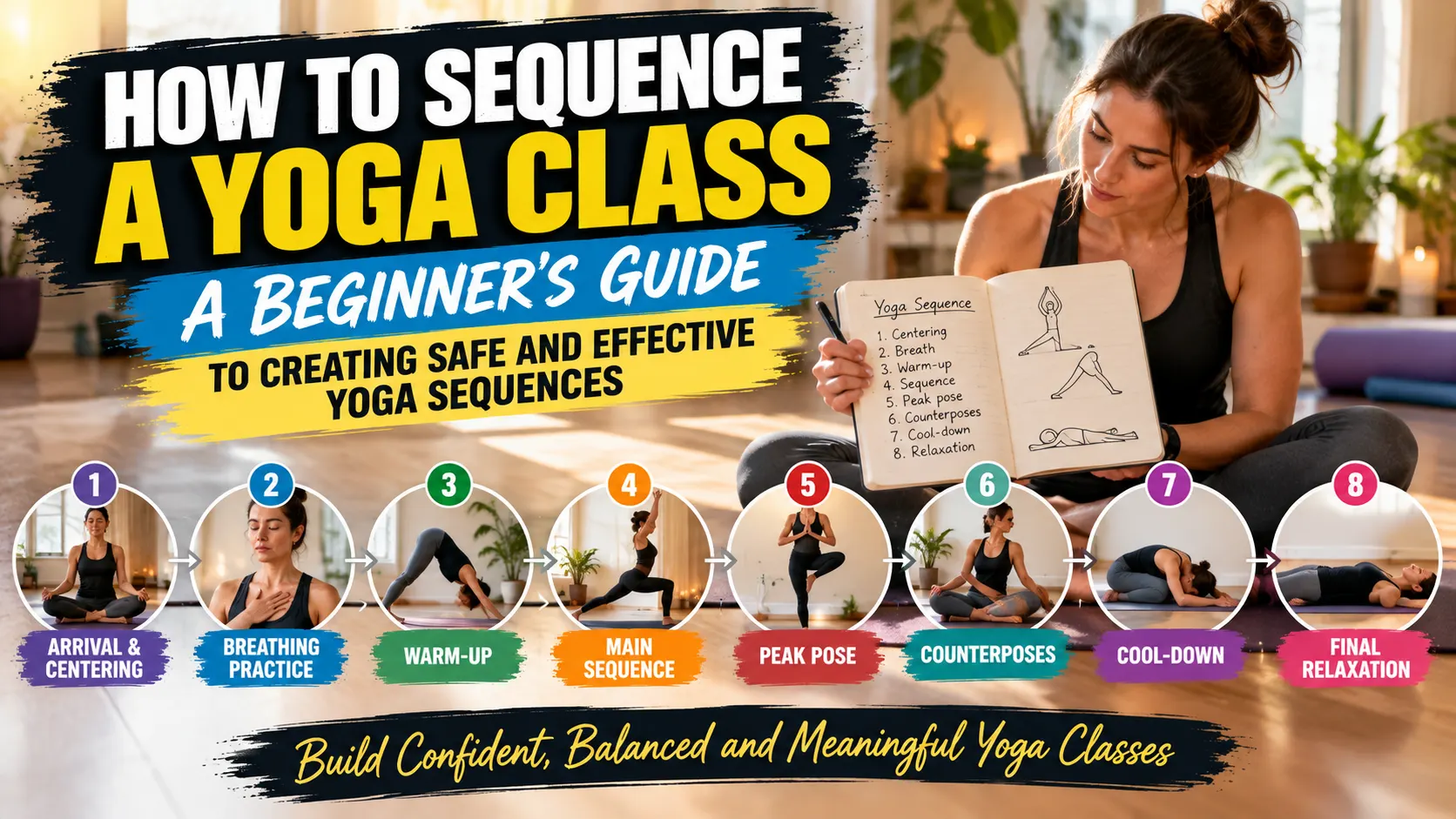
  • Class Design: Craft balanced sequences that cater to different levels and themes, such as strength, flexibility, or relaxation.
  • Clear Communication: Practice using concise, easy-to-follow verbal cues to guide students through poses and breathwork.
  • Observation and Demonstration: Learn to demonstrate poses accurately and observe students’ alignment to offer helpful feedback.
  • Hands-On Adjustments: In in-person programs, practice safe and ethical physical adjustments. In online programs, focus on verbal cues instead.
  • Teacher Presence: Cultivate qualities like empathy, confidence, and authenticity to connect with students.
  • Inclusivity: Create welcoming, accessible class environments for people of all backgrounds and abilities.
  • Public Speaking: Build confidence in speaking clearly and engagingly to groups.

These skills help you lead classes that are both inspiring and safe.

Gaining Hands-On Teaching Experience

One of the most exciting parts of a 200-hour YTT is the opportunity to practice teaching. You’ll get hands-on experience by:

  • Leading class segments for your peers and instructors.
  • Receiving constructive feedback to refine your teaching style.
  • Building confidence to guide a full yoga class by the end of the program.

This practical component helps you transition from student to teacher with ease.

Understanding the Business and Ethics of Yoga

Some programs include modules on the professional side of teaching yoga, helping you navigate the industry with confidence.

  • Finding Opportunities: Learn strategies for securing teaching gigs at studios, gyms, or online platforms.
  • Marketing Yourself: Explore ways to promote your classes, such as social media or building a personal brand.
  • Professional Ethics: Understand the importance of maintaining integrity, respecting student boundaries, and upholding yogic principles.

These lessons prepare you to launch your teaching career with professionalism.

What to Expect During the Program

A 200-hour YTT is an intensive and rewarding experience that requires dedication and focus. Here’s what you can expect:

Intensive Learning

Whether you choose an in-person or online program, expect a packed schedule of lectures, discussions, physical practice, and self-study. The curriculum is designed to cover a lot of ground in a short time, so be prepared to immerse yourself fully.

Personal Growth

The training isn’t just about learning to teach—it’s a journey of self-discovery. You’ll deepen your yoga practice, confront personal challenges, and grow in confidence and self-awareness.

Community Connection

One of the highlights of a YTT is the sense of community. You’ll bond with fellow trainees, forming a supportive network that often lasts beyond the program.

Physical and Mental Demands

Expect regular physical practice, which can be demanding, especially if you’re new to consistent yoga. You’ll also engage intellectually with new concepts like philosophy and anatomy, which may challenge your focus and stamina.

Assignments and Assessments

Many programs include assignments like reading, journaling, or creating class sequences. You may also need to deliver presentations or teach sample classes as part of your assessment.

Varied Learning Formats

The program will blend different teaching methods, including interactive discussions, hands-on practice, group activities, and independent study. This variety keeps the experience engaging and dynamic.

Choosing the Right 200-Hour YTT Program

With so many YTT programs available, finding the right one is key to a fulfilling experience. Here are some factors to consider:

  • Accreditation: Look for programs registered with Yoga Alliance, as this adds credibility to your certification, though it’s not mandatory to teach.
  • Yoga Style and Focus: Choose a program that aligns with your preferred style, such as Hatha, Vinyasa, or Yin, and matches your goals (e.g., teaching or personal growth).
  • Instructors: Research the trainers’ experience, teaching philosophy, and reputation to ensure they resonate with you.
  • Format: Decide between an intensive in-person program (often 3–4 weeks), a part-time in-person course spread over months, or an online program for flexibility.
  • Reviews: Read feedback from past participants to gauge the program’s quality and suitability.

Final Thoughts

A 200-hour Yoga Teacher Training program is a transformative journey that prepares you to share the gift of yoga with others while deepening your practice. From mastering poses and breathwork to exploring yoga’s philosophy and teaching skills, the program offers a well-rounded foundation for personal and professional growth.

While it demands time, effort, and dedication, the rewards—self-discovery, community, and the ability to inspire others—are well worth it. Whether you choose to teach or simply want to enrich your yoga practice, a 200-hour YTT is a meaningful step toward embracing yoga’s transformative power.

Yoga can never cause Over-training

We brought you the t-shirt workout to help you carve the perfect torso. Now, we’re going one step further by bringing you the sleeveless t-shirt workout. This routine was designed to target the key muscles of your upper body that must look good if you’re going to dare go sleeveless: your biceps, delts, shoulders, and upper back. “Inverting the body with the Handstand Pushup, then having the arms go to pre-exhaustion fills the arms with blood, priming them for a great pump with the barbell curls,” says Corey Burnham, who programmed this routine. “Anybody can make a bicep look impressive when they curl their arm, but to have impressive arms even when they are straight by your side means that you have been doing the right, full body exercises,” says Burnhamwho notes that the Barbell Curl is one of the best moves for accomplishing this goal. “Go as heavy as possible on these, but keep very good form,” he notes.

What’s more: You’ll also hit your abs: “Having super buff arms without core engagement leads to poor athleticism and is not a good look for the summer,” says Burnham who added in Handstand Pushups and Pledge Planks to help activate your core in a way that forces them to dynamically stabilize the entire body.

“Fitness is not about being better than someone else… IT IS ABOUT BEING BETTER THAN YOU USED TO BE.”— Gordon Slanquit, Personal Trainer Association

When you’re finished with your workout, hang from a pull-up bar and simply relax. Then, walk on the treadmill or outside for about 15 minutes to improve circulation and ensure that your arms recover adequately.

Do this routine two to three days a week, but vary the volume of sets based on feel.

But, don’t stop after the workout ends. Use your arms throughout the day: make a fist, lift objects, glove up and hit a bag, carry your office bag with your grip, not your shoulder.

  • Here’s how it works
  • Perform the first three moves one after another (Handstand Pushup Hold, Pledge Plank, Barbell Curl). Rest 45-60 seconds between exercises. That’s one set. Do up to 5-8 sets of these. Then, move on to the final two moves. Complete as many sets as possible with 30 seconds rest maximum. “You go until your form breaks, meaning you have nothing left”

Sign up for email updates

Enjoy many exclusive benefits. Be the first to learn about all our upcoming programs.

8 Tips for Teaching Yoga

As a yoga teacher, it’s important to guide your students in a way that allows them to get the most out of their yoga practice in a safe and effective way.

No matter what style of yoga you teach, you can follow certain guidelines to create an effective and inspiring class for you and your students. By incorporating some of the following teaching strategies, you will improve the overall experience for your students and yourself.

Group yoga class practicing Tree Pose outdoors | Yoga Education Institute
    • Develop your own personal practice:

Only through your own personal practice can you find your unique voice as a teacher and gain a better understanding of how specific experiences will affect your students. Set aside time to maintain your own personal practice, along with attending classes from other instructors.

    • Focus on your students and be with them:

By focusing on your students and their needs, rather than on how you are doing as a teacher, makes you less self-conscience and more confident and helpful. Walk the room, rather than staying in the front of the class. Be with your students so you can be more aware of what they need. Notice when someone needs help and offer an appropriate adjustment.

    • Know your material:

The only way to truly feel confident teaching yoga is to know your material. This means understanding the effects of the yoga poses and breathing exercises you teach and understanding how they can benefit your students, as well as understanding the philosophy and history behind yoga.

    • Be in the moment:

When you’re teaching or during your own personal practice, it is important to give your full attention to what you are doing. In your own practice, focus on each movement and on your breath. In your teaching, focus on the words you are saying as you say them and focus on the movements of each students and how you may be of help.

    • Help students develop their inner awareness:

Remind students to focus on the feel of a movement, rather than how it looks or how they compare to other students. Encourage students to focus inward on the feeling of a pose and on their breath. This helps students stay present in the moment and connect movement and breath. Reinforce the idea that the goal of yoga is not to get into certain positions, it’s to become more aware of the present moment and more comfortable with our bodies and our movements, as well as to keep our bodies and minds healthy through movement and focus. We all have different anatomy. What’s hard for me may be easy for someone else, that doesn’t make them a better yogi. Being a great yogi means understanding and accepting your mind and body, and taking time to care for both properly.

    • Help students become their own teachers:

Each student has two teachers: the outside teacher who guides them and their own inner guidance. Help your students develop their inner guidance, by helping them learn to connect with their bodies and make decisions about what works best for themselves. This way they can develop their own personal practice, and they can become more confident in their practice.

    • Take it step by step:

Talk students through a pose step by step, emphasizing that they can stop at any step along the way. Encourage students to only go to their edge – challenging themselves, but not overdoing it. Encourage students to go to their “edge” that point where they feel challenged, yet their breath can remain smooth and steady.

    • Connect breath and movement:

Breath plays an important role in yoga by keeping the mind focused on the body and by making movements more efficient by connecting breath with movement. Explain to students when to inhale and exhale. In yoga, it is usually best to inhale in expansion types of movements (i.e. bringing arms back or overhead, back bends, etc) and exhale in “closing” types of movements (i.e. folding forward, rounding the back) Encourage students to breathe in through their nose, if possible. This helps keep their bodies warm, helps filter the air they inhale, and helps keep breathing more smooth and the breath rate slower. Often when students try a new pose, they tend to hold their breath, so remind students to breathe throughout the practice.

    • Use positive reinforcement:

When you see someone doing something correctly, mention it to them and let them know you’ve noticed their progress.

  • Donec porta ultricies urna, faucibus magna dapibus.
  • Etiam varius tortor ut ligula facilisis varius in a leo
  • Folutpat tempor tur duis mattis dapibus, felis amet.


Sign up for email updates

Enjoy many exclusive benefits. Be the first to learn about all our upcoming programs.

Conquering anxieties about becoming a yoga teacher

Anxieties about becoming a yoga teacher?

Get over it with these easy steps!

It is pretty normal when you are on the verge of something new to feel anxious and juggle questions in your mind. Contemplating yoga teacher training is a big step and there might be a few of the following anxieties lurking on the back of your head.

  • Am I ready to spend the money?
  • How am I going to devote the time?
  • Ready enough to take on the challenge?
  • Will I resonate with my teacher?
  • What about after the training? How can I have a successful yoga career or business?
Let’s look at each question:
  • Am I ready to spend the money?
  • Yoga teacher training requires a financial commitment. It’s important that you find a training that respects the financial investment you are making and that will do their best to honor that and to make sure you have a worthwhile investment. If your goal is to have a part-time or full time career that is related to yoga, then look for trainings that not only train you to be an incredible teacher, but also work with you on business planning and career strategies for new yoga teachers.

  • How am I going to devote the time?
  • Yoga teacher training requires a commitment of time. It can be helpful to find trainings that have smaller groups, or that integrate some online studies, in order to make your training more efficient and with a focus on getting you to the end. When teacher trainings get too big, individual students can sometimes fall through the cracks and finishing their requirements drags on. Find a training that is organized, smaller, and may incorporate the use of technology to ensure that you complete your training in a timely manner.

  • Am I ready enough to take on the challenge?
  • Some students worry that they need to have a perfect looking yoga practice before they can join teacher training. This is far from the truth. As a teacher, it is most important that you are able to communicate effectively with students, and that you understand how to provide a safe and effective yoga practice for all different types of bodies. Whether you can “do” a specific yoga posture or not is irrelevant. It’s most important that you learn how to explain step by step to your students the techniques for practicing postures in ways that are both safe and challenging, while creating an environment that provides a positive experience for everyone.

  • Will I resonate with my teacher?
  • Take some time to get to know your trainer’s style and personality. You can do this by attending their class, or by talking to them on the phone. Get to know the actual person who will train you, rather than the image or name recognition. When you feel a connection with your trainer, it will be easier to communicate with them about your hopes for your training.

  • What about after the training?
  • Look for trainings that focus on both the best practices in yoga teaching, as well as best practices for a successful yoga business or career. Also, check that your trainer will still be available to answer questions after the training is over, and that you will have resources that you can keep and refer back to whenever necessary.

    In the end, being a yoga teacher or running a yoga business is a wonderful gift to the world and to yourself. Best wishes on your yoga journey!

    Yoga is not about being better than anyone else. It’s about becoming the best version of yourself.

Sign up for email updates

Enjoy many exclusive benefits. Be the first to learn about all our upcoming programs.

Seraphinite AcceleratorOptimized by Seraphinite Accelerator
Turns on site high speed to be attractive for people and search engines.