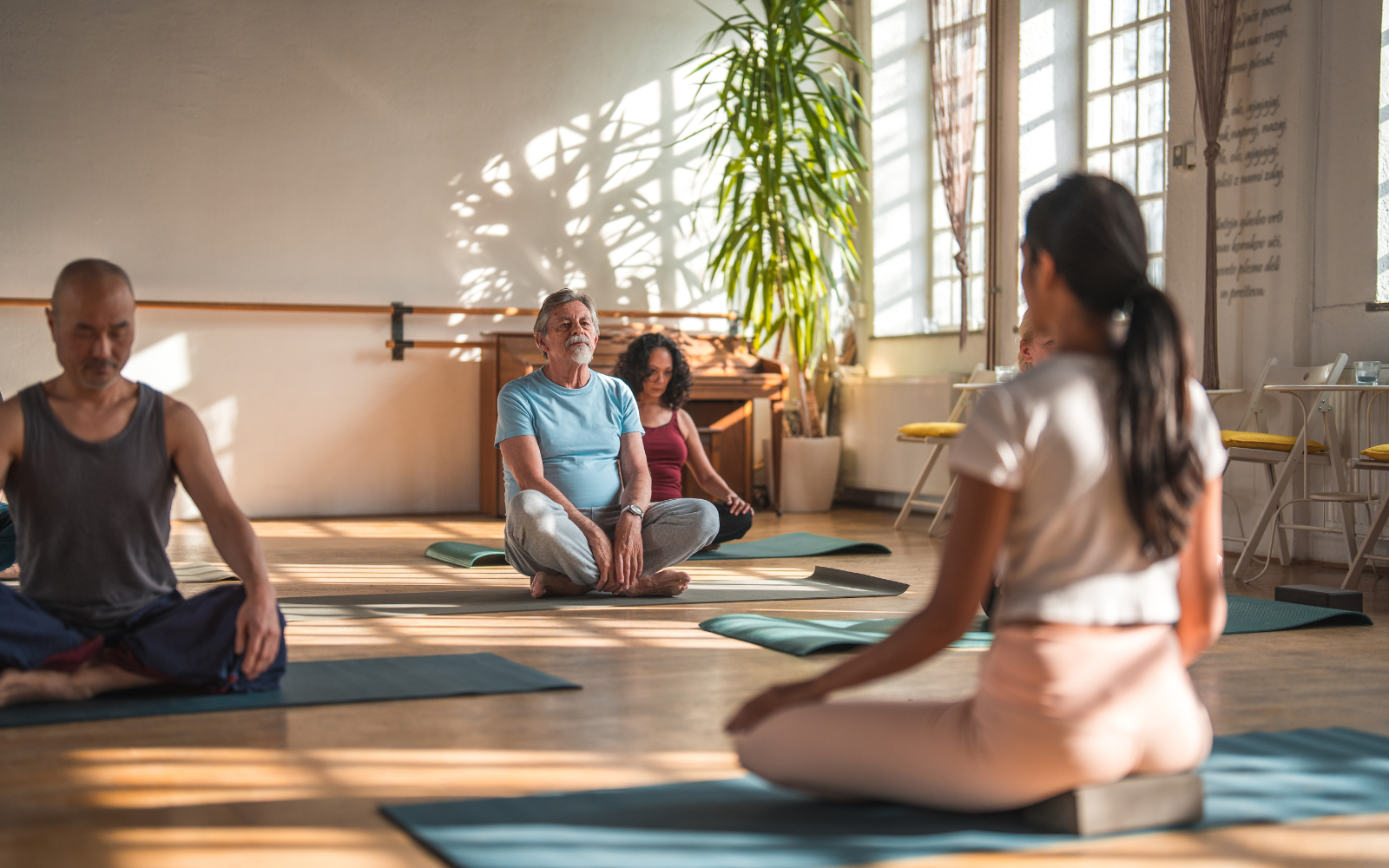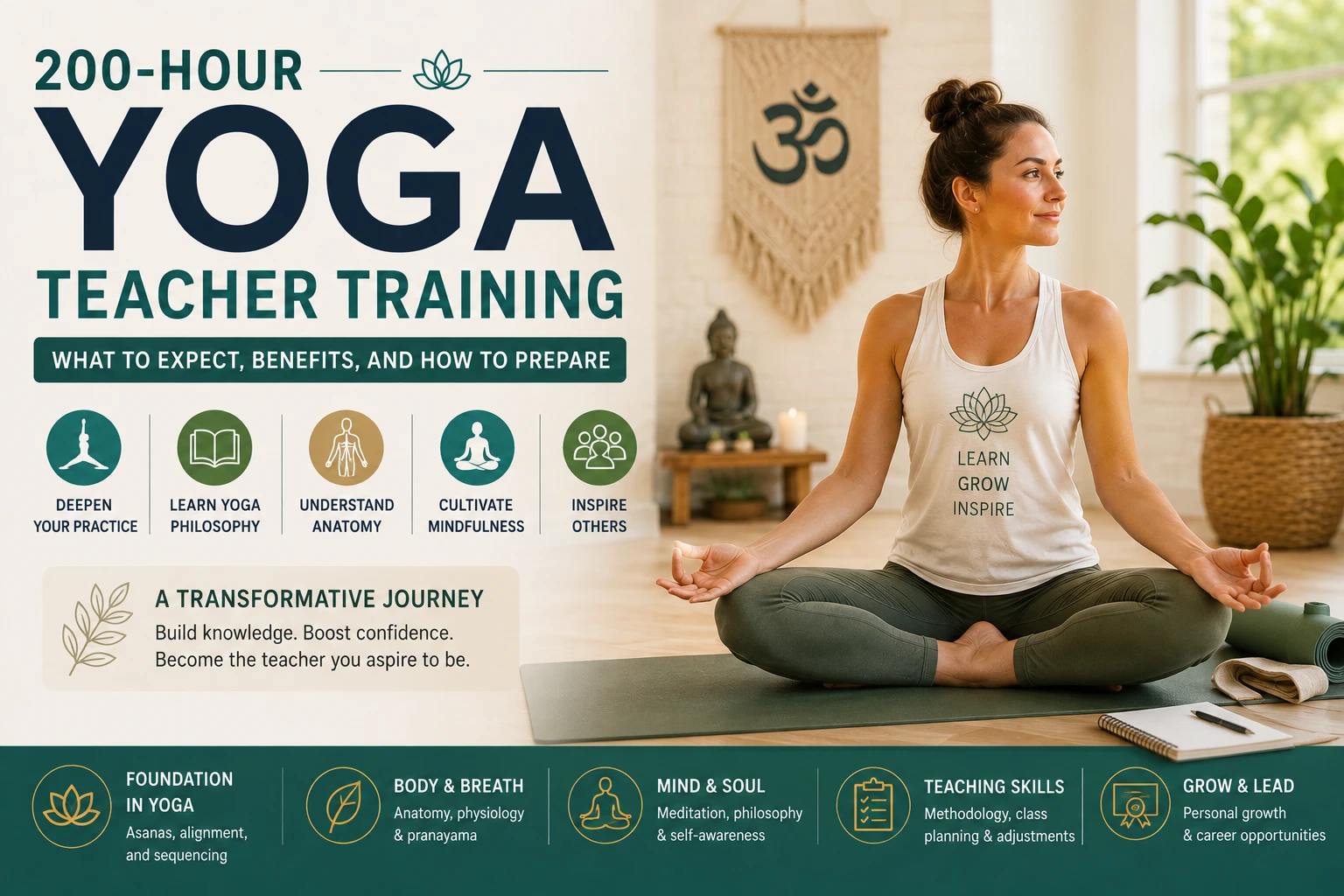
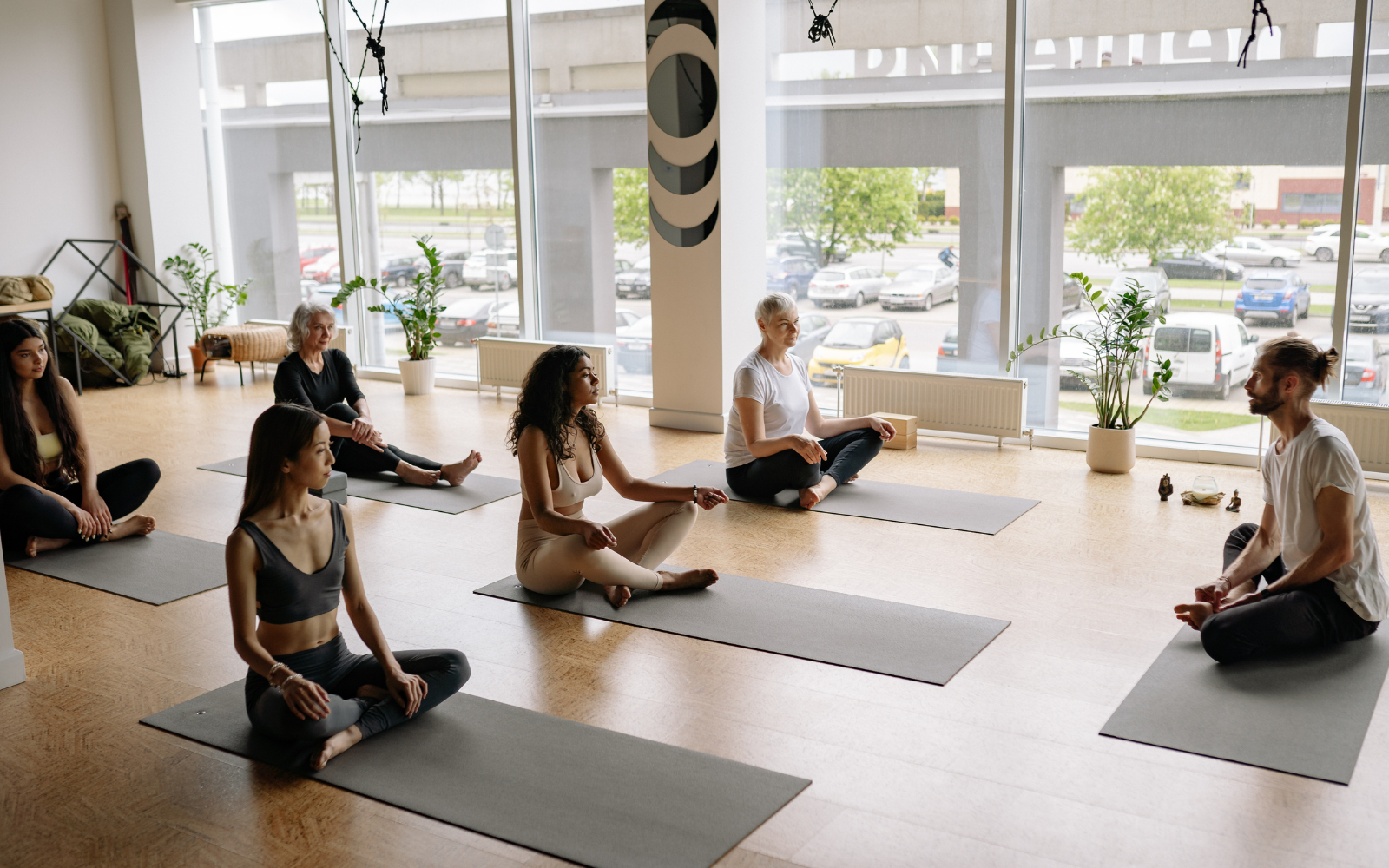
What Is the Difference Between Yin Yoga and Normal Yoga?

If you’re exploring different styles of yoga—especially in a mindful community like Woodland Hills, CA—you’ve likely come across two popular terms: Yin Yoga and “normal yoga,” more commonly known as Yang or traditional active yoga. Both styles are powerful, healing, and deeply transformative, but they work on your body and mind in very different ways.

Whether you’re a beginner, someone getting back into movement, or a long-time practitioner searching for deeper balance, understanding the difference between Yin Yoga and regular yoga can help you choose what your body truly needs.

Understanding Yin Yoga: Slow, Still, and Deep

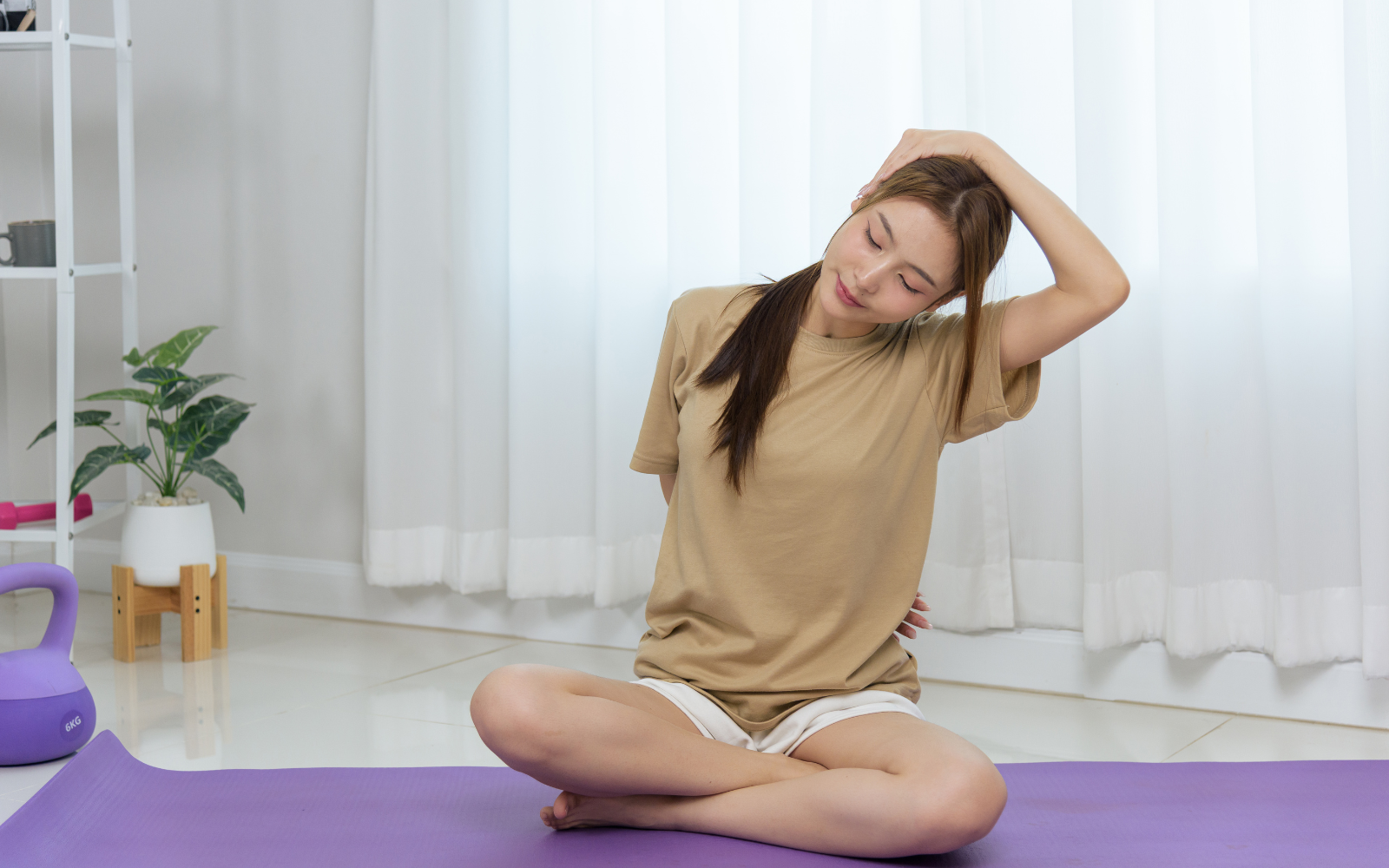
Yin Yoga is a gentle, meditative style that focuses on long-held, passive stretches. Instead of flowing through poses quickly, practitioners relax into each posture for 3 to 7 minutes, sometimes even longer. The goal is not to work the muscles but to target the deep connective tissues—the fascia, ligaments, and joints.

Key Features of Yin Yoga

  • Slow pace & long holds
  • Targets deeper tissues (fascia, joints, tendons)
  • Encourages surrender and stillness
  • Enhances flexibility and improves joint mobility
  • Low-impact and accessible for all ages
  • Calms the nervous system

Emotionally, Yin Yoga is incredibly soothing. It activates the parasympathetic nervous system, which helps reduce stress, anxiety, and tension. Many people describe it as a “moving meditation.”

What About “Normal” Yoga? (Yang or Active Yoga)

When people say “normal yoga,” they usually refer to more active, movement-based styles like Vinyasa, Hatha, Power Yoga, or Ashtanga. These traditional forms focus on strength, alignment, breath control, and fluid movement.

Key Features of Active (Yang) Yoga

  • Builds strength and stability
  • Improves endurance and muscular engagement
  • Uses dynamic postures and flowing sequences
  • Raises heart rate—great for fitness and energy
  • Enhances balance and functional movement
  • Strengthens the core and improves posture

Active yoga styles are perfect for anyone who enjoys a workout-like rhythm while still embracing mindfulness and breathwork.

Yin Yoga vs. Normal Yoga: The Core Differences

Here is a simple and clear breakdown of how the two styles differ:

1. Purpose of the Practice

  • Yin Yoga: Deep relaxation, flexibility, joint health
  • Normal Yoga: Strength, mobility, energy, and alignment

2. Physical Focus—Tissues Worked

  • Yin: Connective tissues and fascia
  • Yang: Muscles

3. Energy Flow

  • Yin: Quiet, cooling, grounding
  • Yang: Active, warming, energizing

4. Speed of Practice

  • Yin: Slow, still, meditative
  • Yang: Dynamic, flowing, continuous movement

5. Time Spent in Each Pose

  • Yin: 3–7 minutes
  • Yang: 15–60 seconds

6. Breathwork

  • Yin: Slow, deep, gentle, calming
  • Yang: Rhythmic, energizing, coordinated with movement

Which One Is Better for You?

Both practices complement each other beautifully, especially for people in Woodland Hills who juggle busy schedules and want balance in their wellness routine.

Choose Yin Yoga if you want:

  • Stress relief and emotional grounding
  • Increased flexibility
  • Improved joint mobility
  • A slower, meditative experience
  • Support for injuries or chronic tension

It’s especially wonderful for seniors, beginners, and people with stiff muscles or a sedentary lifestyle.

Choose Normal (Yang) Yoga if you want:

  • Stronger muscles
  • More energy and stamina
  • A workout-style practice
  • Better posture and balance
  • A dynamic, heart-pumping flow

This style is ideal for improving strength, core stability, and overall fitness.

Why Both Are Important

Think of Yin and Yang Yoga as two halves of a complete wellness system. Yin offers softness, introspection, and depth. Yang offers movement, energy, and strength.

You can practice both throughout the week depending on your mood and physical needs. Many advanced practitioners combine them to create the perfect balance.

Benefits of Practicing Both Yin and Normal Yoga in Woodland Hills, CA

The health-conscious community in Woodland Hills values mobility, longevity, and holistic wellness—making both styles incredibly beneficial:

  • Reduces chronic pain and stiffness
  • Supports healthy aging and joint health
  • Boosts mood and mental clarity
  • Enhances sleep quality
  • Strengthens muscles while improving flexibility
  • Supports emotional well-being

Practicing both gives you a complete mind-body experience—gentle yet powerful, calm yet energizing.

Conclusion

Understanding the difference between Yin Yoga and normal yoga helps you make more intentional choices in your wellness journey. Yin Yoga focuses on deep, passive stretches and relaxation, while traditional active yoga builds strength, stamina, and mobility. Both have unique benefits and together create a balanced, holistic practice for anyone looking to improve their physical and mental health.

To deepen your practice or explore structured training programs, the Yoga Education Institute offers meaningful guidance to help you grow in the right direction.

Yoga Tips for Beginners to Practice in California’s Climate

California boasts diverse climates—from the hot, dry valleys to the cool, foggy coastlines. It gives you vivacious backdrops for your yoga practice.

If you are starting out on the mat for the very first time, knowing how to combine your yoga poses with the specifics of the Californian environment ensures comfortable, safe, and truly blissful practice.

Let’s walk through essential tips for beginners looking to achieve their flow in California’s glorious, yet varied, climate.  

Master the Art of Hydration

California is known for its hot climate, especially when it comes to Southern California and the Central Valley. You are likely to sweat, whether you are practicing outdoor or in an indoor studio. Top of that, dry air can make you dehydrated faster than you realize.

Therefore, drink at least 16-20 ounces of water in the 2 hours leading up to your class.

Always keeps a water bottle with you and take small, frequent sips, especially during breaks or between poses. Don’t wait until you feel thirsty!

Once you are done with your practice, take water with a pinch of sea salt, coconut water, or a natural electrolyte drink to speed up your recovery. Otherwise, dehydration can make you prone to muscle cramps and fatigue, which is the last thing you want.

Time Your Practice with the Sun

Outdoor yoga is a wonderful experience in California, but timing is key. Avoid scorching midday sun (10 A.M to 4 P.M) especially in summer.

During summers, it is best to schedule your practice for sunrise or sunset.

In coastal areas, be mindful of the “May Gray” and “June Gloom”—the cooler, cloudier mornings are ideal for a mid-morning flow when inland regions are already heating up.

Many California studios offer “Hot Yoga” or “Warm Flow” (often heated to 78 ∘ F to 105 ∘ F). Therefore, you as a beginner should start with unheated classes first to ease your body into the intensity.

Dress in Layers (The Coastal & Mountain Rule)

In California, temperature can fluctuate rapidly, especially near the coast or in the mountains. A 70 ∘ F afternoon can drop to 55 ∘ F as soon as a cool, moist air forms over the Pacific Ocean.

That’s why it is important to wear layers. Start with light, breathable, moisture-wicking fabrics. Always bring cover-ups that can be a lightweight long-sleeve top, a hoodie, or a blanket.

Don’t Skimp on Your Gear

Make sure to be equipped with a high quality mat and a mat towel.

In case you are going to practice outside, a thicker mat or the one made up of tough natural rubber will be more comfortable. Moreover, it ensures a better grip on the uneven or hard surfaces.

You are likely to sweat even in a cool studio. It is necessary to have a non-slip yoga towel, like one made from microfiber. Lay it over your mat to absorb the sweat and maintain your grip, particularly in positions such as Downward-Facing Dog. Slippery hands or feet are a recipe for instability!

Listen to Your Body in Dry Conditions

As California is also characterized by its humidity, dry air can lead to muscle stiffness and tightening of your joints. If you live in regions like Riverside, Sacramento, or the High Desert areas, your body are likely to take more time to warm up.

Start with a gentle stretching and slow breathing to loosen your muscles. Let your body gradually adjust rather than rushing into deeper poses. If you experience dry throat or sinuses, use a humidifier at home. Or you can sip on a cup of warm herbal tea before the practice.

Embrace the Natural Elements (But Prepare for Them)

It is a wonderful experience to practice yoga in the open air, whether it is a grassy park in San Francisco or the sand in San Diego. However, it requires some simple preparations.

Firstly, apply sunscreen and sunglasses to battle UV rays that are strong even during a cloudy day. Use a waterproof, broad-spectrum sunscreen 30 minutes before your outdoor practice. You can wear sunglasses while doing Savasana, though they can be tricky for active poses.

When practice near the water or grass during the early morning/evening, a natural insect repellent can prevent bugs from interrupting your practice.

Fuel Wisely and Lightly

The food you take before doing yoga affects your comfort and energy, particularly during the heat.

It is always better to practice with an empty stomach. A heavy meal 2-3 hours prior to a flow class can cause discomfort, bloating or even nausea in twists or inversions. If you must eat, take a small, easy to digest snack an hour before the practice, such as half a banana or a small handful of almonds.

When the weather is hot, avoid excessively hot or heavy, oily foods before your practice, as these may raise the amount of heat in the inside of your body.

Pay attention to Your Breath (Pranayama)

Yoga is not merely stretching, it is the integration of breath and movement. It is your important tool to deal with the inside heat and remain calm down.

Ujjayi Breath (Ocean Breath): This is what your teacher is likely to teach you. It is a gentle noise that is produced by slightly constricting the back of your throat when you inhale and exhale via your nose. It helps to regulate the flow of your practice and is a simple form of meditation.

Cooling Breaths: If you feel too heat, a cooling breath like Sitali or Sitkari Pranayama (breathing in through a curled or parted tongue), which can bring down your core temperature and calm your nervous system. Ask your instructor to help you with this!

Over to You…

Considering the variety of climates that California has to offer, whether it is keeping yourself hydrated in the desert or putting on a few layers on the foggy coast, you make sure that your practice is safe, fun, and highly rewarding.

If you are not sure, your yoga teacher can guide you over dealing with California heat while practicing.

Namaste.

7 Places to Teach Yoga Other Than Studio or Gym

Not all yoga teachers can afford to own or rent a yoga studio. It is equally true that some of us may lack enough space at home to conduct yoga classes.

So, where to teach yoga amidst such challenges?

The good news is, you can explore a lot of unique options to conduct your yoga classes beyond traditional spaces. From the calmness of a local park or a serene beach to the rooftop with a city skyline, the places to teach yoga are endless. These unconventional spaces for yoga classes ensure a fresh, new energy for both you and your students.

In this blog, we will be walking through some interesting yet practical places to lead your yoga classes, helping you find the right spot to grow your business without breaking the bank. Let’s get started.

Neighborhood Park, Beach, or Backyard:

That’s a super feasible and convenient location for teaching yoga, especially if your region has warmer weather and shorter winters. See if there is a park or an outdoor space to hold a yoga workshop.

You are in luck if you live by a beach, as it makes a great yoga class. However, make sure to check if you need a permit to conduct your classes. If you find the permit process overwhelming or expensive, you can teach in your backyard, that of your family member, or a friend. You don’t need to have a spacious and fancy backyard. Just make sure that you have enough green space to lay out some mats.

The Rooftop:

Take your yoga teaching to the top of the city—literally.

We are talking about rooftop classes. It adds a modern and exciting twist to your classes with city views and a sense of being at the top.

Imagine doing yoga with your students at sunrise or sunset. Isn’t it an unforgettable experience?

Renting a space on the top of an apartment building, a hotel, or even a public garage is more affordable than a yoga studio. However, make sure to check for permits and safety regulations.

Art Galleries and Museums:

See if your local art galleries or museums allow you to run yoga classes at their premises. If so, it is also a surprising yet interesting space to teach yoga, and it is easy to see why. Firstly, art galleries and museums have open, quiet spaces. They have high ceilings and beautiful art on the walls. Practicing yoga surrounded by enchanting pieces of art can be a wonderful experience for you and your students.

Or you can go for historical buildings or old halls. These structures have a unique atmosphere with enchanting architecture and rich history. The grandness of an old library adds to your yoga experience, making your sessions with students feel special and stand out.

Public and Community Spaces:

Look for public or community spaces that are available for rent at a much lower rate than a dedicated yoga studio. Not only do they save you money, but they are also conveniently located to connect with the local community.

Community centers are highly preferred as they have multi-purpose rooms of various sizes. Also, these spaces can help build a larger student base as they have amenities like restrooms and parking.

Or you can inquire with schools and universities about using their gyms and halls during evening hours or weekends when they are not in use.

Restaurants, Cafes, and Breweries

Maybe you find this suggestion quite strange. But there are many cafes, restaurants, and even breweries that are open to hosting events during their off-peak hours. And why not, since this is also beneficial for them, as they can get potential new customers.

You must have heard about a popular trend called “Yoga and Brunch,” where you conduct a class in the morning before the business hours of the restaurant. Afterward, students are given a discounted brunch.  

Wellness Centers:

You can also find a space to teach yoga at wellness centers such as massage studios, mental health counselors, Ayurveda clinics, and therapy groups. These services can also include yoga sessions to improve the well-being and recovery of their clients.

By partnering with them, you can provide a valuable service supporting the overall health of their clients.

Specific Communities:

Many people need yoga for their overall wellness, but they cannot access it as they are not able to travel or attend classes. Such a population can be found at an elderly-care facility, hospital, or correctional facility. 

By bringing yoga directly to them, you can help make a big difference. Not only does this outreach make yoga accessible, but it also helps build trust and create a supportive environment for those who may require it most.

Dealing with the Usual Challenges of Teaching Yoga at These Places

It is also important to talk about the challenges of each place listed here. For example, in public spaces like parks, you have to deal with weather, uneven surfaces, and onlookers. Or some places have a lengthy approval process to allow you to run your yoga classes.

Many of the locations may have more noise and distractions. By expecting these challenges and preparing for them in advance, you can deliver a smoother experience for everyone.

Here’s how you can deal with the concerns of teaching yoga at these places.

  • Visit the space ahead of the class to assess the light, noise levels, and potential distractions.
  • Inform your students about the location and bring any specific things, such as extra layers for cooler evenings.
  • Always have an alternative indoor option or cancellation policy in case of weather calamity.
  • Be flexible with your plan based on the environment. You can adjust poses and activities as required.
  • Use a clear, strong voice for clear and audible instructions. You can also use a portable microphone if needed (check the permits for any equipment).
  • Arrive at the location in advance of the class start time to check if there are any issues to fix.

Think Outside the Box

You can get creative when it comes to finding places for your yoga classes. It could be teaching at a farm or in a garden. Or how about unconventional vehicles or structures, such as a houseboat?

Finding the spaces to teach yoga should not be that stressful. By considering options beyond the traditional studio or gym, you can find a unique or inspiring location, saving you money as well as enriching the overall experience of your students. Whether you choose a park, a rooftop, or a local café, the perfect place to organize your yoga business awaits you.

200-Hour vs 300-Hour Yoga Teacher Training: Which One Should You Take?

Yoga teacher training programs help enhance understanding of yoga. This way, it helps you become an inspiring and highly knowledgeable teacher to guide your students correctly and safely.

However, most yoga teachers find it challenging to choose between a 200-hour and a 300-hour yoga teacher training program.  Of course, both programs help you learn the essential skills to guide students and deepen your practice as well. They cater to different levels of experience and career aspirations within the yoga community.

Let’s explore what these two programs involve, who they are designed for, and how they can help you become a dedicated yoga practitioner and an inspiring instructor.

The 200-Hour YTT: The Foundation

The 200-hour YTT is essentially your introductory yoga teacher training. It is recommended for new teachers. This course is designed to make you familiar with the fundamentals of yoga. You will be learning how to teach yoga safely and efficiently, as well as the anatomy. It is recognized worldwide. 

What You Learn in a 200-Hour YTT:

Yoga History and Philosophy:

The course introduces you to the roots of yoga as you walk through various styles and major books.

Yoga Poses (Asana) and How to Do Them:

Learning yoga poses is an important aspect of this course. The learners will discover how to do them right as well as how to modify the poses for various bodies.

Body Basics (Anatomy):

Get to know your bones, muscles, and breathe. It gives you a sense of the effects of different poses upon the body. It also helps you teach safely.

Breathing Techniques (Pranayama):

You practice various types of breathing exercises and their benefits. You will also be taught how to teach those skills to others.

Meditation and Mindfulness:

You will learn different methods of meditation and the use of mindfulness in your practice and teaching. 

Teaching method:

How you impart the yoga knowledge to others is important. And this is what is addressed by a 200-hour yoga teacher training. You will learn how to organize and structure a yoga class, use verbal cues, give effective demonstrations, and manage the classroom.

Meditation and Being Mindful:

You’ll learn ways to introduce mindfulness into your own life and teaching.

Who is a 200-Hour YTT For?

New Teachers:

If you are a beginner in your yoga teaching journey, this course is helpful for you.

Devoted Yoga Practitioners:

If you don’t want to teach but want to grow, this training is fantastic. It allows you to grasp yoga on a deeper level than just the asanas.

If You Need Certification:

The 200-hour YTT is universally recognized. It allows you to work with yoga groups and teach at the majority of studios.

The 300-Hour YTT: Deepen and Specialize

Think of the 300-hour YTT as a powerful upgrade for certified yoga teachers. It is designed for those who have completed their 200-hour YTT and are ready to learn an advanced level of yoga. This program aims to boost your yoga knowledge and teaching skills. The course introduces you to more complex yoga concepts and helps you specialize in certain styles or areas of yoga.

What You Will Learn in a 300-Hour YTT:

Advanced Poses and Class Flow:

You’ll be taught more difficult poses. — You’ll understand how to build more layered, interesting yoga classes.

Subtle Body and Energy:

You will explore energy centers (chakras) and energy channels in the body. You’ll understand how this relates to your teaching and practice.

Intermediate Breathing and Meditation:

More advanced breathing and meditation techniques will be taught. You will also learn how to teach these deeper methods.

Yoga for Special Needs:

Many 300-hour programs include learning how to adapt yoga. Such as yoga for pregnant women, restorative yoga, yoga for injuries, etc.

Advanced Yoga Philosophy:

You will explore more advanced yoga books and concepts. The upshot of that is a deeper insight into oneself and others as well as our relation to God.

Better Teaching Skills:

You’ll get better, and you’ll keep improving the quality of instruction for your students. You will discover advanced approaches to watching students. You will do better cues and corrections. You will also discover your style of teaching.

Specialty Areas:

Some 300-hour programs allow you to choose a specialization. This might be Yin Yoga, or Restorative Yoga, or even some sort of wellness system such as Ayurveda.

Who is a 300-Hour YTT For?

Experienced 200-Hour Teachers:

This training is intended for anybody who already holds a 200-hour certificate. You must also have some teaching experience.

Teachers Who Want to Know More:

If you felt like your experience in your 200-hour was only the beginning, this is for you. You’re going to learn so much more.

If You Want to Focus on Something:

If you’re curious about a specific yoga method or want to work with groups like prenatal practitioners, then it equips you with special skills.

Teachers Who Need to Up Their Game:

This is advanced training for you so YOU can be a more confident, better teacher.

For Personal Growth:

The deeper learning experience during a 300 YTT can help you grow personally. You’ll bond more closely with your yoga practice.

How to Decide: Questions to Ask Yourself

Between a 200-hour and 300-hour YTT is a matter of preference. Ask yourself these questions:

Are you a beginner to yoga teaching?

Beginners can opt for a 200-hour yoga teacher training course.

What are your teaching goals?

Want to teach common classes? Or do you have a particular style of yoga or category of group in mind?

What are your time and money budgets?

300-hour courses tend to be longer and more expensive.

Already 200-hour certified?

If you’re not, the 300-hour training isn’t your entry point.

Do you want to develop your yoga practice first?

If so, earning some teaching experience after a 200-hour YTT can be useful before pursuing a 300-hour training.

What kind of teacher do you want to be?

Do you imagine yourself leading special workshops or retreats at some point? A 300-hour program can help you do that.

Your Path as a Yogi and Teacher

Both the 200-hour and 300-hour YTTs play an important role in your journey as a yoga teacher. They help you learn the essential skills to teach, deepen your practice, and ultimately share the power of yoga with others.

So, choosing the right yoga teacher training course depends on your learning level, desires, and resources. A lot of teachers will go through a 200-hour training first. Then, they teach for a while. After that, they continue with 300-hour training when they’re ready for something more.

Regardless of which type you select, please remember this: The best yoga teacher has a passion for yoga. They want others to experience its terrific advantages as well. Enjoy your path!

Developing Your Unique Yoga Teaching Style

Doing yoga as a student is one thing, but teaching yoga is a whole different experience. Many new yoga teachers feel a bit anxious when starting their classes.

Sure. You know the sequences. You have memorized alignment cues and studied the philosophy as well. But here comes the real challenge. You want to teach from your heart instead of just repeating what you learned. This is all about doing it in your way, requiring you to find your unique voice. This will be the special style that defines your way of teaching yoga.

You may find it quite tempting to get influenced by your favorite teachers. Maybe you want to follow the way they talk and how they structure the class. Keep in mind that your true self is your biggest strength. It’s what helps you build trust with your students. Your voice isn’t just about the words you say; it’s the energy you share, the stories you tell, and the way you connect with everyone in the room. Let your personality come through in every instruction and every reminder to breathe.

Letting Go of Imitation

When you’re first starting, it’s easy to fall into the trap of mimicking your favorite instructors their tone, phrasing, even their class structure. While drawing inspiration from others is a natural part of learning, trying to replicate them exactly can leave you feeling disconnected from yourself and your students.

Your authenticity is what sets you apart. It’s the quality that invites trust and builds genuine connections in the classroom. Your voice isn’t just about the words you speak—it’s the energy you bring, the presence you hold, the stories you share, and how you relate to the people in front of you. Every cue, every breath reminder, every bit of silence or humor should feel like an extension of you.

Clarifying Your Purpose

To teach in your voice, you must first understand your “why.” Why do you feel called to teach yoga? Is it to help others feel strong in their bodies? To offer a place of emotional release? To pass on the deeper wisdom that yoga has brought into your own life? Or maybe it’s a blend of all these.

This inner purpose is the foundation of your teaching style. It shapes your tone, your sequencing, and how you hold space for others. For instance, if your mission is to help students slow down and reconnect with themselves, your classes might feature gentle flows, long holds, and mindfulness practices. If you’re inspired to help people build strength and resilience, your sequences might be more vigorous, encouraging students to challenge themselves with support and care.

Take some time to reflect and journal on your purpose. This clarity will guide not only your teaching voice but also your choices as a facilitator.

Finding the Right Words

Language is the tool through which your voice comes to life. Beyond technical instructions, your words help students feel safe, motivated, and connected. Think about your tone: Is it playful and relaxed? Thoughtful and reflective? Do you like using vivid imagery or storytelling to explain concepts?

Try out different kinds of language and observe how your students respond. You might move from a generic cue like, “Warrior II,” to something more immersive: “Step your right foot back, root through your back heel, and extend forward like a fierce, grounded warrior.” This not only paints a picture but draws the student into the experience.

Let your personality come through. If you enjoy humor, a well-placed lighthearted comment can ease tension. If storytelling comes naturally to you, use that to frame your classes or highlight yogic themes. Your voice will grow stronger the more you explore what feels right for you.

Designing Your Signature Class

During your training, you’ll learn a range of styles and approaches. Over time, you may find yourself gravitating toward a certain rhythm or focus—a kind of class that feels like home. This becomes your “signature class.”

It might be a breath-focused slow flow, a challenging vinyasa leading to a peak posture, or a restorative sequence infused with mindfulness. Your signature style is where your “why” meets your authentic voice. It’s not about sticking to one format forever, but about finding a flow that feels natural, aligned, and impactful.

Don’t be afraid to go beyond the formats you learned in training. Once you’ve built a solid foundation of safe alignment and thoughtful sequencing, you have the freedom to experiment. Try changing the pace, rearranging the flow, using music, or embracing silence. As you teach more, this signature style will continue to evolve, becoming more nuanced and refined.

Listening, Learning, and Staying Humble

Developing your teaching voice is not a one-time achievement—it’s a continuous process. The most powerful teachers are those who remain open, curious, and committed to learning.

Listen to your students. After class, reflect on their feedback. What made them feel connected? What left them confused? Don’t just seek praise—welcome constructive input. Every bit of feedback is a stepping stone toward growth.

Also, don’t lose sight of your practice. It’s easy, as a teacher, to pour all your energy into others and neglect your personal journey. Stay grounded by remaining a student—take classes from different instructors, explore new traditions, and revisit the roots of yogic wisdom. When your cup is full, you’ll have more clarity, creativity, and presence to share with your students.

Humility is key. Your voice doesn’t have to be polished or perfect. What matters is that it’s real—and that you allow yourself to evolve with time, practice, and insight.

Teaching with True Presence

At the heart of every great teacher is presence. It’s not just about being in the room—it’s about being fully engaged with your students. Presence means noticing the subtle shifts in energy, responding with compassion, and seeing each student as a whole person, not just a body in a pose.

It’s the moment you recognize someone is struggling and offer a silent adjustment or a kind smile. It’s the way you make every student—regardless of ability, age, or background—feel like they belong. True presence can’t be scripted or taught; it’s cultivated through self-awareness, empathy, and attentiveness.

Your presence becomes your signature. Students may forget the poses you led them through, but they’ll remember how they felt in your class—seen, supported, and safe.

Letting Your Voice Evolve

Your teaching voice isn’t something you find once and keep forever. It grows as you grow. It changes with your life, your experiences, and your understanding of yoga and yourself.

True. You may have your way of teaching yoga. The way you teach yoga will reflect your personality. However, the style is likely to evolve. In other words, it grows as you grow. Some days it’s bold and confident, other days it’s subtle and engaging.

The journey of becoming a yoga teacher is ultimately a journey back to yourself. Your voice is a reflection of your heart, your truth, and your intention to serve. As you continue teaching, stay connected to your purpose, listen deeply, and keep showing up as your most honest self. That’s the voice your students will trust and remember. And that’s what makes you truly a teacher.

How to Build a Career in Yoga: Teaching, Retreats, and More

By becoming a yoga teacher, you not only achieve health, peace, and connection, but also make those benefits accessible to others in your class. Plus, it is quite a rewarding career as more and more people are incorporating yoga into their lifestyle. This guide will walk you through the steps to make it happen. With dedication and planning, you can create a fulfilling career in yoga.

Why Choose a Career in Yoga?

Like we said, the past few decades have seen an astronomical rise in the popularity of yoga. It has become a tool for physical and mental wellness. A career in yoga lets you share this passion. It helps you find balance and health. It is flexible, meaningful work. The good thing is that you can teach yoga outside the studio. Think online yoga classes. Plus, you stay active and grow personally. But it takes effort to turn this passion into a sustainable career.

Step 1: Get Certified as a Yoga Teacher

Why Certification Matters

Proper training is required to teach yoga. With a certification from a reputable institute, you establish credibility among potential students. Make sure to opt for a minimum of a 200-hour Yoga Teacher Training (YTT) program. This is the standard for teaching.

Choosing the Right Training Program

Choose the program registered with Yoga Alliance, ensuring quality and recognition. You can choose from various programs such as Hatha, Vinyasa, or Ashtanga, which can match your interests. Generally, these yoga programs come with a duration of one month up to a year. Training can be imparted through in-person or online. In-person programs offer hands-on experience. Online programs are flexible but may lack personal feedback. Expect to spend $1,000 to $3,000, depending on the program.

What You’ll Learn

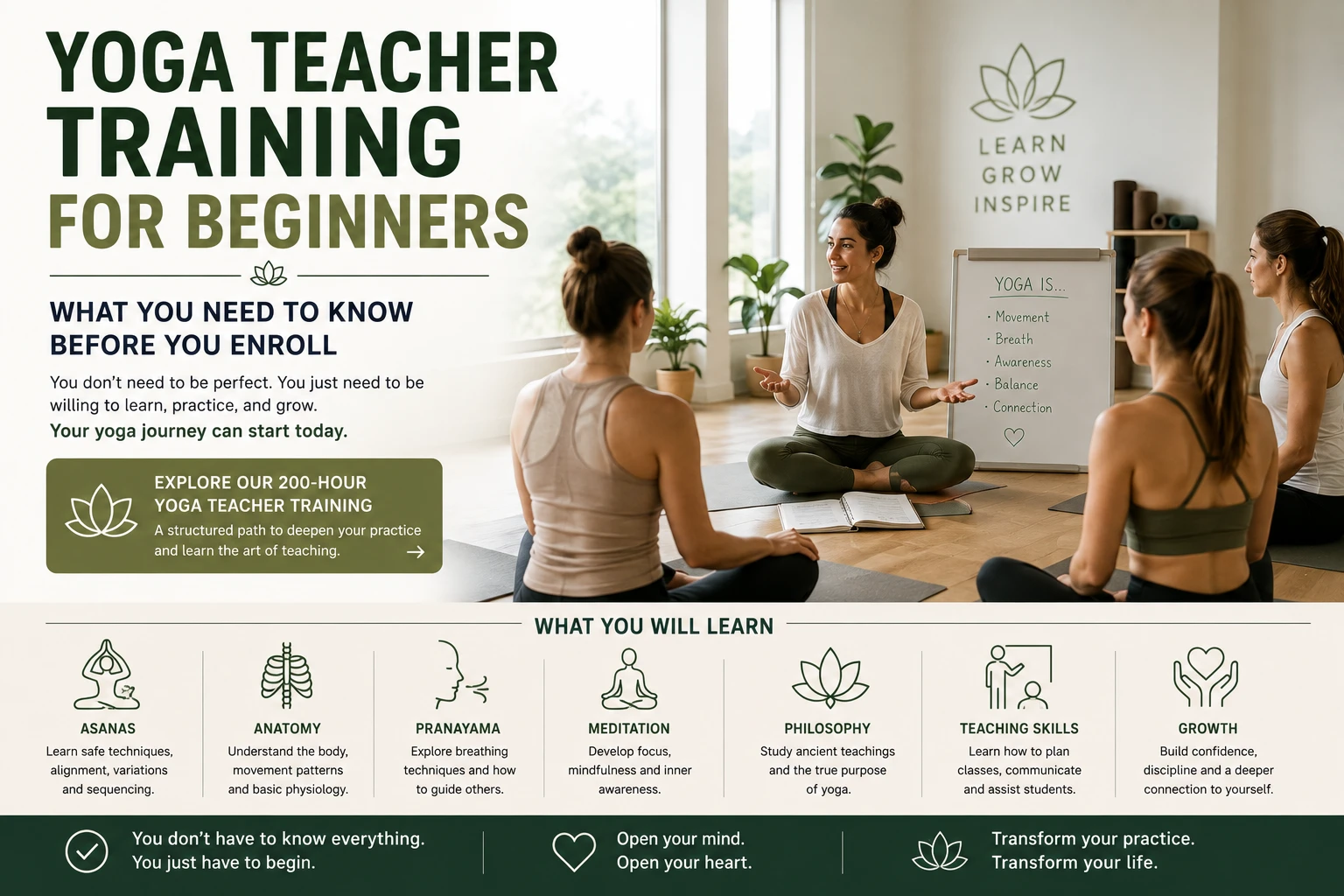
A 200-YTT program guides on yoga poses, meditation, and breathing techniques. Apart from that, anatomy and teaching skills are also taught.

You’ll also learn anatomy and teaching skills. Many programs include yoga philosophy and history. This deepens your understanding. After certification, you can teach beginner classes. Advanced certifications, like 300-hour or 500-hour YTT, let you specialize further.

Step 2: Gain Teaching Experience

Start Small

Once you get a certificate, you are eligible to teach yoga. You can get started by offering free or low-cost classes to friends or family. This will give you confidence. You can also volunteer at community centers or local gyms. Although these gigs may lead to little to no pay, you will gain experience, which is an important thing to drive your future classes. Teaching regularly improves your skills.

Work at Studios or Gyms

Apply to local yoga studios or fitness centers. Many recruit new yoga teachers for beginner classes. It is time to show your passion and ability to connect with students. Some studios offer part-time or contract work. This is a great way to create your client base.

Teach Private Lessons

Private lessons are a lucrative option. You can charge $50 to $100 per session. Contact your potential clients through social media or word of mouth. Private lessons enable you to tailor classes to meet individual requirements. This builds loyalty and referrals.

Step 3: Build Your Brand

Create an Online Presence

In today’s evolving digital landscape, it is important to have a solid online presence.

Start a website or blog. Share yoga tips, videos, or personal stories. Use social media platforms like Instagram or YouTube. Post short yoga flows or mindfulness advice. Consistency is important. Engage with followers to grow your audience.

Develop a Unique Teaching Style

What makes you different? Maybe you focus on mindfulness or strength-based yoga. Find your niche. This could be yoga for athletes, seniors, or stress relief. A unique style attracts dedicated students. It sets you apart in a competitive market.

Network with Other Yogis

Connect with other yoga teachers. Attend workshops or festivals. Join online yoga communities. Networking opens doors to collaborations or job opportunities. It also keeps you inspired and learning.

Step 4: Explore Yoga Retreats

Why Lead Retreats?

Yoga retreats are immersive experiences. They combine yoga, travel, and relaxation. Leading retreats is exciting and profitable. You can earn $1,000 to $5,000 per retreat, depending on location and duration. Retreats also build strong bonds with students.

How to Start

Partner with a retreat center or resort. Many offer packages for yoga teachers. You handle the yoga; they manage logistics. Alternatively, plan your retreat. Choose a beautiful location like Bali or Costa Rica. Plan classes, meals, and activities. Market your retreat through your website and social media. Start small with weekend retreats to gain experience.

Tips for Success

Focus on creating a memorable experience. Offer unique activities like guided hikes or meditation sessions. Keep groups small for a personal touch. Clear communication with participants is crucial. Ensure all details, like pricing and schedules, are transparent.

Step 5: Diversify Your Income

Offer Online Classes

Online yoga is booming. Platforms like Zoom make it easy to teach from anywhere. Record classes for on-demand access. You can charge $10 to $20 per class or offer subscriptions. Use platforms like Teachable or Patreon for pre-recorded content. This creates passive income.

Create Yoga Content

Write eBooks or create yoga videos. Sell them on your website or platforms like Gumroad. Topics could include yoga for beginners or stress management. Content creation builds your brand and income. It also reaches a global audience.

Sell Yoga Products

Consider selling yoga-related products. This could be mats, straps, or clothing. Partner with brands for affiliate marketing. Promote products you trust on your social media. This adds another revenue stream.

Step 6: Keep Learning and Growing

Stay Updated

Yoga is always evolving. Take workshops or advanced training. Learn about new styles or techniques. This keeps your teaching fresh. It also shows students you’re committed to growth.

Deepen Your Practice

Your practice is the foundation of your teaching. Practice daily, even if it’s just 15 minutes. Explore meditation or breathwork. A strong practice makes you a better teacher. It also keeps you grounded.

Seek Feedback

Ask students for feedback. This helps you improve. Be open to constructive criticism. Join teacher mentorship programs. A mentor can guide you through challenges and help refine your skills.

Step 7: Manage the Business Side

Set Fair Prices

Research local rates for yoga classes. Charge competitively but value your time. Group classes might cost $15 to $30 per session. Adjust based on location and experience. Be transparent about pricing with clients.

Handle Finances

Track your income and expenses. Use tools like QuickBooks or Wave for bookkeeping. Set aside money for taxes. Consider hiring an accountant if your business grows. This keeps your finances organized.

Get Insurance

Liability insurance protects you. It covers accidents or injuries during classes. Policies cost $100 to $300 per year. Check with organizations like Yoga Alliance for recommendations.

Challenges to Expect

Building a yoga career isn’t always easy. Income can be inconsistent at first. You may face competition from other teachers. Marketing yourself takes time and effort. Burnout is also a risk if you overcommit. Balance teaching with self-care. Set realistic goals and be patient.

Final Thoughts

A career in yoga is fulfilling and flexible. Start with a solid certification. Gain experience through teaching. Build your brand and explore retreats. Diversify income with online classes or products. Keep learning and stay passionate. With hard work, you can turn your love for yoga into a thriving career. Take the first step today and share your practice with the world.

Essential Tools for New Yoga Teachers to Grow Their Practice

Becoming a yoga teacher is a transformative experience. After spending countless hours mastering poses, learning anatomy, and understanding the rich yoga philosophy, you are now all set to impart your knowledge.

However, teaching your students is one thing, and handling administrative, backend, and marketing things is quite another. How do you build your student base? How do you manage your classes efficiently? How to promote your services?

Luckily, it is easy to find some amazing tools in this digital age. These tools can help you with everything, from class planning, transactions, to marketing and community building. Here we have picked some top tools for you.

Building Your Foundation: Essential Teaching and Planning Tools

Before you even think about marketing, you need solid tools to support your core teaching practice.

1. Yoga Anatomy Resources: Deepening Your Understanding

Even after your teacher training, continuous learning in anatomy is crucial for safe and effective teaching. Understanding how bodies move and adapt will empower you to offer informed modifications and adjustments.

  • Books: Classics like “Yoga Anatomy” by Leslie Kaminoff and Amy Matthews are invaluable. They offer clear illustrations and explanations of how muscles and bones work in various yoga poses.
  • Online Courses & Workshops: Many platforms offer advanced anatomy courses specifically for yoga teachers. Look for those that focus on practical application in a yoga setting.
  • Apps: There are anatomy apps that allow you to visualize muscles and bones in 3D, which can be a fantastic way to understand complex movements.

2. Class Planning & Sequencing Tools: Crafting Engaging Flows

Designing well-sequenced, creative, and safe yoga classes is an art. These tools can help you streamline the process and are fundamental to developing your unique yoga teaching style.

  • Notebook & Journal: Sometimes, the simplest tools are the best. A dedicated notebook for jotting down pose ideas, themes, and class structures can be incredibly effective for brainstorming and refining your sequences.
  • Yoga Sequence Builders (Online Platforms): Websites or apps designed for yoga teachers often allow you to drag and drop poses, add cues, and organize your classes visually. Some even offer pre-made sequences as inspiration. Look for platforms that allow you to customize and save your unique flows.
  • Google Docs/Sheets: For a free and flexible option, you can use Google Docs to type out your sequences with cues, or Google Sheets to create a table with pose names, modifications, and prop suggestions. This also makes it easy to share with substitute teachers if needed.

3. Music for Your Classes: Setting the Ambiance

Music can significantly enhance the atmosphere of your yoga class.

  • Music Streaming Services (with licensing): While popular streaming services like Spotify or Apple Music are great for personal use, you generally need to ensure you have the appropriate licenses to play music in public classes. Services like “Fit Radio” or specific yoga music platforms often provide licensed music curated for yoga. Always check the licensing terms to avoid copyright issues.
  • Curated Playlists: Many experienced yoga teachers share their playlists online, which can be a great source of inspiration for finding music that resonates with your teaching style.

Reaching Your Students: Marketing & Communication Tools

Once you’re confident in your teaching, you need to let people know about your classes! These tools are essential if you want to know how to build a career in yoga teaching, retreats, and more.

1. Website Builder: Your Digital Home Base

A professional website is crucial for establishing your credibility and providing a central hub for all your offerings. You can build it yourself with basic tech knowledge. Otherwise, you can opt for professional services.

  • User-Friendly Platforms: Options like Squarespace, Wix, or WordPress (with user-friendly themes like Kadence) are excellent for new teachers. They offer drag-and-drop interfaces, beautiful templates, and often include features like online scheduling and payment integration.
  • Key Website Elements: Your website should clearly state who you are, what kind of yoga you teach, your schedule, pricing, testimonials, and a way for people to contact you. A blog section is also fantastic for sharing your insights and attracting more visitors through search engines.

2. Social Media Platforms: Connecting with Your Community

Social media is a powerful tool for building brand awareness and connecting with potential students.

  • Instagram & Facebook: These are highly visual platforms, perfect for sharing inspiring yoga photos, short video clips of flows, teaching tips, and behind-the-scenes glimpses of your yoga journey. Focus on consistent posting and engaging with your followers.
  • YouTube: If you enjoy creating video content, YouTube is fantastic for offering free mini-classes, tutorials, or talks on yoga philosophy. This can attract a wider audience and showcase your teaching style.
  •  
  • Canva: An absolute game-changer for creating stunning visuals for social media, flyers, and even your website. Canva offers a vast library of templates, fonts, and graphics, making professional design accessible to everyone, even without design experience. Both free and paid versions are available.

3. Email Marketing Software: Building a Direct Line to Your Students

An email list is one of your most valuable assets. It allows you to communicate directly with your interested audience, bypassing social media algorithms.

  • Free/Affordable Options: Mailchimp and MailerLite offer robust free plans for a significant number of subscribers, making them ideal for new teachers. They allow you to send newsletters, announce new classes, share promotions, and build relationships with your community.  
  • Automations: As you grow, you can set up automated email sequences for new subscribers, welcoming them and sharing essential information.

Managing Your Business: Administrative & Financial Tools

Running a yoga practice involves more than just teaching. These tools help with the “business” side of things.

1. Online Scheduling & Booking Platforms: Streamlining Class Management

Make it easy for students to find and book your classes.

  • Integrated Solutions: Platforms like Mindbody, WellnessLiving, OfferingTree, Vagaro, or Momoyoga are designed specifically for wellness businesses and often include online booking, payment processing, client management, and even virtual class hosting.
  • Simpler Options for Starters: If you’re just beginning with private clients or small group classes, Acuity Scheduling or Calendly can be simpler, cost-effective options for managing appointments and taking payments.

2. Payment Processing: Getting Paid Seamlessly

You need a reliable way to accept payments from your students.

  • Integrated with Scheduling Software: Many of the scheduling platforms mentioned above have built-in payment processing.
  • Standalone Options: Stripe and PayPal are popular and reliable options for online payments. They can be integrated with your website or used for direct invoicing.

3. Financial Tracking & Accounting Software: Keeping Your Books in Order

Even as a new teacher, it’s important to track your income and expenses.

  • Simple Spreadsheets: Start with a basic Google Sheet or Excel spreadsheet to record all your income (class fees, workshops) and expenses (training, props, website fees).
  • Free Accounting Software: Wave Accounting is a free, cloud-based accounting software that can help you create professional invoices, track expenses, and manage your basic bookkeeping.
  • Dedicated Tools: As your business grows, you might consider more comprehensive accounting software like QuickBooks Self-Employed or FreshBooks.

Staying Inspired & Connected: Community & Growth Tools

Teaching can sometimes feel isolating. Connecting with other teachers and continuing your personal growth is vital.

1. Yoga Teacher Communities & Forums:

Staying in touch with your peers can help you gain support, advice, and inspiration.

  • Online Forums & Social Media Groups: Facebook groups dedicated to yoga teachers are abundant and offer a space to ask questions, share experiences, and learn from others.
  • Local Yoga Networks: Seek out opportunities to connect with other teachers in your area. This could be through workshops, studio events, or informal meetups.

2. Podcasts & Blogs for Yoga Teachers:

Stay updated on trends, teaching techniques, and business insights.

  • Industry-Specific Content: There are many podcasts and blogs specifically for yoga teachers that cover topics like sequencing, marketing, business strategies, and self-care. “The Connected Yoga Teacher Podcast” and blogs from platforms like Yoga Journal or Digital Yoga Academy are great starting points.

3. Continued Education & Workshops:

The journey of a yoga teacher is one of lifelong learning.

  • Advanced Teacher Trainings: Consider specialized trainings in areas that interest you, such as restorative yoga, prenatal yoga, or advanced anatomy.
  • Workshops: Attend workshops with teachers you admire to expand your knowledge and refine your skills.
  • Online Learning Platforms: Websites like Yoga Education offer a vast library of classes and workshops taught by experienced teachers, allowing you to learn at your own pace.

Beyond the Tools: Your Most Important Assets

While tools are incredibly helpful, remember that your most important assets as a yoga teacher are:

  • Your Authenticity: Teach from your heart and share what genuinely resonates with you.
  • Your Passion: Your enthusiasm for yoga will be contagious and inspire your students.
  • Your Dedication to Your Practice: Continue to be a student of yoga yourself. This will fuel your teaching and prevent burnout.
  • Your Students: Listen to their feedback, adapt to their needs, and build genuine connections.

Over to You…

Growing your yoga practice takes time, effort, and a willingness to learn and adapt. By strategically utilizing these tools, you can streamline your administrative tasks, effectively reach your ideal students, and focus more on what you love most: sharing the transformative power of yoga. Ready to leverage technology?

Hybrid YTT in 2025: Is it the Future of Yoga Education?

The world of yoga education has evolved rapidly over the past few years, driven by technological advancements, changing lifestyles, and a growing demand for flexibility in learning.

In 2025, hybrid yoga teacher training programs, which combine in-person and online components, have emerged as a compelling option for aspiring yoga instructors. These programs promise the best of both worlds: the hands-on experience of traditional training and the convenience of online learning.

But is hybrid yoga teacher training truly the future of yoga education? This blog explores the rise of hybrid programs, their benefits, challenges, and their potential to shape the future of how yoga teachers are trained.

The Rise of Hybrid Yoga Teacher Training

The concept of hybrid yoga teacher training gained momentum during the global shift to online learning in the early 2020s. As yoga studios and training schools adapted to restrictions, many began offering virtual classes and training sessions. While fully online programs became popular for their accessibility, some students missed the personal connection and hands-on guidance of in-person training.

Hybrid programs emerged as a solution, blending the flexibility of online learning with the immersive experience of in-person sessions. In 2025, these programs have become increasingly sophisticated, leveraging advanced technology to create seamless learning experiences.

From live-streamed classes to virtual reality-enhanced practice sessions, hybrid training is redefining how aspiring teachers engage with yoga education.

The Structure of Hybrid Yoga Teacher Training

Hybrid yoga teacher training programs typically combine self-paced online modules with scheduled in-person intensives.

Online components often include pre-recorded lectures on yoga philosophy, anatomy, and teaching methodology, allowing students to study at their own pace. Live virtual sessions, conducted via platforms like Zoom, offer opportunities for real-time interaction with instructors and peers. In-person sessions, which may last a few days or weeks, focus on practical skills like asana practice, hands-on adjustments, and teaching practice.

Some programs also incorporate innovative tools, such as apps for tracking progress or virtual reality platforms for simulating studio environments.

This structure caters to diverse learning styles while accommodating busy schedules and geographic limitations.

 Benefits of Hybrid Yoga Teacher Training

One of the most significant advantages of hybrid yoga teacher training is its flexibility. Students can complete theoretical coursework from anywhere in the world, making it easier for those with demanding jobs or family responsibilities to pursue their training. This accessibility also allows programs to reach a global audience, fostering diverse communities of learners.

For example, a student in a rural area can join a prestigious training program without relocating, while still attending in-person sessions to refine their skills. Additionally, hybrid programs often cost less than fully in-person training due to reduced travel and accommodation expenses, making yoga education more affordable.

Another key benefit is the balance between independent study and hands-on learning. Online modules allow students to revisit complex topics like anatomy or yoga philosophy at their own pace, ensuring a deeper understanding. Meanwhile, in-person sessions provide critical opportunities to practice teaching, receive immediate feedback, and build confidence in a real-world setting.

This combination creates well-rounded teachers who are both knowledgeable and skilled in practical application. Furthermore, hybrid programs often leverage technology to enhance learning, such as interactive apps or virtual platforms that simulate teaching scenarios, offering a modern twist to traditional yoga education.

Challenges of Hybrid Yoga Teacher Training

Despite its advantages, hybrid yoga teacher training is not without challenges. One of the primary concerns is the potential for disconnection in online learning. While live virtual sessions foster interaction, they may not fully replicate the sense of community found in in-person training. Building meaningful relationships with instructors and peers can be harder in a hybrid format, especially for students who thrive on face-to-face connection. Programs must work diligently to create engaging virtual environments, such as through discussion forums or group projects, to maintain a sense of belonging.

Another challenge is the variability in program quality. Not all hybrid programs are created equal, and some may prioritize convenience over depth. For instance, a program with minimal in-person components may not provide enough hands-on practice, leaving students underprepared to teach. Technical issues, such as unreliable internet connections or outdated platforms, can also disrupt the learning experience. Additionally, students must be self-disciplined to complete online modules on time, as the flexibility of hybrid programs can lead to procrastination without proper structure or accountability.

The Role of Technology in Hybrid Training

Technology plays a pivotal role in the success of hybrid yoga teacher training in 2025. Advanced platforms enable seamless integration of online and in-person components, creating cohesive learning experiences.

For example, learning management systems allow students to track their progress, submit assignments, and access resources in one place. Virtual reality and augmented reality are also making their way into yoga education, offering immersive simulations of teaching environments or anatomical visualizations.

These tools enhance understanding and make online learning more engaging. However, programs must ensure their technology is user-friendly and accessible to students with varying levels of tech-savviness.

Accreditation and Credibility

For hybrid yoga teacher training to be a viable future for yoga education, accreditation remains critical. Programs registered with Yoga Alliance, such as those offering 200-hour or 300-hour Registered Yoga Teacher (RYT) certifications, are widely recognized and respected. In 2025, Yoga Alliance has adapted its standards to accommodate hybrid formats, ensuring that programs meet rigorous requirements for both online and in-person components. Aspiring teachers should verify a program’s accreditation and research its reputation through reviews, alumni feedback, and industry recognition. A credible program will provide a certification that opens doors to teaching opportunities worldwide.

Who Benefits Most from Hybrid Training?

Hybrid yoga teacher training is particularly appealing to certain groups.

  • Busy professionals, parents, or individuals in remote areas benefit from the flexibility of online learning, which allows them to balance training with other responsibilities.
  • Those who value hands-on practice but cannot commit to months-long in-person programs also find hybrid formats ideal.
  • Additionally, hybrid programs attract international students who want to train with renowned schools without relocating.

However, students who prefer fully immersive, in-person experiences or struggle with self-paced learning may find hybrid formats less suitable. Understanding personal learning preferences is key to choosing the right program.

 The Future of Yoga Education

As we look ahead, hybrid yoga teacher training is poised to play a significant role in the future of yoga education. Its ability to combine accessibility, affordability, and practical experience makes it an attractive option for a diverse range of students. The integration of cutting-edge technology further enhances its appeal, offering innovative ways to learn and practice. However, the success of hybrid programs depends on their ability to maintain high standards, foster community, and balance online and in-person elements effectively. Schools must continue to innovate, ensuring that hybrid training delivers the depth and quality of traditional programs while embracing the advantages of modern technology.

The growing popularity of hybrid formats also reflects broader trends in education and wellness. As people seek flexible, inclusive, and sustainable ways to learn, hybrid yoga teacher training aligns with these values. It democratizes access to yoga education, allowing more people to share the benefits of yoga with their communities. While fully in-person and fully online programs will continue to have their place, hybrid training offers a versatile middle ground that could become the standard for yoga education in the years to come.

Is Hybrid Training Right for You?

Deciding whether hybrid yoga teacher training is the future for you depends on your goals, lifestyle, and learning preferences. If you value flexibility, affordability, and the opportunity to learn from anywhere while still gaining hands-on experience, a hybrid program could be ideal. However, it’s essential to research programs thoroughly, ensuring they offer a robust curriculum, experienced faculty, and strong accreditation. By choosing a high-quality hybrid program, you can gain the skills and confidence to become a transformative yoga teacher. In 2025, hybrid yoga teacher training is not just a trend—it’s a powerful evolution in how we learn and share the practice of yoga.

Certified RPYT Prenatal Yoga Teacher Training Online

Ready to become a prenatal yoga teacher?

If you are looking for online prenatal yoga teacher training, there are many programs to choose from. With a wide range of options available, it is easy to feel overwhelmed. However, choosing the right one matters to shape you into a skilled and confident instructor.

Apart from ensuring accreditations and training quality, you need to identify your goals, schedule, and budget. If you are wondering how to navigate all these factors, let this comprehensive guide help you. 

Understand the Importance of Accreditation

First thing first, accreditation is one of the key things to look for while choosing a prenatal yoga teacher training program. An accredited program means it meets industry standards and that your certificate will be recognized by studios, gyms, or clients.

Yoga Alliance RPYT Certification

The most widely recognized accreditation comes from Yoga Alliance, specifically their Registered Prenatal Yoga Teacher (RPYT) designation. To achieve this, you need to undergo an 85-hour prenatal yoga teacher training from a Yoga Alliance-registered Prenatal Yoga School (RPYS).

But it comes with a prerequisite.

You are required to complete a 200-hour general yoga teacher training (RYT 200). After completing the program, you have to log 30 hours of teaching prenatal yoga to officially register as an RPYT with Yoga Alliance.

Choosing a program with this accreditation ensures your certification is globally respected and opens more professional opportunities.

Other Certifications

There are also certifications from other yoga or wellness organizations. While they can be recognized, they may not be as valuable as a Yoga Alliance certification. If you choose them, make sure to research the organization’s reputation. Check if their certification is recognized in the yoga community or by potential employers. If you’re considering a non-YA program, ensure it’s from a credible source with a strong track record.

Evaluate the Curriculum and Content

Make sure your program covers a wide range of topics. Also, it should be comprehensive, practical, and customized to the unique needs of pregnant women. Here are the key areas to look for.

Anatomy and Physiology

It is really important to understand the physical changes during pregnancy. And that’s what your prenatal yoga training program should focus on. It should guide you through the female reproductive system; the changes in the body in each trimester; common pregnancy issues like back pain or swelling; and poses and practices to avoid. This knowledge helps you design safe classes that support your students’ well-being.

Yoga Techniques for Pregnancy

The program should cover safe yoga poses (asanas) for each trimester, including modifications using props like bolsters, blocks, or straps. You’ll also learn breathing techniques (pranayama), hand gestures (mudras), meditation, and relaxation practices like Yoga Nidra, all adapted for pregnant bodies. These techniques help pregnant women stay comfortable, reduce stress, and prepare for labor.

Childbirth Education

Look for programs that include an overview of the stages of labor, birthing techniques, and how yoga can support the delivery process. This knowledge allows you to guide your students with confidence and help them feel empowered during childbirth.

Postnatal Yoga

A well-rounded program will also introduce postnatal yoga, focusing on recovery after birth. This includes addressing common postpartum challenges like diastasis recti (abdominal separation) or pelvic floor issues and teaching yoga practices to help new mothers regain strength and energy.

Yoga Philosophy

Some programs weave yoga philosophy into prenatal training, showing how principles like mindfulness or non-harming (ahimsa) apply to pregnancy and motherhood. This adds depth to your teaching and helps you connect with your students on a deeper level.

Teaching Methodology

You’ll need practical skills to lead prenatal yoga classes effectively. The program should cover how to sequence classes, communicate, demonstrate poses, observe students, and offer safe adjustments. It should also teach you how to manage a class and create a supportive environment.

Special Conditions

A good program will teach you how to adapt yoga for high-risk pregnancies or conditions like pelvic girdle pain, gestational diabetes, or anxiety. This ensures you can support a diverse range of students safely.

Lifestyle and Nutrition

Some programs include guidance on diet, nutrition, and lifestyle during pregnancy. This knowledge helps you offer holistic advice to your students, enhancing their overall experience.

Business and Ethics

Finally, look for programs that cover professionalism, ethical considerations, and tips for marketing your prenatal yoga classes. These skills are essential for building a successful teaching career.

Research the Teaching Faculty

The quality of the instructors can make or break your training experience. Here’s what to look for:

Experience and Credentials

Check the lead instructors’ qualifications. Are they RPYT-certified? Do they have extensive experience teaching prenatal yoga or working with pregnant women? Experienced instructors bring real-world insights that enrich your learning.

Teaching Style

Every instructor has a unique approach. Some emphasize the spiritual side of yoga, while others focus on physical alignment or therapeutic benefits. Look at the program’s website or sample classes to see if the teaching style resonates with you.

Support and Mentorship

Online programs can feel impersonal, so choose one that offers opportunities for interaction, like live Q&A sessions, one-on-one calls, or doubt-clearing sessions. Mentorship from experienced instructors can help you grow as a teacher and address any challenges you face during training.

Consider the Program Format and Duration

Online prenatal yoga teacher training programs vary in structure, so find one that fits your schedule and learning style.

Live vs. Self-Paced

Some programs offer live sessions via platforms like Zoom, allowing real-time interaction with instructors and peers. Others are self-paced, with pre-recorded videos and study materials you can access anytime. Hybrid programs combine both. Consider whether you prefer the structure of live classes or the flexibility of self-paced learning.

Duration

Most programs range from 85 to 100 hours and can take a few weeks to several months to complete, depending on the format. Check the program’s timeline and ensure it aligns with your availability.

Flexibility

One of the biggest advantages of online training is flexibility. Look for programs that let you study at your own pace, especially if you have a busy schedule. However, check if there are any mandatory live sessions or deadlines you need to meet.

Look for Practical Teaching Experience

Hands-on practice is essential for becoming a confident prenatal yoga teacher. Even in an online program, you should have opportunities to apply what you’ve learned.

A good program will include practical components, such as teaching practice sessions with peers, submitting video recordings of your teaching, or completing case studies. These activities help you refine your skills and gain confidence.

Feedback Mechanism

Find out how the program provides feedback on your teaching. Will instructors review your videos or assignments? Are there written, oral, or practical exams? Clear feedback helps you improve and ensures you’re ready to teach real classes.

Compare Cost and Value

Cost is a major factor, but it’s not just about finding the cheapest program. Consider the overall value you’re getting for your investment. Prices for online prenatal yoga teacher training programs vary widely. Compare costs across programs, but don’t automatically choose the cheapest option.

Inclusions

Check what’s included in the fee. Does it cover course materials, certification fees, access to recorded sessions, or additional resources like manuals or guided meditations? Some programs also offer ongoing support or access to a community of graduates.

Payment Options

If the cost is a concern, look for programs with payment plans to make it more affordable. This can help you manage the expense over time.

Value for Money

A higher price doesn’t always mean better quality. Evaluate the program based on its curriculum, faculty, accreditation, and support to determine if it’s worth the cost.

Check Reviews and Testimonials

Hearing from past participants can give you valuable insights into a program’s strengths and weaknesses.

Student Feedback

Look for reviews on the program’s website, Yoga Alliance’s directory, or independent platforms like BookRetreats.com. Pay attention to what students say about the curriculum, instructors, and overall experience.

Alumni Connection

If possible, reach out to alumni through social media or program forums to ask about their experiences. Their firsthand feedback can help you make a more informed decision.

Ensure Reliable Technology and Support

Since the program is online, the technology behind it matters.

Platform

Make sure the program uses a user-friendly and reliable platform for delivering content, whether it’s Zoom, a dedicated learning management system, or another tool.

Technical Support

Check if the program offers technical support in case you run into issues with accessing materials or joining live sessions.

Internet and Space

Ensure you have a stable internet connection and a quiet space for studying and practicing. This will help you focus and get the most out of the program.

Make an Informed Decision

It takes a lot of homework to choose the right online prenatal yoga teacher program, but it’s worth the effort. Key factors that should be considered are accreditation, curriculum, faculty, format, practical experience, cost, reviews, and technology. This way, you can make sure that your program can align with your goals.

Whether you’re looking to teach prenatal yoga professionally or deepen your practice, the right program will equip you with the knowledge and confidence to support pregnant women on their journey to motherhood.

8 Tips for Teaching Yoga

As a yoga teacher, it’s essential to guide your students in a way that helps them get the most out of their practice—safely, mindfully, and effectively. Whether you’re teaching beginner yoga, Vinyasa flow, or restorative sessions, your approach plays a major role in shaping the student experience.

No matter what style you teach, following a few core principles can help you create meaningful, inspiring classes. By incorporating the following teaching strategies, you not only elevate the student journey but also strengthen your own career in yoga teaching, retreats, and continuing education.Group yoga class practicing Tree Pose outdoors | Yoga Education Institute

Develop your own personal practice:

Your personal practice is the heart of your teaching. Developing a consistent routine allows you to discover your own voice as a yoga instructor and understand how movements, breathwork, and mindfulness translate into lived experience.

Set aside dedicated time for self-practice, and continue learning from other teachers. Exploring different classes deepens your understanding of alignment cues, pacing, and sequencing.

If you’re seeking a structured path to grow professionally, consider exploring a yoga teacher training online program that helps refine your foundation.

Focus on your students and be with them:

The best teachers stay attentive and connected to their students. Rather than focusing on how you look or sound, tune in to what your students need in the moment.

Move around the room instead of teaching only from the front. Observe alignment, breath, and posture. Offer appropriate adjustments or modifications when needed.

This student-centered approach not only builds confidence but also helps create a nurturing, supportive environment.

Know your material:

Confidence comes from preparation. Whether you’re teaching pranayama, standing poses, or meditation, make sure you understand:

  • The physical benefits

  • The mental and emotional effects

  • How to modify for different body types

  • The history and philosophy behind the practice

The more you understand the material, the more naturally and safely you can guide your students through each sequence.

Be in the moment:

Mindfulness is essential for both teaching and personal practice. When you’re leading a class, keep your attention fully present:

  • Focus on the cues you’re giving

  • Watch how students respond

  • Adjust your pacing based on the classroom energy

In your own practice, center yourself on your breath and sensations. Presence is a skill—one that grows stronger the more you nurture it.

Help students develop their inner awareness:

Encourage students to focus on how a movement feels rather than how it looks. Remind them that yoga is not about comparing themselves to others but about exploring their own body with curiosity and compassion.

Guide them inward by:

  • Directing attention to breath

  • Encouraging non-judgment

  • Reinforcing that all bodies are different

  • Letting them know that poses serve them, not the other way around

This mindful approach helps students stay present and builds a healthier relationship with their practice.

Help students become their own teachers:

Every student has two teachers: you and their own inner guidance. Empowering students to trust themselves is one of the greatest gifts you can offer.

Teach them to listen to their breath, notice sensations, and choose variations that work best for their bodies. Over time, this builds confidence and supports the development of a personal home practice. Explore how to develop your unique yoga teaching style.

Take it step by step:

When guiding a pose or sequence, break it down clearly and progressively. Encourage students to pause at any step if that feels right for them.

Remind them to:

  • Move at their own pace

  • Avoid pushing past pain

  • Stay where breath remains smooth and steady

This approach ensures safety and helps students explore their “edge” with awareness rather than strain.

Connect breath and movement:

Breath is a central pillar of yoga. It anchors the mind, energizes the body, and enhances movement efficiency.

Teach students when to inhale and exhale:

  • Inhale during expansion (lifting, opening, lengthening)

  • Exhale during contraction (folding, rounding, twisting deeply)

Encourage nasal breathing whenever possible to promote warmth, filtration, and a calmer nervous system.

New students often forget to breathe when trying a challenging pose—gentle reminders help them stay steady, grounded, and connected.

Use positive reinforcement:

When you notice a student improving or embodying mindful awareness, let them know. Positive reinforcement boosts confidence and helps create a welcoming, encouraging class environment.

  • Donec porta ultricies urna, faucibus magna dapibus.
  • Etiam varius tortor ut ligula facilisis varius in a leo
  • Folutpat tempor tur duis mattis dapibus, felis amet.

Sign up for email updates

Enjoy many exclusive benefits. Be the first to learn about all our upcoming programs.