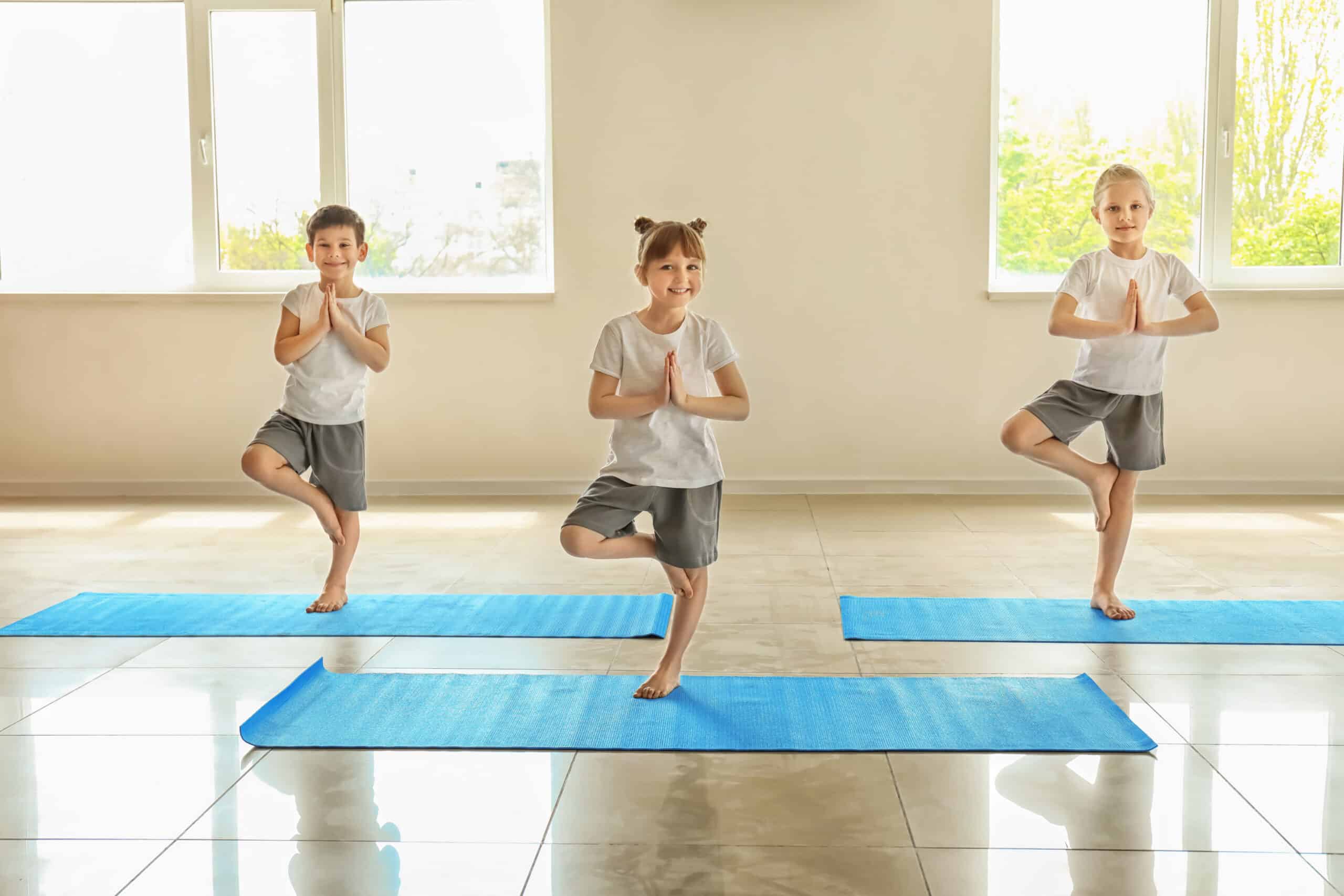

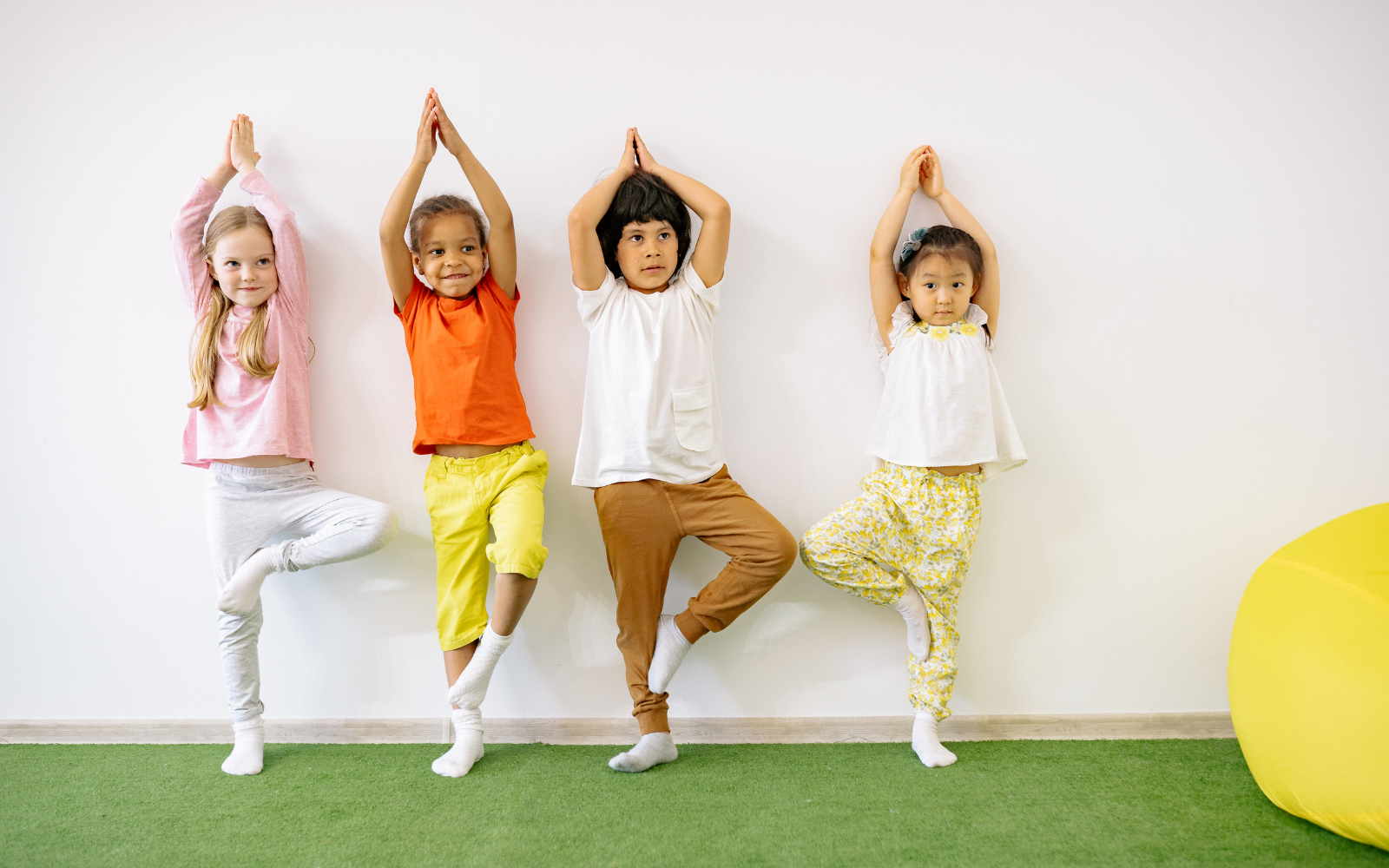
Parents are always looking for activities that support their child’s physical, emotional, and mental development. From sports to music lessons, every experience shapes a child’s growth. One practice that has gained tremendous popularity is kids yoga. But many parents wonder, What is the best age for children to start yoga?
The answer is that yoga can benefit children at almost every stage of development when taught in an age-appropriate way. Whether your child is a toddler, preschooler, or teenager, yoga offers valuable skills that go far beyond stretching. It encourages mindfulness, improves balance, strengthens the body, and helps children manage emotions in today’s fast-paced world.
Can Toddlers Start Yoga?
Children as young as 2 to 3 years old can begin exploring simple yoga movements. At this age, yoga is introduced through storytelling, music, games, and playful animal poses rather than structured routines.
Sessions are typically short, engaging, and focused on fun. The goal isn’t perfect posture but helping toddlers become aware of their bodies while improving coordination and motor skills.
Parents often participate alongside younger children, making yoga a wonderful bonding activity.
Preschool Years: A Great Time to Begin
Many yoga instructors believe that ages 4 to 6 are ideal for introducing more structured classes. Children in this age group have longer attention spans and can follow simple instructions while still enjoying imaginative activities.
Yoga during these years helps children:
- Improve flexibility
- Build balance and coordination
- Develop healthy posture
- Learn breathing exercises
- Increase body awareness
- Practice listening skills
These foundational skills often support success in school and other physical activities.
School-Age Children Gain Even More Benefits
Children between 7 and 12 years old often experience significant physical and emotional growth. This is an excellent time to establish a regular yoga practice.
As school demands increase, yoga provides a healthy way to manage stress while improving concentration and confidence.
Benefits include:
- Better focus during learning
- Improved strength and flexibility
- Enhanced balance
- Increased self-esteem
- Healthy emotional expression
- Better sleep quality
Yoga also encourages teamwork and respect when practiced in group settings.
Yoga for Teenagers
Teenagers face academic pressure, social challenges, and rapidly changing emotions. Yoga offers valuable tools for maintaining physical and mental well-being during these important years.
Regular practice can help teens:
- Reduce stress and anxiety
- Improve athletic performance
- Increase concentration
- Enhance posture
- Build confidence
- Encourage healthier lifestyle habits
Breathing techniques and mindfulness exercises are especially helpful during exam periods and busy schedules.
Physical Benefits of Yoga for Children
Yoga supports healthy growth without placing excessive strain on developing bodies.
Some key physical benefits include:
- Improved Flexibility
Gentle stretching helps muscles remain healthy and improves range of motion.
- Better Balance
Standing poses strengthen stabilizing muscles while improving coordination.
- Stronger Muscles
Children develop functional strength using their own body weight instead of heavy equipment.
- Healthy Posture
Good posture becomes increasingly important as children spend more time using computers, tablets, and smartphones.
- Better Body Awareness
Children learn how their bodies move, improving coordination for sports and daily activities.
Mental and Emotional Benefits
Yoga offers much more than physical exercise.
Children also develop important life skills through regular practice.
- Improved Focus
Mindful breathing teaches children how to stay present and pay attention.
- Emotional Regulation
Simple relaxation exercises help children recognize and manage strong emotions.
- Reduced Stress
Even young children experience stress from school, activities, and social situations. Yoga provides healthy coping strategies.
- Increased Confidence
Mastering new poses helps children build self-esteem while encouraging a positive attitude toward learning.
- Better Sleep
Relaxation techniques promote deeper, more restful sleep, which supports healthy development.
Choosing the Right Yoga Class
Not every yoga class is designed for children. Parents should look for instructors with experience teaching young students.
A quality children’s yoga class should include:
- Age-appropriate instruction
- Safe movements
- Fun and engaging activities
- Positive encouragement
- Qualified teachers
- Small class sizes
- Mindfulness exercises
The environment should feel welcoming rather than competitive.
Tips for Parents
If you’re introducing yoga at home or enrolling your child in a class, keep these tips in mind:
- Never force difficult poses.
- Focus on enjoyment instead of perfection.
- Encourage regular practice.
- Celebrate progress.
- Allow children to learn at their own pace.
- Make yoga part of a healthy lifestyle.
Children who enjoy their first experiences are more likely to continue practicing as they grow.
Is There a “Perfect” Age?
There isn’t a single perfect age because every child develops differently. What matters most is choosing activities that match your child’s physical abilities, attention span, and interests.
Many experts recommend beginning with playful movement during the toddler years and gradually introducing more structured lessons as children mature. Even if your child starts later, they can still enjoy the lifelong benefits that yoga provides.
Final Thoughts
Yoga is a lifelong practice that grows with your child. From improving flexibility and coordination to supporting emotional well-being and concentration, it offers benefits for every stage of development. Starting early helps children develop healthy habits that can positively influence their physical health, confidence, and resilience for years to come.
Frequently Asked Questions
1. What is the best age to introduce children to yoga?
Most children can begin simple yoga activities between 2 and 3 years old, while structured classes are often suitable from 4 years onward.
2. Is yoga safe for young children?
Yes. When taught by qualified instructors using age-appropriate techniques, yoga is a safe and beneficial activity for children.
3. How often should kids practice yoga?
Practicing 2–3 times per week is ideal, although even one weekly session can provide noticeable benefits.
4. Can yoga improve my child’s focus in school?
Yes. Breathing exercises and mindfulness techniques help improve concentration, attention span, and emotional regulation.
5. Does yoga help children who play sports?
Absolutely. Yoga enhances flexibility, balance, coordination, strength, and recovery, making it an excellent complement to many sports.
Conclusion
The best age to start yoga depends on your child’s readiness, but it’s never too early to introduce mindful movement and healthy habits. With age-appropriate instruction, children can build strength, confidence, focus, and emotional resilience while having fun. Families looking for expert guidance and high-quality yoga education can explore programs offered by Yoga Education Institute.