

In today’s fast-moving world, children are exposed to constant stimulation—screens, school pressure, and social expectations. As a result, many kids struggle with focus, emotional regulation, and self-confidence. This is where kids yoga becomes a gentle yet powerful solution.
As a yoga educator, I often see how simple practices can create deep transformation in children. Yoga is not just about physical postures; it is a complete system that nurtures the mind, body, and emotions in a balanced way.
Let us explore how yoga supports children in developing focus, confidence, and emotional balance—while keeping the practice fun and engaging.
1. Improving Focus Through Mindful Movement
Children naturally have high energy levels. Instead of suppressing this energy, yoga channels it in a structured and mindful way.
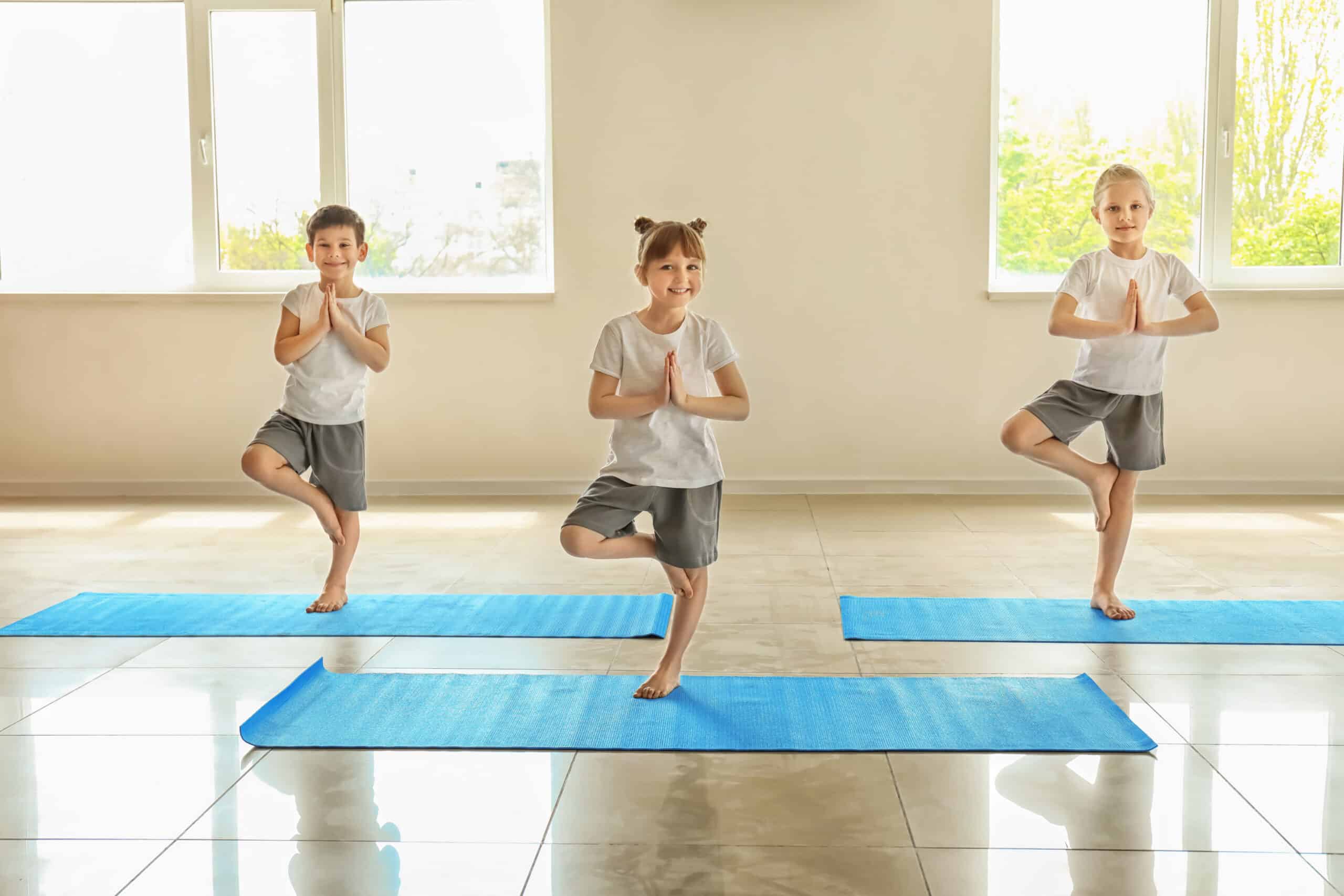
Through simple poses like Tree Pose or Butterfly Pose, children learn to stay present. Holding a pose requires attention, balance, and awareness. Over time, this improves their concentration not just in yoga sessions, but also in school and daily activities.
Breathing exercises play a key role here. Techniques like deep belly breathing or counting breaths help calm the nervous system. When the mind becomes steady, focus improves naturally.
Tip for practice:
Encourage children to focus on their breath while holding a pose. Even 5–10 seconds of awareness can make a difference.
2. Building Confidence Through Self-Expression
Confidence in children grows when they feel safe to express themselves. Kids yoga creates a non-judgmental environment where there is no “perfect pose.”
Unlike competitive sports, yoga emphasizes personal growth. Every child progresses at their own pace. This helps them develop self-acceptance and trust in their abilities.
Creative yoga activities—like animal poses, storytelling, or role-play—make children feel empowered. When a child successfully performs a pose or remembers a sequence, it builds a sense of achievement.
Example:
A shy child may hesitate initially, but after a few sessions, they begin to participate actively, speak up, and even lead poses.
This gradual transformation strengthens inner confidence.
3. Supporting Emotional Balance
Children experience a wide range of emotions but often lack the tools to manage them. Yoga provides a healthy outlet for emotional expression.
Through relaxation techniques and mindfulness, children learn to observe their feelings instead of reacting impulsively. Practices like guided relaxation (Yoga Nidra for kids) help release stress and tension.
Breathing exercises such as “balloon breathing” or “bee breathing” are especially effective in calming anxiety and anger.
How it helps emotionally:
- Reduces stress and anxiety
- Improves mood stability
- Encourages self-awareness
- Builds patience and resilience
Over time, children become more emotionally balanced and better equipped to handle challenges.
4. Enhancing Body Awareness and Coordination
Yoga improves physical awareness, which is closely linked to mental clarity. When children understand how their body moves, they feel more in control.
Simple stretches and balancing poses improve:
- Flexibility
- Strength
- Coordination
- Posture
This physical development contributes to a positive self-image. Children feel stronger, more capable, and more confident in their bodies.
5. Encouraging Discipline in a Fun Way
Discipline is often misunderstood as strict control. In yoga, discipline is developed gently through routine and consistency.
Regular practice teaches children:
- The value of patience
- The importance of practice
- How to follow instructions mindfully
Since yoga sessions are fun and interactive, children learn discipline without feeling pressured.
6. Strengthening Social Skills
Kids yoga is often practiced in groups, which helps children interact positively with others.
Partner poses and group activities encourage:
- Teamwork
- Communication
- Empathy
Children learn to respect others’ space and support their peers. This builds healthy social behavior and emotional intelligence.
7. Creating a Calm and Positive Mindset
Yoga introduces children to the concept of stillness—something rare in today’s busy lifestyle.
Even a few minutes of relaxation at the end of a session can:
- Calm the mind
- Improve sleep quality
- Reduce hyperactivity
A calm child is more focused, confident, and emotionally stable.
8. Making Kids Yoga Fun and Engaging
To keep children interested, yoga should be playful and creative. Here are some ideas:
- Use animal-themed poses (lion, cat, cobra)
- Add storytelling elements
- Include music and rhythm
- Keep sessions short and interactive
Remember, the goal is not perfection but participation and enjoyment.
(FAQs)
1. At what age can children start yoga?
Children can start yoga as early as 4–5 years old with simple and playful practices. The approach should always be age-appropriate.
2. How long should a kids yoga session be?
A session of 20–30 minutes is ideal for younger children, while older kids can practice for 30–45 minutes.
3. Can yoga help children with anxiety or hyperactivity?
Yes, yoga is highly beneficial. Breathing exercises and relaxation techniques help calm the mind and reduce anxiety and hyperactive behavior.
4. Do children need flexibility to do yoga?
No, flexibility is not required. Yoga helps improve flexibility gradually over time.
5. How often should kids practice yoga?
Practicing 2–3 times a week is effective. Even short daily sessions can bring noticeable benefits.
Conclusion
Kids yoga is a beautiful blend of movement, breath, and mindfulness that supports holistic development. It nurtures focus, builds confidence, and creates emotional balance in a natural and joyful way.
By introducing yoga early in life, we give children a lifelong tool for well-being. Whether practiced at home or in a structured setting, yoga helps children grow into calm, confident, and aware individuals.
To explore structured learning and professional guidance, consider programs offered by Yoga Education Institute, where holistic development is at the heart of every practice.