What Is the Difference Between Yin Yoga and Normal Yoga?

If you’re exploring different styles of yoga—especially in a mindful community like Woodland Hills, CA—you’ve likely come across two popular terms: Yin Yoga and “normal yoga,” more commonly known as Yang or traditional active yoga. Both styles are powerful, healing, and deeply transformative, but they work on your body and mind in very different ways.

Whether you’re a beginner, someone getting back into movement, or a long-time practitioner searching for deeper balance, understanding the difference between Yin Yoga and regular yoga can help you choose what your body truly needs.

Understanding Yin Yoga: Slow, Still, and Deep

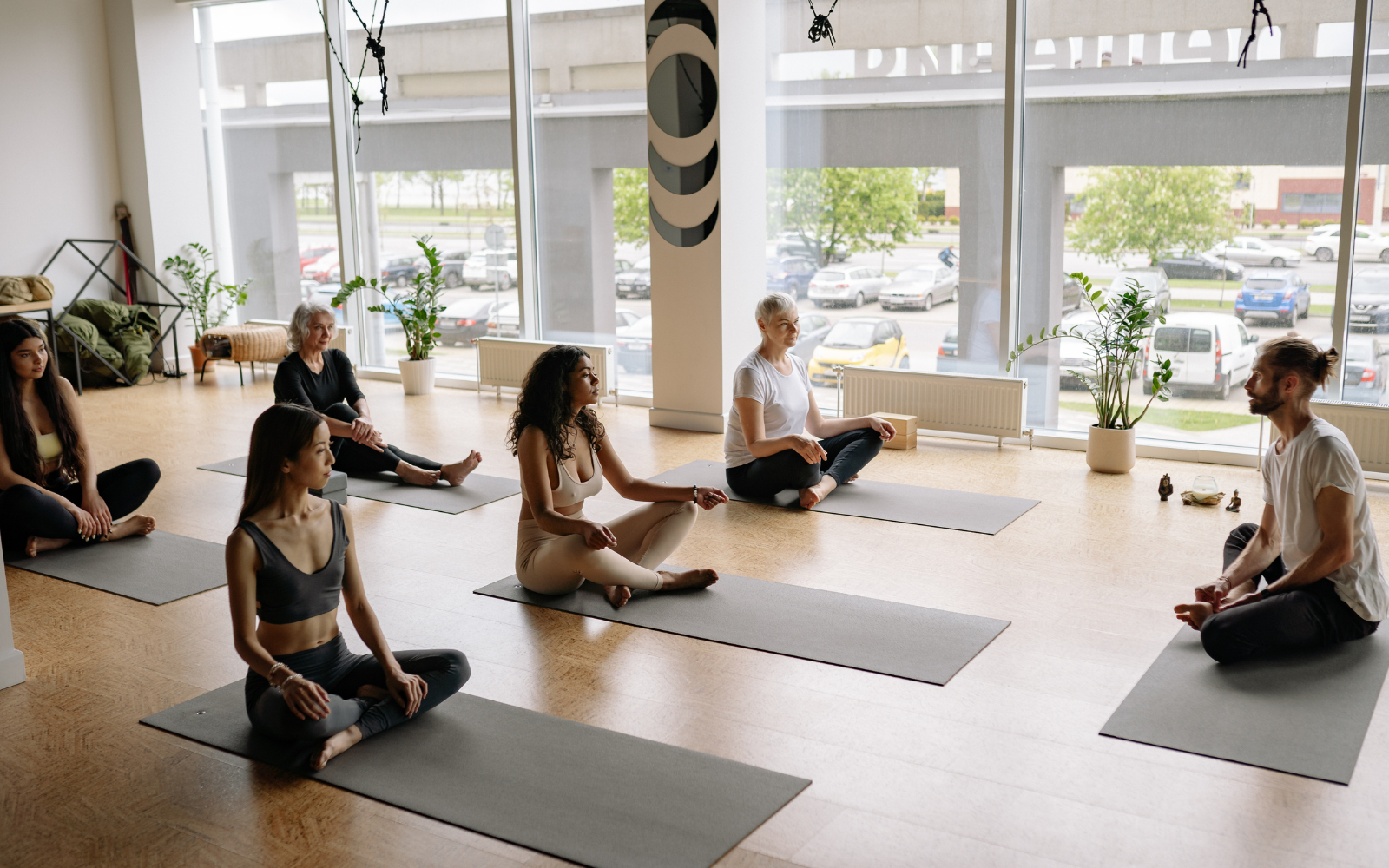
Yin Yoga is a gentle, meditative style that focuses on long-held, passive stretches. Instead of flowing through poses quickly, practitioners relax into each posture for 3 to 7 minutes, sometimes even longer. The goal is not to work the muscles but to target the deep connective tissues—the fascia, ligaments, and joints.

Key Features of Yin Yoga

  • Slow pace & long holds
  • Targets deeper tissues (fascia, joints, tendons)
  • Encourages surrender and stillness
  • Enhances flexibility and improves joint mobility
  • Low-impact and accessible for all ages
  • Calms the nervous system

Emotionally, Yin Yoga is incredibly soothing. It activates the parasympathetic nervous system, which helps reduce stress, anxiety, and tension. Many people describe it as a “moving meditation.”

What About “Normal” Yoga? (Yang or Active Yoga)

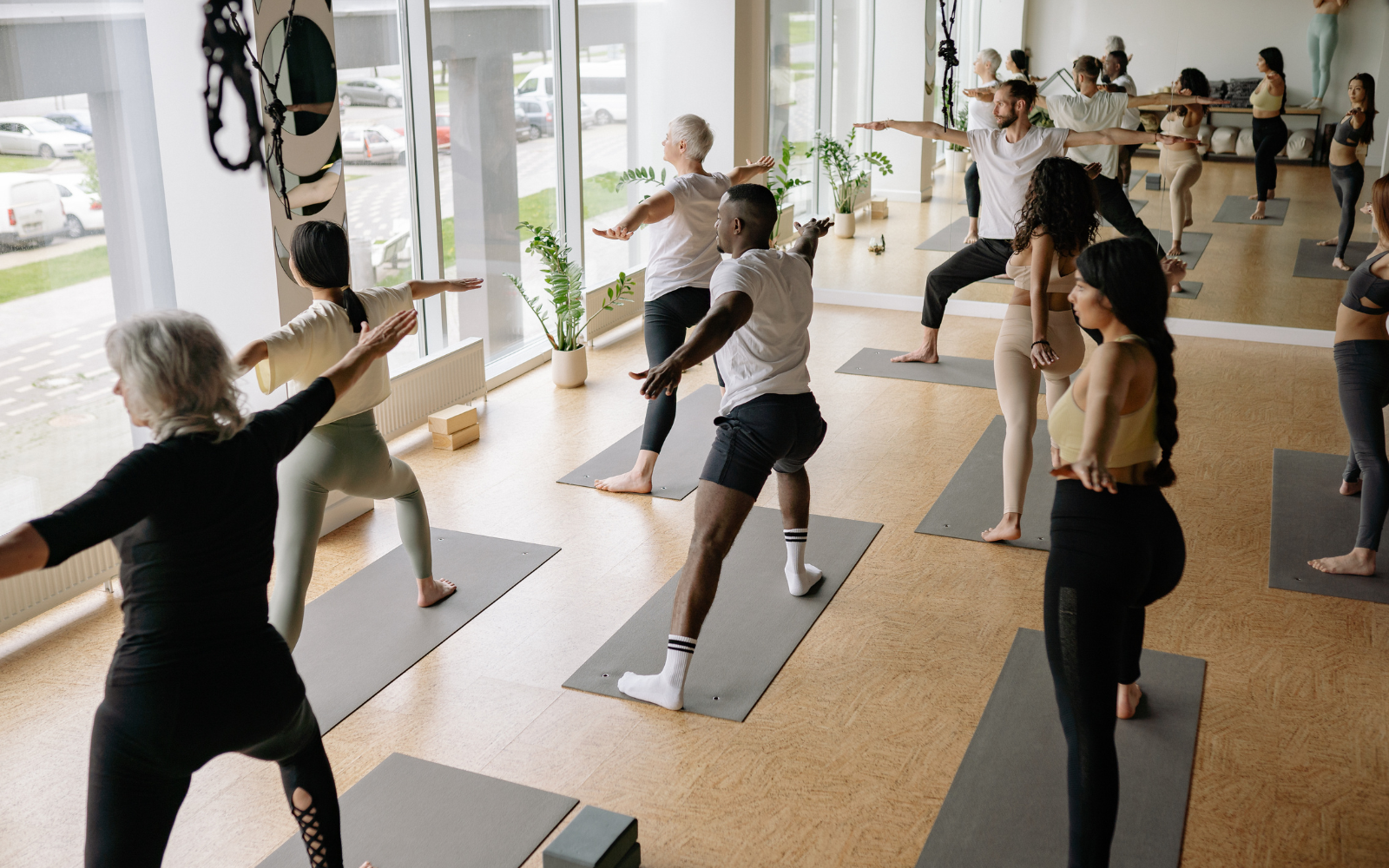
When people say “normal yoga,” they usually refer to more active, movement-based styles like Vinyasa, Hatha, Power Yoga, or Ashtanga. These traditional forms focus on strength, alignment, breath control, and fluid movement.

Key Features of Active (Yang) Yoga

  • Builds strength and stability
  • Improves endurance and muscular engagement
  • Uses dynamic postures and flowing sequences
  • Raises heart rate—great for fitness and energy
  • Enhances balance and functional movement
  • Strengthens the core and improves posture

Active yoga styles are perfect for anyone who enjoys a workout-like rhythm while still embracing mindfulness and breathwork.

Yin Yoga vs. Normal Yoga: The Core Differences

Here is a simple and clear breakdown of how the two styles differ:

1. Purpose of the Practice

  • Yin Yoga: Deep relaxation, flexibility, joint health
  • Normal Yoga: Strength, mobility, energy, and alignment

2. Physical Focus—Tissues Worked

  • Yin: Connective tissues and fascia
  • Yang: Muscles

3. Energy Flow

  • Yin: Quiet, cooling, grounding
  • Yang: Active, warming, energizing

4. Speed of Practice

  • Yin: Slow, still, meditative
  • Yang: Dynamic, flowing, continuous movement

5. Time Spent in Each Pose

  • Yin: 3–7 minutes
  • Yang: 15–60 seconds

6. Breathwork

  • Yin: Slow, deep, gentle, calming
  • Yang: Rhythmic, energizing, coordinated with movement

Which One Is Better for You?

Both practices complement each other beautifully, especially for people in Woodland Hills who juggle busy schedules and want balance in their wellness routine.

Choose Yin Yoga if you want:

  • Stress relief and emotional grounding
  • Increased flexibility
  • Improved joint mobility
  • A slower, meditative experience
  • Support for injuries or chronic tension

It’s especially wonderful for seniors, beginners, and people with stiff muscles or a sedentary lifestyle.

Choose Normal (Yang) Yoga if you want:

  • Stronger muscles
  • More energy and stamina
  • A workout-style practice
  • Better posture and balance
  • A dynamic, heart-pumping flow

This style is ideal for improving strength, core stability, and overall fitness.

Why Both Are Important

Think of Yin and Yang Yoga as two halves of a complete wellness system. Yin offers softness, introspection, and depth. Yang offers movement, energy, and strength.

You can practice both throughout the week depending on your mood and physical needs. Many advanced practitioners combine them to create the perfect balance.

Benefits of Practicing Both Yin and Normal Yoga in Woodland Hills, CA

The health-conscious community in Woodland Hills values mobility, longevity, and holistic wellness—making both styles incredibly beneficial:

  • Reduces chronic pain and stiffness
  • Supports healthy aging and joint health
  • Boosts mood and mental clarity
  • Enhances sleep quality
  • Strengthens muscles while improving flexibility
  • Supports emotional well-being

Practicing both gives you a complete mind-body experience—gentle yet powerful, calm yet energizing.

Conclusion

Understanding the difference between Yin Yoga and normal yoga helps you make more intentional choices in your wellness journey. Yin Yoga focuses on deep, passive stretches and relaxation, while traditional active yoga builds strength, stamina, and mobility. Both have unique benefits and together create a balanced, holistic practice for anyone looking to improve their physical and mental health.

To deepen your practice or explore structured training programs, the Yoga Education Institute offers meaningful guidance to help you grow in the right direction.

Get Certified with Yoga Alliance: Why It Matters

If you’re a yoga practitioner imagining the next step in your journey teaching, leading workshops, or opening your own studio getting certified with Yoga Alliance can be a smart move. This certification gives your credentials more weight, opens doors, and demonstrates your commitment to quality and professionalism.

What Is Yoga Alliance Certification?

Yoga Alliance is a registry that recognizes yoga teacher training programs (called Registered Yoga Schools) and the teachers who graduate from them (Registered Yoga Teachers). When you complete a training at a Yoga Alliance–affiliated school, you become eligible to register yourself as a yoga teacher under their credentials (like RYT-200 or RYT-500). You get to use these credentials as part of your brand.

The Benefits You’ll Gain

1. Credibility and Trust
When potential students or studio owners see “Yoga Alliance certified,” they often feel more confident in your training and skill. It helps you stand out in a crowded market.

2. Greater Visibility
As a registered yoga teacher, you can be listed in the Yoga Alliance directory. This means people looking for yoga teachers or classes might find you more easily.

3. Access to Resources & Education
Membership often includes access to continuing education opportunities, workshops, online events, and a supportive network of yoga professionals.

4. Professional Growth
To maintain your registration, you’ll continue learning, stay updated with best practices, and push yourself to evolve as a teacher. That commitment to growth enhances your reputation.

5. Global Recognition
Yoga Alliance is known worldwide. If you ever plan to teach in different countries or in online classes with international students, this certification adds weight to your credentials.

What’s Involved in Getting Certified

  • Choose a Registered Yoga School (RYS) to train with (200-hour or 500-hour programs).
  • Complete all required hours, curriculum, and practice teaching.
  • Apply to register yourself with Yoga Alliance.
  • Pay applicable registration and renewal fees.
  • Keep up with continuing education to retain your status.

Things to Keep in Mind

  • Certification alone doesn’t make you a great teacher it’s your practice, teaching experience, and connection with students that truly define you.
  • Some yoga studios care deeply about this certification; others judge your teaching more on skill and fit.
  • There’s an investment of time and money (training, application, renewal). View it as part of building your career.

Final Thought

Getting certified with Yoga Alliance is more than a badge it’s a step toward professionalism, wider reach, and deeper growth. If you’re serious about teaching and want your credentials to carry weight, this is a path worth considering.

7 Places to Teach Yoga Other Than Studio or Gym

Not all yoga teachers can afford to own or rent a yoga studio. It is equally true that some of us may lack enough space at home to conduct yoga classes.

So, where to teach yoga amidst such challenges?

The good news is, you can explore a lot of unique options to conduct your yoga classes beyond traditional spaces. From the calmness of a local park or a serene beach to the rooftop with a city skyline, the places to teach yoga are endless. These unconventional spaces for yoga classes ensure a fresh, new energy for both you and your students.

In this blog, we will be walking through some interesting yet practical places to lead your yoga classes, helping you find the right spot to grow your business without breaking the bank. Let’s get started.

Neighborhood Park, Beach, or Backyard:

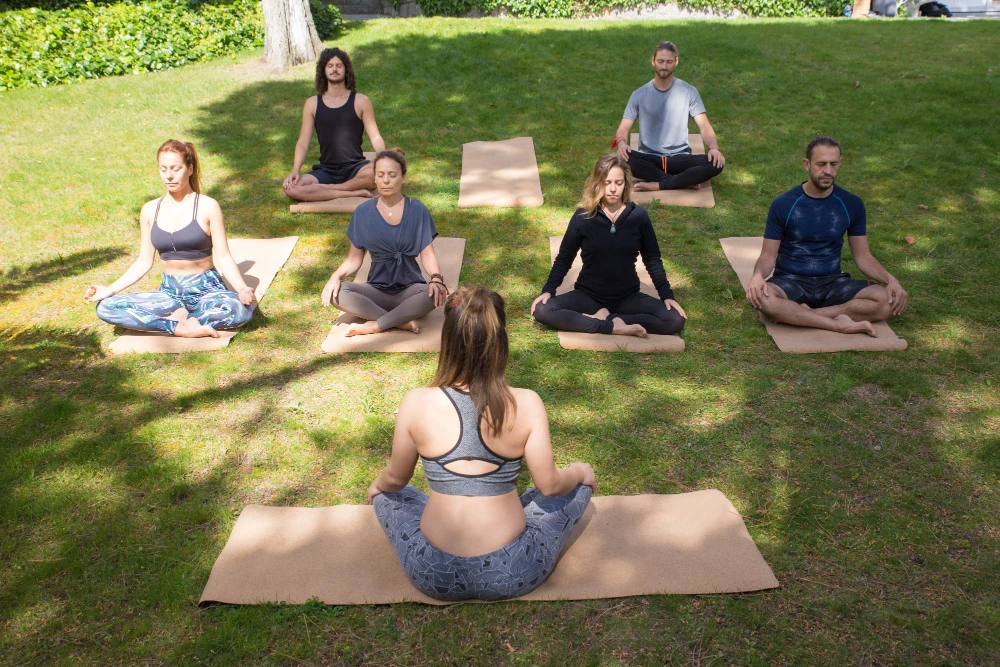
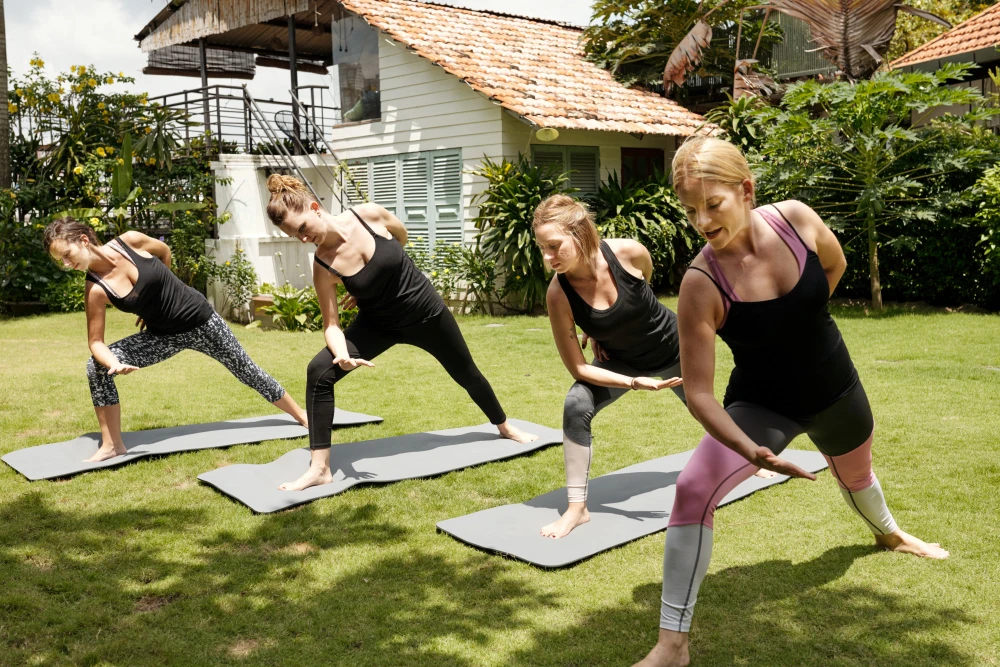
That’s a super feasible and convenient location for teaching yoga, especially if your region has warmer weather and shorter winters. See if there is a park or an outdoor space to hold a yoga workshop.

You are in luck if you live by a beach, as it makes a great yoga class. However, make sure to check if you need a permit to conduct your classes. If you find the permit process overwhelming or expensive, you can teach in your backyard, that of your family member, or a friend. You don’t need to have a spacious and fancy backyard. Just make sure that you have enough green space to lay out some mats.

The Rooftop:

Take your yoga teaching to the top of the city—literally.

We are talking about rooftop classes. It adds a modern and exciting twist to your classes with city views and a sense of being at the top.

Imagine doing yoga with your students at sunrise or sunset. Isn’t it an unforgettable experience?

Renting a space on the top of an apartment building, a hotel, or even a public garage is more affordable than a yoga studio. However, make sure to check for permits and safety regulations.

Art Galleries and Museums:

See if your local art galleries or museums allow you to run yoga classes at their premises. If so, it is also a surprising yet interesting space to teach yoga, and it is easy to see why. Firstly, art galleries and museums have open, quiet spaces. They have high ceilings and beautiful art on the walls. Practicing yoga surrounded by enchanting pieces of art can be a wonderful experience for you and your students.

Or you can go for historical buildings or old halls. These structures have a unique atmosphere with enchanting architecture and rich history. The grandness of an old library adds to your yoga experience, making your sessions with students feel special and stand out.

Public and Community Spaces:

Look for public or community spaces that are available for rent at a much lower rate than a dedicated yoga studio. Not only do they save you money, but they are also conveniently located to connect with the local community.

Community centers are highly preferred as they have multi-purpose rooms of various sizes. Also, these spaces can help build a larger student base as they have amenities like restrooms and parking.

Or you can inquire with schools and universities about using their gyms and halls during evening hours or weekends when they are not in use.

Restaurants, Cafes, and Breweries

Maybe you find this suggestion quite strange. But there are many cafes, restaurants, and even breweries that are open to hosting events during their off-peak hours. And why not, since this is also beneficial for them, as they can get potential new customers.

You must have heard about a popular trend called “Yoga and Brunch,” where you conduct a class in the morning before the business hours of the restaurant. Afterward, students are given a discounted brunch.  

Wellness Centers:

You can also find a space to teach yoga at wellness centers such as massage studios, mental health counselors, Ayurveda clinics, and therapy groups. These services can also include yoga sessions to improve the well-being and recovery of their clients.

By partnering with them, you can provide a valuable service supporting the overall health of their clients.

Specific Communities:

Many people need yoga for their overall wellness, but they cannot access it as they are not able to travel or attend classes. Such a population can be found at an elderly-care facility, hospital, or correctional facility. 

By bringing yoga directly to them, you can help make a big difference. Not only does this outreach make yoga accessible, but it also helps build trust and create a supportive environment for those who may require it most.

Dealing with the Usual Challenges of Teaching Yoga at These Places

It is also important to talk about the challenges of each place listed here. For example, in public spaces like parks, you have to deal with weather, uneven surfaces, and onlookers. Or some places have a lengthy approval process to allow you to run your yoga classes.

Many of the locations may have more noise and distractions. By expecting these challenges and preparing for them in advance, you can deliver a smoother experience for everyone.

Here’s how you can deal with the concerns of teaching yoga at these places.

  • Visit the space ahead of the class to assess the light, noise levels, and potential distractions.
  • Inform your students about the location and bring any specific things, such as extra layers for cooler evenings.
  • Always have an alternative indoor option or cancellation policy in case of weather calamity.
  • Be flexible with your plan based on the environment. You can adjust poses and activities as required.
  • Use a clear, strong voice for clear and audible instructions. You can also use a portable microphone if needed (check the permits for any equipment).
  • Arrive at the location in advance of the class start time to check if there are any issues to fix.

Think Outside the Box

You can get creative when it comes to finding places for your yoga classes. It could be teaching at a farm or in a garden. Or how about unconventional vehicles or structures, such as a houseboat?

Finding the spaces to teach yoga should not be that stressful. By considering options beyond the traditional studio or gym, you can find a unique or inspiring location, saving you money as well as enriching the overall experience of your students. Whether you choose a park, a rooftop, or a local café, the perfect place to organize your yoga business awaits you.

Understanding the Four Paths of Yoga

You, as a yoga teacher, must understand that yoga is more than the bodies twisted into complicated poses, calm studios filled with the scent of incense, and maybe the soothing hum of an “Om”.

The physical practice of yoga is known as Hatha Yoga, a popular entry point. But that’s just one piece of a much larger puzzle. Yoga is more than just a set of exercises. It is a comprehensive, systematic approach to life. A journey that leads to self-discovery and connects you with the Almighty.

There are four paths to embark on this journey, each one has the same destination.

They are Karma Yoga, Bhakti Yoga, Jnana Yoga, and Raja Yoga. Although they are different from each other, they lead to self-realization.

An Analogy to Understand the Four Paths of Yoga

Imagine yoga as a journey to the summit that can be accessible via four trails. The first trail is Karma Yoga, which requires the hiker to clear the path and help others. Then, there is a trail called Bhakti Yoga, which is a river path, where love for the mountain and summit carries the hiker effortlessly toward the peak. In other words, this hiker is captivated by the beauty of the mountain and the summit, making them feel an emotional pull toward the summit. Their faith and heartfelt love for the ultimate goal carry them forward. The journey feels less like a mission and more like a pilgrimage.

The third route to the summit is Jnana Yoga, which is the steep, rocky ridge. It is often taken by intellectual seekers. The climb is all about inquiring, seeking, and understanding, making the hiker realize that they are one with the summit itself. Raja Yoga is the fourth trail, which is meant for a disciplined and methodical person. The hiker is involved in a step-by-step process of mastering the body and mind through certain techniques to achieve a steady, focused climb.

All these routes lead to the same destination—the summit. Interestingly, a hiker’s journey is a blend of all four routes.

Or you can say that these four paths of yoga are the four tributaries leading to the same river.

Detailed Explanation of the Four Paths of Yoga

Karma Yoga: The Selfless Act

The most feasible path that can be adapted in modern life is Karma yoga. It is all about performing your duties without worrying over results, rewards, or attachments.

Karma is a Sanskrit word that means action. You learn to act with a sense of purpose and dedication. You are not after any personal gain or recognition.

For example, a busy parent prepares a meal for their family. They do so that their near and dear ones get nourishment and feel happy, instead of being praised for their culinary skills. In the Bhagavad Gita, there is a dialogue between maya-stricken Arjuna and lord Krishna. Krishna motivates Arjuna to do his duties without being worried about the results.

2. Bhakti Yoga: The Path of Devotion

Bhakti Yoga is the route to spiritual liberation for an emotional yet devotional person. Bhakti means devotion. Therefore, the route is all about love, surrender, and unwavering faith. A person who approaches this path sees god in everything.

However, Bhakti Yoga should not be consumed with blind faith. Keep in mind that it is the way to channel our powerful emotions our love, our passion towards a supreme, purer object.

3. Jnana Yoga: The Path of Knowledge and Wisdom

Jnana Yoga is also known as Gyana Yoga. Gyana means knowledge or wisdom. In this form of yoga, a person gains knowledge of the Self. This knowledge is assessed and turned into awareness. When a person becomes aware of the truth, they overcome their ego. This leads them to a path of self-realisation.

But that’s not all about attaining mere book learning or academic study. Instead, it is a journey of self-inquiry, using your mind to surpass the mind itself.  

For example, one of the most basic questions the Jnana yogi asks is “Who am I?” or “Is this real?”.

It requires them to get involved in meditation, deep introspection, and the study of sacred texts like the Upanishads. It enables them to learn the differences between the real and the unreal.

4. Raja Yoga: The Royal Path of Meditation and Discipline

Raja means royal. No wonder it is called the Royal Path. Raja Yoga is a scientific, systematic approach to controlling your mind and body.

Once you control your mind, you can turn your mental energy into spiritual energy.

This is where one is required to perform Asthanga Yoga. Often referred to as the foundation of Raja Yoga,  Asthanga Yoga is the eight limbs of controlling your mind. We learn that our minds are like wild horses, forcing us in different directions. The practice of Ashthanga yoga acts as a rein to control the thoughts, emotions, and physical sensations.

The Eight Limbs of Ashtanga yoga are ethical principles (Yamas and Niyamas), physical postures (Asanas), and breath control (Pranayama), practices of sense withdrawal (Pratyahara), concentration (Dharana), meditation (Dhyana), and finally, the ultimate state of Samadhi, or super-consciousness.

How to Choose the Right Yoga Path?

These four paths offer a tailored approach to a universal truth. If you are a natural leader and doer, you can find Karma Yoga appropriate. Bhakti Yoga may suit the tendency of an artist or musician. Jnana Yoga may find its followers in scientists or philosophers. And for someone looking for structure and self-mastery, Raja Yoga is the way to go.

But keep in mind that you don’t need to stick to one. Start with Raja Yoga to control your mind for meditation. As you progress in your career, follow the principles of Karma Yoga, doing your duty with a sense of selfless service. Perform Bhakti Yoga with your loved ones. While undergoing all these forms, you can build the wisdom of Jnana Yoga by asking yourself, “Who am I?” Again, all these yoga paths lead to the same destination of liberation, self-realization, and union with the divine.  Hari Om!

200-Hour vs 300-Hour Yoga Teacher Training: Which One Should You Take?

Yoga teacher training programs help enhance understanding of yoga. This way, it helps you become an inspiring and highly knowledgeable teacher to guide your students correctly and safely.

However, most yoga teachers find it challenging to choose between a 200-hour and a 300-hour yoga teacher training program.  Of course, both programs help you learn the essential skills to guide students and deepen your practice as well. They cater to different levels of experience and career aspirations within the yoga community.

Let’s explore what these two programs involve, who they are designed for, and how they can help you become a dedicated yoga practitioner and an inspiring instructor.

The 200-Hour YTT: The Foundation

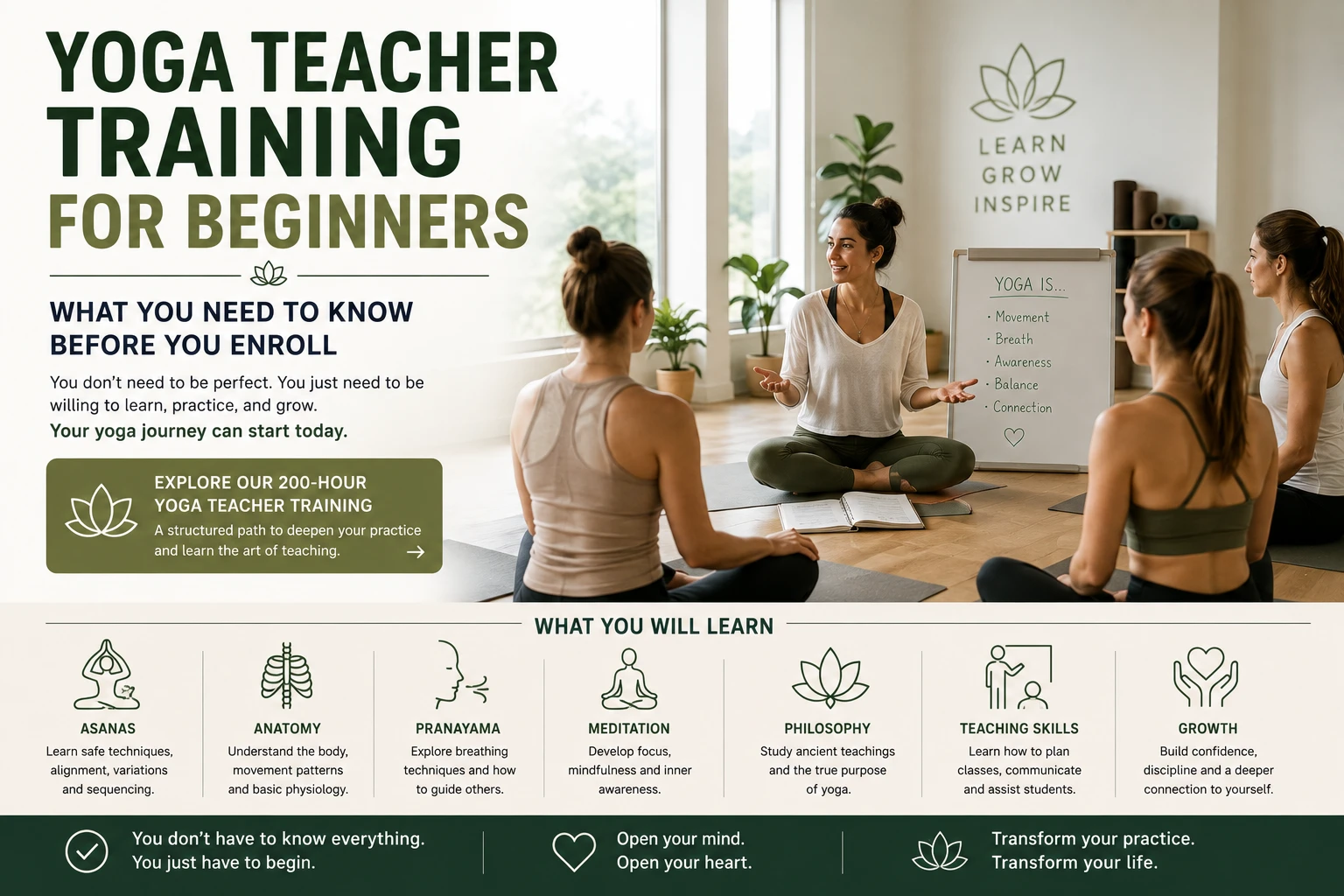
The 200-hour YTT is essentially your introductory yoga teacher training. It is recommended for new teachers. This course is designed to make you familiar with the fundamentals of yoga. You will be learning how to teach yoga safely and efficiently, as well as the anatomy. It is recognized worldwide. 

What You Learn in a 200-Hour YTT:

Yoga History and Philosophy:

The course introduces you to the roots of yoga as you walk through various styles and major books.

Yoga Poses (Asana) and How to Do Them:

Learning yoga poses is an important aspect of this course. The learners will discover how to do them right as well as how to modify the poses for various bodies.

Body Basics (Anatomy):

Get to know your bones, muscles, and breathe. It gives you a sense of the effects of different poses upon the body. It also helps you teach safely.

Breathing Techniques (Pranayama):

You practice various types of breathing exercises and their benefits. You will also be taught how to teach those skills to others.

Meditation and Mindfulness:

You will learn different methods of meditation and the use of mindfulness in your practice and teaching. 

Teaching method:

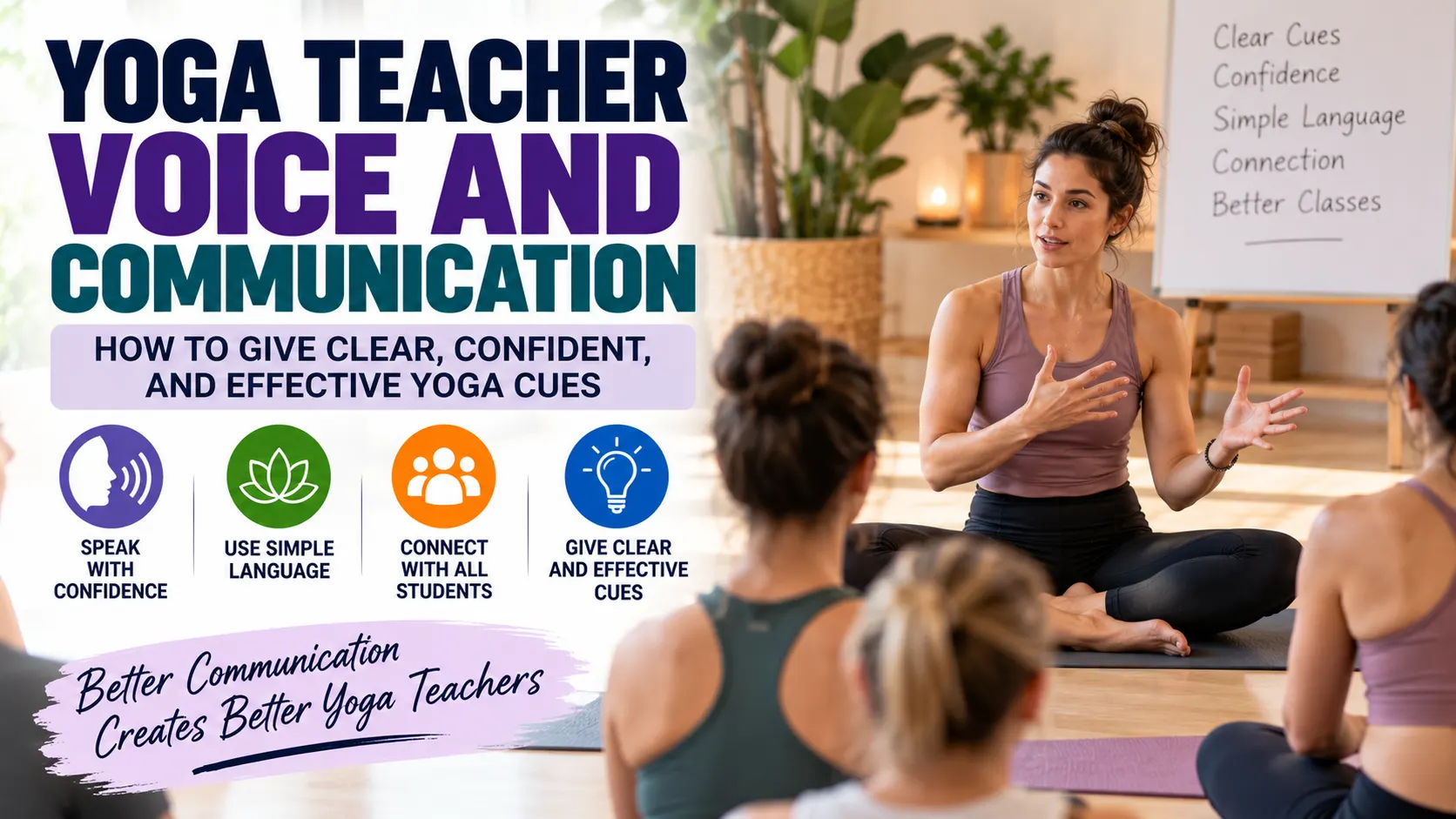
How you impart the yoga knowledge to others is important. And this is what is addressed by a 200-hour yoga teacher training. You will learn how to organize and structure a yoga class, use verbal cues, give effective demonstrations, and manage the classroom.

Meditation and Being Mindful:

You’ll learn ways to introduce mindfulness into your own life and teaching.

Who is a 200-Hour YTT For?

New Teachers:

If you are a beginner in your yoga teaching journey, this course is helpful for you.

Devoted Yoga Practitioners:

If you don’t want to teach but want to grow, this training is fantastic. It allows you to grasp yoga on a deeper level than just the asanas.

If You Need Certification:

The 200-hour YTT is universally recognized. It allows you to work with yoga groups and teach at the majority of studios.

The 300-Hour YTT: Deepen and Specialize

Think of the 300-hour YTT as a powerful upgrade for certified yoga teachers. It is designed for those who have completed their 200-hour YTT and are ready to learn an advanced level of yoga. This program aims to boost your yoga knowledge and teaching skills. The course introduces you to more complex yoga concepts and helps you specialize in certain styles or areas of yoga.

What You Will Learn in a 300-Hour YTT:

Advanced Poses and Class Flow:

You’ll be taught more difficult poses. — You’ll understand how to build more layered, interesting yoga classes.

Subtle Body and Energy:

You will explore energy centers (chakras) and energy channels in the body. You’ll understand how this relates to your teaching and practice.

Intermediate Breathing and Meditation:

More advanced breathing and meditation techniques will be taught. You will also learn how to teach these deeper methods.

Yoga for Special Needs:

Many 300-hour programs include learning how to adapt yoga. Such as yoga for pregnant women, restorative yoga, yoga for injuries, etc.

Advanced Yoga Philosophy:

You will explore more advanced yoga books and concepts. The upshot of that is a deeper insight into oneself and others as well as our relation to God.

Better Teaching Skills:

You’ll get better, and you’ll keep improving the quality of instruction for your students. You will discover advanced approaches to watching students. You will do better cues and corrections. You will also discover your style of teaching.

Specialty Areas:

Some 300-hour programs allow you to choose a specialization. This might be Yin Yoga, or Restorative Yoga, or even some sort of wellness system such as Ayurveda.

Who is a 300-Hour YTT For?

Experienced 200-Hour Teachers:

This training is intended for anybody who already holds a 200-hour certificate. You must also have some teaching experience.

Teachers Who Want to Know More:

If you felt like your experience in your 200-hour was only the beginning, this is for you. You’re going to learn so much more.

If You Want to Focus on Something:

If you’re curious about a specific yoga method or want to work with groups like prenatal practitioners, then it equips you with special skills.

Teachers Who Need to Up Their Game:

This is advanced training for you so YOU can be a more confident, better teacher.

For Personal Growth:

The deeper learning experience during a 300 YTT can help you grow personally. You’ll bond more closely with your yoga practice.

How to Decide: Questions to Ask Yourself

Between a 200-hour and 300-hour YTT is a matter of preference. Ask yourself these questions:

Are you a beginner to yoga teaching?

Beginners can opt for a 200-hour yoga teacher training course.

What are your teaching goals?

Want to teach common classes? Or do you have a particular style of yoga or category of group in mind?

What are your time and money budgets?

300-hour courses tend to be longer and more expensive.

Already 200-hour certified?

If you’re not, the 300-hour training isn’t your entry point.

Do you want to develop your yoga practice first?

If so, earning some teaching experience after a 200-hour YTT can be useful before pursuing a 300-hour training.

What kind of teacher do you want to be?

Do you imagine yourself leading special workshops or retreats at some point? A 300-hour program can help you do that.

Your Path as a Yogi and Teacher

Both the 200-hour and 300-hour YTTs play an important role in your journey as a yoga teacher. They help you learn the essential skills to teach, deepen your practice, and ultimately share the power of yoga with others.

So, choosing the right yoga teacher training course depends on your learning level, desires, and resources. A lot of teachers will go through a 200-hour training first. Then, they teach for a while. After that, they continue with 300-hour training when they’re ready for something more.

Regardless of which type you select, please remember this: The best yoga teacher has a passion for yoga. They want others to experience its terrific advantages as well. Enjoy your path!

What to Expect in a Yoga Certification Course: A Beginner’s Guide

Should you opt for a yoga certification course?

You, as a beginner, might be wondering what’s actually on in these courses.

You don’t necessarily need a yoga training certificate to run your yoga class or work with any yoga studio in the USA. It makes undergoing a YTT program optional. However, it helps you deepen your practice and learn how to teach yoga. Above all, it helps you establish a credible yoga teacher.

If you want to learn more about a yoga certification course, we have come up with this guide explaining what is likely to be covered in a yoga teacher training course.  

Why Get Yoga Certified? More Than Just Teaching

There are so many reasons why people opt for YTT. Of course, a lot of them want to be teachers to impart knowledge to others. This is a wonderful goal!

But YTTs offer much more. By undergoing a YTT program, you will also deepen your understanding of yoga. The program introduces you to its history, ideology, and how it interacts with your body. You realize that yoga is a journey of self-discovery. Apart from connecting with yourself, you build rapport with fellow yogis. It is a transformative experience.

What’s Your Foundation: The 200-Hour YTT

Most would-be yoga instructors start with a 200-hour Yoga Teacher Training course. This is the beginning level program. It reinforces your learning. Think of it as your college degree in yoga. It includes all the main topics. After that, you’re ready to take on beginning and student-level yoga classes. The program is recognized globally. Many yoga studios require this certification from their potential instructor.

So, as a beginner to teaching, a 200-hour YTT is often your gateway.

What Will You Learn in a YTT (And What You Won’t)?

A yoga certification is so much more than simply doing poses safely. It’s a deep dive into every aspect of yoga. Here’s a summary of what you’ll learn:

Asana (Yoga Poses) and Alignment

This is a lot of the training. You won’t just do poses. You will find out how to do them right. This is called alignment. You will work on a variety of poses. You’ll learn:

Safe Execution:

How to enter and exit poses without harm.

Modifications:

How to Switch Poses, Different Bodies. (Not everyone can touch their toes!)

Learning the Use of Props:

Blocks, straps, or blankets. Those can help students find comfort or go deeper.

Sequencing:

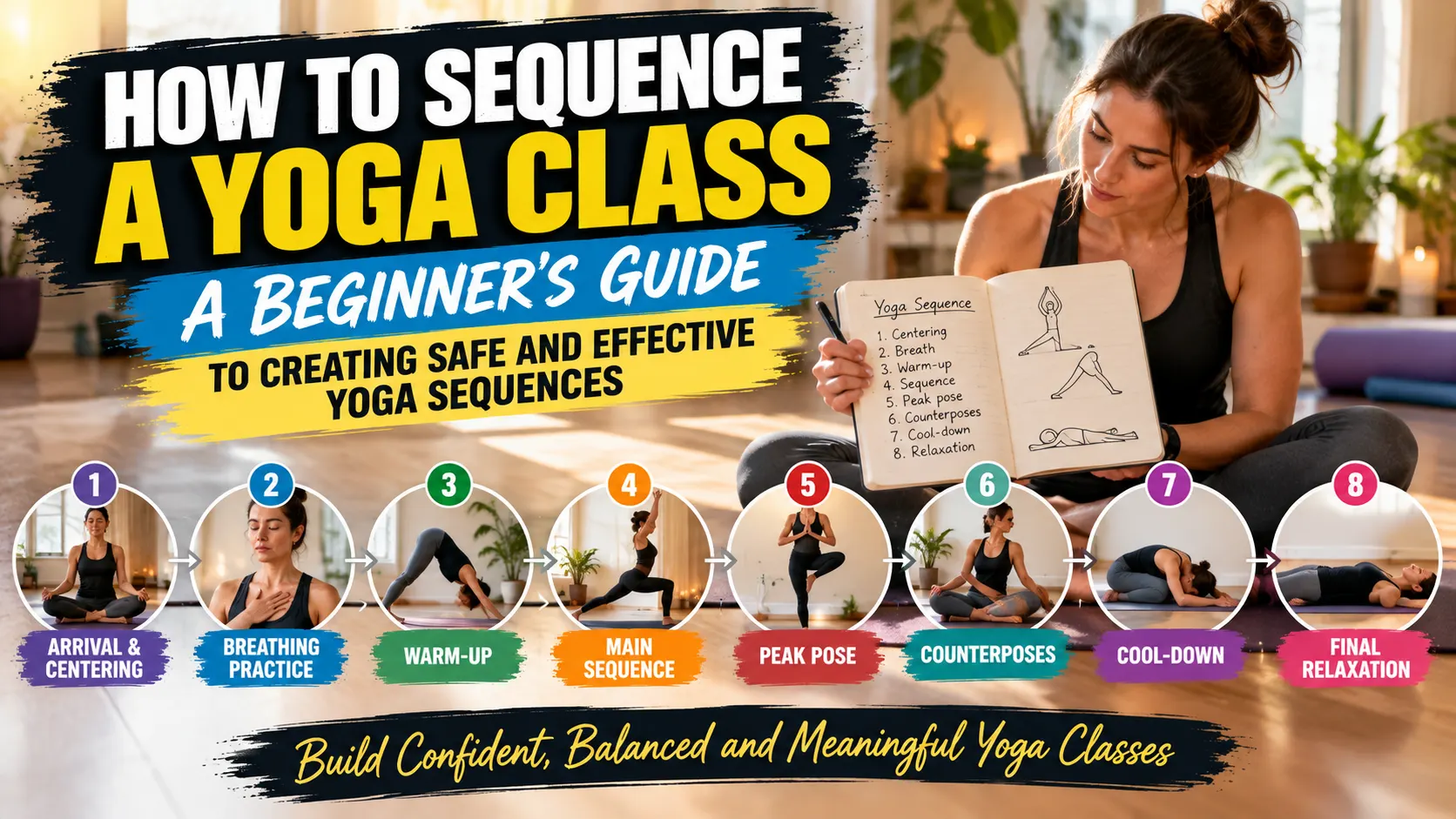
How to link poses. This makes for a seamless and no-nonsense class flow.

You’ll practice poses daily. You’ll learn to watch other people, too. This allows you to identify common mistakes and provide support.

Anatomy and Physiology: Understanding Your Body

Not to worry, you don’t have to be a doctor! You will, however, discover important things about the human body. This includes:

Bones Muscles:

How they interact in poses.

Respiration:

How your breath affects your body and mind.

Injury Prevention:

 How to stay away from them and how to work with students with problems and modifications.

This knowledge is crucial. It helps you teach safely. It’s what keeps your students feeling good and out of harm’s way.

Yoga Philosophy and History: The “Why” Behind Yoga

Yoga is ancient. And it’s more than just physical exercise. In YTT, you will dive into its long and storied history. You’ll learn about:

Ancient Scriptures:

Such as the Yoga Sutras of Patanjali. These offer wisdom for life.

Varieties of Yoga:

Moving beyond the physical.

Ethical Guidelines (Yamas and Niyamas):

These are concepts for maintaining a balanced life.

This aspect of your training will provide you with a foundation and emotional grasp of yoga. It brings your physical practice into your life beyond the mat.

Pranayama (Breathing Techniques) and Meditation

Breath is central to yoga. You’ll learn various breathing exercises as well as how they can benefit the body and mind. Three kinds of meditation help you settle down and focus.

Methodology of Teaching: Being a Teacher

You’ll learn practical skills like:

Verbal Cues:

What to say to students to lead them.

Demonstration:

How to show positions correctly.

Class Management:

What to do if you have students at vastly different levels in one class?

Observation Skills:

How to see what your students need.

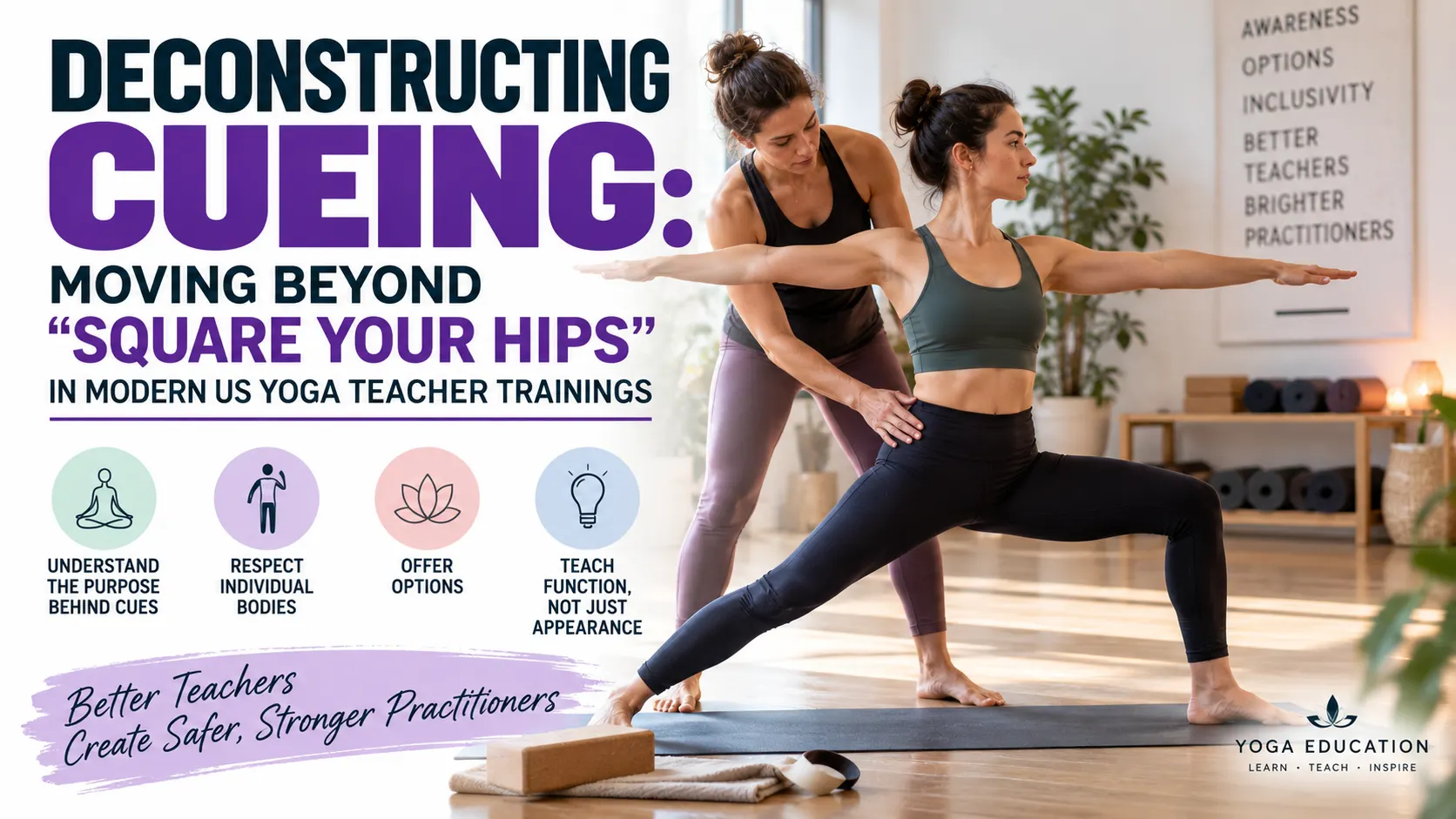
Offering Adjustments:

How to guide students into a pose gently (if instructed). Other programs emphasize verbal cues to the students rather than hands-on adjustments.

You’ll receive opportunities to learn more about teaching yoga. You can get an opportunity to lead small sections of a class. Your trainers will provide you with feedback. This builds your confidence!

Ethics and the Business of Yoga

You will learn what it means to be a responsible yoga teacher. This covers:

Professional_Contact:

How to behave in a studio or community.

Marketing Your Classes:

How to find teaching opportunities.

Setting Up:

The basics of being self-employed or contracting with a studio.

The YTT Learning Structure: What to Expect

Immersive Learning:

You are in class for many hours of yoga practice. It might be daily for weeks. Or it may be weekends, spread across months.

Personal Growth:

Challenges will arise, and you will learn how to tackle them. You’ll become stronger, not just in body.

Community:

You’re going to be with your peers a lot. You’ll form bonds and support each other. It often feels like a family.

Practice, Practice, Practice:

You will be doing a lot of yoga. You’ll also practice teaching. This is how you grow and progress.

Your Investment: Time, Energy, and Willingness

Time:

Check the schedule. Is it full-time for a couple of weeks? Or part-time on weekends? Make sure it fits your life.

Energy:

It can be tiring. You’ll learn a lot. You’ll move a lot. Get enough rest. Eat well.

Homework:

Reading, writing, and maybe essays. For this one, you will need to set aside time outside of class.

Personal Practice:

You’ll be inspired to maintain your yoga practice. This allows you to become what you learn.

Open Mind:

Be prepared to learn new ideas. Be open to feedback. This is how you grow.

Life After Certification: What’s Next?

Finishing your 200-hour YTT is such a big accomplishment!

You’re Qualified and Ready:

You can begin to teach beginner and most intermediate yoga classes. Also, the certification can help apply to studios or teach on your own.

It’s a Journey, Not a Destination:

Certification is the beginning. Yoga learning never truly ends. You will grow forever as a teacher and as a student.

Learning More:

Many teachers go to workshops. Some continue to 300-hour or 500-hour training. This enables them to specialize or deepen their knowledge.

Ready to Embark on Your Yoga Journey?

A yoga teacher training is an investment. Of course, it may feel draining and call for time and dedication. But it is for sure that you will get immense rewards in the form of deep learning, improved confidence, enhanced wellbeing, and building networks. And most of all, you will find out more about yourself.

Research different schools and programs. Find one that aligns with your goals and values.

Your yoga journey is waiting.