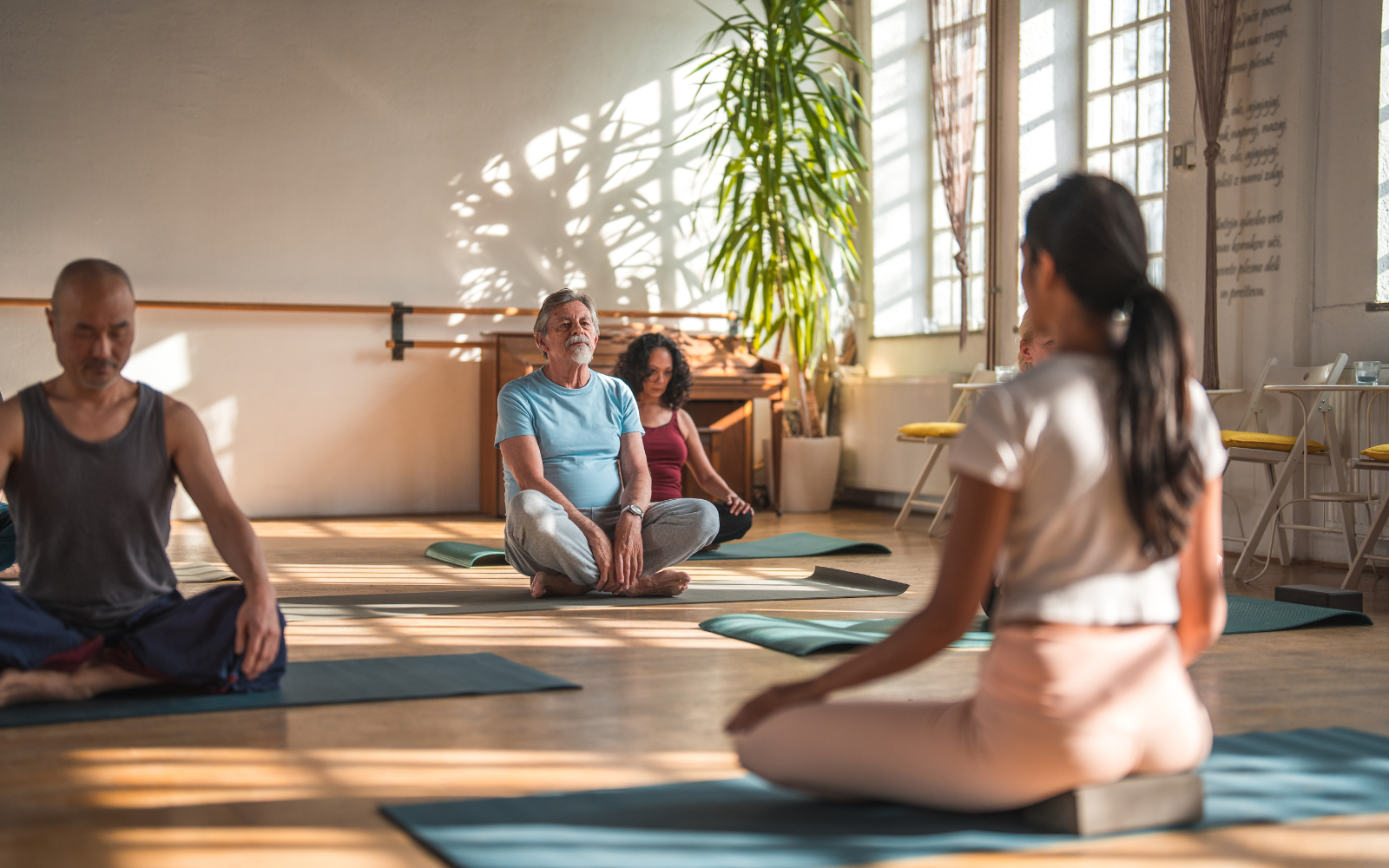
Importance of Yoga Teacher Training in California: Build Skills, Confidence & a Meaningful Career

Yoga has become an important part of wellness for people seeking greater balance, mobility, strength, mindfulness, and stress management. As interest in yoga continues to grow, many practitioners are looking beyond personal practice and considering how they can deepen their knowledge and teach others.

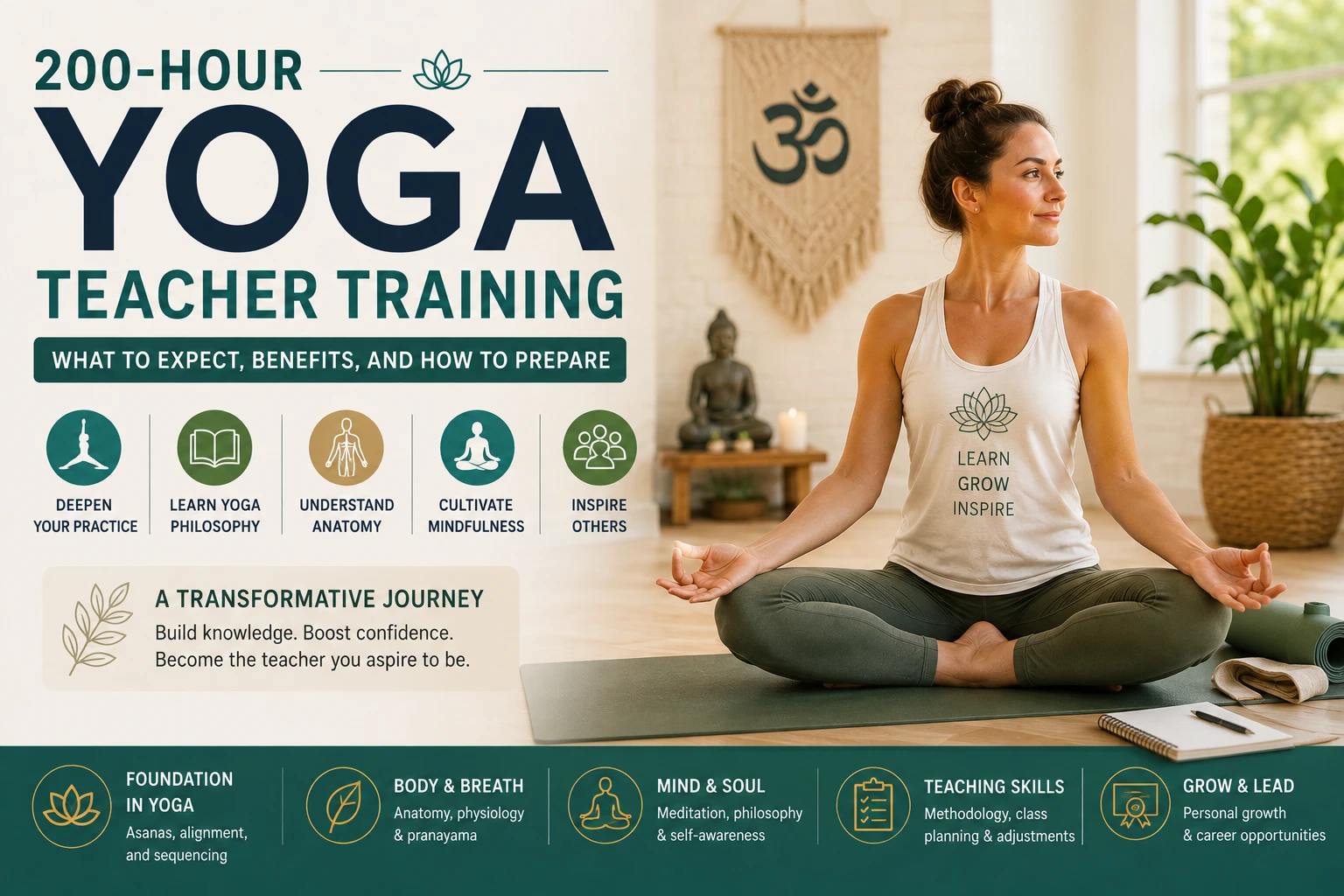
This is where yoga teacher training in California can make a meaningful difference. A structured training program can help aspiring instructors develop teaching skills, understand yoga philosophy, study anatomy, improve their personal practice, and gain the confidence needed to guide different types of students.               

Whether you want to become a professional instructor or simply want to understand yoga on a deeper level, teacher training can provide a strong foundation for your journey.

What Is Yoga Teacher Training?

Yoga teacher training is an educational program designed to help students develop the knowledge and practical skills needed to teach yoga safely and effectively.

A comprehensive program may cover asana practice, breathing techniques, meditation, anatomy and physiology, teaching methodology, yoga philosophy, ethics, sequencing, and hands-on teaching practice.

For example, Yoga Alliance’s current RYS 200 framework includes Techniques, Training & Practice; Anatomy & Physiology; Yoga Humanities; Professional Essentials; and practicum as important components of foundational education.

This means a quality program is about much more than learning how to perform yoga poses.

Why Choose California for Yoga Teacher Training?

California offers a diverse environment for people interested in yoga, wellness, mindfulness, and holistic living. From busy metropolitan communities to quieter coastal and natural settings, students can find different environments in which to learn and practice.

The state’s diverse population can also provide opportunities to understand how yoga can be adapted for people with different goals, experience levels, ages, and physical abilities.

Choosing a training program in California can therefore provide both structured education and exposure to a broad wellness community.

1. Deepen Your Personal Yoga Practice

One of the biggest benefits of teacher training is that you don’t have to begin with the goal of teaching professionally.

Training gives you an opportunity to explore your own practice more deeply. Instead of simply moving through familiar poses, you can learn about alignment, breathing, sequencing, meditation, philosophy, and the purpose behind different practices.

This deeper understanding can help you become more mindful and intentional on the mat.

Yoga Alliance describes teacher training as an opportunity to refine practice, expand knowledge, and develop confidence in sharing yoga with others.

2. Develop Strong Teaching Skills

Being able to practice yoga does not automatically mean being able to teach it.

A good instructor needs to communicate clearly, demonstrate techniques, observe students, offer appropriate guidance, create effective sequences, and adapt instruction when necessary.

Teacher training introduces these skills in a structured environment. Students can practice teaching and receive feedback, helping them gradually become more comfortable leading classes.

This practical experience can be particularly valuable for people who feel nervous about speaking or demonstrating in front of a group.

3. Understand Anatomy and Safe Movement

Understanding the human body is an important part of responsible instruction.

Yoga teacher education commonly includes anatomy and physiology so students can better understand movement, alignment, physical limitations, and appropriate modifications.

This knowledge can help instructors make more informed decisions when designing classes for different participants.

It can also help aspiring teachers recognize that every student has a different body and may require a different approach to a particular posture or movement.

4. Learn Yoga Philosophy Beyond the Physical Practice

Yoga is more than physical postures.

Teacher education can introduce students to the philosophical and historical foundations of yoga, helping them understand the broader tradition behind the physical practice.

Exploring concepts such as mindfulness, self-awareness, ethics, meditation, and yogic philosophy can give students a more complete understanding of what they are practicing and teaching.

This can also help instructors create classes that feel meaningful rather than focusing exclusively on physical movement.

5. Build Confidence as an Instructor

Confidence develops through knowledge, practice, and experience.

A structured training environment allows students to practice teaching before stepping into a professional setting. They can learn how to communicate instructions, manage a class, demonstrate poses, answer questions, and respond to different student needs.

Completing a recognized program can also provide a clear educational pathway for people who want to pursue teaching professionally.

For example, Yoga Alliance states that teachers can obtain the RYT 200 credential after completing a 200-hour training registered with a Registered Yoga School (RYS 200).

6. Create Opportunities for a Yoga Career

For some students, teacher training becomes the beginning of a new professional direction.

After completing appropriate education and meeting applicable requirements, instructors may explore opportunities in yoga studios, wellness centers, fitness facilities, retreats, community programs, private instruction, or online education.

However, becoming a successful instructor involves more than receiving a certificate. Communication, continued learning, professionalism, business knowledge, and building relationships with students can all contribute to long-term success.

Yoga Alliance also offers advanced pathways, including RYT 500 and experienced teacher credentials, allowing educators to continue developing their professional knowledge.

7. Learn How to Work With Different Students

Every yoga student is different.

Some people may be highly experienced, while others may attend their first class with limited mobility or confidence. A good instructor needs to understand how to create an accessible and supportive learning environment.

Teacher training can introduce modifications, teaching techniques, sequencing strategies, and communication methods that help instructors work with different populations.

This can make classes more inclusive and comfortable for students with different experience levels.

8. Connect With a Like-Minded Community

Another valuable part of training is the community you build during the process.

Teacher training brings together people who share an interest in yoga, wellness, personal development, and learning. These connections can continue beyond the classroom.

Peers may become future teaching partners, colleagues, mentors, or professional contacts. A supportive community can also provide encouragement when you begin teaching your first classes.

9. Choose a Program That Matches Your Goals

Not every training program is identical, so it’s important to research your options before enrolling.

Consider factors such as:

  • Curriculum and educational subjects
  • Training hours
  • Instructor experience
  • Teaching methodology
  • Practical teaching opportunities
  • Program format and schedule
  • Philosophy or yoga tradition
  • Certification pathway
  • Continuing education opportunities
  • Student reviews and reputation

If professional registration is important to you, verify the school’s current credentials directly. Yoga Alliance maintains standards for Registered Yoga Schools and requires appropriate educational components and assessment within its programs.

10. A Foundation for Lifelong Learning

Yoga teacher training should not be viewed as the end of your education.

Yoga is a broad discipline, and teachers can continue learning throughout their careers. Advanced training, workshops, specialty programs, anatomy education, meditation studies, and continuing education can all expand an instructor’s knowledge.

Yoga Alliance’s credential pathways also include advanced training and continuing education options for teachers who want to continue developing professionally.

Start Your Yoga Teaching Journey in California

For anyone passionate about yoga, teacher training can be an opportunity to transform personal interest into deeper knowledge, stronger practice, and professional confidence. The right program can help you understand the physical, philosophical, and educational dimensions of yoga while preparing you to guide others responsibly.

If your goal is to become a confident instructor, deepen your personal practice, or explore a meaningful wellness career, consider enrolling in a comprehensive program that matches your learning goals and preferred teaching approach.

A well-structured 200-hour yoga teacher training program can provide the foundation you need to take the next step with greater knowledge and confidence. For aspiring teachers looking for comprehensive education and a pathway toward becoming a qualified yoga instructor, Yoga Education Institute offers a 200-hour program designed to deepen personal practice and develop teaching skills.

Frequently Asked Questions

1. Is yoga teacher training worth it for beginners?

Yes. You do not necessarily need years of teaching experience to begin a foundational program. However, individual schools may have their own prerequisites, so check the requirements before enrolling.

2. How many hours is a basic yoga teacher training program?

A foundational Yoga Alliance RYS 200 program consists of 200 hours of training. Completing an eligible 200-hour program can be used toward the RYT 200 credential requirements.

3. What do you learn in yoga teacher training?

Programs commonly cover yoga practices, anatomy and physiology, teaching methods, yoga philosophy and humanities, professional essentials, and practical teaching experience.

4. Can yoga teacher training become a career?

Yes. After completing appropriate training and meeting applicable credential or professional requirements, graduates can pursue teaching opportunities in studios, wellness centers, private settings, retreats, fitness facilities, and other environments.

5. How do I choose the best yoga teacher training in California?

Compare curriculum, instructors, training hours, teaching practice, schedule, learning format, school credentials, student feedback, and your own career goals. If you want an RYT credential, verify that the program is registered with Yoga Alliance.
Mastering Corpse Pose: A Key Practice in Yoga Teacher Training in California

When people think about yoga, they often picture challenging poses, flowing sequences, or advanced flexibility. But one of the most important postures in a complete yoga practice is also one of the simplest: Corpse Pose, or Savasana. Although the posture looks easy, learning to practice and teach it effectively requires awareness, patience, and a strong understanding of relaxation.

For students pursuing yoga teacher training in California, mastering Savasana can be an important part of developing the skills needed to guide students through a balanced yoga class. A well-taught final relaxation can help students transition from physical movement toward stillness, breathing awareness, and a calmer state of mind.

What Is Corpse Pose?

Corpse Pose is the English translation of Savasana, a Sanskrit term commonly associated with deep relaxation. The practitioner lies comfortably on the back with the legs extended, arms resting beside the body, palms generally facing upward, and the eyes gently closed.

Unlike active yoga postures, Savasana does not require stretching, balancing, or muscular effort. Instead, the goal is to allow the body to become still while maintaining comfortable awareness.

This makes Savasana an important finishing posture after a yoga sequence. It gives students an opportunity to pause and observe how their body and breathing feel after movement.

Why Is Savasana Important in Yoga Teacher Training?

A strong yoga teacher understands that teaching is not simply about demonstrating poses. It also involves creating a safe, comfortable, and meaningful experience for students.

During yoga teacher training in California, students can learn how to structure classes that include preparation, movement, breathing, relaxation, and appropriate transitions. Savasana fits naturally into this approach because it gives students time to integrate their practice.

Learning to teach Corpse Pose can help aspiring instructors develop several important skills:

  • Creating a calm environment
  • Giving clear verbal instructions
  • Understanding relaxation techniques
  • Observing students without unnecessary interruption
  • Managing the transition from active movement to stillness
  • Using appropriate pacing and tone of voice
  • Respecting individual comfort levels

These skills can be valuable for teachers working with beginners as well as experienced practitioners.

How to Practice Corpse Pose Correctly

To practice Savasana, begin by lying on your back on a comfortable yoga mat. Allow your legs to extend naturally and leave some space between the feet. Rest the arms beside the body without forcing them into a particular position.

Close your eyes if that feels comfortable. Let the jaw, shoulders, hands, and facial muscles soften. Bring attention to the natural rhythm of your breathing without trying to control every breath.

The most important part of Savasana is comfort. Students should be encouraged to make adjustments when necessary. A folded blanket beneath the head or knees may provide additional support for some practitioners.

Teachers should also remind students that relaxation does not mean they have to force themselves to stop thinking. Thoughts may come and go naturally. The practice is simply to notice them and gently return attention to breathing or bodily sensations.

Benefits of Practicing Savasana

Corpse Pose can be a valuable part of a balanced yoga session because it encourages physical stillness and mindful awareness.

Some commonly recognized benefits of practicing Savasana include:

1. Encourages Deep Relaxation

After an active sequence, remaining still can help students shift their attention away from physical effort and toward relaxation.

2. Promotes Body Awareness

Savasana gives practitioners time to notice sensations throughout the body. This awareness can help them better understand how movement affects them.

3. Supports Mindfulness

Instead of rushing immediately into the next activity, students have an opportunity to remain present and observe their breathing and thoughts.

4. Completes the Yoga Session

A thoughtful closing posture can make a yoga class feel more balanced. Savasana provides a clear transition between practice and everyday activities.

5. Develops Teaching Skills

For aspiring instructors, learning how to guide relaxation can improve communication, sequencing, timing, and classroom presence.

How Yoga Teachers Can Guide Savasana

Teaching Savasana requires more than simply telling students to lie down. A teacher should use simple, calm instructions and allow enough time for students to settle.

The teacher’s voice should generally be steady and unhurried. Instructions can focus on releasing unnecessary tension, becoming aware of the breath, and allowing the body to remain comfortable.

Teachers should avoid overwhelming students with too many instructions. Silence can also become an important teaching tool. Once students understand the basic guidance, giving them quiet time can allow them to experience the posture independently.

During a yoga teacher training course, aspiring instructors can practice these communication skills and learn how to adapt instructions for different students and class settings.

Savasana in a Complete Yoga Practice

A well-rounded yoga class is not only about difficult poses. It is about creating a thoughtful journey from beginning to end. Students may start with breathing exercises or gentle movements, progress through physical postures, and eventually slow down before entering Savasana.

This progression can help create a natural shift from activity toward rest.

For anyone considering yoga teacher training in California, understanding this complete process is essential. A teacher needs to recognize that relaxation is not an extra feature added at the end of class. It can be an important part of the overall teaching experience. 

Final Thoughts

Corpse Pose may appear simple, but mastering and teaching Savasana requires patience, awareness, communication, and an understanding of how to create a comfortable learning environment. For aspiring instructors, it is a valuable reminder that effective yoga teaching involves both movement and stillness.

If you are exploring professional yoga education, Yoga Education Institute offers flexible yoga teacher training programs, including RYT 200 and other teacher training options, with online and in-person learning opportunities.

Frequently Asked Questions

1. What is Corpse Pose in yoga?

Corpse Pose, also called Savasana, is a relaxation posture in which the practitioner lies comfortably on the back while allowing the body to become still and observing the breath.

2. Why is Savasana important for yoga teachers?

Savasana helps teachers learn how to guide students through relaxation, stillness, breathing awareness, and the transition from physical practice to rest.

3. How long should you stay in Corpse Pose?

The duration can vary depending on the class and the needs of the students. A teacher should allow enough time for students to settle comfortably and experience relaxation without feeling rushed.

4. Can beginners practice Savasana?

Yes. Savasana is generally accessible to beginners because it does not require advanced flexibility or balance. Students can use supportive props when needed to improve comfort.

5. Is Savasana taught in yoga teacher training?

Savasana is commonly addressed as part of yoga teaching, sequencing, relaxation, and class-closing skills. Teacher training can help aspiring instructors understand how to guide students through the posture effectively.

Mountain Pose Key Mistakes and Corrections to Avoid

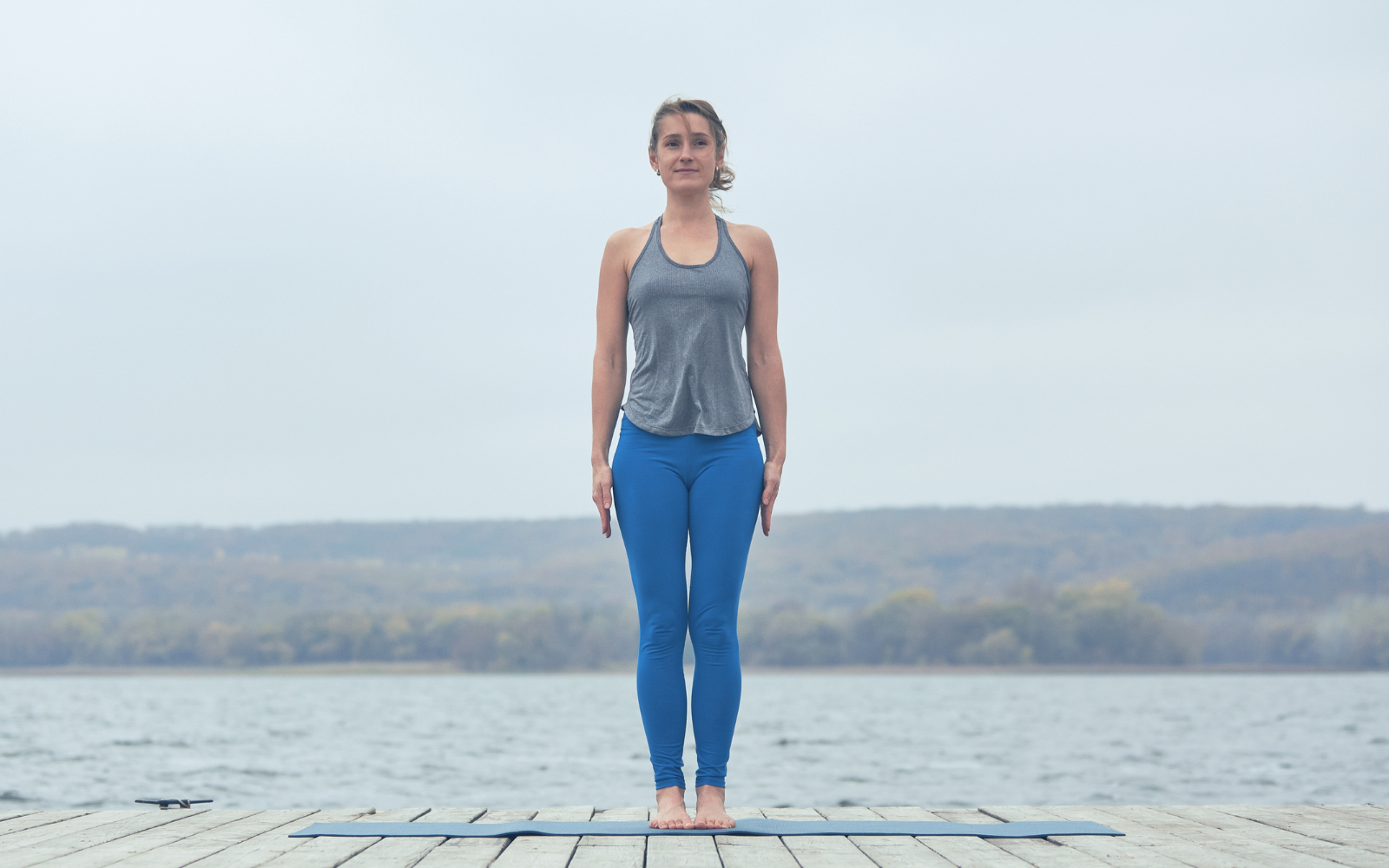
Mountain Pose (Tadasana) may look simple, but it is one of the most important yoga poses for building proper posture and body awareness. Often called the foundation of standing yoga poses, it teaches balance, alignment, and stability. However, many beginners and even experienced practitioners unknowingly perform it incorrectly, which can reduce its benefits and lead to poor posture over time.

Understanding the common mistakes in Mountain Pose and learning the correct alignment can help improve your yoga practice, reduce discomfort, and strengthen your body from the ground up.

Why Mountain Pose Matters

Mountain Pose forms the base for many standing yoga postures. It improves posture, strengthens the legs, enhances body awareness, and promotes steady breathing. When practiced correctly, it creates a sense of stability while encouraging mindful movement.

Whether you’re attending yoga classes or practicing at home, mastering this foundational pose is essential before progressing to more advanced asanas.

Common Mountain Pose Mistakes and How to Correct Them

1. Standing with Poor Foot Placement

One of the biggest mistakes is placing too much weight on the heels or the balls of the feet.

Correction:
Distribute your weight evenly across all four corners of both feet. Keep your toes relaxed and grounded for better stability.

2. Locking the Knees

Many people straighten their legs so much that their knees lock, placing unnecessary pressure on the joints.

Correction:
Keep your legs strong while maintaining a slight softness in the knees. This protects the joints and encourages healthy alignment.

3. Arching the Lower Back

An exaggerated curve in the lower back is a common posture mistake that can lead to discomfort.

Correction:
Gently engage your abdominal muscles and lengthen your tailbone toward the floor. This helps maintain a neutral spine.

4. Rounded Shoulders

Poor posture often causes the shoulders to roll forward, limiting chest expansion.

Correction:
Relax your shoulders away from your ears and gently draw your shoulder blades toward each other without forcing them.

5. Looking Down

Many practitioners lower their heads, affecting spinal alignment.

Correction:
Keep your chin parallel to the floor and look straight ahead with a relaxed neck.

6. Holding Your Breath

Breath awareness is an essential part of yoga, yet many people unconsciously hold their breath.

Correction:
Take slow, deep breaths throughout the pose. Smooth breathing helps improve focus and relaxation.

Benefits of Practicing Mountain Pose Correctly

Correct alignment provides numerous physical and mental benefits, including:

  • Improves posture
  • Strengthens legs and core muscles
  • Enhances body awareness
  • Increases balance and stability
  • Encourages healthy breathing
  • Reduces muscle tension
  • Supports better spinal alignment
  • Builds confidence in standing poses

Although simple, consistent practice can positively affect your overall movement throughout the day.

Tips to Improve Your Alignment

To get the most from your practice:

  • Stand barefoot whenever possible.
  • Practice in front of a mirror.
  • Engage your core gently.
  • Keep your shoulders relaxed.
  • Lengthen your spine without stiffness.
  • Focus on steady breathing.
  • Avoid rushing into advanced poses.
  • Practice daily for a few minutes.

Small adjustments can make a significant difference in your overall posture.

Who Should Practice Mountain Pose?

Mountain Pose is suitable for almost everyone, including:

  • Beginners learning yoga fundamentals
  • Office workers with poor posture
  • Athletes improving body awareness
  • Seniors seeking better balance
  • Yoga teacher trainees
  • Anyone recovering from poor standing habits (with professional guidance)

Because it is gentle and accessible, it fits well into nearly every yoga routine.

Final Thoughts

Mountain Pose reminds us that even the simplest yoga postures require attention and precision. Correct alignment creates a strong foundation for every standing pose while improving posture, stability, and mindful breathing.

By avoiding common mistakes and practicing proper technique, you’ll gain greater confidence and enjoy the full benefits of this essential yoga posture. Whether you’re just beginning or refining your skills, consistent practice will enhance your overall yoga journey.

Conclusion

Mastering Mountain Pose begins with proper alignment, mindful breathing, and regular practice. Paying attention to small corrections can improve posture, balance, and overall body awareness while creating a strong foundation for every yoga session. Learning these fundamentals under experienced guidance can make a lasting difference, and Yoga Education Institute offers comprehensive training to help practitioners deepen their knowledge and practice.

Frequently Asked Questions

1. What is Mountain Pose in yoga?

Mountain Pose, also called Tadasana, is a basic standing yoga posture that improves posture, balance, alignment, and body awareness.

2. Why is Mountain Pose important?

It serves as the foundation for many standing yoga poses and helps develop proper posture, stability, and breathing techniques.

3. What is the most common mistake in Mountain Pose?

Locking the knees, arching the lower back, and uneven weight distribution are among the most common alignment mistakes.

4. Can beginners practice Mountain Pose?

Yes. It is one of the best yoga poses for beginners because it teaches proper posture and balance.

5. How long should I hold Mountain Pose?

Most practitioners hold the pose for 30 seconds to one minute while maintaining steady breathing and correct alignment.

Why a Yoga Alliance-Approved Curriculum Matters for Certification

Choosing the right yoga teacher training program is an important step for anyone who wants to build a strong foundation in yoga and teach others with confidence. With many training options available, students often ask an important question: Why does a Yoga Alliance-approved curriculum matter for certification?

A well-structured program can provide more than knowledge of yoga poses. It can help students understand teaching methods, anatomy, philosophy, ethics, sequencing, and professional responsibilities. A carefully designed yoga teacher training curriculum brings these areas together so aspiring teachers can develop the skills needed for responsible and effective instruction.

What Is a Yoga Alliance-Approved Curriculum?

A yoga alliance approved curriculum is designed around educational standards associated with Yoga Alliance-registered training schools and their teacher-training credentials. These standards help establish a clear framework for learning and teaching yoga.

A comprehensive program typically covers important areas such as yoga techniques, teaching methodology, anatomy and physiology, yoga humanities, professional development, and practical teaching experience.

For students, having a structured learning framework can make the training experience more organized and easier to follow. Instead of learning individual poses without context, trainees can understand how different aspects of yoga connect to teaching and personal practice.

Why Curriculum Quality Matters in Yoga Certification

Certification is more meaningful when students complete training that prepares them for real teaching situations. A quality curriculum gives learners opportunities to study concepts, practice skills, receive feedback, and gradually become more comfortable leading classes.

A strong program can help students learn how to:

  • Demonstrate and explain yoga postures clearly
  • Create balanced and purposeful class sequences
  • Understand basic anatomy related to yoga practice
  • Apply appropriate modifications for different students
  • Develop effective communication and teaching skills
  • Explore yoga philosophy and its relevance to modern life
  • Practice professional and ethical teaching standards
  • Build confidence through supervised teaching experience

This combination of theory and practice is one reason curriculum structure matters when comparing certification programs.

Understanding Yoga Teacher Training Course Materials

Another important part of teacher education is access to reliable yoga teacher training course materials. These resources support learning during and after the training program.

Materials may include manuals, anatomy resources, sequencing guides, philosophy readings, assignments, practice worksheets, teaching templates, and other educational resources. Well-organized materials allow students to review lessons at their own pace and return to important topics when preparing to teach.

Good course resources should complement instructor guidance rather than replace it. Yoga is a practical discipline, so students benefit from combining written study with demonstrations, practice sessions, discussions, and teaching feedback.

Should You Purchase Yoga Teacher Training Curriculum?

People researching yoga education may come across offers to purchase yoga teacher training curriculum online. While ready-made resources can sometimes be useful for educators, students should look beyond simply buying a curriculum.

A complete teacher training experience involves much more than a collection of documents. Students need knowledgeable instructors, practical instruction, opportunities to teach, feedback, and a learning environment that supports professional development.

If you are considering purchasing curriculum materials for teaching purposes, check whether the content is current, comprehensive, clearly organized, and appropriate for the students you intend to train. Also consider whether it aligns with the applicable Yoga Alliance standards if registration or credentialing is part of your goal.

Benefits of Following a Structured Training Program

A structured yoga teacher training curriculum can create a clear learning journey from beginner concepts to teaching practice. This organization can be especially helpful for students who are new to formal yoga education.

The curriculum can also help students connect different areas of study. For example, anatomy knowledge can influence how teachers explain alignment, while teaching methodology can help them communicate those concepts effectively. Yoga philosophy can add depth to classes, while professional development can help new teachers understand their responsibilities.

The goal is not simply to memorize information. It is to develop the knowledge, awareness, communication skills, and practical experience needed to guide students safely and confidently.

Choosing the Right Yoga Teacher Training Program

Before enrolling, prospective students should research the program carefully. Consider the course structure, learning objectives, instructor experience, practical teaching requirements, educational resources, and certification pathway.

Ask whether the program provides enough opportunities to practice teaching and receive constructive feedback. Also check whether the school clearly explains its relationship with Yoga Alliance and what credential students can pursue after completing the required training.

A recognized framework can provide useful structure, but students should also evaluate the overall quality and depth of the educational experience.

FAQs

1. What is a Yoga Alliance-approved curriculum?

It is a curriculum structured to meet the educational requirements associated with Yoga Alliance registration standards. It generally covers areas such as techniques, teaching methodology, anatomy, yoga humanities, and professional development.

2. Why is curriculum important for yoga teacher certification?

A strong curriculum provides an organized pathway for developing knowledge and teaching skills. It helps students move beyond personal practice and prepare for guiding others.

3. What should yoga teacher training course materials include?

Depending on the program, materials may cover anatomy, yoga philosophy, teaching methodology, sequencing, posture techniques, assignments, and practical teaching resources.

4. Can I purchase yoga teacher training curriculum online?

Curriculum resources may be available for purchase, but buying materials alone does not provide the same experience as completing a comprehensive teacher training program with qualified instruction and practical teaching experience.

5. Does Yoga Alliance approval guarantee teaching quality?

A recognized framework can provide educational standards, but students should also evaluate the instructors, teaching approach, practical experience, course resources, and overall reputation of the training school.

Conclusion

A quality yoga alliance approved curriculum can give aspiring teachers a structured foundation for developing knowledge and practical teaching abilities. From anatomy and philosophy to sequencing and teaching methodology, each part of training can contribute to becoming a more confident and responsible yoga instructor.

If you are looking for a structured path toward yoga teacher education and certification, explore the programs and resources available through Yoga Education Institute.

Top Yoga Poses to Improve Flexibility and Posture

In today’s busy lifestyle—especially for professionals and wellness seekers in Woodland Hills, CA—poor posture and limited flexibility have become common concerns. Long sitting hours, screen time, and stress can tighten muscles and misalign the spine. The good news? A consistent yoga practice can gently restore balance.

Yoga combines mindful stretching, breath awareness, and muscle engagement to improve mobility, posture, and overall well-being. Research shows that regular yoga practice enhances range of motion, reduces muscle tension, and supports better posture alignment.

Let’s explore the most effective yoga poses that can transform your flexibility and posture naturally.

Why Flexibility and Posture Matter

Flexibility allows your joints to move freely, while good posture keeps your spine aligned and reduces strain. When muscles are tight, posture suffers—leading to discomfort in the neck, shoulders, and lower back.

Yoga helps by:

1. Downward-Facing Dog (Adho Mukha Svanasana)

This foundational pose stretches the entire body—especially hamstrings, calves, shoulders, and spine.

Benefits:

  • Improves full-body flexibility
  • Relieves back stiffness
  • Enhances posture by elongating the spine

Tip: Keep your knees slightly bent if your hamstrings are tight.

2. Cat-Cow Pose (Marjaryasana-Bitilasana)

A gentle flow between two poses that mobilizes the spine.

Benefits:

  • Increases spinal flexibility
  • Improves posture awareness
  • Releases tension in neck and shoulders

Practice Insight: Move slowly with your breath for maximum benefit.

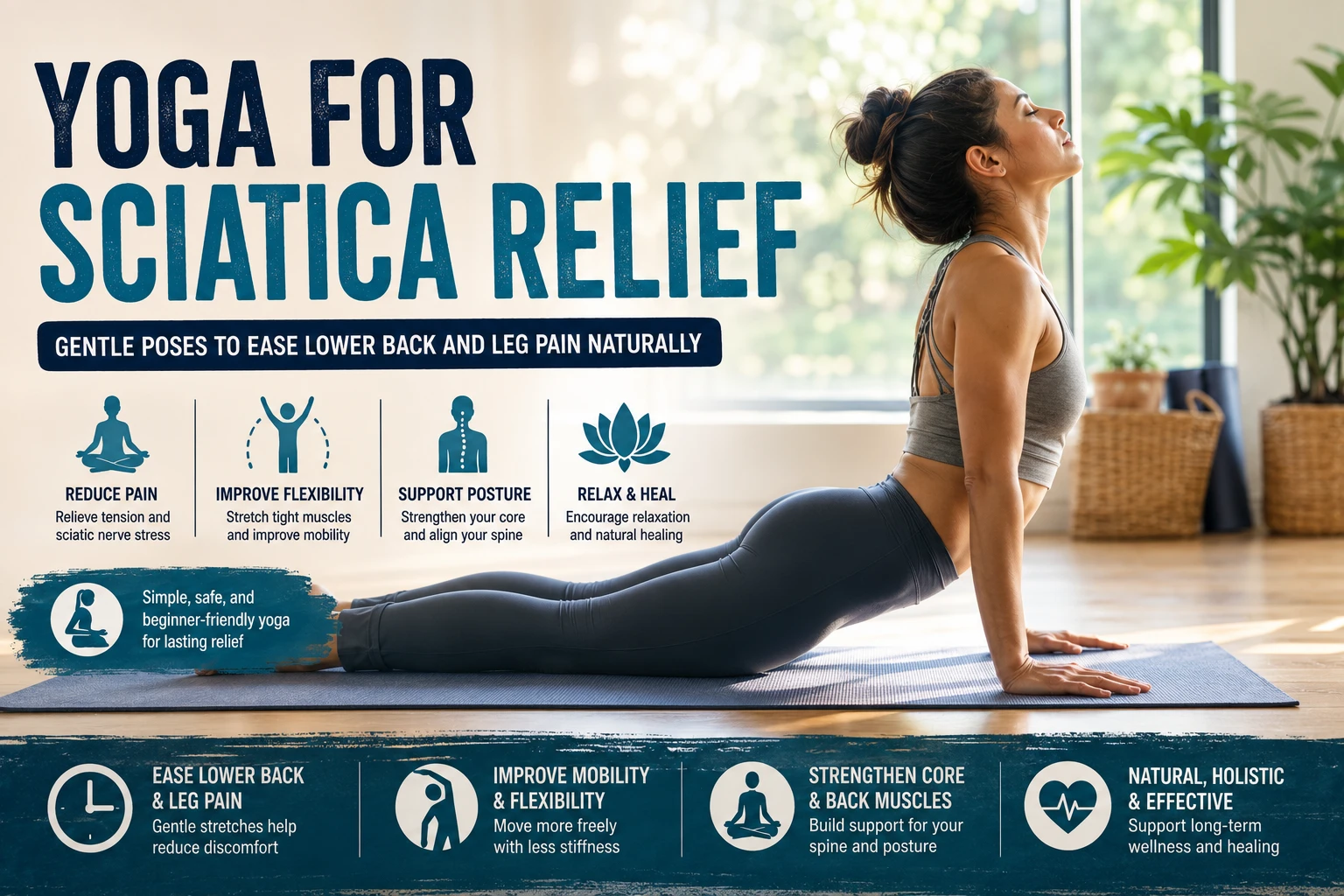
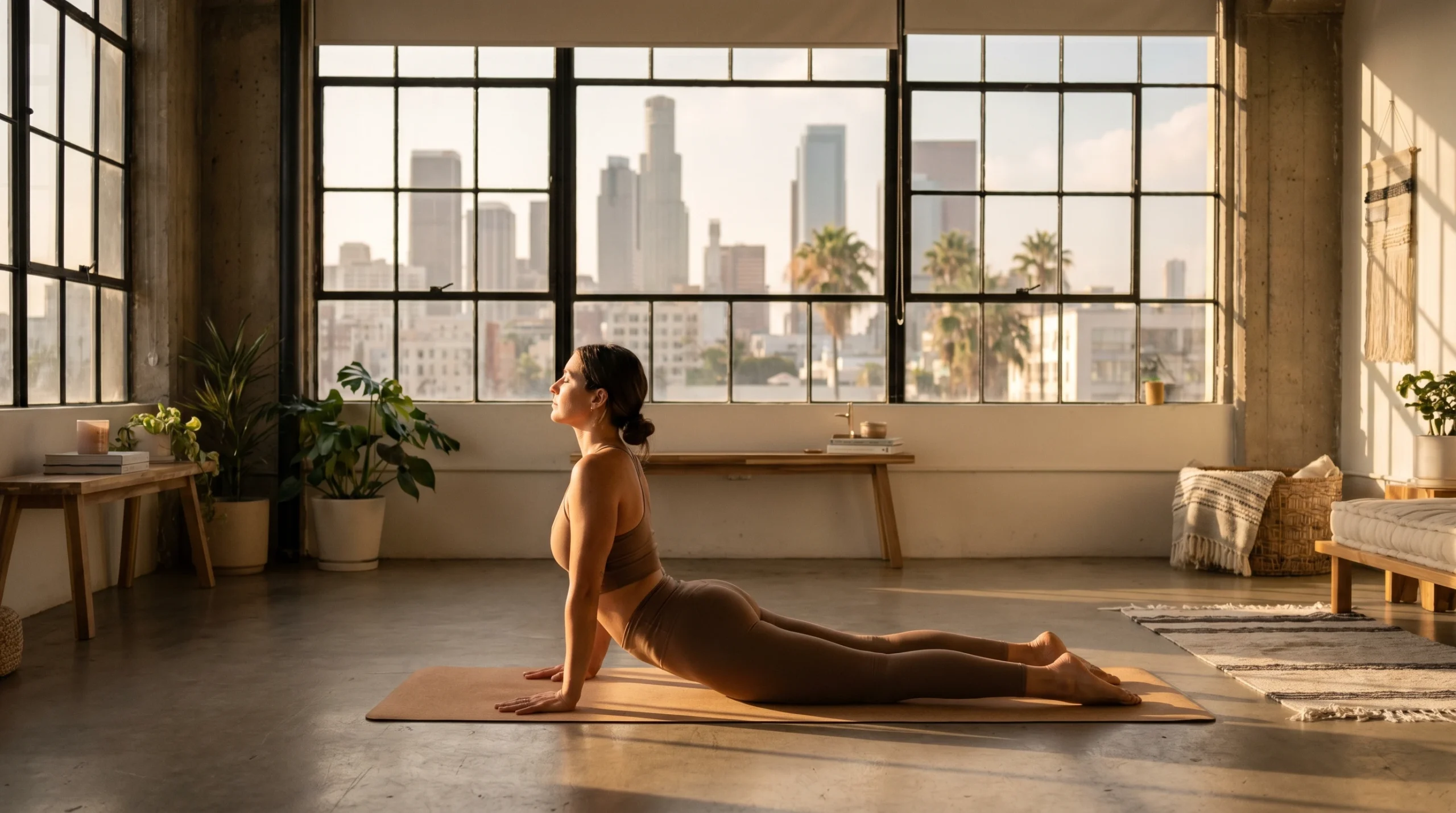
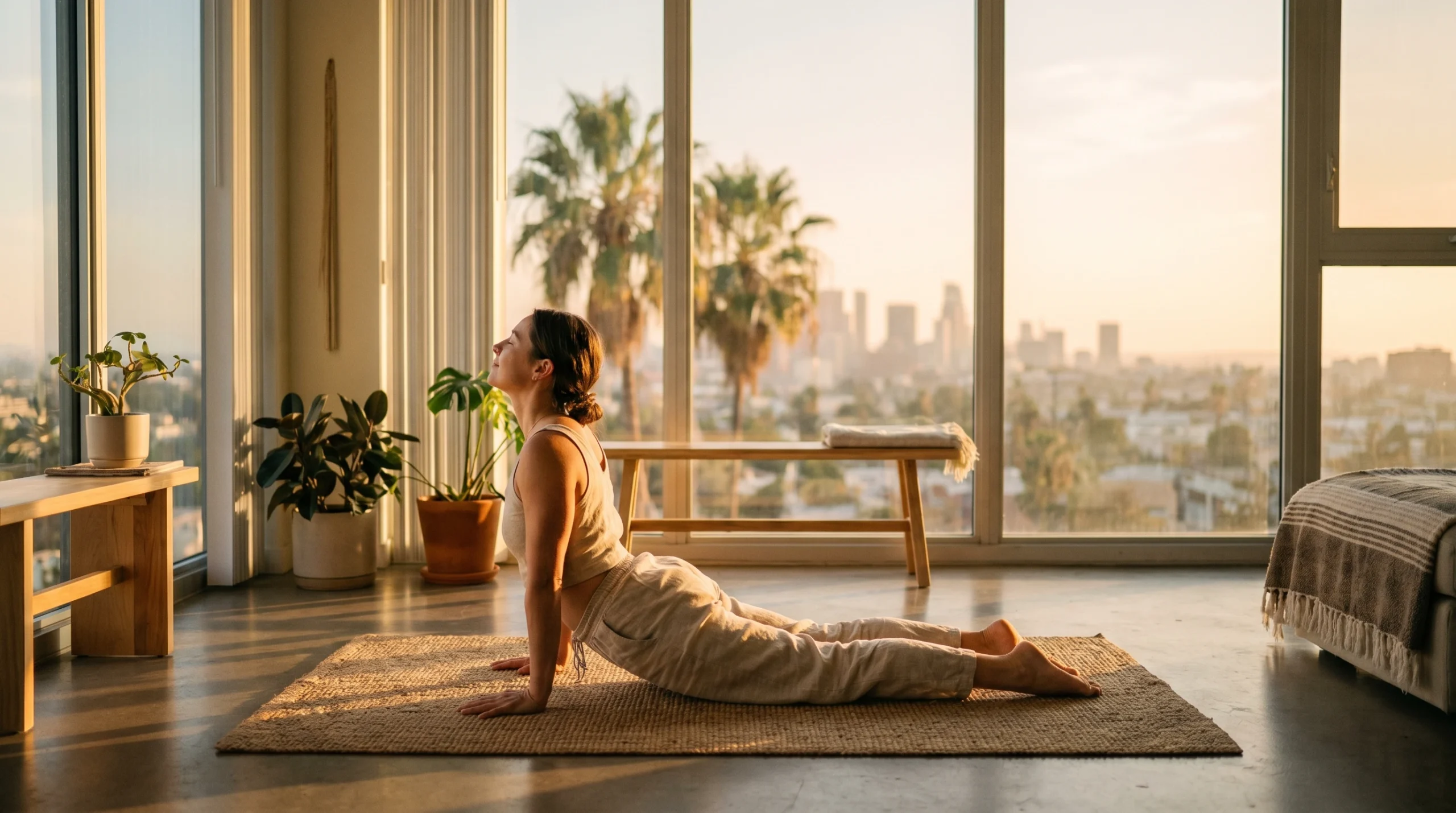
3. Cobra Pose (Bhujangasana)

A powerful backbend that opens the chest and strengthens the spine.

Benefits:

  • Counteracts slouching
  • Strengthens lower back muscles
  • Improves posture alignment

Backbends like Cobra are especially helpful for reversing the effects of prolonged sitting.

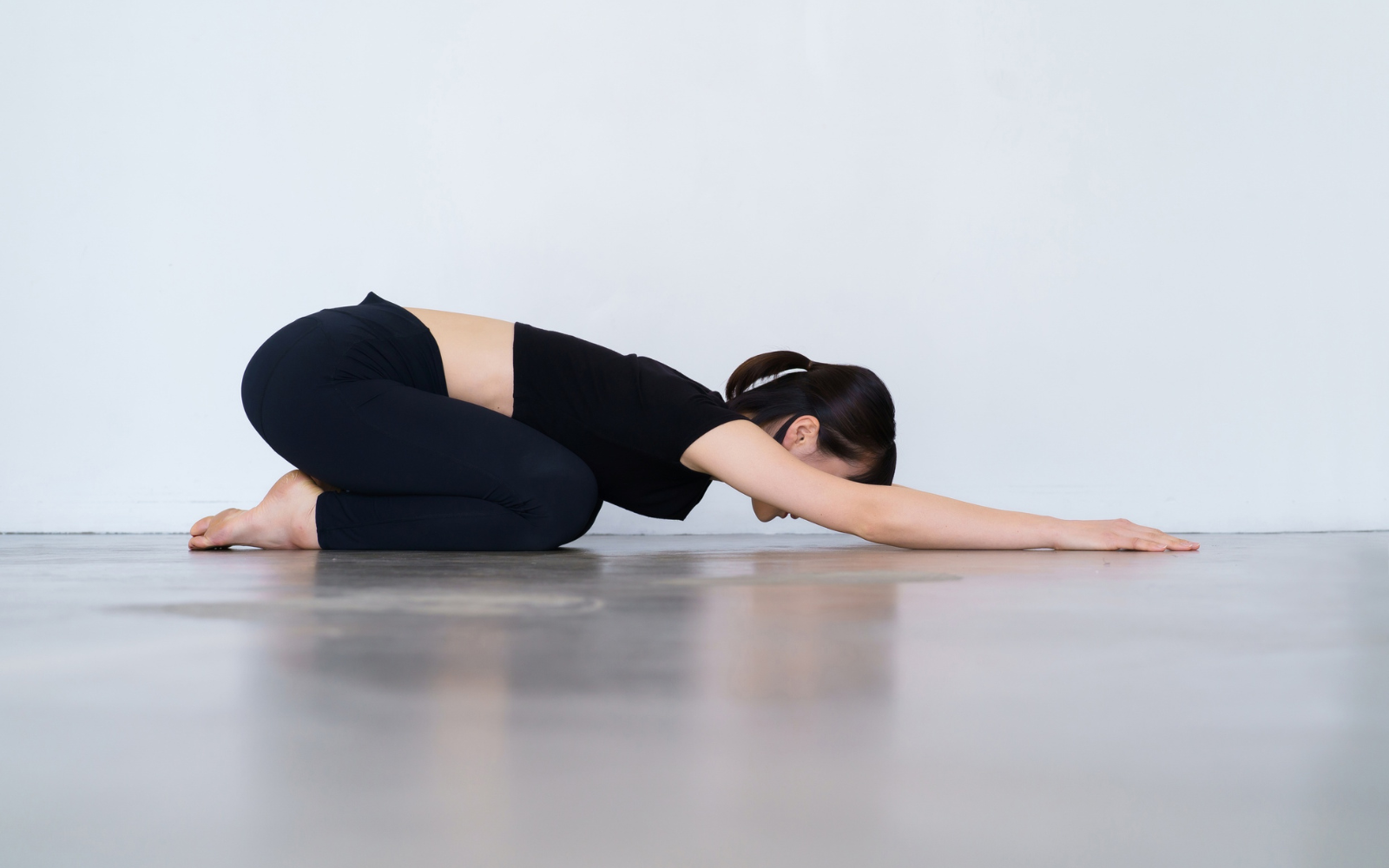
4. Child’s Pose (Balasana)

A restorative posture that gently stretches the back and hips.

Benefits:

Perfect for beginners or as a recovery pose.

5. Standing Forward Fold (Uttanasana)

A deep stretch for hamstrings and spine.

Benefits:

  • Improves flexibility in the posterior chain
  • Reduces stiffness in lower back
  • Encourages proper spinal alignment

Consistency with forward bends improves mobility over time.

6. Low Lunge (Anjaneyasana)

Targets hip flexors, which are often tight due to sitting.

Benefits:

  • Opens hips and improves posture
  • Enhances balance and flexibility
  • Reduces lower back strain

Hip flexibility plays a key role in maintaining upright posture.

7. Mountain Pose (Tadasana)

Though simple, this is the foundation of proper posture.

Benefits:

Trainer Tip: Stand tall, engage your core, and align ears over shoulders.

8. Bridge Pose (Setu Bandhasana)

A gentle backbend that strengthens and stretches simultaneously.

Benefits:

  • Opens chest and shoulders
  • Strengthens glutes and lower back
  • Improves spinal flexibility

This pose is excellent for counteracting desk posture.

9. Seated Forward Bend (Paschimottanasana)

A calming stretch for the entire back body.

Benefits:

  • Lengthens spine and hamstrings
  • Improves digestion and relaxation
  • Enhances flexibility gradually

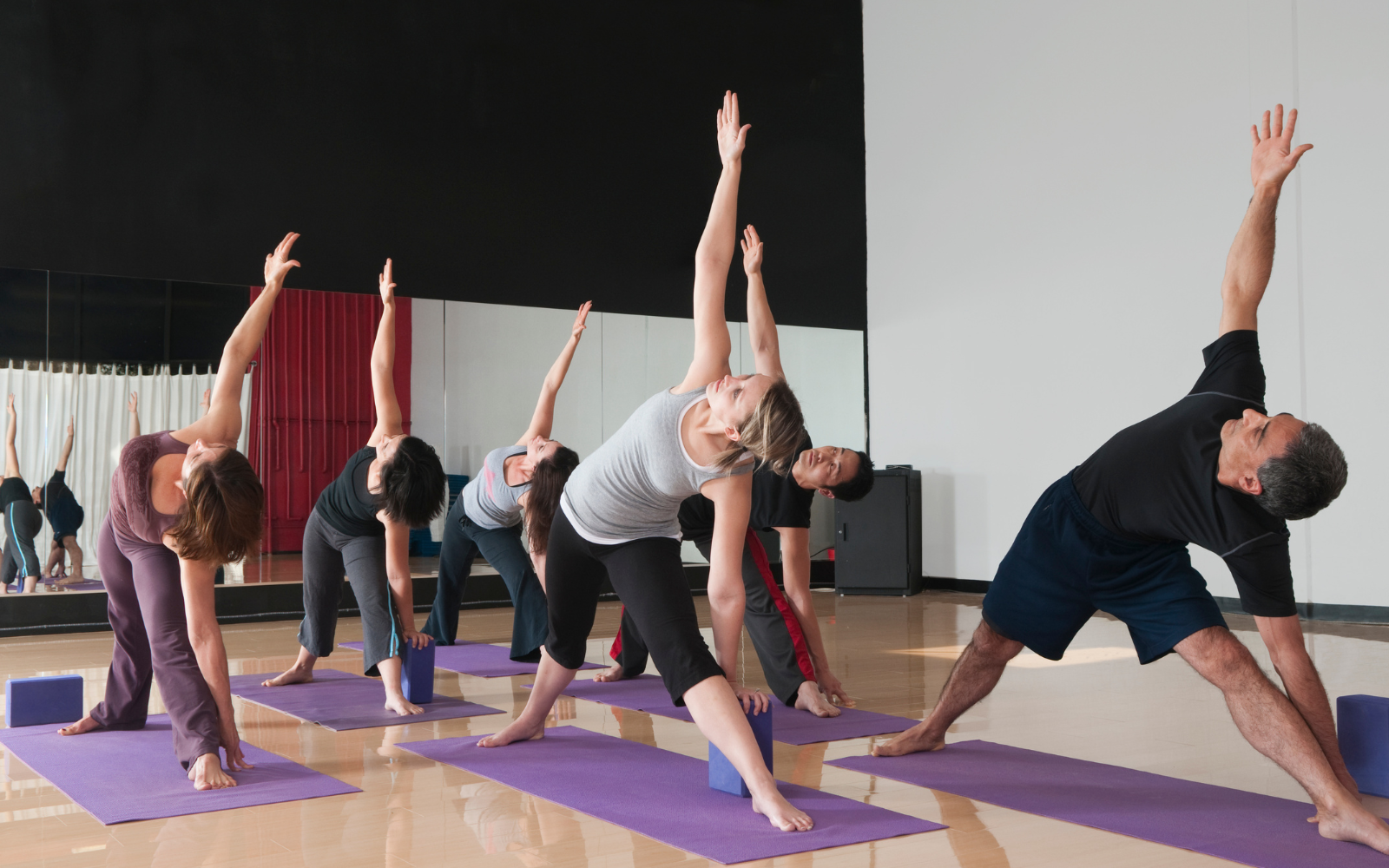
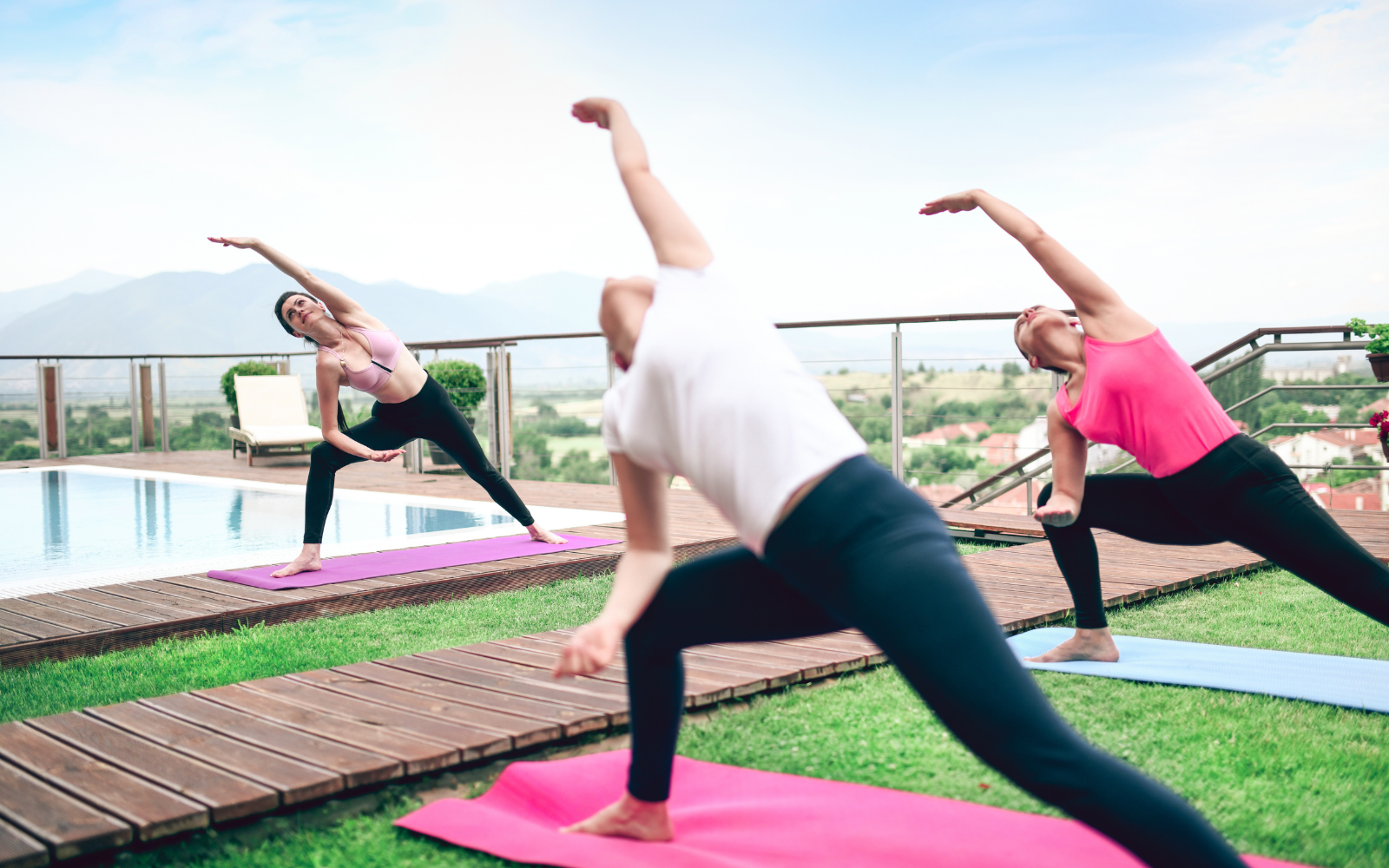
10. Triangle Pose (Trikonasana)

A standing pose that builds strength and flexibility.

Benefits:

  • Stretches hips, hamstrings, and spine
  • Improves balance and posture
  • Enhances body coordination

Tips for Practicing Yoga Safely

  • Move slowly and avoid forcing stretches
  • Focus on breath and alignment
  • Use props like blocks or straps if needed
  • Practice consistently (10–20 minutes daily can make a difference)

Remember, flexibility improves with consistency—not intensity.

Final Thoughts

Improving flexibility and posture is not about achieving perfect poses—it’s about creating balance in the body. With regular practice, these yoga poses can help you move freely, stand taller, and feel more confident in your daily life.

If you’re in Woodland Hills, CA and looking to deepen your practice or become a certified instructor, explore professional training programs at https://yogaeducation.org/ to take your yoga journey to the next level.

Yoga for Back Pain: Does It Really Work (Los Angeles Guide)

Does Yoga Help Back Pain in Los Angeles?

Back pain is one of the most common problems people deal with in Los Angeles. Long commutes, desk jobs, and constant screen time all add pressure to the spine. Many people rely on temporary solutions, but the pain keeps coming back.

So the real question is: does yoga actually help with back pain?

The answer is yes. When practiced correctly, yoga can help reduce pain, improve posture, and strengthen the body over time.

If you are new to yoga, you can explore structured beginner guidance through an online yoga teacher training program.

How Yoga Helps with Back Pain

Yoga focuses on the root causes of pain rather than offering only short-term relief. It supports the body through movement, awareness, and breathing.

Improves Flexibility

Tight muscles in the back, hips, and legs are a major cause of discomfort. Yoga stretches these areas and helps reduce stiffness over time.

Builds Strength

Weak core and back muscles often lead to poor posture and extra strain on the spine. Yoga strengthens these muscles and helps support the back more effectively.

Improves Posture

Sitting for long hours is common in Los Angeles. Yoga helps improve posture and reduce pressure on the lower back by training the body to move and sit better.

Reduces Stress

Stress can increase muscle tension and make back pain worse. Yoga includes breathing techniques that help relax both the body and the mind.

Yoga for back pain Los Angeles beginner stretching routine

Best Yoga Poses for Back Pain

These beginner-friendly yoga poses are often used to support back pain relief:

  • Child’s Pose
  • Cat-Cow Stretch
  • Downward Dog
  • Cobra Pose
  • Bridge Pose

If you want a deeper understanding of how yoga works step by step, you can review this yoga training curriculum.

When Yoga Works Best for Back Pain

Yoga is often effective for:

  • Mild to moderate back pain
  • Pain caused by poor posture
  • Muscle stiffness and tightness

It works best when practiced consistently over time instead of only once in a while.

When to Be Careful

Yoga is not a replacement for medical care in serious situations. You should be cautious if you have:

  • Severe or sharp pain
  • Spine injuries
  • Chronic conditions

In these cases, it is better to begin with guided programs instead of random practice.

Beginner yoga poses for back pain relief at home

Yoga Classes in Los Angeles for Back Pain

Los Angeles offers many yoga options, but not all classes are beginner-friendly. Choosing a structured learning path is important, especially if your goal is long-term improvement rather than short-term relief.

If you want to go beyond basic practice and fully understand yoga, explore certified yoga teacher training.

This can also open the door to turning yoga into a career.

How to Start Yoga for Back Pain

Keep your approach simple:

  • Start with beginner-level sessions
  • Practice 3 times per week
  • Focus on slow, controlled movements
  • Avoid pushing too hard

Consistency is the key to results.

Online vs Studio Yoga

Studio classes provide real-time correction and guidance. Online programs offer flexibility and convenience. Many people in Los Angeles combine both for better results.

Why Back Pain Is So Common in Los Angeles

Back pain in Los Angeles is often connected to daily lifestyle habits, including:

  • Long hours of sitting
  • Driving every day
  • Busy and stressful schedules

Yoga works well because it fits into daily life without requiring major lifestyle changes.

Why This Matters for Search and User Experience

People searching online often want clear answers to practical questions such as:

  • Does yoga help back pain?
  • What are the best yoga poses for back pain?
  • How can beginners start safely?

Clear, structured answers like these help readers quickly find what they need and improve visibility in modern AI-based search systems.

Final Thoughts

Yoga can be a powerful and natural way to relieve back pain, especially for people living a fast-paced Los Angeles lifestyle. By improving flexibility, posture, strength, and stress management, yoga addresses many of the root causes of discomfort.

Start simple, stay consistent, and choose beginner-friendly guidance. Over time, small regular sessions can lead to noticeable improvement.

Frequently Asked Questions

Does yoga really help with back pain?

Yes. Yoga improves flexibility, strength, and posture, which helps reduce back pain.

How long does it take to see results?

Most people notice improvement within a few weeks of regular practice.

Which yoga is best for back pain?

Gentle styles like Hatha yoga are usually best for beginners.

Can beginners safely do yoga for back pain?

Yes. Beginner-friendly yoga is generally safe when done correctly and gradually.

How often should I practice yoga?

Practicing 3 to 4 times per week is enough for consistent improvement.

How Should a Beginner Start Yoga?

Starting yoga as a beginner can feel overwhelming, but the truth is—it’s one of the most accessible and rewarding practices for both body and mind. Whether you’re in Woodland Hills, CA, or anywhere else, you don’t need flexibility or prior experience to begin. You just need the right approach.

In this beginner-friendly guide, you’ll learn how to start yoga safely, build consistency, and create a sustainable routine.

Why Yoga is Perfect for Beginners

Yoga is more than just stretching—it improves strength, flexibility, balance, and mental clarity. Regular practice can enhance mobility and posture and reduce stress levels over time. 

For beginners, yoga helps:

  • Improve flexibility and body awareness
  • Build strength gradually
  • Reduce stress and anxiety
  • Support better posture and breathing

The key is to start simple and stay consistent.

Step 1: Choose the Right Type of Yoga

Not all yoga styles are beginner-friendly. Starting with the right type will make your journey smoother.

Best styles for beginners:

  • Hatha Yoga – slow-paced and ideal for learning basics
  • Yin Yoga – focuses on deep stretching and relaxation
  • Restorative Yoga – great for stress relief and recovery

Avoid intense styles like Ashtanga or power yoga in the beginning, as they can feel overwhelming. 

Step 2: Learn Basic Yoga Poses

You don’t need to learn dozens of poses. Focus on a few foundational ones:

  • Child’s Pose (relaxation and recovery)
  • Downward Dog (full-body stretch)
  • Mountain Pose (posture and alignment)
  • Cat-Cow (spinal flexibility)
  • Warrior I & II (strength and balance)

These poses form the base of most yoga routines and help you build confidence early on. 

Step 3: Focus on Breathing

Breathing is what separates yoga from regular exercise. Proper breathing improves focus and helps your body relax into poses.

A simple technique for beginners:

  • Inhale through your nose
  • Exhale slowly through your nose
  • Keep your breath steady and controlled

Many beginners overlook this, but breath control is essential for progress and safety.

Step 4: Start with Short Sessions

You don’t need hour-long classes to begin. In fact, shorter sessions are more effective for building a habit.

Start with:

  • 15–20 minutes per session
  • 3–4 times per week

Consistency matters more than intensity. Even short sessions can improve flexibility and strength over time.

Step 5: Practice at Home or Join a Class

If you’re in Woodland Hills, CA, you have two great options:

Practice at Home

  • Use beginner-friendly YouTube videos
  • Follow guided routines
  • Practice in a quiet, comfortable space

Join a Local Studio

  • Get guidance from certified instructors
  • Learn correct posture and alignment
  • Stay motivated with a community

For beginners, combining both options works best.

Step 6: Use Basic Yoga Equipment

You don’t need expensive gear to start yoga. Keep it simple:

  • Yoga mat (for grip and comfort)
  • Comfortable clothing
  • Optional: yoga blocks or straps

Many beginners start with just a mat and gradually add accessories.

Step 7: Listen to Your Body

One of the biggest mistakes beginners make is pushing too hard.

Remember:

  • Yoga is not about perfection
  • Avoid pain—stretch, don’t strain
  • Take breaks when needed

Progress in yoga is gradual, and patience is key.

Common Beginner Mistakes to Avoid

  • Skipping warm-up or cool-down
  • Comparing yourself to others
  • Ignoring breathing techniques
  • Practicing inconsistently

Yoga is a personal journey—focus on your own progress.

How Long Does It Take to See Results?

With regular practice, beginners may notice:

  • Improved flexibility in 2–4 weeks
  • Better posture and strength in 4–8 weeks
  • Reduced stress almost immediately

Consistency is the most important factor for long-term benefits. 

Final Thoughts

Starting yoga as a beginner doesn’t require perfection—it requires patience, consistency, and awareness. Begin with simple poses, focus on breathing, and build a routine that fits your lifestyle in Woodland Hills, CA.

For deeper learning, structured programs, and expert guidance, visit Yoga Education Institute at:
👉 https://yogaeducation.org/

They provide valuable resources for beginners looking to build a strong foundation and advance safely in their yoga journey.