

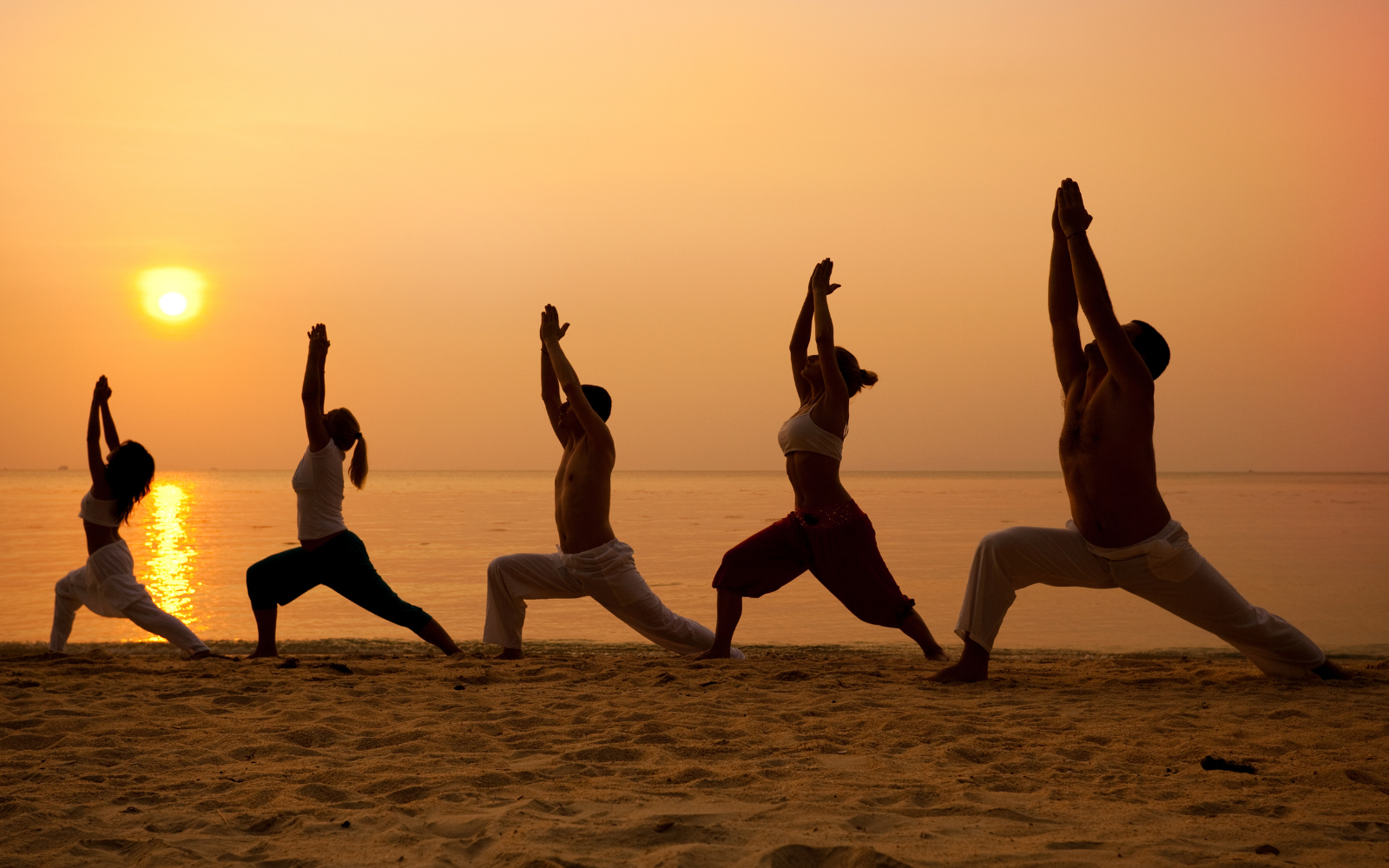
Yoga has transformed remarkably over thousands of years, evolving from a spiritual discipline practiced by ancient sages into one of the world’s most popular forms of exercise and wellness. Today, millions of people practice yoga for flexibility, strength, stress relief, and overall well-being. Understanding the evolution of yoga helps us appreciate how this ancient tradition continues to adapt while preserving its core principles.
What Is Yoga?
The word “yoga” comes from the Sanskrit root yuj, meaning “to unite” or “to join.” Traditionally, yoga was designed to create harmony between the mind, body, and spirit. It encompasses physical postures, breathing techniques, meditation, and ethical practices that promote holistic health.
In the modern era, yoga has become synonymous with fitness, mindfulness, and healthy living. However, its roots extend far beyond exercise and stretch back thousands of years.
The Ancient Origins of Yoga
Yoga’s history dates back over 5,000 years to ancient India. Archaeological discoveries from the Indus Valley Civilization suggest that early forms of yoga may have existed as far back as 3000 BCE.
The earliest written references to yoga appear in the Vedas, ancient sacred texts that contain spiritual teachings and rituals. During this period, yoga focused primarily on meditation, self-discipline, and spiritual growth rather than physical exercise.
Ancient yogis sought enlightenment through practices that cultivated inner awareness and mental clarity. The goal was to transcend worldly distractions and achieve a deeper connection with the self and the universe.
The Classical Period of Yoga
One of the most significant milestones in yoga’s evolution was the creation of the Yoga Sutras by the sage Patanjali around 200 BCE. These texts systematized yoga philosophy and introduced the concept of the Eight Limbs of Yoga.
The Eight Limbs include:
- Ethical disciplines (Yamas)
- Personal observances (Niyamas)
- Physical postures (Asanas)
- Breath control (Pranayama)
- Sense withdrawal (Pratyahara)
- Concentration (Dharana)
- Meditation (Dhyana)
- Enlightenment (Samadhi)
Interestingly, physical postures occupied only a small part of classical yoga. The primary focus remained on meditation, mental discipline, and spiritual awakening.
The Rise of Hatha Yoga
Between the 9th and 15th centuries, yoga underwent another major transformation with the development of Hatha Yoga. This branch emphasized physical postures and breathing techniques as tools for preparing the body and mind for meditation.
Hatha Yoga introduced many of the yoga poses practiced today. Ancient texts such as the Hatha Yoga Pradipika described techniques designed to improve health, increase vitality, and cultivate inner balance.
This period marked a shift toward recognizing the body’s role in achieving mental and spiritual well-being.
Yoga’s Journey to the West
Yoga began gaining international attention during the late 19th and early 20th centuries. Influential teachers traveled from India to Europe and North America, sharing yogic philosophy and practices with new audiences.
As yoga spread globally, it adapted to different cultural contexts. Western practitioners became particularly interested in yoga’s physical benefits, including flexibility, strength, posture improvement, and stress management.
This growing interest laid the foundation for the modern yoga movement.
Modern Yoga as Exercise
Today, yoga is widely recognized as an effective form of exercise that supports both physical and mental health. Modern yoga classes often focus on movement, fitness, and relaxation while incorporating elements of traditional breathing and mindfulness practices.
Popular styles include:
Vinyasa Yoga
Vinyasa Yoga links breath with movement in a flowing sequence of poses. It is popular among individuals seeking a dynamic workout that improves cardiovascular fitness and flexibility.
Power Yoga
Power Yoga is a vigorous, fitness-oriented style that builds strength, endurance, and muscle tone. It appeals to those looking for a challenging exercise routine.
Yin Yoga
Yin Yoga involves holding poses for extended periods to target deep connective tissues and enhance flexibility while promoting relaxation.
Restorative Yoga
Restorative Yoga uses props and gentle postures to encourage deep rest, stress relief, and recovery.
Hot Yoga
Practiced in a heated room, Hot Yoga aims to increase flexibility and promote sweating while enhancing physical endurance.
Benefits of Modern Yoga
The popularity of yoga continues to grow because of its wide-ranging benefits:
Improved Flexibility
Regular yoga practice increases joint mobility and muscle flexibility, helping reduce stiffness and improve movement quality.
Enhanced Strength
Many yoga poses engage multiple muscle groups simultaneously, building functional strength and stability.
Better Mental Health
Yoga encourages mindfulness and relaxation, which can help reduce stress, anxiety, and emotional tension.
Improved Balance and Posture
Yoga strengthens core muscles and enhances body awareness, leading to better posture and balance.
Increased Energy Levels
Combining movement, breathwork, and meditation can boost energy and improve overall vitality.
Better Sleep Quality
Many practitioners report improved sleep patterns due to yoga’s calming effects on the nervous system.
Technology and the Future of Yoga
The digital age has further transformed yoga. Online yoga classes, mobile apps, virtual teacher training programs, and live-streamed sessions have made yoga accessible to people worldwide.
Technology allows practitioners to learn from experienced instructors regardless of location, making yoga more inclusive than ever before.
At the same time, there is growing interest in preserving yoga’s traditional roots by integrating philosophy, meditation, and mindfulness into modern practice. This balance between tradition and innovation is likely to shape yoga’s future.
Why Yoga Remains Relevant Today
Despite its evolution, yoga continues to offer timeless benefits. Whether practiced for spiritual growth, stress relief, fitness, or overall wellness, yoga provides tools that help individuals navigate the challenges of modern life.
Its adaptability is one of its greatest strengths. Yoga can be modified for beginners, athletes, seniors, children, and individuals with varying fitness levels, making it one of the most accessible forms of exercise available.
Conclusion
The evolution of yoga from an ancient spiritual practice to a modern exercise phenomenon demonstrates its enduring value and versatility. While contemporary yoga often emphasizes physical fitness, its deeper principles of mindfulness, balance, and self-awareness remain at its core. By embracing both its traditional wisdom and modern applications, yoga continues to inspire millions of people on their journey toward better health and well-being.
For those looking to deepen their knowledge and practice, the Yoga Education Institute offers comprehensive yoga training programs designed to connect traditional yogic wisdom with modern teaching methodologies.