

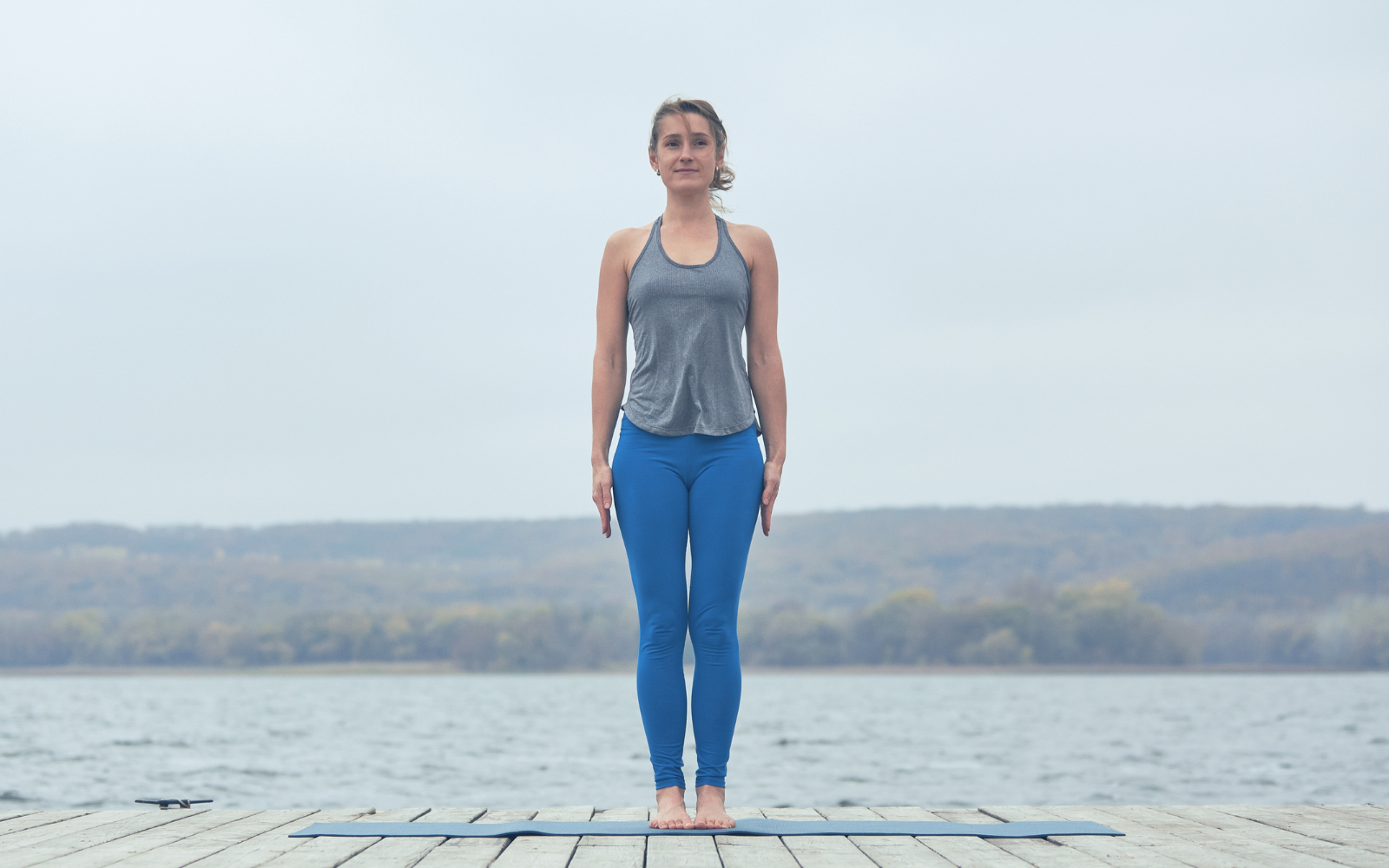
Mountain Pose (Tadasana) may look simple, but it is one of the most important yoga poses for building proper posture and body awareness. Often called the foundation of standing yoga poses, it teaches balance, alignment, and stability. However, many beginners and even experienced practitioners unknowingly perform it incorrectly, which can reduce its benefits and lead to poor posture over time.
Understanding the common mistakes in Mountain Pose and learning the correct alignment can help improve your yoga practice, reduce discomfort, and strengthen your body from the ground up.
Why Mountain Pose Matters
Mountain Pose forms the base for many standing yoga postures. It improves posture, strengthens the legs, enhances body awareness, and promotes steady breathing. When practiced correctly, it creates a sense of stability while encouraging mindful movement.
Whether you’re attending yoga classes or practicing at home, mastering this foundational pose is essential before progressing to more advanced asanas.
Common Mountain Pose Mistakes and How to Correct Them
1. Standing with Poor Foot Placement
One of the biggest mistakes is placing too much weight on the heels or the balls of the feet.
Correction:
Distribute your weight evenly across all four corners of both feet. Keep your toes relaxed and grounded for better stability.
2. Locking the Knees
Many people straighten their legs so much that their knees lock, placing unnecessary pressure on the joints.
Correction:
Keep your legs strong while maintaining a slight softness in the knees. This protects the joints and encourages healthy alignment.
3. Arching the Lower Back
An exaggerated curve in the lower back is a common posture mistake that can lead to discomfort.
Correction:
Gently engage your abdominal muscles and lengthen your tailbone toward the floor. This helps maintain a neutral spine.
4. Rounded Shoulders
Poor posture often causes the shoulders to roll forward, limiting chest expansion.
Correction:
Relax your shoulders away from your ears and gently draw your shoulder blades toward each other without forcing them.
5. Looking Down
Many practitioners lower their heads, affecting spinal alignment.
Correction:
Keep your chin parallel to the floor and look straight ahead with a relaxed neck.
6. Holding Your Breath
Breath awareness is an essential part of yoga, yet many people unconsciously hold their breath.
Correction:
Take slow, deep breaths throughout the pose. Smooth breathing helps improve focus and relaxation.
Benefits of Practicing Mountain Pose Correctly
Correct alignment provides numerous physical and mental benefits, including:
- Improves posture
- Strengthens legs and core muscles
- Enhances body awareness
- Increases balance and stability
- Encourages healthy breathing
- Reduces muscle tension
- Supports better spinal alignment
- Builds confidence in standing poses
Although simple, consistent practice can positively affect your overall movement throughout the day.
Tips to Improve Your Alignment
To get the most from your practice:
- Stand barefoot whenever possible.
- Practice in front of a mirror.
- Engage your core gently.
- Keep your shoulders relaxed.
- Lengthen your spine without stiffness.
- Focus on steady breathing.
- Avoid rushing into advanced poses.
- Practice daily for a few minutes.
Small adjustments can make a significant difference in your overall posture.
Who Should Practice Mountain Pose?
Mountain Pose is suitable for almost everyone, including:
- Beginners learning yoga fundamentals
- Office workers with poor posture
- Athletes improving body awareness
- Seniors seeking better balance
- Yoga teacher trainees
- Anyone recovering from poor standing habits (with professional guidance)
Because it is gentle and accessible, it fits well into nearly every yoga routine.
Final Thoughts
Mountain Pose reminds us that even the simplest yoga postures require attention and precision. Correct alignment creates a strong foundation for every standing pose while improving posture, stability, and mindful breathing.
By avoiding common mistakes and practicing proper technique, you’ll gain greater confidence and enjoy the full benefits of this essential yoga posture. Whether you’re just beginning or refining your skills, consistent practice will enhance your overall yoga journey.
Conclusion
Mastering Mountain Pose begins with proper alignment, mindful breathing, and regular practice. Paying attention to small corrections can improve posture, balance, and overall body awareness while creating a strong foundation for every yoga session. Learning these fundamentals under experienced guidance can make a lasting difference, and Yoga Education Institute offers comprehensive training to help practitioners deepen their knowledge and practice.
Frequently Asked Questions
1. What is Mountain Pose in yoga?
Mountain Pose, also called Tadasana, is a basic standing yoga posture that improves posture, balance, alignment, and body awareness.
2. Why is Mountain Pose important?
It serves as the foundation for many standing yoga poses and helps develop proper posture, stability, and breathing techniques.
3. What is the most common mistake in Mountain Pose?
Locking the knees, arching the lower back, and uneven weight distribution are among the most common alignment mistakes.
4. Can beginners practice Mountain Pose?
Yes. It is one of the best yoga poses for beginners because it teaches proper posture and balance.
5. How long should I hold Mountain Pose?
Most practitioners hold the pose for 30 seconds to one minute while maintaining steady breathing and correct alignment.