

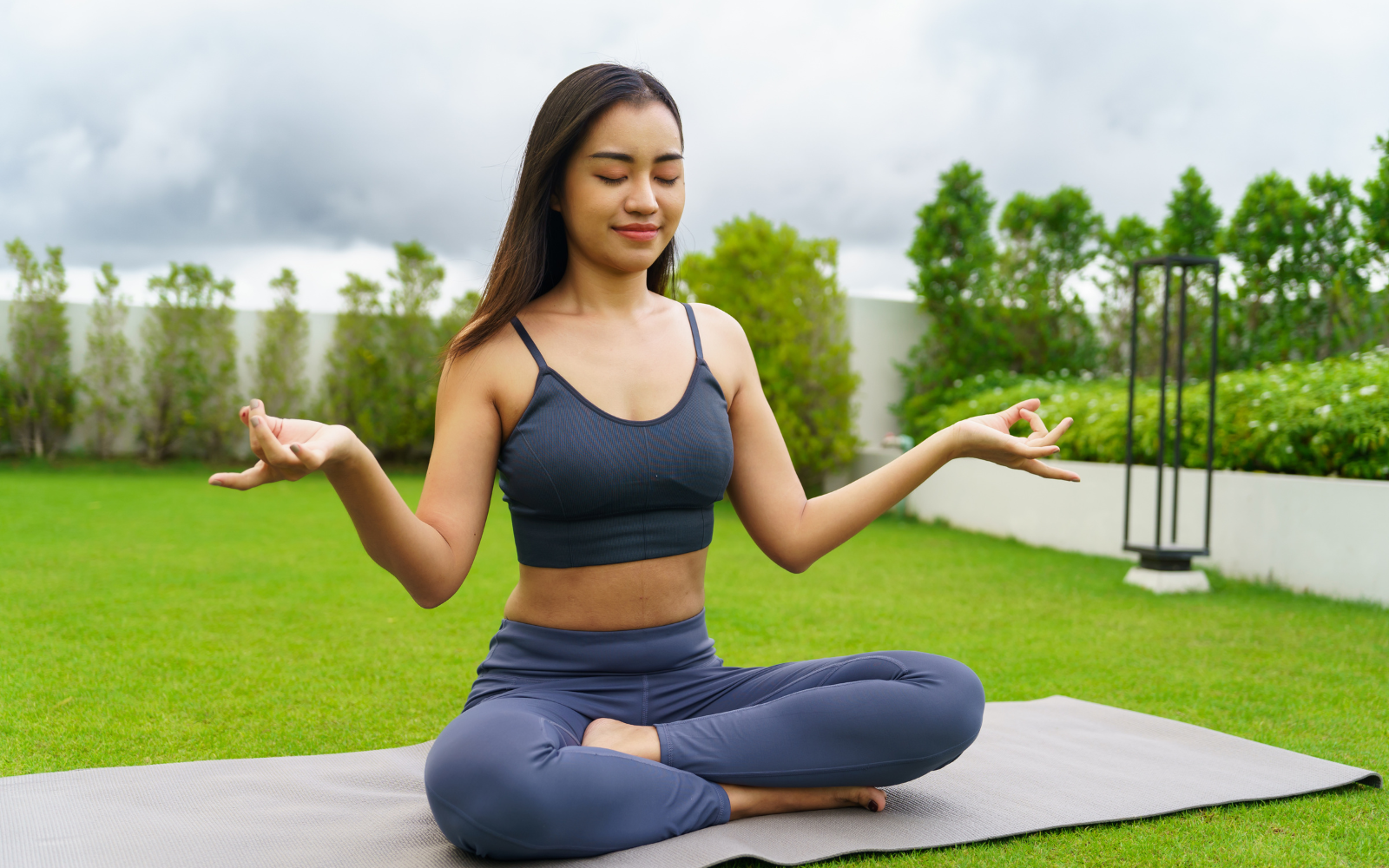
In today’s fast-paced world, the mind is constantly stimulated—notifications, responsibilities, and emotional pressures can quietly build into stress and anxiety. As a yoga educator, I often guide students toward one simple yet powerful habit: daily yoga practice. Even a short, consistent routine can create profound shifts in mental clarity, emotional balance, and inner calm.
Let us explore how this gentle discipline supports mental well-being and helps reduce stress in a sustainable, natural way.
1. Calms the Nervous System
Yoga works directly with the breath and body to regulate the nervous system. When you practice slow movements combined with mindful breathing, the body shifts from a “fight or flight” state to a “rest and digest” mode.
Simple techniques like deep breathing or alternate nostril breathing help lower cortisol levels (the stress hormone). Over time, your body learns to respond more calmly to daily challenges rather than reacting impulsively.
2. Enhances Emotional Awareness
Daily yoga creates space for self-observation. As you move through postures and stillness, you begin to notice your thoughts, emotions, and patterns without judgment.
This awareness is powerful. It allows you to:
- Recognize stress triggers
- Respond thoughtfully instead of reacting
- Build emotional resilience
Instead of suppressing feelings, yoga teaches you to acknowledge and release them gently.
3. Improves Breathing Patterns
Many people under stress develop shallow, rapid breathing without realizing it. This can increase anxiety and mental tension.
Through pranayama (breathing exercises), yoga encourages:
- Deep, slow breathing
- Better oxygen flow to the brain
- Reduced heart rate
A few minutes of conscious breathing each day can significantly calm the mind and improve focus.
4. Reduces Anxiety and Overthinking
One of the biggest mental challenges today is overthinking. The mind constantly jumps between past worries and future fears.
Yoga anchors you in the present moment.
When you focus on:
- Your breath
- Body alignment
- Gentle movements
…the mind naturally slows down. This reduces mental clutter and creates a sense of clarity and peace.
5. Releases Physical Tension Stored in the Body
Stress is not just mental—it is stored in the body. Tight shoulders, stiff neck, and lower back discomfort are common signs.
Daily yoga helps release this tension through:
- Stretching
- Gentle movement
- Relaxation poses
As the body relaxes, the mind follows. This connection is essential for overall mental health.
6. Promotes Better Sleep
Stress often leads to poor sleep quality. A restless mind can make it difficult to fall asleep or stay asleep.
Practicing yoga daily, especially in the evening, can:
- Calm the mind before bedtime
- Reduce racing thoughts
- Improve sleep patterns
Even 10–15 minutes of gentle stretches or breathing can prepare your body for deep rest.
7. Boosts Mood Naturally
Yoga stimulates the release of “feel-good” chemicals like serotonin and endorphins. These help elevate mood and reduce feelings of sadness or irritability.
With regular practice, many people experience:
- Increased positivity
- Greater emotional stability
- A sense of inner joy
This natural upliftment makes yoga a powerful tool for mental wellness.
8. Builds Discipline and Routine
Mental health improves when there is consistency in daily habits. Yoga encourages a structured yet flexible routine.
When you commit to practicing daily:
- You create time for yourself
- You develop self-discipline
- You feel more in control of your life
Even a short session each day/ can create a strong foundation for mental balance.
9. Encourages Mind-Body Connection
Yoga is not just physical exercise—it is a holistic practice that connects mind, body, and breath.
This connection helps you:
- Become more aware of your needs
- Recognize early signs of stress
- Take proactive steps to restore balance
Over time, this awareness becomes a lifelong skill.
Simple Daily Practice Tips
If you are just beginning, keep your routine simple and sustainable:
- Start with 10–20 minutes daily
- Include gentle stretches and basic postures
- Practice deep breathing for 5 minutes
- End with relaxation (Savasana)
Consistency is more important than intensity.
Conclusion
Daily yoga is a gentle yet powerful way to support mental health and reduce stress naturally. It helps calm the nervous system, improve emotional awareness, and bring balance to both body and mind. With regular practice, you will begin to notice subtle but meaningful changes—more peace, better focus, and a deeper connection with yourself.
If you are looking to deepen your practice or guide others on this journey, structured learning can make a big difference. Programs offered by Yoga Education Institute provide comprehensive knowledge and practical tools to integrate yoga into everyday life and teaching.
FAQs
1. How long should I practice yoga daily for mental health?
Even 15–20 minutes daily can be effective. Consistency matters more than duration.
2. Can yoga replace therapy for stress and anxiety?
Yoga is a supportive practice but not a replacement for professional treatment when needed. It works best alongside other forms of care.
3. Which type of yoga is best for stress relief?
Gentle styles like Hatha, Restorative, and Yin yoga are excellent for calming the mind.
4. How quickly can I see results from daily yoga?
Many people feel calmer after just one session, but noticeable long-term benefits usually appear within a few weeks.
5. Is yoga suitable for beginners with no experience?
Yes, yoga is beginner-friendly. Start with simple poses and gradually build your practice.