

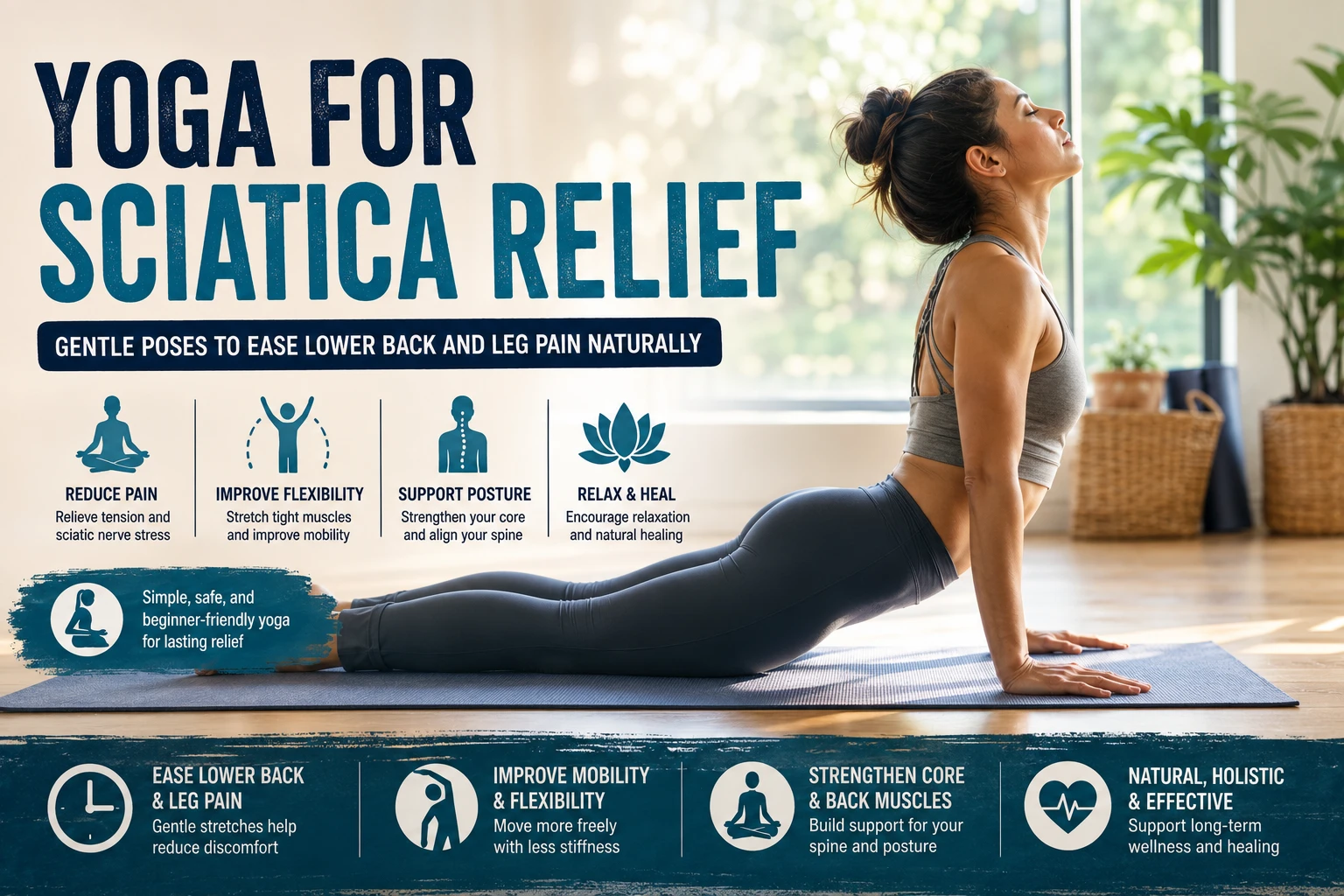
Learn gentle yoga poses for sciatica relief that can help improve flexibility, ease lower back and leg discomfort, and support better posture through safe, mindful movement.
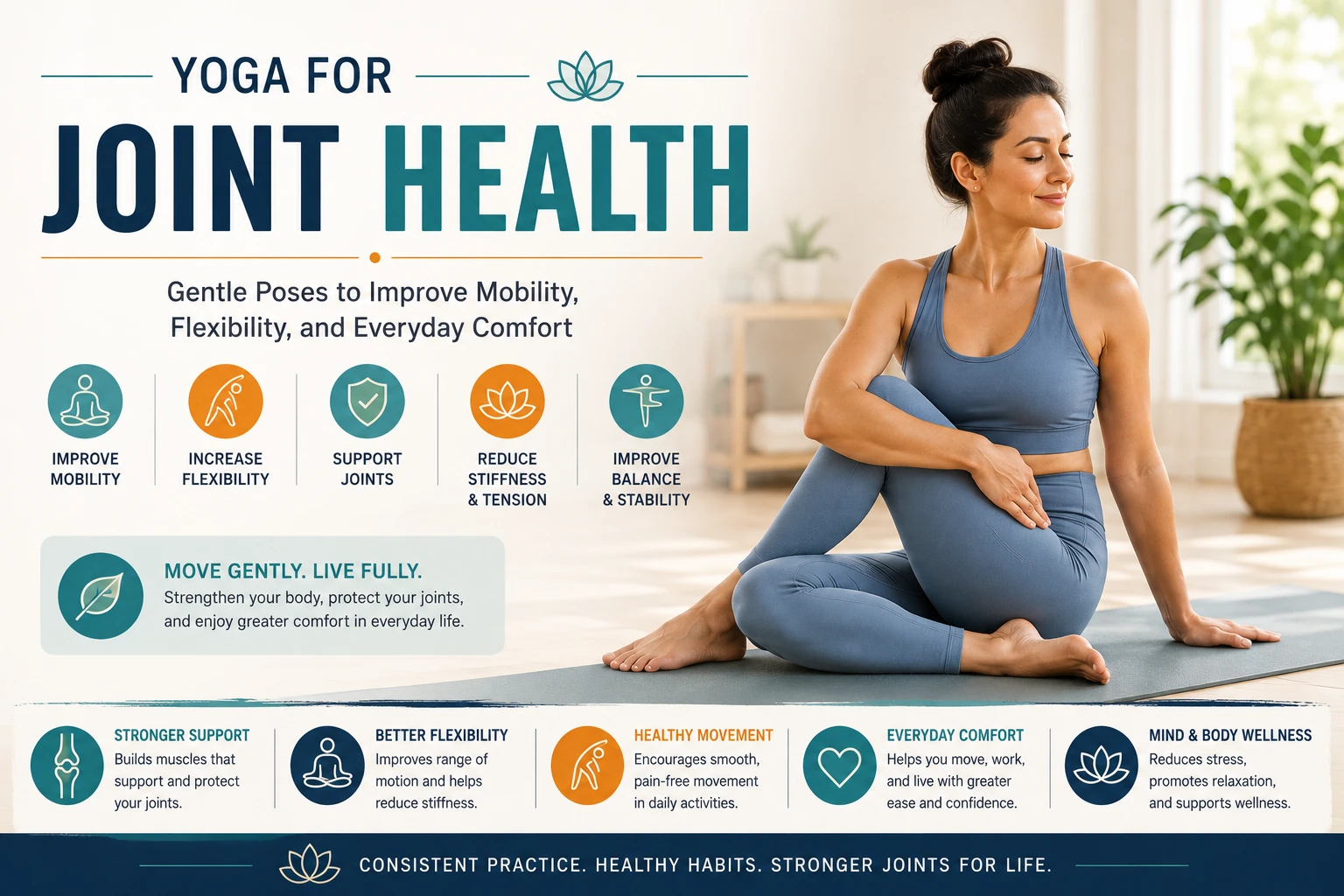
Yoga for Joint Health: Gentle Poses to Improve Mobility, Flexibility, and Everyday Comfort
Learn simple yoga poses that help improve joint mobility, increase flexibility, strengthen supporting muscles, and promote comfortable everyday movement.
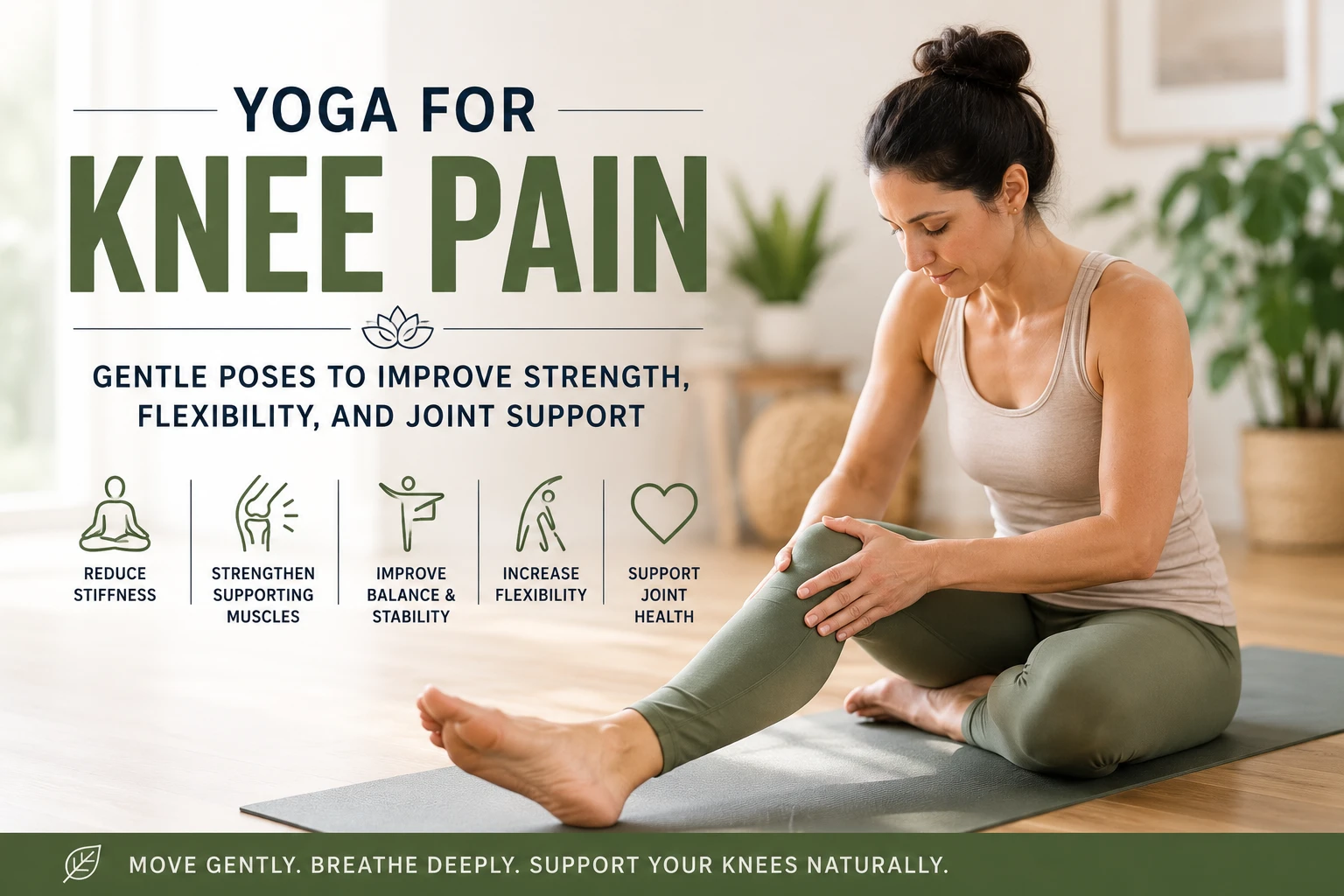
Yoga for Knee Pain: Gentle Poses to Improve Strength, Flexibility, and Joint Support
Learn simple yoga poses for knee pain that can help strengthen supporting muscles, improve flexibility, reduce stiffness, and support healthy knee joints through safe, gentle movement.
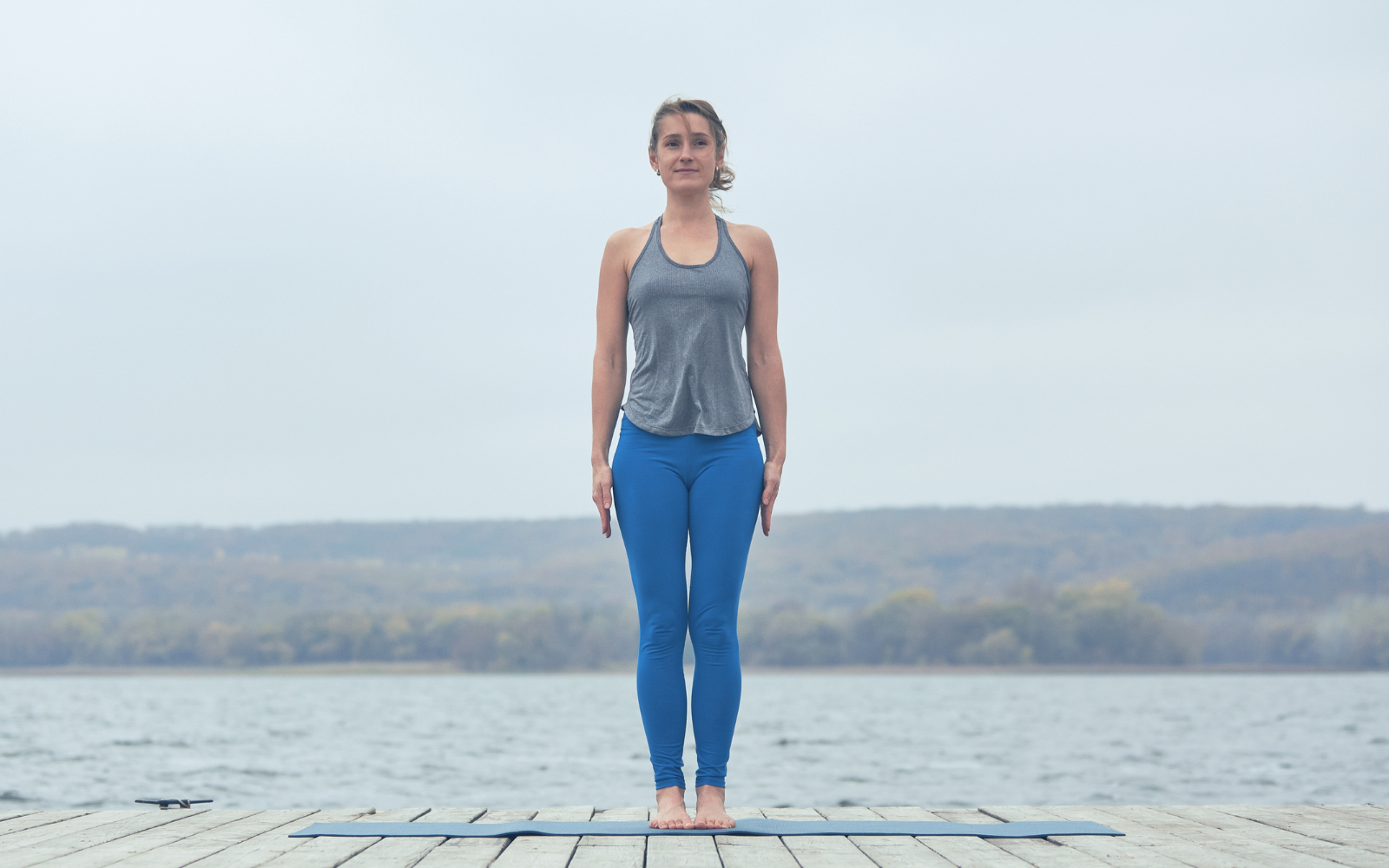
Mountain Pose Key Mistakes and Corrections to Avoid
Mountain Pose (Tadasana) may look simple, but it is one of the most important yoga poses for building proper posture and body awareness. Often called the foundation of standing yoga poses, it teaches balance, alignment, and stability. However, many beginners and even experienced practitioners unknowingly perform it incorrectly, which can reduce its benefits and lead to poor posture over time.
Understanding the common mistakes in Mountain Pose and learning the correct alignment can help improve your yoga practice, reduce discomfort, and strengthen your body from the ground up.
Why Mountain Pose Matters
Mountain Pose forms the base for many standing yoga postures. It improves posture, strengthens the legs, enhances body awareness, and promotes steady breathing. When practiced correctly, it creates a sense of stability while encouraging mindful movement.
Whether you’re attending yoga classes or practicing at home, mastering this foundational pose is essential before progressing to more advanced asanas.
Common Mountain Pose Mistakes and How to Correct Them
1. Standing with Poor Foot Placement
One of the biggest mistakes is placing too much weight on the heels or the balls of the feet.
Correction:
Distribute your weight evenly across all four corners of both feet. Keep your toes relaxed and grounded for better stability.
2. Locking the Knees
Many people straighten their legs so much that their knees lock, placing unnecessary pressure on the joints.
Correction:
Keep your legs strong while maintaining a slight softness in the knees. This protects the joints and encourages healthy alignment.
3. Arching the Lower Back
An exaggerated curve in the lower back is a common posture mistake that can lead to discomfort.
Correction:
Gently engage your abdominal muscles and lengthen your tailbone toward the floor. This helps maintain a neutral spine.
4. Rounded Shoulders
Poor posture often causes the shoulders to roll forward, limiting chest expansion.
Correction:
Relax your shoulders away from your ears and gently draw your shoulder blades toward each other without forcing them.
5. Looking Down
Many practitioners lower their heads, affecting spinal alignment.
Correction:
Keep your chin parallel to the floor and look straight ahead with a relaxed neck.
6. Holding Your Breath
Breath awareness is an essential part of yoga, yet many people unconsciously hold their breath.
Correction:
Take slow, deep breaths throughout the pose. Smooth breathing helps improve focus and relaxation.
Benefits of Practicing Mountain Pose Correctly
Correct alignment provides numerous physical and mental benefits, including:
- Improves posture
- Strengthens legs and core muscles
- Enhances body awareness
- Increases balance and stability
- Encourages healthy breathing
- Reduces muscle tension
- Supports better spinal alignment
- Builds confidence in standing poses
Although simple, consistent practice can positively affect your overall movement throughout the day.
Tips to Improve Your Alignment
To get the most from your practice:
- Stand barefoot whenever possible.
- Practice in front of a mirror.
- Engage your core gently.
- Keep your shoulders relaxed.
- Lengthen your spine without stiffness.
- Focus on steady breathing.
- Avoid rushing into advanced poses.
- Practice daily for a few minutes.
Small adjustments can make a significant difference in your overall posture.
Who Should Practice Mountain Pose?
Mountain Pose is suitable for almost everyone, including:
- Beginners learning yoga fundamentals
- Office workers with poor posture
- Athletes improving body awareness
- Seniors seeking better balance
- Yoga teacher trainees
- Anyone recovering from poor standing habits (with professional guidance)
Because it is gentle and accessible, it fits well into nearly every yoga routine.
Final Thoughts
Mountain Pose reminds us that even the simplest yoga postures require attention and precision. Correct alignment creates a strong foundation for every standing pose while improving posture, stability, and mindful breathing.
By avoiding common mistakes and practicing proper technique, you’ll gain greater confidence and enjoy the full benefits of this essential yoga posture. Whether you’re just beginning or refining your skills, consistent practice will enhance your overall yoga journey.
Conclusion
Mastering Mountain Pose begins with proper alignment, mindful breathing, and regular practice. Paying attention to small corrections can improve posture, balance, and overall body awareness while creating a strong foundation for every yoga session. Learning these fundamentals under experienced guidance can make a lasting difference, and Yoga Education Institute offers comprehensive training to help practitioners deepen their knowledge and practice.
Frequently Asked Questions
1. What is Mountain Pose in yoga?
Mountain Pose, also called Tadasana, is a basic standing yoga posture that improves posture, balance, alignment, and body awareness.
2. Why is Mountain Pose important?
It serves as the foundation for many standing yoga poses and helps develop proper posture, stability, and breathing techniques.
3. What is the most common mistake in Mountain Pose?
Locking the knees, arching the lower back, and uneven weight distribution are among the most common alignment mistakes.
4. Can beginners practice Mountain Pose?
Yes. It is one of the best yoga poses for beginners because it teaches proper posture and balance.
5. How long should I hold Mountain Pose?
Most practitioners hold the pose for 30 seconds to one minute while maintaining steady breathing and correct alignment.
Why a Yoga Alliance-Approved Curriculum Matters for Certification
Choosing the right yoga teacher training program is an important step for anyone who wants to build a strong foundation in yoga and teach others with confidence. With many training options available, students often ask an important question: Why does a Yoga Alliance-approved curriculum matter for certification?
A well-structured program can provide more than knowledge of yoga poses. It can help students understand teaching methods, anatomy, philosophy, ethics, sequencing, and professional responsibilities. A carefully designed yoga teacher training curriculum brings these areas together so aspiring teachers can develop the skills needed for responsible and effective instruction.
What Is a Yoga Alliance-Approved Curriculum?
A yoga alliance approved curriculum is designed around educational standards associated with Yoga Alliance-registered training schools and their teacher-training credentials. These standards help establish a clear framework for learning and teaching yoga.
A comprehensive program typically covers important areas such as yoga techniques, teaching methodology, anatomy and physiology, yoga humanities, professional development, and practical teaching experience.
For students, having a structured learning framework can make the training experience more organized and easier to follow. Instead of learning individual poses without context, trainees can understand how different aspects of yoga connect to teaching and personal practice.
Why Curriculum Quality Matters in Yoga Certification
Certification is more meaningful when students complete training that prepares them for real teaching situations. A quality curriculum gives learners opportunities to study concepts, practice skills, receive feedback, and gradually become more comfortable leading classes.
A strong program can help students learn how to:
- Demonstrate and explain yoga postures clearly
- Create balanced and purposeful class sequences
- Understand basic anatomy related to yoga practice
- Apply appropriate modifications for different students
- Develop effective communication and teaching skills
- Explore yoga philosophy and its relevance to modern life
- Practice professional and ethical teaching standards
- Build confidence through supervised teaching experience
This combination of theory and practice is one reason curriculum structure matters when comparing certification programs.
Understanding Yoga Teacher Training Course Materials
Another important part of teacher education is access to reliable yoga teacher training course materials. These resources support learning during and after the training program.
Materials may include manuals, anatomy resources, sequencing guides, philosophy readings, assignments, practice worksheets, teaching templates, and other educational resources. Well-organized materials allow students to review lessons at their own pace and return to important topics when preparing to teach.
Good course resources should complement instructor guidance rather than replace it. Yoga is a practical discipline, so students benefit from combining written study with demonstrations, practice sessions, discussions, and teaching feedback.
Should You Purchase Yoga Teacher Training Curriculum?
People researching yoga education may come across offers to purchase yoga teacher training curriculum online. While ready-made resources can sometimes be useful for educators, students should look beyond simply buying a curriculum.
A complete teacher training experience involves much more than a collection of documents. Students need knowledgeable instructors, practical instruction, opportunities to teach, feedback, and a learning environment that supports professional development.
If you are considering purchasing curriculum materials for teaching purposes, check whether the content is current, comprehensive, clearly organized, and appropriate for the students you intend to train. Also consider whether it aligns with the applicable Yoga Alliance standards if registration or credentialing is part of your goal.
Benefits of Following a Structured Training Program
A structured yoga teacher training curriculum can create a clear learning journey from beginner concepts to teaching practice. This organization can be especially helpful for students who are new to formal yoga education.
The curriculum can also help students connect different areas of study. For example, anatomy knowledge can influence how teachers explain alignment, while teaching methodology can help them communicate those concepts effectively. Yoga philosophy can add depth to classes, while professional development can help new teachers understand their responsibilities.
The goal is not simply to memorize information. It is to develop the knowledge, awareness, communication skills, and practical experience needed to guide students safely and confidently.
Choosing the Right Yoga Teacher Training Program
Before enrolling, prospective students should research the program carefully. Consider the course structure, learning objectives, instructor experience, practical teaching requirements, educational resources, and certification pathway.
Ask whether the program provides enough opportunities to practice teaching and receive constructive feedback. Also check whether the school clearly explains its relationship with Yoga Alliance and what credential students can pursue after completing the required training.
A recognized framework can provide useful structure, but students should also evaluate the overall quality and depth of the educational experience.
FAQs
1. What is a Yoga Alliance-approved curriculum?
It is a curriculum structured to meet the educational requirements associated with Yoga Alliance registration standards. It generally covers areas such as techniques, teaching methodology, anatomy, yoga humanities, and professional development.
2. Why is curriculum important for yoga teacher certification?
A strong curriculum provides an organized pathway for developing knowledge and teaching skills. It helps students move beyond personal practice and prepare for guiding others.
3. What should yoga teacher training course materials include?
Depending on the program, materials may cover anatomy, yoga philosophy, teaching methodology, sequencing, posture techniques, assignments, and practical teaching resources.
4. Can I purchase yoga teacher training curriculum online?
Curriculum resources may be available for purchase, but buying materials alone does not provide the same experience as completing a comprehensive teacher training program with qualified instruction and practical teaching experience.
5. Does Yoga Alliance approval guarantee teaching quality?
A recognized framework can provide educational standards, but students should also evaluate the instructors, teaching approach, practical experience, course resources, and overall reputation of the training school.
Conclusion
A quality yoga alliance approved curriculum can give aspiring teachers a structured foundation for developing knowledge and practical teaching abilities. From anatomy and philosophy to sequencing and teaching methodology, each part of training can contribute to becoming a more confident and responsible yoga instructor.
If you are looking for a structured path toward yoga teacher education and certification, explore the programs and resources available through Yoga Education Institute.

Yoga for Better Posture: Simple Poses to Improve Alignment and Reduce Body Pain
Discover simple yoga poses that can help improve posture, reduce muscle tension, strengthen your back, and support healthy spinal alignment naturally.
Yoga for Stiff Beginners: Simple Routine to Reduce Gym Soreness and Build Flexibility
If you’ve recently started going to the gym, you’ve probably felt it already:
- Tight legs
- Sore shoulders
- Stiff back
That heavy, uncomfortable feeling the day after a workout is common for beginners. While some soreness is part of the process, staying stiff all the time can slow progress, affect performance, and make workouts harder than they need to be.
That’s where yoga can help. You do not need advanced poses or extreme flexibility. A few simple yoga movements can help your body recover, loosen tight muscles, and improve the way you move.
Why Beginners Feel So Stiff After the Gym
When you exercise, your muscles go through stress. Tiny tears form in the muscle fibres, which is a normal part of building strength. This often leads to delayed onset muscle soreness, also known as DOMS.
This can cause:
- Muscle soreness
- Reduced flexibility
- Tight joints
- Limited movement
Without proper recovery, your body can stay tight for days, which may affect your next training session.
Why Yoga Is Perfect for Gym Recovery
Yoga for beginners is one of the best ways to support recovery after exercise. Unlike basic stretching, yoga combines movement, mobility, and breathing, which helps the body relax and recover more effectively.
Yoga can help improve:
- Blood flow to muscles
- Flexibility and mobility
- Muscle relaxation
- Breathing and recovery
The result is less stiffness, better movement, and faster recovery between workouts.
Simple Yoga Routine for Stiff Beginners
If you feel tight after the gym and want an easy place to start, try this simple yoga routine. You can do it after workouts or on rest days.
1. Child’s Pose for Back and Shoulder Relief
Child’s Pose is one of the easiest and most effective yoga stretches for beginners. It helps release tension in the lower back, shoulders, and upper body.
- Hold for 30 to 60 seconds
- Focus on slow, steady breathing
2. Downward Dog for a Full Body Stretch
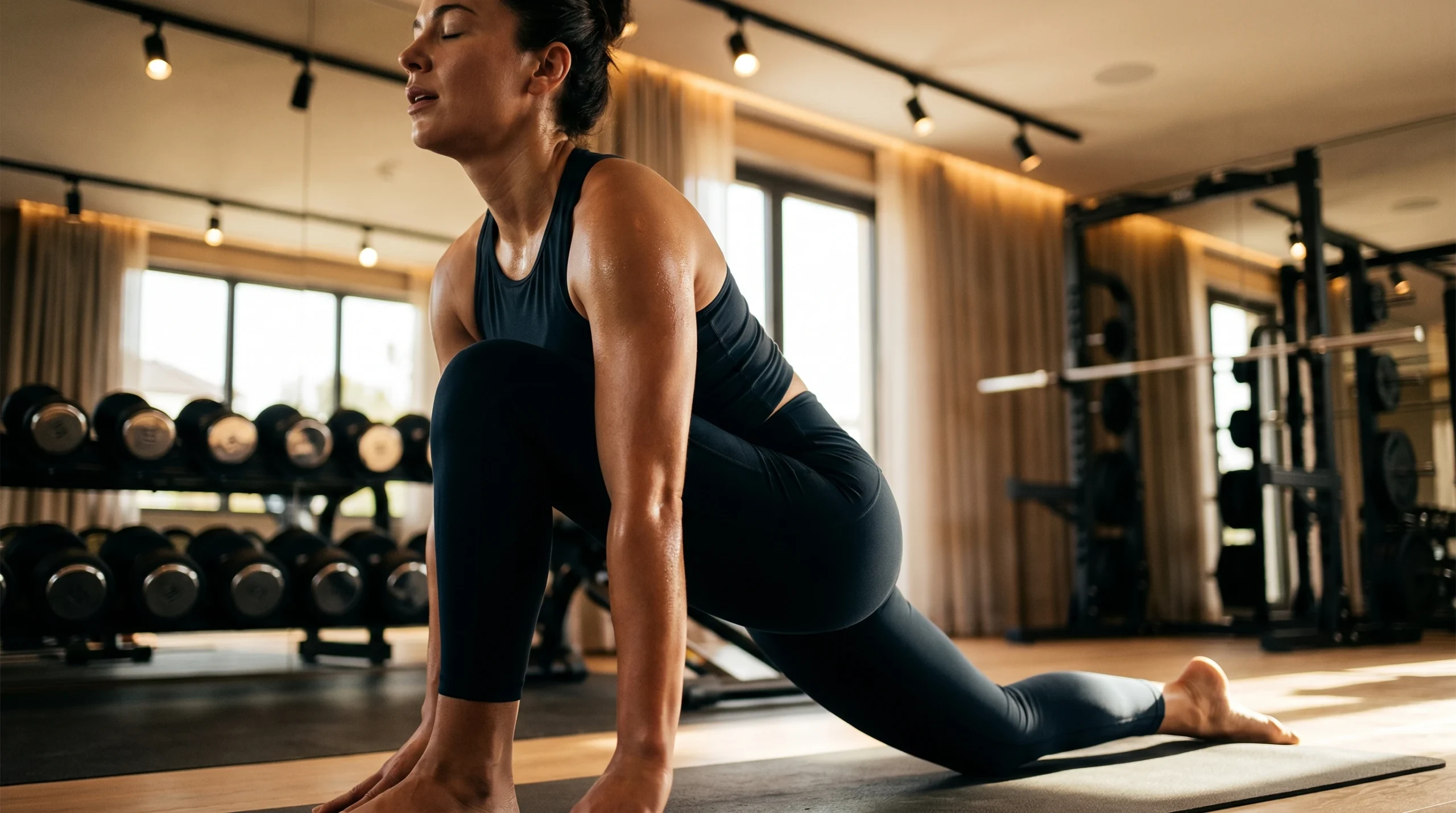
Downward Dog stretches the hamstrings, calves, back, and shoulders. If it feels too intense, bend your knees slightly to reduce pressure.
- Hold for 30 seconds
3. Cat-Cow Stretch for Spinal Mobility
Cat-Cow is great for improving movement in the spine and reducing back stiffness after exercise.
- Inhale and arch your back
- Exhale and round your back
- Repeat for 8 to 10 slow reps
4. Low Lunge for Tight Hip Flexors
Low Lunge is especially helpful for people who sit a lot or train legs regularly. It opens up the hips and improves lower body mobility.
- Hold for 30 seconds on each side
5. Seated Forward Fold for Hamstring Flexibility
Tight hamstrings are common in beginners. This stretch helps lengthen the back of the legs and improve flexibility over time.
- Hold for 30 seconds
- Do not force the stretch
6. Standing Quad Stretch for Sore Legs
This simple stretch helps reduce tension in the thighs after lower body training or leg day workouts.
- Hold for 30 seconds on each leg
How Often Should You Do Yoga for Recovery?
Keep it simple. For most beginners, doing yoga 3 to 4 times per week is enough to notice a difference.
You can do it:
- After workouts
- On rest days
- At home with no equipment
Consistency matters more than doing long sessions.
Common Mistakes Beginners Make
Skipping Recovery Completely
Many people focus only on training and ignore recovery. Over time, this can lead to more stiffness and poorer movement quality.
Forcing Flexibility
Yoga is not about pushing as hard as possible. It works best when you relax into the movement and let flexibility improve gradually.
Being Inconsistent
Doing yoga once in a while will not make a major difference. Regular practice is what helps your body loosen up and recover better.
How Yoga Improves Gym Performance
When your body feels less stiff, your workouts usually feel better too. Better recovery leads to better movement, and better movement leads to better results.
- You move better
- You lift with better form
- You reduce injury risk
- You recover faster
If you’re already training regularly, combining yoga with a solid strength routine can make a big difference.
If You’re Still Feeling Tight
Sometimes stiffness is not only caused by workouts. It can also come from poor movement patterns, weak mobility, or training mistakes.
In that case, proper coaching can help you improve technique, train smarter, and recover properly.
Build a Simple Weekly Routine
If you are just getting started, a simple weekly structure works well:
- 3 gym sessions
- 2 to 3 short yoga sessions
- Rest days in between
If you are unsure how often to train, this guide can help:
Final Thoughts
You do not need to be flexible to start yoga. You just need to start.
If you feel stiff after workouts, adding just 10 to 15 minutes of simple yoga can make a real difference. Less stiffness leads to better movement, better recovery, and better results in the gym.
Keep it simple, stay consistent, and your body will thank you.
Frequently Asked Questions
Is yoga good for muscle soreness?
Yes. Yoga improves blood flow and helps muscles recover faster, reducing soreness and stiffness.
Can beginners do yoga if they are not flexible?
Yes. You do not need to be flexible to start. Yoga helps improve flexibility over time.
How long should a yoga session be for recovery?
Even 10 to 15 minutes is enough for beginners.
Should I do yoga before or after gym?
Yoga is usually best after workouts or on rest days if your goal is recovery.
How long does it take to improve flexibility?
Most beginners notice improvements within 2 to 4 weeks of regular practice.
How Should a Beginner Start Yoga?
Starting yoga as a beginner can feel overwhelming, but the truth is—it’s one of the most accessible and rewarding practices for both body and mind. Whether you’re in Woodland Hills, CA, or anywhere else, you don’t need flexibility or prior experience to begin. You just need the right approach.
In this beginner-friendly guide, you’ll learn how to start yoga safely, build consistency, and create a sustainable routine.
Why Yoga is Perfect for Beginners
Yoga is more than just stretching—it improves strength, flexibility, balance, and mental clarity. Regular practice can enhance mobility and posture and reduce stress levels over time.
For beginners, yoga helps:
- Improve flexibility and body awareness
- Build strength gradually
- Reduce stress and anxiety
- Support better posture and breathing
The key is to start simple and stay consistent.
Step 1: Choose the Right Type of Yoga
Not all yoga styles are beginner-friendly. Starting with the right type will make your journey smoother.
Best styles for beginners:
- Hatha Yoga – slow-paced and ideal for learning basics
- Yin Yoga – focuses on deep stretching and relaxation
- Restorative Yoga – great for stress relief and recovery
Avoid intense styles like Ashtanga or power yoga in the beginning, as they can feel overwhelming.
Step 2: Learn Basic Yoga Poses
You don’t need to learn dozens of poses. Focus on a few foundational ones:
- Child’s Pose (relaxation and recovery)
- Downward Dog (full-body stretch)
- Mountain Pose (posture and alignment)
- Cat-Cow (spinal flexibility)
- Warrior I & II (strength and balance)
These poses form the base of most yoga routines and help you build confidence early on.
Step 3: Focus on Breathing
Breathing is what separates yoga from regular exercise. Proper breathing improves focus and helps your body relax into poses.
A simple technique for beginners:
- Inhale through your nose
- Exhale slowly through your nose
- Keep your breath steady and controlled
Many beginners overlook this, but breath control is essential for progress and safety.
Step 4: Start with Short Sessions
You don’t need hour-long classes to begin. In fact, shorter sessions are more effective for building a habit.
Start with:
- 15–20 minutes per session
- 3–4 times per week
Consistency matters more than intensity. Even short sessions can improve flexibility and strength over time.
Step 5: Practice at Home or Join a Class
If you’re in Woodland Hills, CA, you have two great options:
Practice at Home
- Use beginner-friendly YouTube videos
- Follow guided routines
- Practice in a quiet, comfortable space
- Get guidance from certified instructors
- Learn correct posture and alignment
- Stay motivated with a community
For beginners, combining both options works best.
Step 6: Use Basic Yoga Equipment
You don’t need expensive gear to start yoga. Keep it simple:
- Yoga mat (for grip and comfort)
- Comfortable clothing
- Optional: yoga blocks or straps
Many beginners start with just a mat and gradually add accessories.
Step 7: Listen to Your Body
One of the biggest mistakes beginners make is pushing too hard.
Remember:
- Yoga is not about perfection
- Avoid pain—stretch, don’t strain
- Take breaks when needed
Progress in yoga is gradual, and patience is key.
Common Beginner Mistakes to Avoid
- Skipping warm-up or cool-down
- Comparing yourself to others
- Ignoring breathing techniques
- Practicing inconsistently
Yoga is a personal journey—focus on your own progress.
How Long Does It Take to See Results?
With regular practice, beginners may notice:
- Improved flexibility in 2–4 weeks
- Better posture and strength in 4–8 weeks
- Reduced stress almost immediately
Consistency is the most important factor for long-term benefits.
Final Thoughts
Starting yoga as a beginner doesn’t require perfection—it requires patience, consistency, and awareness. Begin with simple poses, focus on breathing, and build a routine that fits your lifestyle in Woodland Hills, CA.
For deeper learning, structured programs, and expert guidance, visit Yoga Education Institute at:
👉 https://yogaeducation.org/
They provide valuable resources for beginners looking to build a strong foundation and advance safely in their yoga journey.

What to Expect in 200 Hour YTT
Starting a 200-hour yoga teacher training is an exciting journey that builds a strong foundation for your yoga practice. Whether you’re looking to learn the basics or deepen your knowledge, this training helps you find the right program with instructors you can trust and who are credible. As you progress, you will not only improve your practice, but also join a network of like-minded yogis on a shared mission. At places like Aham Yoga, you get a chance to bond with others in the community, experiencing moments of laughter while learning how to teach a multi-level class. You’ll study real-life scenarios, like working with students who have back spasms, are pregnant, or are recovering from an injury. Through a deep dive into various aspects like vinyasa flow sequences, arm balances, and more, you’ll explore how yoga applies to day to day life. The program offers a rich experience that helps you gain yoga knowledge, apply it in the real-world, and prepare for further certifications in September 2024, while giving you a valuable checklist of what to focus on.
How to use this 200-hour yoga teacher training checklist?
When starting your yoga teacher training, this checklist will be your guide to navigate through the course and help you stay on track. It’s important to ask your teachers and the studio about the topics covered, especially if they dive in-depth into areas that matter most to you. The syllabus should be transparent, outlining the course requirements clearly, so you understand what you’ll learn and what value it will bring to your practice. This checklist helps you see whether the program aligns with your goals, ensuring you don’t miss any crucial aspects.
As you explore your training, use this checklist to ensure each topic is being covered in a way that adds to your overall yoga knowledge. Whether you’re looking for a value-packed training or simply want to make sure the course gives you what you need, the checklist will help you assess if the training is right for you. A well-rounded program will not only teach you the basics but will also offer the tools to deepen your practice, making it easier for you to grow as a teacher.
The biggest mistake yoga students make in choosing?
When choosing a 200-hour yoga teacher training, many students make the mistake of focusing too much on factors like schedule, price, and location. While these are practical considerations, they shouldn’t be the main focus. It’s crucial to consider the caliber of the teacher(s) and how their teaching will shape your perception of yoga. A great teacher will help you grow not only in your physical practice but also in your energetic practice and mind. It’s about finding a training that helps you move forward in all aspects of yoga, creating a lasting impact on your life and those around you.
Your 200-hour Yoga Teacher Training checklist is below
To make the most out of your 200-hour yoga teacher training, here’s a list of bare minimum things you should focus on. Keep it brief and practical, but don’t hesitate to ask questions about the aspects that you’re uncertain about. Whether it’s about the study program or specific techniques, always feel free to reach out to your yoga teachers or your program provider like Aham Yoga. This checklist will guide your learning, ensuring that you cover the essentials while diving deeper into what’s most important to you.
1. Things to learn about yoga poses
When diving into your 200-hour yoga teacher training, there are some must-knows about yoga poses that you should learn to truly understand their purpose and application. Here’s a breakdown:
- Sanskrit and English names of each pose.
- The classification of different yoga poses.
- Benefits and contraindications for each pose.
- Prop usage to help modify poses for different students.
- Understanding the levels of difficulty for each pose.
- Warm-up and counter pose principles to ensure safe practice.
- The heating or cooling quality of certain poses.
- The importance of breathing principles in each pose.
- Adaptations and modifications to make poses accessible for everyone.
2. How much pranayama should you learn?
In your 200-hour yoga teacher training, learning pranayama is essential to understanding how breathing principles impact your practice. Here’s what you should expect to cover:
- Categorization of different types of pranayama and their uses.
- The meaning of pranayama and its role in yoga.
- The basics of energetic body anatomy as it relates to pranayama.
- Awareness practices to help you connect with your breath.
- Balancing pranayama to calm or invigorate the body and mind.
- Energizing pranayama to boost energy and focus.
- Tranquilizing pranayama to relax and restore.
- How to build practice over time without doing too much pranayama.
- A focus on basic pranayama techniques, with guidance on how to teach them effectively.
3. Is yoga history & evolution important?
Understanding the history and evolution of yoga is crucial in your 200-hour training because it offers valuable insights into how yoga has grown and adapted over time. Yoga didn’t just start as a physical practice—it’s a cultural practice that has transformed across different cultures and periods. By studying this, you can bridge the gap between the old and new, gaining clarity about its true essence. Knowing how yoga has changed and evolved helps deepen your commitment to the practice and strengthens your connection to its ancient practice, enriching your journey.
4. What about sequencing yoga poses and class teaching?
In your 200-hour yoga teacher training, you’ll learn how to sequence yoga poses and plan your classes in detail. This is an in-depth and often complex topic, but it’s essential for creating successful and masterful asana classes. You’ll be taught how to manage time and effort in your class planning, making sure you guide your students smoothly through each pose. Though challenging, this skill is key to teaching in the real world, where it’s not just about the poses, but also about creating a fun and effective learning experience for your students.
5. Yoga for special conditions?
In your 200-hour yoga teacher training, you will learn how to handle common basic things that students may experience, such as lower back pain, wrist issues, and knee issues. It’s important to understand how to adapt poses for special conditions like pregnancy, fatigue, elevated blood pressure, and sciatica. By learning these modifications, you’ll be prepared to teach students with different needs, ensuring everyone can benefit from yoga safely and effectively.
6. The subtle body in yoga
In your 200-hour yoga teacher training, one of the most fascinating topics you’ll explore is the subtle body. This aspect of yoga helps you understand the energetic body beyond just the physical postures. You’ll learn the blueprint of how yogis view the body, which includes concepts like prana, nadis, koshas, chakras, gunas, and doshas. Understanding these types of bodies will help you connect deeper with your practice, enabling you to feel the flow of energy and the application of yoga in all aspects of life.
7. Cultural appropriation of yoga
In your 200-hour yoga teacher training, you’ll discuss the sensitive topic of cultural appropriation of yoga. Understanding yoga’s Indian origin is essential, as it provides the perspective needed to appreciate yoga for what it truly represents. You’ll learn how to represent yoga respectfully and how to honor its evolution and history. This includes recognizing how yoga has operated and evolved in the modern yoga world and where it is headed in the future. The training should emphasize the importance of understanding the culture behind yoga as non-negotiable for anyone who wishes to practice and teach it authentically.
8. Adaptability of yoga
In your 200-hour yoga teacher training, you’ll learn about the adaptability of yoga and how to adapt each asana to fit the needs of any person. It’s not about stuffing a person into a pose, but about understanding how to modify poses for different students, whether they’re able-bodied or have different needs. For example, teaching Warrior 2 to someone with a specific injury requires depth in your knowledge and the ability to use prop usage to make the practice relevant and accessible. Yoga’s adaptability will help you teach for years and decades to come, ensuring that your practice and teachings remain useful and inclusive in any training setting.
9. Yoga philosophy and how to live yoga off your mat?
One of the best parts of your 200-hour yoga teacher training is learning how to apply yoga to your life, not just on the mat. The study program will help you understand that yoga isn’t just about the physical practice—it’s about how you live it everywhere. Whether it’s in your relationships, work, or more, yoga teaches you how to bring mindfulness and balance into your daily life. This approach to living yoga off the mat is what makes it a holistic practice, impacting all aspects of your life and helping you stay grounded no matter where you are.
Online vs. In-Person
When considering a 200-hour yoga teacher training, you’ll find both online and in-person options, each with its own set of benefits. Online programs are growing in popularity because they offer flexibility in terms of schedule and can be completed from anywhere, making them a great choice for people with busy lives or unique learning styles. However, in-person trainings at a studio allow you to connect more deeply with your classmates and instructors, giving you a more immersive experience. Choosing between the two will depend on your personal goals and what kind of learning experience you feel suits you best.
Benefits of an In-Person YTT:
Choosing an in-person 200-hour yoga teacher training offers several advantages:
- Hands-on assists in real time, allowing you to correct alignment and refine your teaching skills.
- A designated space specifically for your practice, creating an environment dedicated to learning.
- Being immersed in the essence of a true yoga studio, helping you experience the tradition and energy of yoga firsthand.
- Meeting fellow students face-to-face allows for deeper connections and shared learning.
- It helps you stay accountable to your studies, as the structure of in-person classes keeps you focused and committed.
Benefits of an Online YTT:
An online 200-hour yoga teacher training offers unique advantages that make it accessible and flexible for many students:
- You can move at your own pace, allowing you to access materials anytime, anywhere, which fits well with your schedule.
- Immediate access to resources and digital literacy tools for online teaching, enhancing your learning experience.
- The training is more affordable than in-person programs, while still providing an immersive experience with theoretical knowledge and practical skills.
- It offers the flexibility to balance your physical practice with refining your personal practice from the comfort of your home.
- You’ll still cover essential topics like yoga philosophy, history, anatomy, physiology, and teaching methodology, while learning how to teach in advanced training or specialized areas like prenatal yoga, kids yoga, yin yoga, and more.
- With online yoga teacher training, you can still develop the confidence to lead classes and learn key aspects of class sequencing, structure, and adjustments, ensuring safe practice for all your students.
Learning the Lingo
The Basics of Yoga Teacher Training (YTT)
In your 200 Hour YTT, you’ll begin by building a strong foundation in yoga asana and physical practice. You’ll also dive into ancient yogic texts, like the yoga sutras and learn about Ayurveda, the science that complements yoga. These elements are essential to understanding yoga’s deep-rooted traditions and its place within the yogic sphere.
Continuing Your Journey
As you progress, you may choose to continue with a 300 Hour YTT, which builds on your 200 hour studies and prepares you for the maximum hours of training, leading up to RYT 500 certification. This will allow you to study in more in-depth areas, like anatomical phrasing and how Ayurveda has influenced yoga in the west.
Specialized Areas and Certifications
Once you’ve completed your training, you can go on to explore specialized trainings in various genres, including restorative, yin, Hatha, and Yoga Nidra. If you choose to teach long-term, you’ll need teaching experience, accumulating 2,000 hours to eventually qualify for an E-RYT 500 certification through Yoga Alliance.
How Long Does it Take to Complete a 200 Hour YTT?
The length of a 200 hour YTT depends on the program format you choose. If you choose an online program, like YogaRenew, you can study at your own pace, allowing you to balance your training with your personal life. Here’s a breakdown of what to expect:
- Online programs typically allow you to complete your training in a flexible timeline, either over several months or weekends.
- You’ll have access to resources and mentorship that provide virtual support as you work through the modules.
- The training will cover key topics like philosophy, anatomy, asana, pranayama, meditation, and chakras.
- You’ll also learn about the business of yoga, yoga marketing, and teaching tips for class sequencing and practicing yoga beyond the mat.
- There may be a mix of different styles of yoga, allowing you to explore what resonates with you.
What does a 200 hour ytt typically look like?
A 200-hour yoga teacher training is structured with modules that cover a variety of topics over the course of several weekend days or months, depending on the format. With busy schedules, especially for those with jobs, these modules are often segmented to make learning manageable. Expect to dive into yoga asana and its physical practice, focusing on poses, alignment, and structure. You’ll explore the different lineages like Iyengar, Jivamukti, Bikram, and Ashtanga, learning their Sanskrit names and meanings. Each weekend will focus on specific subject matter, like the eight-limbed path or more granular topics such as teaching techniques and deepening your personal yoga practice. You will also have space to ask questions, practice the physical parts of yoga, and complete homework that helps track your progress. A mentor will help you check your work and ensure you’re grasping concepts as you move forward in your training.
What does a 200 hour graduation look & feel like?
Graduating from a 200-hour yoga teacher training is a moment of great pride and achievement. It marks the end of a journey where you’ve deepened your understanding of yoga, exploring its roots and discovering new avenues. Whether in a studio or through an online program, the experience feels unique and personal, like a gift you’ve earned. At graduation, there may be celebrations filled with flowers, incense, and meditation pillows, creating a special atmosphere to honor your hard work. In an online program, you might receive an online certification and share your studies and learnings with the community on platforms like LinkedIn using warm language. The sense of accomplishment is deeply personal, and you’ll be ready to celebrate your insights and profound knowledge, knowing you’ve completed an incredible journey that honors your commitment to yoga.
5 Things to Ask Yourself Before Enrolling in a 200 Hour YTT
1. How much time do I have to dedicate to being in school again?
Balancing your daily routine with the commitment of a 200 hour training course requires good personal time management. If you’re taking an online yoga teacher training, the flexibility can help you allot time for learning without needing to worry about travel time. You’ll need to carve out time each week to focus on practicing and learning, so it’s helpful to calculate how many hours a week you can dedicate. Consider your yoga schedule alongside other aspects of your life. The 200 hour certification is a baseline course, and as you continue, you can pursue further certifications like 300 hour or 500 hour to become a certified yoga instructor. Being organized and planning ahead will help you stay on track while managing your time effectively.
2. How much do yoga teacher trainings typically cost?
The cost of a 200-hour yoga teacher training varies depending on whether you choose an online yoga teacher training or a physical studio program. Online programs tend to be more cost-efficient since they don’t have the added fees of commuting to a physical studio. Many online yoga teacher training programs include virtual learning materials like Zoom meetings, downloadable PDFs, and collaborative documents. Additionally, some online programs offer promos and deals to make committing more affordable for students. Physical programs, on the other hand, often include the added costs of in-person sessions and venue fees, which can make them pricier.
3. Why do I want to become certified in yoga?
If you’re passionate about yoga and looking to deepen your practice, becoming certified can be a meaningful part of your journey. A 200 hour yoga teacher training is the perfect place to start, whether you’re looking to engage more with the meaning of your practice or plan to own a studio someday. The certification process allows you to explore the path of teaching, gain a deeper understanding of yoga, and inspire others along the way. If yoga is becoming more than just a hobby, earning your yoga certification gives you the tools to make it a part of life and share your passion with others. There’s always more to learn, and the certification opens doors to continue growing and evolving in your yoga practice.
4. What are the topics covered in most 200 hour yoga teacher training programs?
In most 200 hour yoga teacher training programs, you’ll cover a wide range of educational aspects to deepen your understanding of yoga. You’ll start by practicing regularly to improve flexibility and movements, learning the flow of poses and how to sequence them effectively. You’ll also study the basics of yoga poses and breathwork, which are essential for teaching. The training will include topics like the history of yoga, meditation, and the 7 chakras to give you a well-rounded understanding of the practice. You’ll dive into anatomy to learn how the body works during practice and how to safely guide your students through each movement. By the end, you’ll feel confident in developing classes that reflect your deepening knowledge and passion for yoga.
5. Once I complete the training, can I teach yoga classes?
After completing your 200 hour yoga teacher training, you’ll be able to teach yoga classes, provided you’ve earned your yoga teacher certification. This certification helps you take your yoga dreams seriously and brings your goals to life. The course will provide you with all the materials and teachings necessary to feel confident in leading a class. You’ll have the skills to create the best environment for your students, ensuring a fulfilling teaching experience for both you and your class. With this certification, you’ll be prepared to teach various levels of yoga and start sharing your practice with others.
I’ve completed my 200 hour YTT journey, now what?
After completing your 200 hour YTT, you have many exciting options ahead. You can ruminate on your learnings and choose whether to continue your yogic journey by enrolling in a 300 hour training or working towards your RYT 500 certification. If you feel ignited by a specific area, such as specialized trainings in restorative yoga or yoga Nidra, you may want to pursue those to deepen your knowledge. The 200 hour certification has equipped you with an immense amount of practice and understanding of the yoga umbrella, and now you can decide if you want to teach and lead classes. You may feel proud of your accomplishment and the ancient studies you’ve explored. It’s time to do some research to find the right yoga teacher training that feels comfortable, and if you wish, you can continue your education in a school with a curriculum that resonates with you. Whatever you choose, remember to stay happy practicing.

What Is the Difference Between Yin Yoga and Normal Yoga?
If you’re exploring different styles of yoga—especially in a mindful community like Woodland Hills, CA—you’ve likely come across two popular terms: Yin Yoga and “normal yoga,” more commonly known as Yang or traditional active yoga. Both styles are powerful, healing, and deeply transformative, but they work on your body and mind in very different ways.
Whether you’re a beginner, someone getting back into movement, or a long-time practitioner searching for deeper balance, understanding the difference between Yin Yoga and regular yoga can help you choose what your body truly needs.
Understanding Yin Yoga: Slow, Still, and Deep
Yin Yoga is a gentle, meditative style that focuses on long-held, passive stretches. Instead of flowing through poses quickly, practitioners relax into each posture for 3 to 7 minutes, sometimes even longer. The goal is not to work the muscles but to target the deep connective tissues—the fascia, ligaments, and joints.
Key Features of Yin Yoga
- Slow pace & long holds
- Targets deeper tissues (fascia, joints, tendons)
- Encourages surrender and stillness
- Enhances flexibility and improves joint mobility
- Low-impact and accessible for all ages
- Calms the nervous system
Emotionally, Yin Yoga is incredibly soothing. It activates the parasympathetic nervous system, which helps reduce stress, anxiety, and tension. Many people describe it as a “moving meditation.”
What About “Normal” Yoga? (Yang or Active Yoga)
When people say “normal yoga,” they usually refer to more active, movement-based styles like Vinyasa, Hatha, Power Yoga, or Ashtanga. These traditional forms focus on strength, alignment, breath control, and fluid movement.
Key Features of Active (Yang) Yoga
- Builds strength and stability
- Improves endurance and muscular engagement
- Uses dynamic postures and flowing sequences
- Raises heart rate—great for fitness and energy
- Enhances balance and functional movement
- Strengthens the core and improves posture
Active yoga styles are perfect for anyone who enjoys a workout-like rhythm while still embracing mindfulness and breathwork.
Yin Yoga vs. Normal Yoga: The Core Differences
Here is a simple and clear breakdown of how the two styles differ:
1. Purpose of the Practice
- Yin Yoga: Deep relaxation, flexibility, joint health
- Normal Yoga: Strength, mobility, energy, and alignment
2. Physical Focus—Tissues Worked
- Yin: Connective tissues and fascia
- Yang: Muscles
3. Energy Flow
- Yin: Quiet, cooling, grounding
- Yang: Active, warming, energizing
4. Speed of Practice
- Yin: Slow, still, meditative
- Yang: Dynamic, flowing, continuous movement
5. Time Spent in Each Pose
- Yin: 3–7 minutes
- Yang: 15–60 seconds
6. Breathwork
- Yin: Slow, deep, gentle, calming
- Yang: Rhythmic, energizing, coordinated with movement
Which One Is Better for You?
Both practices complement each other beautifully, especially for people in Woodland Hills who juggle busy schedules and want balance in their wellness routine.
Choose Yin Yoga if you want:
- Stress relief and emotional grounding
- Increased flexibility
- Improved joint mobility
- A slower, meditative experience
- Support for injuries or chronic tension
It’s especially wonderful for seniors, beginners, and people with stiff muscles or a sedentary lifestyle.
Choose Normal (Yang) Yoga if you want:
- Stronger muscles
- More energy and stamina
- A workout-style practice
- Better posture and balance
- A dynamic, heart-pumping flow
This style is ideal for improving strength, core stability, and overall fitness.
Why Both Are Important
Think of Yin and Yang Yoga as two halves of a complete wellness system. Yin offers softness, introspection, and depth. Yang offers movement, energy, and strength.
You can practice both throughout the week depending on your mood and physical needs. Many advanced practitioners combine them to create the perfect balance.
Benefits of Practicing Both Yin and Normal Yoga in Woodland Hills, CA
The health-conscious community in Woodland Hills values mobility, longevity, and holistic wellness—making both styles incredibly beneficial:
- Reduces chronic pain and stiffness
- Supports healthy aging and joint health
- Boosts mood and mental clarity
- Enhances sleep quality
- Strengthens muscles while improving flexibility
- Supports emotional well-being
Practicing both gives you a complete mind-body experience—gentle yet powerful, calm yet energizing.
Conclusion
Understanding the difference between Yin Yoga and normal yoga helps you make more intentional choices in your wellness journey. Yin Yoga focuses on deep, passive stretches and relaxation, while traditional active yoga builds strength, stamina, and mobility. Both have unique benefits and together create a balanced, holistic practice for anyone looking to improve their physical and mental health.
To deepen your practice or explore structured training programs, the Yoga Education Institute offers meaningful guidance to help you grow in the right direction.