

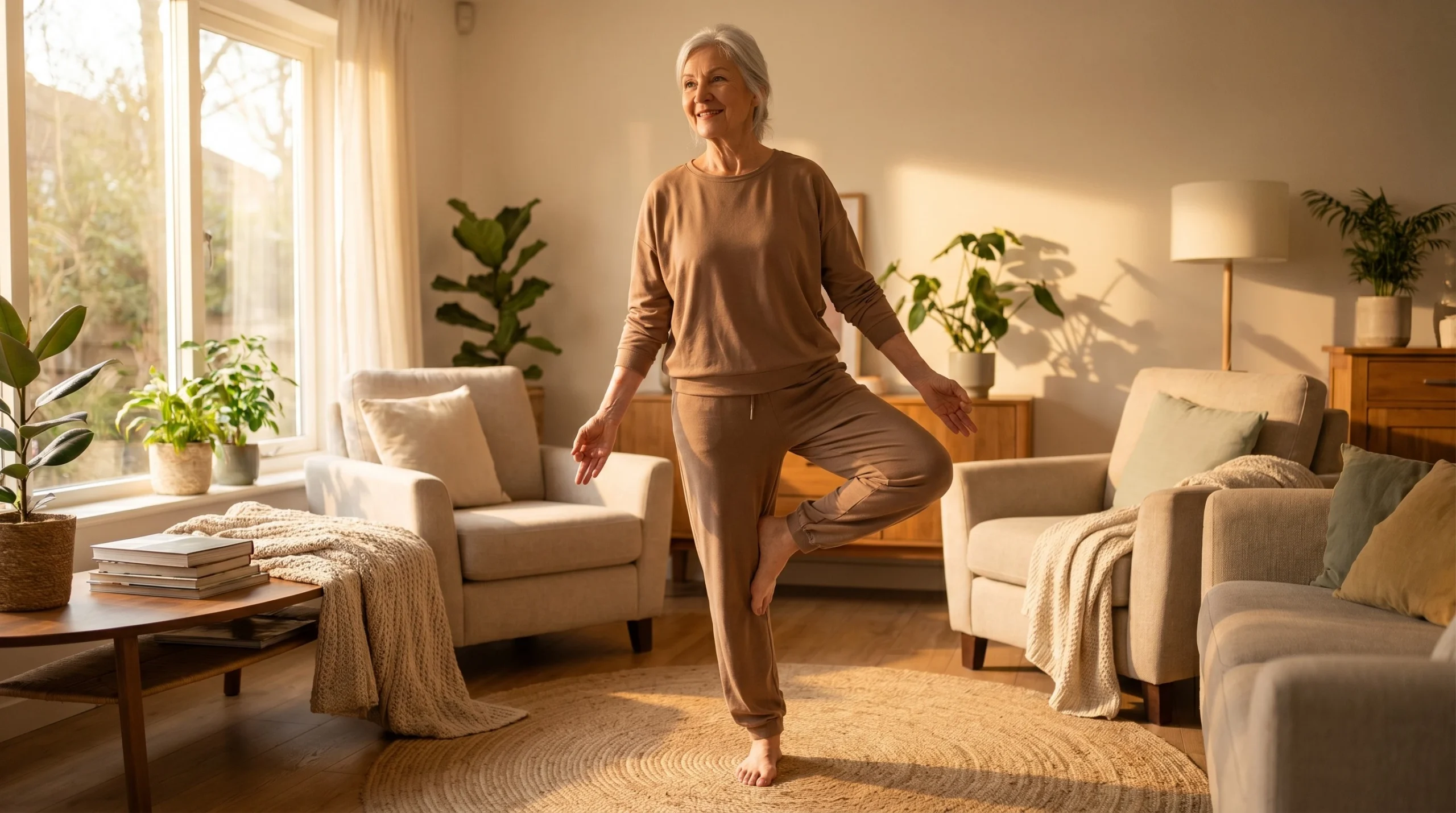
Aging is a natural part of life, but growing older does not mean giving up an active, healthy, and fulfilling lifestyle. With the right habits, it is possible to maintain strength, flexibility, balance, and mental well-being for many years. One of the most effective ways to support healthy aging naturally is through yoga.
Yoga is more than just exercise. It combines gentle movement, breathing techniques, and mindfulness practices that help the body and mind work together. Whether you are in your 40s, 50s, 60s, or beyond, practicing yoga for healthy aging can help you stay active, improve mobility, and enjoy a better quality of life.
In this guide, you will learn how yoga supports healthy aging, the best poses for older adults, and simple ways to incorporate yoga into your daily routine.
What Is Healthy Aging?
Healthy aging means maintaining physical, mental, and emotional well-being as you grow older. It is not about avoiding aging but about staying independent, active, and engaged in daily life.
Healthy aging includes:
- Maintaining mobility and flexibility
- Preserving muscle strength
- Supporting mental clarity
- Managing stress effectively
- Improving balance and coordination
- Promoting overall wellness
Yoga addresses many of these areas, making it an excellent practice for people of all ages.
Why Yoga Is Beneficial for Healthy Aging
As we age, the body naturally undergoes changes. Muscles may become tighter, joints may feel stiffer, and balance can become more challenging. Yoga helps counter these effects through gentle and consistent movement.
Improves Flexibility
One of the most noticeable benefits of yoga is improved flexibility. Regular stretching helps maintain joint mobility and reduces stiffness in the body.
Better flexibility can make everyday activities easier, including bending, reaching, walking, and climbing stairs.
Supports Better Balance
Falls are a common concern among older adults. Yoga includes balance-focused poses that strengthen stabilizing muscles and improve body awareness.
Improved balance can help reduce the risk of falls and support greater confidence during daily activities.
Maintains Muscle Strength
Strong muscles help support the joints and improve overall mobility. Many yoga poses use body weight to build strength without placing excessive stress on the body.
This makes yoga a safe and effective exercise option for older adults.
Encourages Better Posture
Poor posture can contribute to neck pain, back pain, and reduced mobility. Yoga helps strengthen the muscles that support proper alignment.
Good posture also improves breathing and overall comfort.
Promotes Mental Well-Being
Yoga combines movement with mindful breathing, helping reduce stress and improve emotional balance.
Regular practice can support mental clarity, relaxation, and a positive outlook on life.
For additional stress-management techniques, you may find this guide helpful:
Yoga for Stress and Anxiety Relief
Best Yoga Poses for Healthy Aging
These gentle poses are suitable for most beginners and older adults.
Mountain Pose (Tadasana)
Mountain Pose helps improve posture, balance, and body awareness.
How to practice:
- Stand with feet hip-width apart
- Keep your spine tall
- Relax your shoulders
- Breathe deeply
Benefits:
- Improves posture
- Enhances balance
- Builds body awareness
Chair Pose
Chair Pose strengthens the lower body and improves stability.
How to practice:
- Stand tall
- Bend your knees slightly
- Extend your arms forward
Benefits:
- Strengthens legs
- Improves endurance
- Supports balance
Tree Pose
Tree Pose is one of the best yoga poses for balance.
How to practice:
- Stand on one foot
- Place the opposite foot on your ankle or calf
- Bring your hands together
Benefits:
- Improves balance
- Strengthens legs
- Enhances concentration
Cat-Cow Stretch
This gentle movement helps maintain spinal flexibility.
How to practice:
- Start on hands and knees
- Alternate between arching and rounding your back
Benefits:
- Supports spinal mobility
- Relieves stiffness
- Improves posture
Seated Forward Bend
This pose gently stretches the back and legs.
How to practice:
- Sit with legs extended
- Reach forward comfortably
Benefits:
- Improves flexibility
- Encourages relaxation
- Reduces tension
Legs Up the Wall
This restorative pose promotes relaxation and circulation.
How to practice:
- Lie on your back near a wall
- Extend your legs upward
Benefits:
- Relieves fatigue
- Improves circulation
- Supports relaxation
If sleep quality is a concern, you may also enjoy:
Yoga for Better Sleep
Breathing Exercises for Healthy Aging
Breathing exercises are an important part of yoga. They help improve lung function and encourage relaxation.
Deep Breathing Exercise
How to practice:
- Sit comfortably
- Inhale slowly through your nose
- Exhale gently through your mouth
Repeat for 3–5 minutes.
Benefits:
- Improves oxygen flow
- Reduces stress
- Encourages calmness
A Simple Daily Yoga Routine for Healthy Aging
You do not need to spend hours practicing yoga.
A simple 20-minute routine may include:
- 5 minutes of deep breathing
- 10 minutes of gentle yoga poses
- 5 minutes of relaxation
Consistency is more important than duration. Practicing a little each day often provides better results than occasional longer sessions.
Healthy Lifestyle Habits That Support Aging Well
Yoga works best when combined with healthy daily habits.
Get Quality Sleep
Sleep is essential for recovery, energy, and mental clarity.
Stay Hydrated
Proper hydration supports joint health, digestion, and overall wellness.
Eat a Balanced Diet
Nutritious foods provide the energy and nutrients your body needs to stay healthy.
Stay Socially Connected
Maintaining relationships can support emotional well-being and cognitive health.
Keep Moving Daily
Regular movement helps preserve strength, flexibility, and mobility.
If you are new to yoga, consider starting with:
Yoga for Beginners at Home
Safety Tips for Older Adults
To practice safely:
- Move slowly and mindfully
- Use support when needed
- Avoid forcing stretches
- Listen to your body
- Consult a healthcare professional if you have medical concerns
Yoga should feel comfortable and enjoyable, not painful.
Common Mistakes to Avoid
Many beginners make these mistakes:
- Trying advanced poses too soon
- Ignoring proper breathing
- Practicing inconsistently
- Comparing themselves to others
- Pushing through discomfort
Remember that yoga is a personal journey. Progress comes through regular practice and patience.
How Long Does It Take to See Results?
Many people notice benefits within a few weeks of consistent practice.
You may experience:
- Improved flexibility within 2–4 weeks
- Better balance after several weeks
- Increased strength over time
- Reduced stress and improved mood
The key is to stay consistent and make yoga part of your lifestyle.
Final Thoughts
Aging does not have to mean losing mobility, independence, or vitality. With regular practice, yoga can help you maintain strength, flexibility, balance, and mental well-being throughout life.
Whether you are just beginning your wellness journey or looking for a gentle way to stay active, yoga for healthy aging offers a practical and accessible solution.
Start with a few simple poses, practice regularly, and enjoy the many benefits that yoga can bring to your overall health and quality of life.