

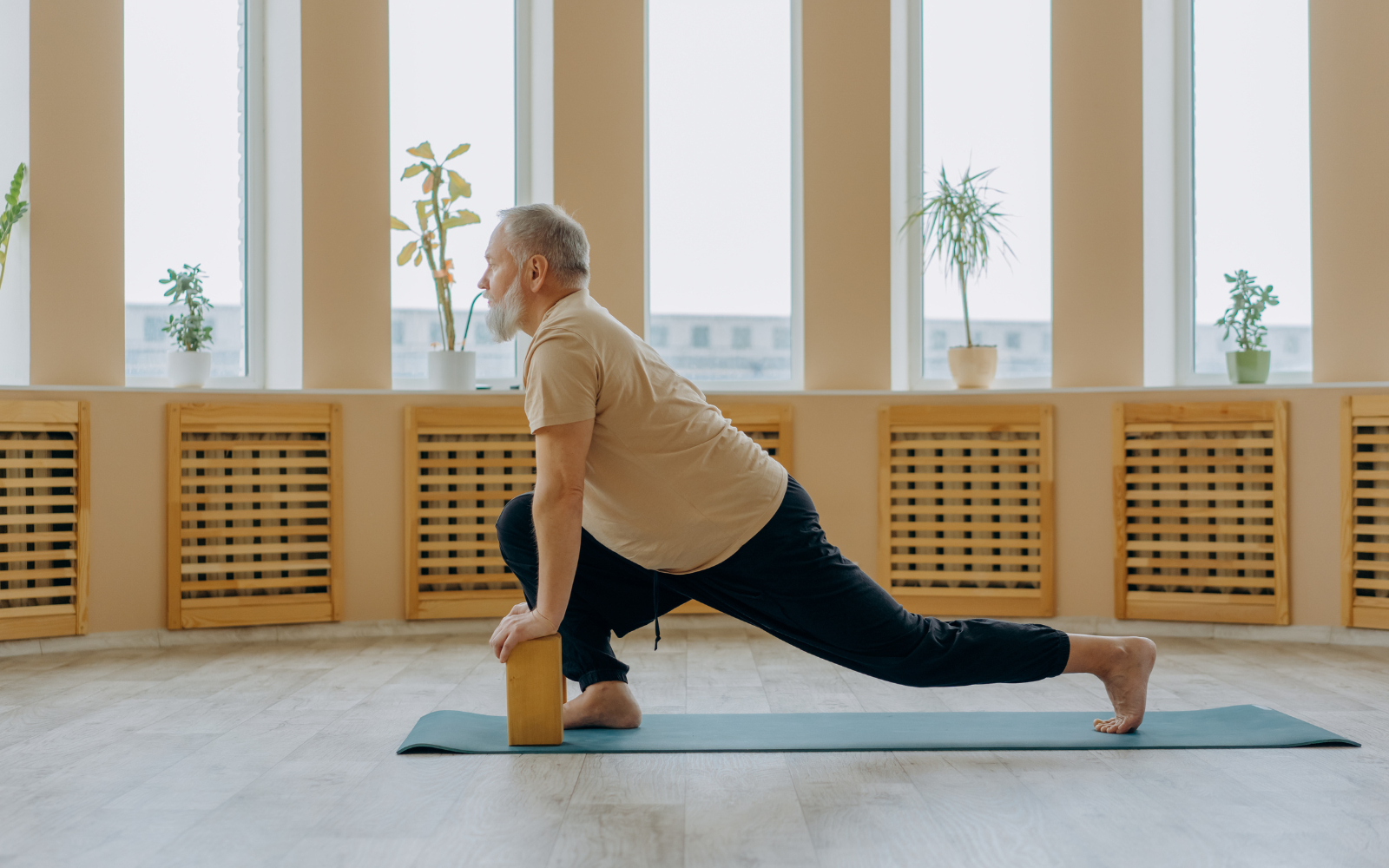
High blood pressure, also known as hypertension, affects millions of people worldwide and is often called the “silent killer” because it may not show obvious symptoms. Along with medical treatment and a healthy lifestyle, yoga has become one of the most effective natural ways to support heart health and reduce stress-related blood pressure spikes.
If you are wondering which yoga is best for hypertension, the answer lies in gentle, calming practices that focus on relaxation, breathing techniques, and stress reduction rather than intense physical exertion. Let’s explore the most beneficial yoga styles, poses, and breathing exercises for people dealing with high blood pressure.
Understanding Hypertension and Yoga
Hypertension occurs when the force of blood against artery walls remains consistently high. Common causes include:
- Chronic stress
- Poor dietary habits
- Lack of physical activity
- Obesity
- Smoking and alcohol consumption
- Genetic factors
Research suggests that regular yoga practice can help lower stress hormones, improve circulation, support cardiovascular health, and promote relaxation. These benefits can contribute to healthier blood pressure levels when combined with proper medical care.
Best Yoga Styles for High Blood Pressure
1. Hatha Yoga
Hatha Yoga is often considered the best starting point for individuals with hypertension. It emphasizes slow movements, controlled breathing, and gentle stretching.
Benefits include:
- Reduced stress and anxiety
- Improved flexibility
- Better circulation
- Enhanced mind-body awareness
Because of its slower pace, Hatha Yoga is generally safe and accessible for beginners and older adults.
2. Restorative Yoga
Restorative Yoga uses props such as bolsters, blankets, and blocks to support the body in relaxing poses held for extended periods.
Advantages include:
- Deep relaxation
- Reduced nervous system activation
- Lower stress levels
- Improved sleep quality
This style is particularly beneficial for people whose blood pressure rises due to chronic stress.
3. Yin Yoga
Yin Yoga involves holding passive stretches for several minutes while maintaining slow, mindful breathing.
Key benefits:
- Encourages relaxation
- Improves flexibility
- Reduces mental tension
- Supports nervous system balance
The calm nature of Yin Yoga makes it suitable for many individuals managing cardiovascular concerns.
Recommended Yoga Poses for Hypertension
Child’s Pose (Balasana)
This gentle resting posture helps calm the nervous system and promotes relaxation.
Benefits:
- Reduces stress
- Encourages deep breathing
- Relaxes the back and shoulders
Legs-Up-the-Wall Pose (Viparita Karani)
One of the most effective restorative postures, this pose helps improve circulation and reduce fatigue.
Benefits:
- Promotes relaxation
- Reduces swelling in the legs
- Supports healthy blood flow
Bound Angle Pose (Baddha Konasana)
A seated posture that encourages calmness and opens the hips.
Benefits:
- Improves circulation
- Reduces stress
- Enhances flexibility
Cat-Cow Stretch (Marjaryasana-Bitilasana)
This gentle movement synchronizes breath with motion.
Benefits:
- Improves spinal mobility
- Encourages mindful breathing
- Relieves tension
Corpse Pose (Savasana)
Often practiced at the end of a session, Savasana is essential for complete relaxation.
Benefits:
- Lowers stress levels
- Calms the mind
- Supports recovery and relaxation
Breathing Techniques for Blood Pressure Management
Breath control, known as Pranayama, plays a major role in supporting heart health.
Deep Diaphragmatic Breathing
This technique involves slow, controlled breaths using the diaphragm.
Benefits:
- Promotes relaxation
- Reduces stress hormones
- Supports healthy cardiovascular function
Alternate Nostril Breathing (Nadi Shodhana)
A balancing breathing practice that calms the nervous system.
Benefits:
- Reduces anxiety
- Improves mental clarity
- Encourages emotional balance
Bhramari Pranayama (Bee Breath)
This technique involves creating a gentle humming sound during exhalation.
Benefits:
- Calms the mind
- Relieves stress
- Supports relaxation
Yoga Practices to Avoid
People with uncontrolled hypertension should avoid certain advanced practices unless approved by a healthcare professional.
These may include:
- Intense hot yoga sessions
- Advanced inversions such as headstands
- Breath retention exercises
- Fast-paced power yoga classes
- Strenuous sequences that significantly elevate heart rate
Working with a qualified instructor can help ensure modifications are used when necessary.
Lifestyle Tips to Enhance Results
Yoga works best when combined with healthy habits.
Consider the following:
Maintain a Balanced Diet
Focus on:
- Fruits and vegetables
- Whole grains
- Lean proteins
- Low-sodium foods
Stay Physically Active
Combine yoga with:
- Walking
- Swimming
- Light strength training
Improve Sleep Quality
Aim for 7–9 hours of restful sleep each night to support cardiovascular wellness.
Manage Stress
Meditation, mindfulness, and relaxation practices can complement your yoga routine and improve overall well-being.
Creating a Simple Daily Yoga Routine
A beginner-friendly session may include:
- Five minutes of deep breathing
- Child’s Pose – 2 minutes
- Cat-Cow Stretch – 10 repetitions
- Bound Angle Pose – 2 minutes
- Legs-Up-the-Wall Pose – 5 minutes
- Savasana – 10 minutes
Practicing consistently for 20–30 minutes daily can provide noticeable benefits over time.
Conclusion
When considering which yoga is best for hypertension, gentle styles such as Hatha Yoga, Restorative Yoga, and Yin Yoga are among the most effective options. Combined with calming breathing exercises and relaxation techniques, these practices can help reduce stress, improve circulation, and support overall heart health. Consistency is key, and individuals with high blood pressure should always consult their healthcare provider before beginning a new fitness routine. For those interested in expanding their knowledge of yoga and wellness, Yoga Education Institute offers comprehensive training and educational programs designed to support both personal growth and professional development.
FAQs
1. Can yoga lower high blood pressure naturally?
Yoga may help support healthy blood pressure levels by reducing stress, improving circulation, and promoting relaxation when practiced regularly.
2. How often should I practice yoga for hypertension?
Most experts recommend practicing gentle yoga for 20–30 minutes at least 4–5 days per week.
3. Is Hatha Yoga safe for people with high blood pressure?
Yes, Hatha Yoga is generally considered one of the safest and most beneficial styles for individuals managing hypertension.
4. Which breathing exercise is best for hypertension?
Deep diaphragmatic breathing and Alternate Nostril Breathing are commonly recommended because they promote relaxation and nervous system balance.
5. Should people with hypertension avoid inversions?
Individuals with uncontrolled high blood pressure should avoid advanced inversions unless specifically approved by a healthcare professional.