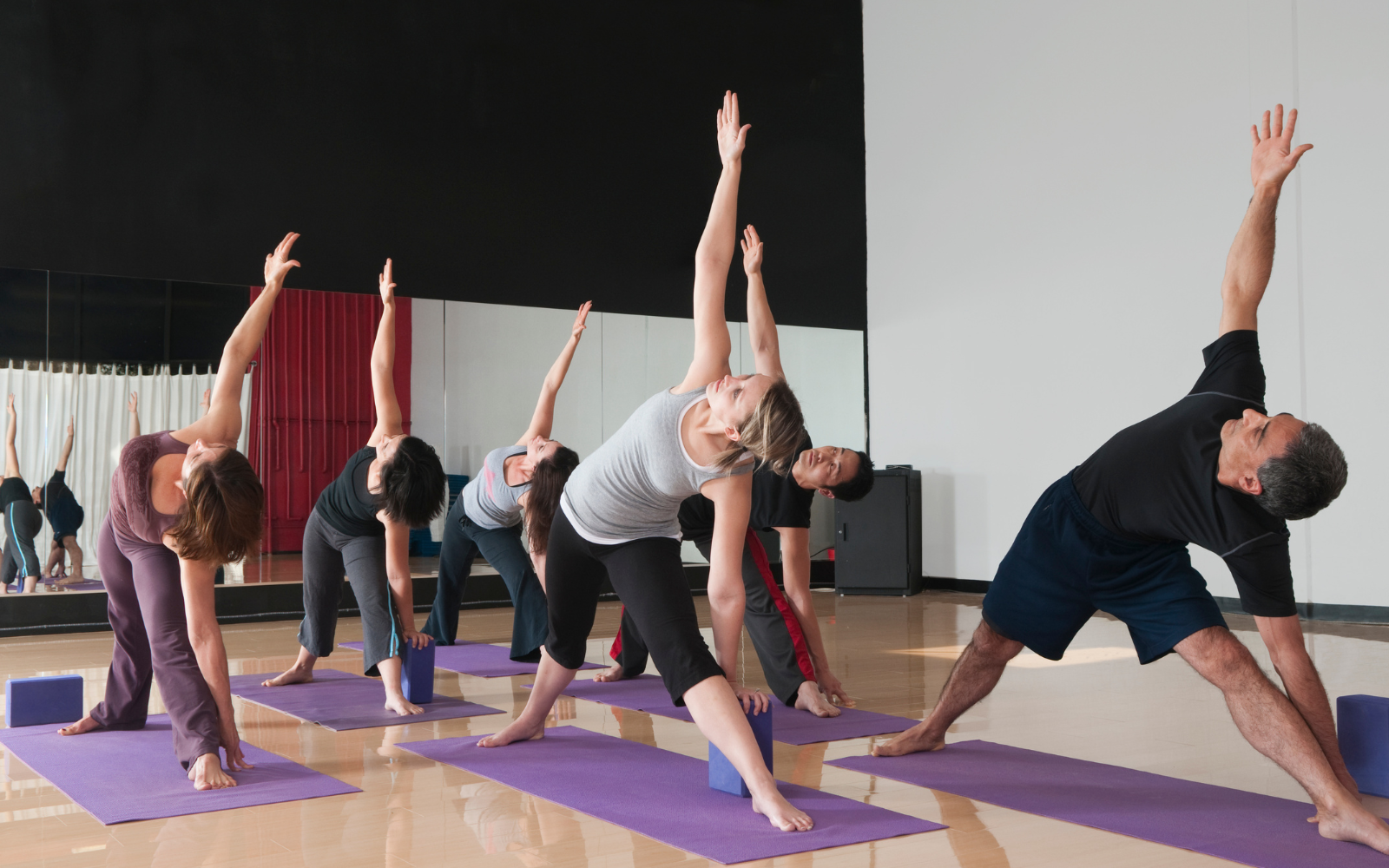
Learn simple yoga poses and breathing exercises that may support digestion, reduce stress, and promote better gut health naturally.
Not Hungry After the Gym? Here’s What Your Body Might Be Telling You
Not hungry after a workout? Discover why exercise can temporarily suppress appetite, when it’s completely normal, and how to support recovery with proper hydration, nutrition, and post-workout fueling strategies.
Yoga for Hormonal Balance: Natural Practices to Support Overall Well-Being
Learn how yoga can support hormonal balance naturally through stress reduction, improved sleep, mindful movement, and simple daily practices for overall well-being.
Yoga for Healthy Aging: Simple Practices to Stay Active, Flexible, and Independent
Learn how yoga can help you age healthily by improving flexibility, balance, strength, and mental well-being with simple daily practices suitable for all fitness levels.
Yoga for Eye Relaxation: Simple Exercises to Reduce Eye Strain and Improve Focus
Learn effective eye yoga exercises to reduce digital eye strain, improve focus, and support eye health naturally with a simple daily routine.
The Evolution of Yoga: From Ancient Practice to Modern Exercise
Yoga has transformed remarkably over thousands of years, evolving from a spiritual discipline practiced by ancient sages into one of the world’s most popular forms of exercise and wellness. Today, millions of people practice yoga for flexibility, strength, stress relief, and overall well-being. Understanding the evolution of yoga helps us appreciate how this ancient tradition continues to adapt while preserving its core principles.
What Is Yoga?
The word “yoga” comes from the Sanskrit root yuj, meaning “to unite” or “to join.” Traditionally, yoga was designed to create harmony between the mind, body, and spirit. It encompasses physical postures, breathing techniques, meditation, and ethical practices that promote holistic health.
In the modern era, yoga has become synonymous with fitness, mindfulness, and healthy living. However, its roots extend far beyond exercise and stretch back thousands of years.
The Ancient Origins of Yoga
Yoga’s history dates back over 5,000 years to ancient India. Archaeological discoveries from the Indus Valley Civilization suggest that early forms of yoga may have existed as far back as 3000 BCE.
The earliest written references to yoga appear in the Vedas, ancient sacred texts that contain spiritual teachings and rituals. During this period, yoga focused primarily on meditation, self-discipline, and spiritual growth rather than physical exercise.
Ancient yogis sought enlightenment through practices that cultivated inner awareness and mental clarity. The goal was to transcend worldly distractions and achieve a deeper connection with the self and the universe.
The Classical Period of Yoga
One of the most significant milestones in yoga’s evolution was the creation of the Yoga Sutras by the sage Patanjali around 200 BCE. These texts systematized yoga philosophy and introduced the concept of the Eight Limbs of Yoga.
The Eight Limbs include:
- Ethical disciplines (Yamas)
- Personal observances (Niyamas)
- Physical postures (Asanas)
- Breath control (Pranayama)
- Sense withdrawal (Pratyahara)
- Concentration (Dharana)
- Meditation (Dhyana)
- Enlightenment (Samadhi)
Interestingly, physical postures occupied only a small part of classical yoga. The primary focus remained on meditation, mental discipline, and spiritual awakening.
The Rise of Hatha Yoga
Between the 9th and 15th centuries, yoga underwent another major transformation with the development of Hatha Yoga. This branch emphasized physical postures and breathing techniques as tools for preparing the body and mind for meditation.
Hatha Yoga introduced many of the yoga poses practiced today. Ancient texts such as the Hatha Yoga Pradipika described techniques designed to improve health, increase vitality, and cultivate inner balance.
This period marked a shift toward recognizing the body’s role in achieving mental and spiritual well-being.
Yoga’s Journey to the West
Yoga began gaining international attention during the late 19th and early 20th centuries. Influential teachers traveled from India to Europe and North America, sharing yogic philosophy and practices with new audiences.
As yoga spread globally, it adapted to different cultural contexts. Western practitioners became particularly interested in yoga’s physical benefits, including flexibility, strength, posture improvement, and stress management.
This growing interest laid the foundation for the modern yoga movement.
Modern Yoga as Exercise
Today, yoga is widely recognized as an effective form of exercise that supports both physical and mental health. Modern yoga classes often focus on movement, fitness, and relaxation while incorporating elements of traditional breathing and mindfulness practices.
Popular styles include:
Vinyasa Yoga
Vinyasa Yoga links breath with movement in a flowing sequence of poses. It is popular among individuals seeking a dynamic workout that improves cardiovascular fitness and flexibility.
Power Yoga
Power Yoga is a vigorous, fitness-oriented style that builds strength, endurance, and muscle tone. It appeals to those looking for a challenging exercise routine.
Yin Yoga
Yin Yoga involves holding poses for extended periods to target deep connective tissues and enhance flexibility while promoting relaxation.
Restorative Yoga
Restorative Yoga uses props and gentle postures to encourage deep rest, stress relief, and recovery.
Hot Yoga
Practiced in a heated room, Hot Yoga aims to increase flexibility and promote sweating while enhancing physical endurance.
Benefits of Modern Yoga
The popularity of yoga continues to grow because of its wide-ranging benefits:
Improved Flexibility
Regular yoga practice increases joint mobility and muscle flexibility, helping reduce stiffness and improve movement quality.
Enhanced Strength
Many yoga poses engage multiple muscle groups simultaneously, building functional strength and stability.
Better Mental Health
Yoga encourages mindfulness and relaxation, which can help reduce stress, anxiety, and emotional tension.
Improved Balance and Posture
Yoga strengthens core muscles and enhances body awareness, leading to better posture and balance.
Increased Energy Levels
Combining movement, breathwork, and meditation can boost energy and improve overall vitality.
Better Sleep Quality
Many practitioners report improved sleep patterns due to yoga’s calming effects on the nervous system.
Technology and the Future of Yoga
The digital age has further transformed yoga. Online yoga classes, mobile apps, virtual teacher training programs, and live-streamed sessions have made yoga accessible to people worldwide.
Technology allows practitioners to learn from experienced instructors regardless of location, making yoga more inclusive than ever before.
At the same time, there is growing interest in preserving yoga’s traditional roots by integrating philosophy, meditation, and mindfulness into modern practice. This balance between tradition and innovation is likely to shape yoga’s future.
Why Yoga Remains Relevant Today
Despite its evolution, yoga continues to offer timeless benefits. Whether practiced for spiritual growth, stress relief, fitness, or overall wellness, yoga provides tools that help individuals navigate the challenges of modern life.
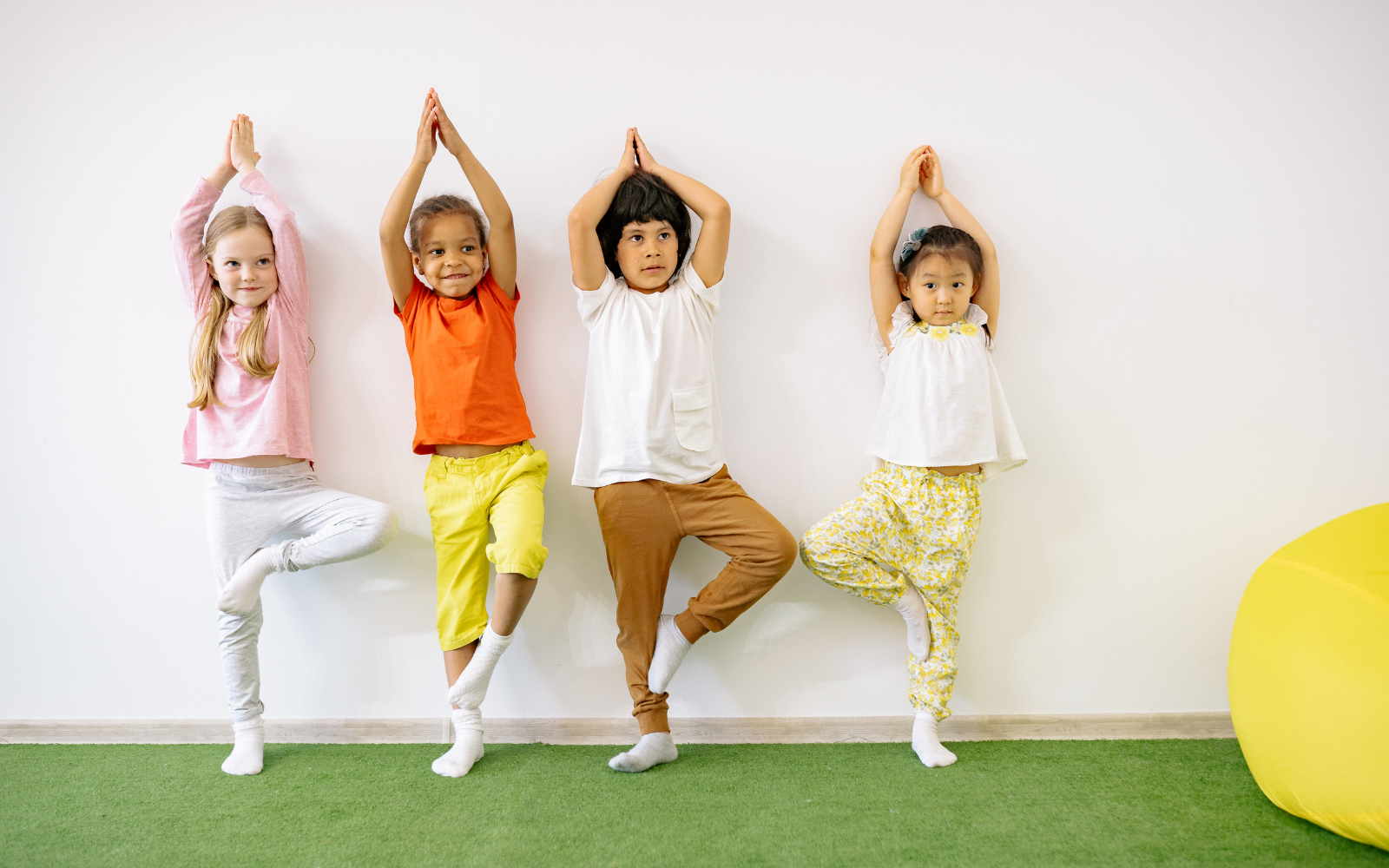
Its adaptability is one of its greatest strengths. Yoga can be modified for beginners, athletes, seniors, children, and individuals with varying fitness levels, making it one of the most accessible forms of exercise available.
Conclusion
The evolution of yoga from an ancient spiritual practice to a modern exercise phenomenon demonstrates its enduring value and versatility. While contemporary yoga often emphasizes physical fitness, its deeper principles of mindfulness, balance, and self-awareness remain at its core. By embracing both its traditional wisdom and modern applications, yoga continues to inspire millions of people on their journey toward better health and well-being.
For those looking to deepen their knowledge and practice, the Yoga Education Institute offers comprehensive yoga training programs designed to connect traditional yogic wisdom with modern teaching methodologies.
Yoga for Women’s Health: Hormones, Strength, and Self-Care
Women’s health is deeply connected to physical movement, emotional balance, hormone regulation, and daily self-care habits. In today’s fast-paced lifestyle, many women experience stress, fatigue, hormonal imbalance, poor sleep, and muscle tension. Yoga has become one of the most effective natural wellness practices for supporting both the body and mind at every stage of life.
From young adults to mothers and older women, yoga offers gentle yet powerful benefits that improve flexibility, mental clarity, strength, and overall well-being. In areas like Woodland Hills, CA, where wellness-focused living continues to grow, more women are turning to yoga classes and holistic health programs to support healthier lifestyles.
How Yoga Supports Women’s Health
Yoga combines physical postures, mindful breathing, and relaxation techniques that work together to support the nervous system and hormonal balance. Unlike high-impact workouts, yoga encourages the body to heal while improving mobility and strength naturally.
Many women practice yoga to help with:
- Stress and anxiety management
- Hormonal balance
- Better sleep quality
- Improved flexibility
- Core and pelvic strength
- Menstrual discomfort
- Emotional wellness
- Energy and focus
Research and wellness communities continue to highlight yoga’s positive effects on women’s physical and emotional health. (reddit.com)
Yoga and Hormonal Balance
Hormones affect nearly every system in the body, including mood, metabolism, sleep, reproductive health, and energy levels. Stress is one of the biggest factors that can disrupt hormonal balance. Yoga helps activate the parasympathetic nervous system, often called the “rest and relax” response, which may help reduce stress hormones naturally.
Gentle yoga practices combined with breathwork can support:
- Reduced cortisol levels
- Improved emotional balance
- Better sleep cycles
- Reduced tension and fatigue
- Relaxation during PMS and menopause
Restorative yoga, meditation, and pranayama are especially beneficial for calming the nervous system and supporting mental wellness.
Building Strength Through Yoga
Many people think yoga is only about stretching, but it is also highly effective for building strength and stability. Yoga postures engage multiple muscle groups at once while improving balance and posture.
Women who practice yoga regularly may experience improved:
- Core strength
- Muscle tone
- Joint mobility
- Balance and coordination
- Postural alignment
- Bone and spine support
Strength-focused yoga styles like Vinyasa and Power Yoga can help improve endurance while still maintaining mindfulness and body awareness.
Self-Care and Mental Wellness
Self-care is more than spa treatments or relaxation days. True self-care means creating healthy routines that support long-term physical and emotional health. Yoga encourages mindfulness, body awareness, and intentional breathing, helping women reconnect with themselves mentally and emotionally.
In busy communities like Woodland Hills, CA, many women use yoga as part of their daily wellness routine to reduce stress and improve work-life balance. A regular yoga practice can create time for reflection, calmness, and emotional reset.
Meditation and mindful breathing often help improve:
- Mental clarity
- Emotional resilience
- Focus and concentration
- Inner calm
- Confidence and self-awareness
Even practicing yoga for 20 to 30 minutes daily can positively impact emotional health.
Yoga for Different Stages of Life
One of the greatest benefits of yoga is that it adapts to every stage of life. Women can modify yoga practices based on age, fitness level, and wellness goals.
Prenatal Yoga
Prenatal yoga supports expecting mothers with gentle movement, breath awareness, and relaxation techniques designed for pregnancy wellness.
Postnatal Yoga
After childbirth, yoga can help women rebuild strength, improve posture, and support emotional recovery.
Menopause Support
Many women use yoga to manage menopause symptoms such as stress, sleep difficulties, mood changes, and stiffness.
Healthy Aging
Yoga also promotes flexibility, balance, and mobility for older women seeking healthy aging and active lifestyles.
Popular Yoga Styles for Women’s Wellness
Different yoga styles offer different benefits depending on personal goals and experience levels.
Hatha Yoga
A slower-paced practice ideal for beginners and stress reduction.
Vinyasa Yoga
A flowing style that improves cardiovascular fitness and muscle tone.
Restorative Yoga
Focuses on deep relaxation using props and gentle stretches.
Targets connective tissues and improves flexibility through long-held poses.
Prenatal Yoga
Designed specifically for the physical and emotional needs of pregnancy.
Finding the right style can help women create a sustainable and enjoyable wellness routine.
Creating a Consistent Yoga Practice
Consistency is more important than intensity. Women do not need advanced poses or long sessions to experience yoga’s benefits. Starting with a few classes each week can improve overall wellness over time.
Helpful tips for building a yoga habit include:
- Practice at the same time daily
- Create a calm yoga space at home
- Focus on progress, not perfection
- Listen to your body’s needs
- Combine movement with mindful breathing
The goal of yoga is not competition but long-term balance and self-awareness.
Conclusion
Yoga continues to be one of the most effective natural approaches for supporting women’s health, emotional balance, strength, and self-care. Whether you are managing stress, improving flexibility, building strength, or creating healthier daily habits, yoga offers lifelong wellness benefits for women of all ages.
For those looking to deepen their yoga knowledge or pursue professional training in Woodland Hills, CA, Yoga Education Institute provides comprehensive yoga education programs designed to support personal growth and professional development.
FAQs
1. Is yoga good for hormonal imbalance?
Yoga may help reduce stress and support relaxation, which can positively affect hormonal balance and emotional wellness.
2. Which yoga style is best for women’s health?
Hatha, Restorative, Yin, and Prenatal Yoga are commonly recommended for women’s wellness and stress management.
3. Can yoga improve strength and flexibility?
Yes, regular yoga practice can improve muscle tone, flexibility, posture, and overall body strength.
4. How often should women practice yoga?
Practicing yoga 3–5 times per week can provide noticeable physical and mental wellness benefits.
5. Is yoga helpful during menopause?
Many women use yoga to manage stress, improve sleep, reduce stiffness, and support emotional balance during menopause.
How Daily Yoga Practice Improves Mental Health and Reduces Stress
In today’s fast-paced world, the mind is constantly stimulated—notifications, responsibilities, and emotional pressures can quietly build into stress and anxiety. As a yoga educator, I often guide students toward one simple yet powerful habit: daily yoga practice. Even a short, consistent routine can create profound shifts in mental clarity, emotional balance, and inner calm.
Let us explore how this gentle discipline supports mental well-being and helps reduce stress in a sustainable, natural way.
1. Calms the Nervous System
Yoga works directly with the breath and body to regulate the nervous system. When you practice slow movements combined with mindful breathing, the body shifts from a “fight or flight” state to a “rest and digest” mode.
Simple techniques like deep breathing or alternate nostril breathing help lower cortisol levels (the stress hormone). Over time, your body learns to respond more calmly to daily challenges rather than reacting impulsively.
2. Enhances Emotional Awareness
Daily yoga creates space for self-observation. As you move through postures and stillness, you begin to notice your thoughts, emotions, and patterns without judgment.
This awareness is powerful. It allows you to:
- Recognize stress triggers
- Respond thoughtfully instead of reacting
- Build emotional resilience
Instead of suppressing feelings, yoga teaches you to acknowledge and release them gently.
3. Improves Breathing Patterns
Many people under stress develop shallow, rapid breathing without realizing it. This can increase anxiety and mental tension.
Through pranayama (breathing exercises), yoga encourages:
- Deep, slow breathing
- Better oxygen flow to the brain
- Reduced heart rate
A few minutes of conscious breathing each day can significantly calm the mind and improve focus.
4. Reduces Anxiety and Overthinking
One of the biggest mental challenges today is overthinking. The mind constantly jumps between past worries and future fears.
Yoga anchors you in the present moment.
When you focus on:
- Your breath
- Body alignment
- Gentle movements
…the mind naturally slows down. This reduces mental clutter and creates a sense of clarity and peace.
5. Releases Physical Tension Stored in the Body
Stress is not just mental—it is stored in the body. Tight shoulders, stiff neck, and lower back discomfort are common signs.
Daily yoga helps release this tension through:
- Stretching
- Gentle movement
- Relaxation poses
As the body relaxes, the mind follows. This connection is essential for overall mental health.
6. Promotes Better Sleep
Stress often leads to poor sleep quality. A restless mind can make it difficult to fall asleep or stay asleep.
Practicing yoga daily, especially in the evening, can:
- Calm the mind before bedtime
- Reduce racing thoughts
- Improve sleep patterns
Even 10–15 minutes of gentle stretches or breathing can prepare your body for deep rest.
7. Boosts Mood Naturally
Yoga stimulates the release of “feel-good” chemicals like serotonin and endorphins. These help elevate mood and reduce feelings of sadness or irritability.
With regular practice, many people experience:
- Increased positivity
- Greater emotional stability
- A sense of inner joy
This natural upliftment makes yoga a powerful tool for mental wellness.
8. Builds Discipline and Routine
Mental health improves when there is consistency in daily habits. Yoga encourages a structured yet flexible routine.
When you commit to practicing daily:
- You create time for yourself
- You develop self-discipline
- You feel more in control of your life
Even a short session each day/ can create a strong foundation for mental balance.
9. Encourages Mind-Body Connection
Yoga is not just physical exercise—it is a holistic practice that connects mind, body, and breath.
This connection helps you:
- Become more aware of your needs
- Recognize early signs of stress
- Take proactive steps to restore balance
Over time, this awareness becomes a lifelong skill.
Simple Daily Practice Tips
If you are just beginning, keep your routine simple and sustainable:
- Start with 10–20 minutes daily
- Include gentle stretches and basic postures
- Practice deep breathing for 5 minutes
- End with relaxation (Savasana)
Consistency is more important than intensity.
Conclusion
Daily yoga is a gentle yet powerful way to support mental health and reduce stress naturally. It helps calm the nervous system, improve emotional awareness, and bring balance to both body and mind. With regular practice, you will begin to notice subtle but meaningful changes—more peace, better focus, and a deeper connection with yourself.
If you are looking to deepen your practice or guide others on this journey, structured learning can make a big difference. Programs offered by Yoga Education Institute provide comprehensive knowledge and practical tools to integrate yoga into everyday life and teaching.
FAQs
1. How long should I practice yoga daily for mental health?
Even 15–20 minutes daily can be effective. Consistency matters more than duration.
2. Can yoga replace therapy for stress and anxiety?
Yoga is a supportive practice but not a replacement for professional treatment when needed. It works best alongside other forms of care.
3. Which type of yoga is best for stress relief?
Gentle styles like Hatha, Restorative, and Yin yoga are excellent for calming the mind.
4. How quickly can I see results from daily yoga?
Many people feel calmer after just one session, but noticeable long-term benefits usually appear within a few weeks.
5. Is yoga suitable for beginners with no experience?
Yes, yoga is beginner-friendly. Start with simple poses and gradually build your practice.
Top Yoga Poses to Improve Flexibility and Posture
In today’s busy lifestyle—especially for professionals and wellness seekers in Woodland Hills, CA—poor posture and limited flexibility have become common concerns. Long sitting hours, screen time, and stress can tighten muscles and misalign the spine. The good news? A consistent yoga practice can gently restore balance.
Yoga combines mindful stretching, breath awareness, and muscle engagement to improve mobility, posture, and overall well-being. Research shows that regular yoga practice enhances range of motion, reduces muscle tension, and supports better posture alignment.
Let’s explore the most effective yoga poses that can transform your flexibility and posture naturally.
Why Flexibility and Posture Matter
Flexibility allows your joints to move freely, while good posture keeps your spine aligned and reduces strain. When muscles are tight, posture suffers—leading to discomfort in the neck, shoulders, and lower back.
Yoga helps by:
- Lengthening tight muscles
- Strengthening core and stabilizers
- Improving body awareness
- Reducing stress and tension
1. Downward-Facing Dog (Adho Mukha Svanasana)
This foundational pose stretches the entire body—especially hamstrings, calves, shoulders, and spine.
Benefits:
- Improves full-body flexibility
- Relieves back stiffness
- Enhances posture by elongating the spine
Tip: Keep your knees slightly bent if your hamstrings are tight.
2. Cat-Cow Pose (Marjaryasana-Bitilasana)
A gentle flow between two poses that mobilizes the spine.
Benefits:
- Increases spinal flexibility
- Improves posture awareness
- Releases tension in neck and shoulders
Practice Insight: Move slowly with your breath for maximum benefit.
3. Cobra Pose (Bhujangasana)
A powerful backbend that opens the chest and strengthens the spine.
Benefits:
- Counteracts slouching
- Strengthens lower back muscles
- Improves posture alignment
Backbends like Cobra are especially helpful for reversing the effects of prolonged sitting.
4. Child’s Pose (Balasana)
A restorative posture that gently stretches the back and hips.
Benefits:
- Releases lower back tension
- Promotes relaxation
- Supports spinal decompression
Perfect for beginners or as a recovery pose.
5. Standing Forward Fold (Uttanasana)
A deep stretch for hamstrings and spine.
Benefits:
- Improves flexibility in the posterior chain
- Reduces stiffness in lower back
- Encourages proper spinal alignment
Consistency with forward bends improves mobility over time.
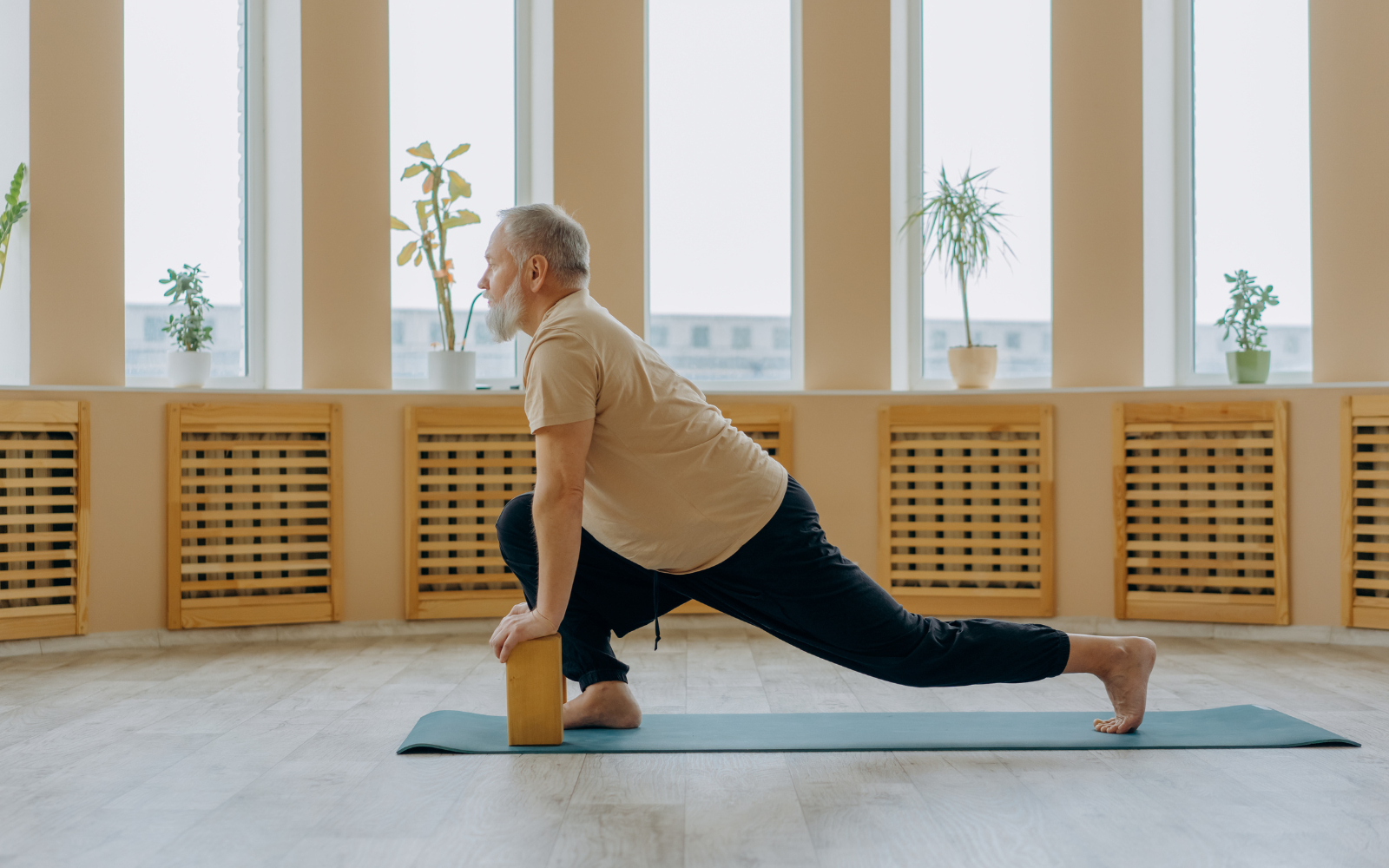
6. Low Lunge (Anjaneyasana)
Targets hip flexors, which are often tight due to sitting.
Benefits:
- Opens hips and improves posture
- Enhances balance and flexibility
- Reduces lower back strain
Hip flexibility plays a key role in maintaining upright posture.
7. Mountain Pose (Tadasana)
Though simple, this is the foundation of proper posture.
Benefits:
- Improves body alignment
- Strengthens core and legs
- Builds posture awareness
Trainer Tip: Stand tall, engage your core, and align ears over shoulders.
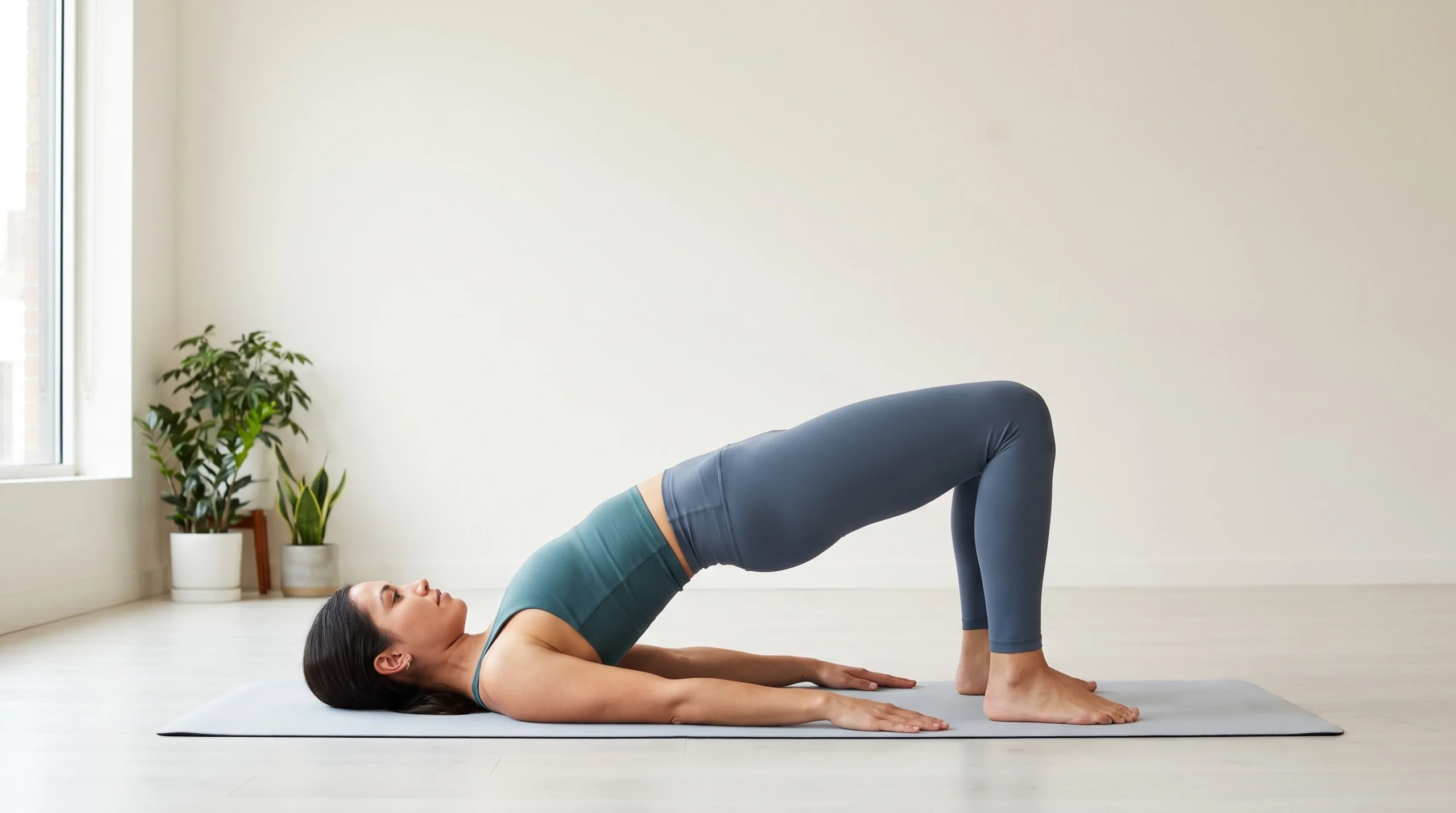
8. Bridge Pose (Setu Bandhasana)
A gentle backbend that strengthens and stretches simultaneously.
Benefits:
- Opens chest and shoulders
- Strengthens glutes and lower back
- Improves spinal flexibility
This pose is excellent for counteracting desk posture.
9. Seated Forward Bend (Paschimottanasana)
A calming stretch for the entire back body.
Benefits:
- Lengthens spine and hamstrings
- Improves digestion and relaxation
- Enhances flexibility gradually
10. Triangle Pose (Trikonasana)
A standing pose that builds strength and flexibility.
Benefits:
- Stretches hips, hamstrings, and spine
- Improves balance and posture
- Enhances body coordination
Tips for Practicing Yoga Safely
- Move slowly and avoid forcing stretches
- Focus on breath and alignment
- Use props like blocks or straps if needed
- Practice consistently (10–20 minutes daily can make a difference)
Remember, flexibility improves with consistency—not intensity.
Final Thoughts
Improving flexibility and posture is not about achieving perfect poses—it’s about creating balance in the body. With regular practice, these yoga poses can help you move freely, stand taller, and feel more confident in your daily life.
If you’re in Woodland Hills, CA and looking to deepen your practice or become a certified instructor, explore professional training programs at https://yogaeducation.org/ to take your yoga journey to the next level.
Yoga for Back Pain: Does It Really Work (Los Angeles Guide)
Does Yoga Help Back Pain in Los Angeles?
Back pain is one of the most common problems people deal with in Los Angeles. Long commutes, desk jobs, and constant screen time all add pressure to the spine. Many people rely on temporary solutions, but the pain keeps coming back.
So the real question is: does yoga actually help with back pain?
The answer is yes. When practiced correctly, yoga can help reduce pain, improve posture, and strengthen the body over time.
If you are new to yoga, you can explore structured beginner guidance through an online yoga teacher training program.
How Yoga Helps with Back Pain
Yoga focuses on the root causes of pain rather than offering only short-term relief. It supports the body through movement, awareness, and breathing.
Improves Flexibility
Tight muscles in the back, hips, and legs are a major cause of discomfort. Yoga stretches these areas and helps reduce stiffness over time.
Builds Strength
Weak core and back muscles often lead to poor posture and extra strain on the spine. Yoga strengthens these muscles and helps support the back more effectively.
Improves Posture
Sitting for long hours is common in Los Angeles. Yoga helps improve posture and reduce pressure on the lower back by training the body to move and sit better.
Reduces Stress
Stress can increase muscle tension and make back pain worse. Yoga includes breathing techniques that help relax both the body and the mind.
Best Yoga Poses for Back Pain
These beginner-friendly yoga poses are often used to support back pain relief:
- Child’s Pose
- Cat-Cow Stretch
- Downward Dog
- Cobra Pose
- Bridge Pose
If you want a deeper understanding of how yoga works step by step, you can review this yoga training curriculum.
When Yoga Works Best for Back Pain
Yoga is often effective for:
- Mild to moderate back pain
- Pain caused by poor posture
- Muscle stiffness and tightness
It works best when practiced consistently over time instead of only once in a while.
When to Be Careful
Yoga is not a replacement for medical care in serious situations. You should be cautious if you have:
- Severe or sharp pain
- Spine injuries
- Chronic conditions
In these cases, it is better to begin with guided programs instead of random practice.
Yoga Classes in Los Angeles for Back Pain
Los Angeles offers many yoga options, but not all classes are beginner-friendly. Choosing a structured learning path is important, especially if your goal is long-term improvement rather than short-term relief.
If you want to go beyond basic practice and fully understand yoga, explore certified yoga teacher training.
This can also open the door to turning yoga into a career.
How to Start Yoga for Back Pain
Keep your approach simple:
- Start with beginner-level sessions
- Practice 3 times per week
- Focus on slow, controlled movements
- Avoid pushing too hard
Consistency is the key to results.
Online vs Studio Yoga
Studio classes provide real-time correction and guidance. Online programs offer flexibility and convenience. Many people in Los Angeles combine both for better results.
Why Back Pain Is So Common in Los Angeles
Back pain in Los Angeles is often connected to daily lifestyle habits, including:
- Long hours of sitting
- Driving every day
- Busy and stressful schedules
Yoga works well because it fits into daily life without requiring major lifestyle changes.
Why This Matters for Search and User Experience
People searching online often want clear answers to practical questions such as:
- Does yoga help back pain?
- What are the best yoga poses for back pain?
- How can beginners start safely?
Clear, structured answers like these help readers quickly find what they need and improve visibility in modern AI-based search systems.
Final Thoughts
Yoga can be a powerful and natural way to relieve back pain, especially for people living a fast-paced Los Angeles lifestyle. By improving flexibility, posture, strength, and stress management, yoga addresses many of the root causes of discomfort.
Start simple, stay consistent, and choose beginner-friendly guidance. Over time, small regular sessions can lead to noticeable improvement.
Frequently Asked Questions
Does yoga really help with back pain?
Yes. Yoga improves flexibility, strength, and posture, which helps reduce back pain.
How long does it take to see results?
Most people notice improvement within a few weeks of regular practice.
Which yoga is best for back pain?
Gentle styles like Hatha yoga are usually best for beginners.
Can beginners safely do yoga for back pain?
Yes. Beginner-friendly yoga is generally safe when done correctly and gradually.
How often should I practice yoga?
Practicing 3 to 4 times per week is enough for consistent improvement.