Yoga for Stiff Beginners: Simple Routine to Reduce Gym Soreness and Build Flexibility

If you’ve recently started going to the gym, you’ve probably felt it already:

  • Tight legs
  • Sore shoulders
  • Stiff back

That heavy, uncomfortable feeling the day after a workout is common for beginners. While some soreness is part of the process, staying stiff all the time can slow progress, affect performance, and make workouts harder than they need to be.

That’s where yoga can help. You do not need advanced poses or extreme flexibility. A few simple yoga movements can help your body recover, loosen tight muscles, and improve the way you move.

Why Beginners Feel So Stiff After the Gym

When you exercise, your muscles go through stress. Tiny tears form in the muscle fibres, which is a normal part of building strength. This often leads to delayed onset muscle soreness, also known as DOMS.

This can cause:

  • Muscle soreness
  • Reduced flexibility
  • Tight joints
  • Limited movement

Without proper recovery, your body can stay tight for days, which may affect your next training session.

Why Yoga Is Perfect for Gym Recovery

Yoga for beginners is one of the best ways to support recovery after exercise. Unlike basic stretching, yoga combines movement, mobility, and breathing, which helps the body relax and recover more effectively.

Yoga can help improve:

  • Blood flow to muscles
  • Flexibility and mobility
  • Muscle relaxation
  • Breathing and recovery

The result is less stiffness, better movement, and faster recovery between workouts.

Simple Yoga Routine for Stiff Beginners

If you feel tight after the gym and want an easy place to start, try this simple yoga routine. You can do it after workouts or on rest days.

1. Child’s Pose for Back and Shoulder Relief

Child’s Pose is one of the easiest and most effective yoga stretches for beginners. It helps release tension in the lower back, shoulders, and upper body.

  • Hold for 30 to 60 seconds
  • Focus on slow, steady breathing

2. Downward Dog for a Full Body Stretch

Downward Dog stretches the hamstrings, calves, back, and shoulders. If it feels too intense, bend your knees slightly to reduce pressure.

  • Hold for 30 seconds

3. Cat-Cow Stretch for Spinal Mobility

Cat-Cow is great for improving movement in the spine and reducing back stiffness after exercise.

  • Inhale and arch your back
  • Exhale and round your back
  • Repeat for 8 to 10 slow reps

4. Low Lunge for Tight Hip Flexors

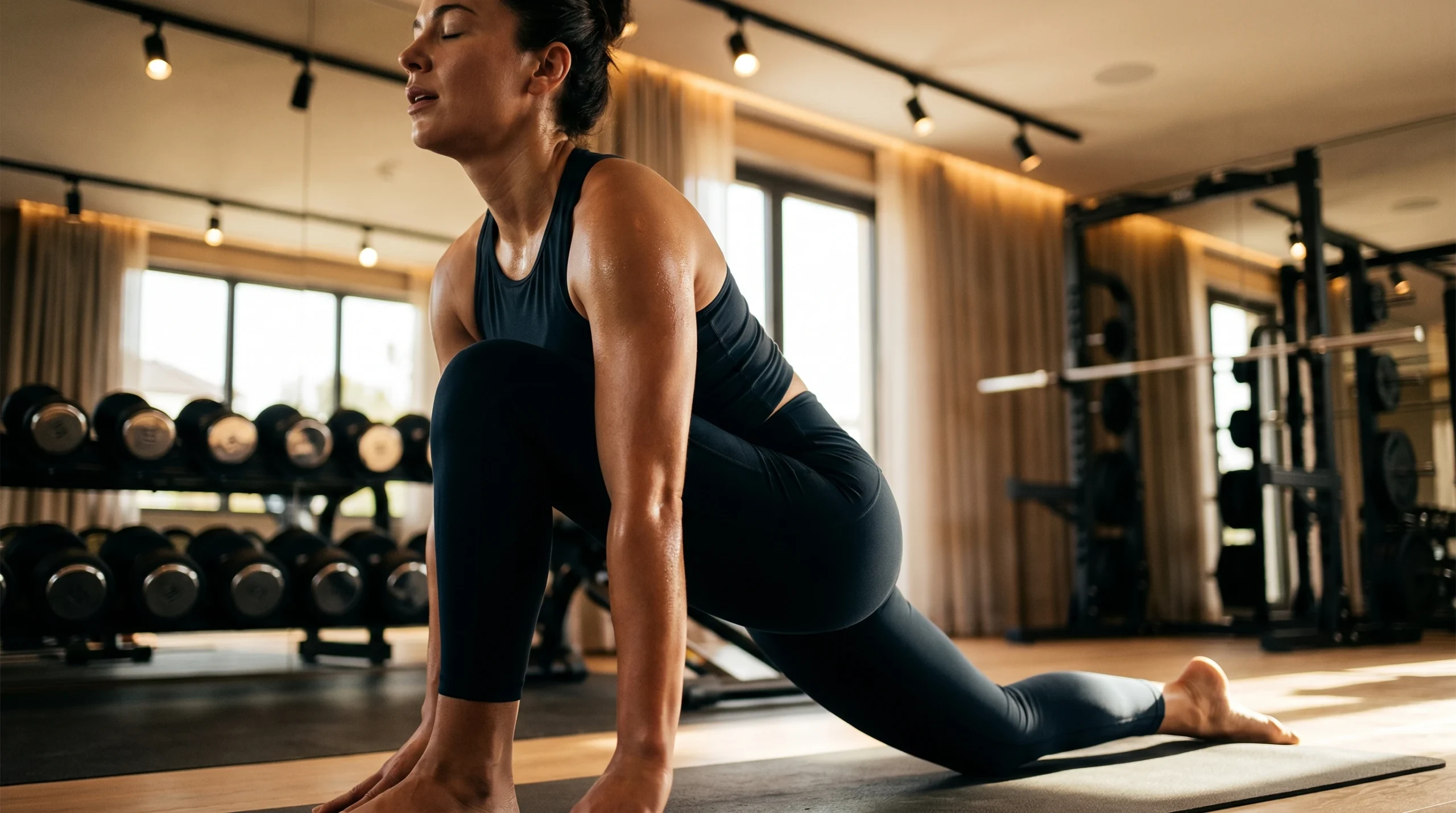
Low Lunge is especially helpful for people who sit a lot or train legs regularly. It opens up the hips and improves lower body mobility.

  • Hold for 30 seconds on each side

5. Seated Forward Fold for Hamstring Flexibility

Tight hamstrings are common in beginners. This stretch helps lengthen the back of the legs and improve flexibility over time.

  • Hold for 30 seconds
  • Do not force the stretch

6. Standing Quad Stretch for Sore Legs

This simple stretch helps reduce tension in the thighs after lower body training or leg day workouts.

  • Hold for 30 seconds on each leg

How Often Should You Do Yoga for Recovery?

Keep it simple. For most beginners, doing yoga 3 to 4 times per week is enough to notice a difference.

You can do it:

  • After workouts
  • On rest days
  • At home with no equipment

Consistency matters more than doing long sessions.

Common Mistakes Beginners Make

Skipping Recovery Completely

Many people focus only on training and ignore recovery. Over time, this can lead to more stiffness and poorer movement quality.

Forcing Flexibility

Yoga is not about pushing as hard as possible. It works best when you relax into the movement and let flexibility improve gradually.

Being Inconsistent

Doing yoga once in a while will not make a major difference. Regular practice is what helps your body loosen up and recover better.

How Yoga Improves Gym Performance

When your body feels less stiff, your workouts usually feel better too. Better recovery leads to better movement, and better movement leads to better results.

  • You move better
  • You lift with better form
  • You reduce injury risk
  • You recover faster

If you’re already training regularly, combining yoga with a solid strength routine can make a big difference.

Read also: 5 Ways to Improve Your Physical Strength

If You’re Still Feeling Tight

Sometimes stiffness is not only caused by workouts. It can also come from poor movement patterns, weak mobility, or training mistakes.

In that case, proper coaching can help you improve technique, train smarter, and recover properly.

Explore Personal Training Support

Build a Simple Weekly Routine

If you are just getting started, a simple weekly structure works well:

  • 3 gym sessions
  • 2 to 3 short yoga sessions
  • Rest days in between

If you are unsure how often to train, this guide can help:

Learn How to Improve Your Cardio Fitness

Final Thoughts

You do not need to be flexible to start yoga. You just need to start.

If you feel stiff after workouts, adding just 10 to 15 minutes of simple yoga can make a real difference. Less stiffness leads to better movement, better recovery, and better results in the gym.

Keep it simple, stay consistent, and your body will thank you.

Frequently Asked Questions

Is yoga good for muscle soreness?

Yes. Yoga improves blood flow and helps muscles recover faster, reducing soreness and stiffness.

Can beginners do yoga if they are not flexible?

Yes. You do not need to be flexible to start. Yoga helps improve flexibility over time.

How long should a yoga session be for recovery?

Even 10 to 15 minutes is enough for beginners.

Should I do yoga before or after gym?

Yoga is usually best after workouts or on rest days if your goal is recovery.

How long does it take to improve flexibility?

Most beginners notice improvements within 2 to 4 weeks of regular practice.
Kids Yoga: A Fun Path to Focus, Confidence & Calm Minds

In today’s fast-moving world, children are exposed to constant stimulation—screens, school pressure, and social expectations. As a result, many kids struggle with focus, emotional regulation, and self-confidence. This is where kids yoga becomes a gentle yet powerful solution.

As a yoga educator, I often see how simple practices can create deep transformation in children. Yoga is not just about physical postures; it is a complete system that nurtures the mind, body, and emotions in a balanced way.

Let us explore how yoga supports children in developing focus, confidence, and emotional balance—while keeping the practice fun and engaging.

1. Improving Focus Through Mindful Movement

Children naturally have high energy levels. Instead of suppressing this energy, yoga channels it in a structured and mindful way.

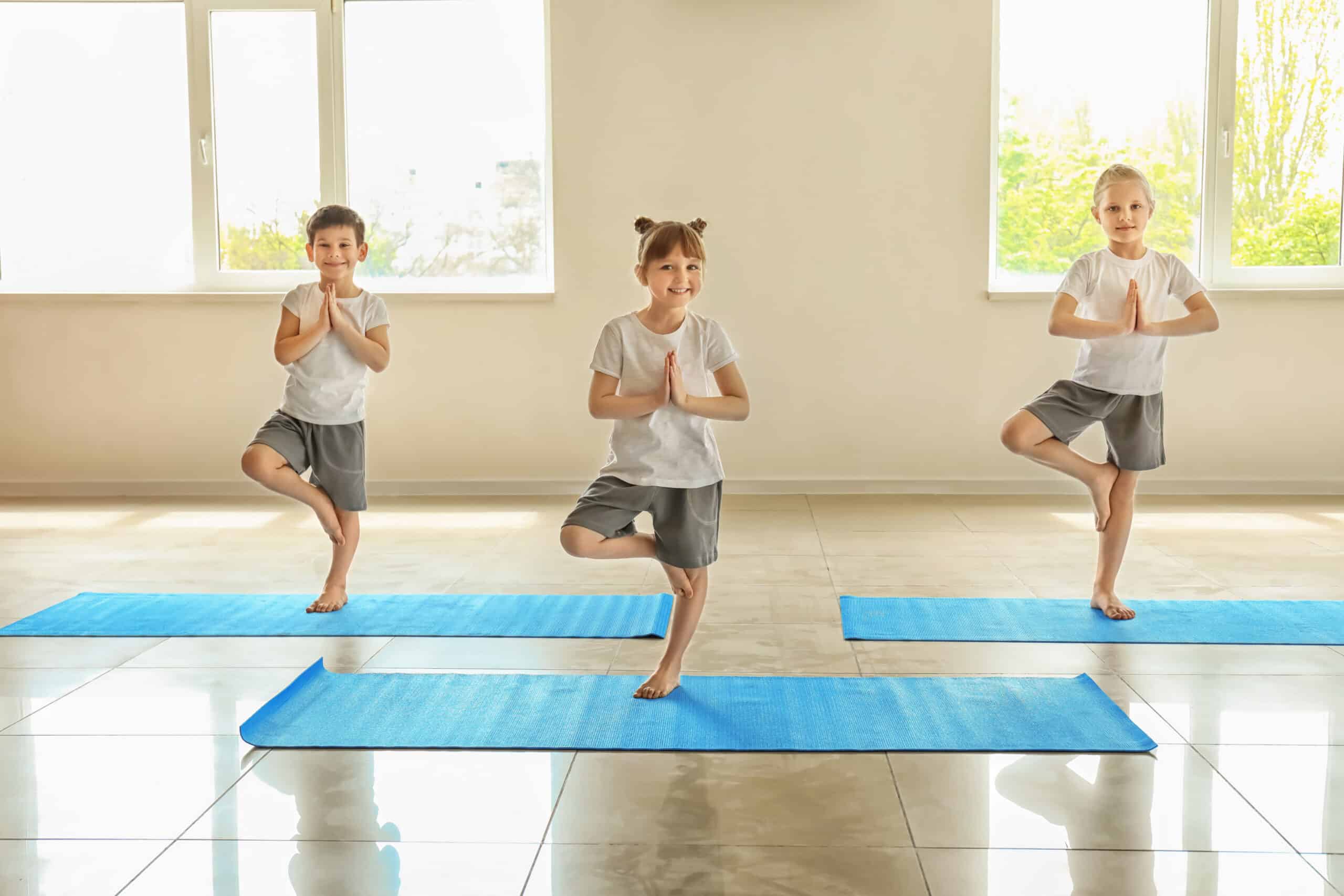
Through simple poses like Tree Pose or Butterfly Pose, children learn to stay present. Holding a pose requires attention, balance, and awareness. Over time, this improves their concentration not just in yoga sessions, but also in school and daily activities.

Breathing exercises play a key role here. Techniques like deep belly breathing or counting breaths help calm the nervous system. When the mind becomes steady, focus improves naturally.

Tip for practice:
Encourage children to focus on their breath while holding a pose. Even 5–10 seconds of awareness can make a difference.

2. Building Confidence Through Self-Expression

Confidence in children grows when they feel safe to express themselves. Kids yoga creates a non-judgmental environment where there is no “perfect pose.”

Unlike competitive sports, yoga emphasizes personal growth. Every child progresses at their own pace. This helps them develop self-acceptance and trust in their abilities.

Creative yoga activities—like animal poses, storytelling, or role-play—make children feel empowered. When a child successfully performs a pose or remembers a sequence, it builds a sense of achievement.

Example:
A shy child may hesitate initially, but after a few sessions, they begin to participate actively, speak up, and even lead poses.

This gradual transformation strengthens inner confidence.

3. Supporting Emotional Balance

Children experience a wide range of emotions but often lack the tools to manage them. Yoga provides a healthy outlet for emotional expression.

Through relaxation techniques and mindfulness, children learn to observe their feelings instead of reacting impulsively. Practices like guided relaxation (Yoga Nidra for kids) help release stress and tension.

Breathing exercises such as “balloon breathing” or “bee breathing” are especially effective in calming anxiety and anger.

How it helps emotionally:

Over time, children become more emotionally balanced and better equipped to handle challenges.

4. Enhancing Body Awareness and Coordination

Yoga improves physical awareness, which is closely linked to mental clarity. When children understand how their body moves, they feel more in control.

Simple stretches and balancing poses improve:

  • Flexibility
  • Strength
  • Coordination
  • Posture

This physical development contributes to a positive self-image. Children feel stronger, more capable, and more confident in their bodies.

5. Encouraging Discipline in a Fun Way

Discipline is often misunderstood as strict control. In yoga, discipline is developed gently through routine and consistency.

Regular practice teaches children:

  • The value of patience
  • The importance of practice
  • How to follow instructions mindfully

Since yoga sessions are fun and interactive, children learn discipline without feeling pressured.

6. Strengthening Social Skills

Kids yoga is often practiced in groups, which helps children interact positively with others.

Partner poses and group activities encourage:

  • Teamwork
  • Communication
  • Empathy

Children learn to respect others’ space and support their peers. This builds healthy social behavior and emotional intelligence.

7. Creating a Calm and Positive Mindset

Yoga introduces children to the concept of stillness—something rare in today’s busy lifestyle.

Even a few minutes of relaxation at the end of a session can:

A calm child is more focused, confident, and emotionally stable.

8. Making Kids Yoga Fun and Engaging

To keep children interested, yoga should be playful and creative. Here are some ideas:

  • Use animal-themed poses (lion, cat, cobra)
  • Add storytelling elements
  • Include music and rhythm
  • Keep sessions short and interactive

Remember, the goal is not perfection but participation and enjoyment.

(FAQs)

1. At what age can children start yoga?

Children can start yoga as early as 4–5 years old with simple and playful practices. The approach should always be age-appropriate.

2. How long should a kids yoga session be?

A session of 20–30 minutes is ideal for younger children, while older kids can practice for 30–45 minutes.

3. Can yoga help children with anxiety or hyperactivity?

Yes, yoga is highly beneficial. Breathing exercises and relaxation techniques help calm the mind and reduce anxiety and hyperactive behavior.

4. Do children need flexibility to do yoga?

No, flexibility is not required. Yoga helps improve flexibility gradually over time.

5. How often should kids practice yoga?

Practicing 2–3 times a week is effective. Even short daily sessions can bring noticeable benefits.

Conclusion

Kids yoga is a beautiful blend of movement, breath, and mindfulness that supports holistic development. It nurtures focus, builds confidence, and creates emotional balance in a natural and joyful way.

By introducing yoga early in life, we give children a lifelong tool for well-being. Whether practiced at home or in a structured setting, yoga helps children grow into calm, confident, and aware individuals.

To explore structured learning and professional guidance, consider programs offered by Yoga Education Institute, where holistic development is at the heart of every practice.

How Should a Beginner Start Yoga?

Starting yoga as a beginner can feel overwhelming, but the truth is—it’s one of the most accessible and rewarding practices for both body and mind. Whether you’re in Woodland Hills, CA, or anywhere else, you don’t need flexibility or prior experience to begin. You just need the right approach.

In this beginner-friendly guide, you’ll learn how to start yoga safely, build consistency, and create a sustainable routine.

Why Yoga is Perfect for Beginners

Yoga is more than just stretching—it improves strength, flexibility, balance, and mental clarity. Regular practice can enhance mobility and posture and reduce stress levels over time. 

For beginners, yoga helps:

  • Improve flexibility and body awareness
  • Build strength gradually
  • Reduce stress and anxiety
  • Support better posture and breathing

The key is to start simple and stay consistent.

Step 1: Choose the Right Type of Yoga

Not all yoga styles are beginner-friendly. Starting with the right type will make your journey smoother.

Best styles for beginners:

  • Hatha Yoga – slow-paced and ideal for learning basics
  • Yin Yoga – focuses on deep stretching and relaxation
  • Restorative Yoga – great for stress relief and recovery

Avoid intense styles like Ashtanga or power yoga in the beginning, as they can feel overwhelming. 

Step 2: Learn Basic Yoga Poses

You don’t need to learn dozens of poses. Focus on a few foundational ones:

  • Child’s Pose (relaxation and recovery)
  • Downward Dog (full-body stretch)
  • Mountain Pose (posture and alignment)
  • Cat-Cow (spinal flexibility)
  • Warrior I & II (strength and balance)

These poses form the base of most yoga routines and help you build confidence early on. 

Step 3: Focus on Breathing

Breathing is what separates yoga from regular exercise. Proper breathing improves focus and helps your body relax into poses.

A simple technique for beginners:

  • Inhale through your nose
  • Exhale slowly through your nose
  • Keep your breath steady and controlled

Many beginners overlook this, but breath control is essential for progress and safety.

Step 4: Start with Short Sessions

You don’t need hour-long classes to begin. In fact, shorter sessions are more effective for building a habit.

Start with:

  • 15–20 minutes per session
  • 3–4 times per week

Consistency matters more than intensity. Even short sessions can improve flexibility and strength over time.

Step 5: Practice at Home or Join a Class

If you’re in Woodland Hills, CA, you have two great options:

Practice at Home

  • Use beginner-friendly YouTube videos
  • Follow guided routines
  • Practice in a quiet, comfortable space

Join a Local Studio

  • Get guidance from certified instructors
  • Learn correct posture and alignment
  • Stay motivated with a community

For beginners, combining both options works best.

Step 6: Use Basic Yoga Equipment

You don’t need expensive gear to start yoga. Keep it simple:

  • Yoga mat (for grip and comfort)
  • Comfortable clothing
  • Optional: yoga blocks or straps

Many beginners start with just a mat and gradually add accessories.

Step 7: Listen to Your Body

One of the biggest mistakes beginners make is pushing too hard.

Remember:

  • Yoga is not about perfection
  • Avoid pain—stretch, don’t strain
  • Take breaks when needed

Progress in yoga is gradual, and patience is key.

Common Beginner Mistakes to Avoid

  • Skipping warm-up or cool-down
  • Comparing yourself to others
  • Ignoring breathing techniques
  • Practicing inconsistently

Yoga is a personal journey—focus on your own progress.

How Long Does It Take to See Results?

With regular practice, beginners may notice:

  • Improved flexibility in 2–4 weeks
  • Better posture and strength in 4–8 weeks
  • Reduced stress almost immediately

Consistency is the most important factor for long-term benefits. 

Final Thoughts

Starting yoga as a beginner doesn’t require perfection—it requires patience, consistency, and awareness. Begin with simple poses, focus on breathing, and build a routine that fits your lifestyle in Woodland Hills, CA.

For deeper learning, structured programs, and expert guidance, visit Yoga Education Institute at:
👉 https://yogaeducation.org/

They provide valuable resources for beginners looking to build a strong foundation and advance safely in their yoga journey.

Beginner’s Guide to Yoga: Poses, Benefits, and Common Mistakes

Yoga has become one of the most popular wellness practices worldwide—and for good reason. Whether your goal is to improve flexibility, reduce stress, or build strength, yoga offers a holistic approach to physical and mental well-being. If you’re new to yoga, this beginner-friendly guide will walk you through essential poses, key benefits, and common mistakes to avoid so you can start your journey with confidence.

What Is Yoga?

Yoga is an ancient practice that combines physical postures, breathing techniques, and mindfulness. Today, it is widely recognized for its ability to improve both physical health and mental clarity. Beginners often start with simple poses and gradually progress to more advanced sequences.

Top Benefits of Yoga for Beginners

1. Improves Flexibility

One of the most searched benefits of yoga is improved flexibility. Regular practice helps loosen tight muscles and increases your range of motion.

2. Reduces Stress and Anxiety

Yoga incorporates deep breathing and meditation, which are proven to lower cortisol levels and promote relaxation.

3. Enhances Strength and Balance

Many yoga poses require you to support your body weight, helping build muscle strength and improve balance.

4. Boosts Mental Focus

Mindfulness in yoga helps sharpen concentration and enhances mental clarity.

5. Supports Better Posture

Yoga strengthens core muscles and aligns your body, reducing back and neck pain caused by poor posture.

Essential Yoga Poses for Beginners

If you’re just starting, focus on these basic yoga poses that are easy yet highly effective.

1. Mountain Pose (Tadasana)

This foundational pose helps improve posture and balance. Stand tall with your feet together and arms at your sides, focusing on steady breathing.

2. Downward Dog (Adho Mukha Svanasana)

A popular beginner yoga pose that stretches the entire body. It strengthens arms and legs while improving flexibility.

3. Child’s Pose (Balasana)

Perfect for relaxation, this pose gently stretches your back and hips while calming the mind.

4. Warrior I (Virabhadrasana I)

This powerful pose builds strength in your legs and improves focus and stability.

5. Cat-Cow Stretch (Marjaryasana-Bitilasana)

A gentle flow between two poses that warms up the spine and improves flexibility.

How to Start Yoga at Home

Starting yoga at home is easier than ever. Follow these beginner tips:

Choose a quiet space: Ensure you have enough room to move freely.

Use a yoga mat: It provides comfort and prevents slipping.

Wear comfortable clothing: Stretchable clothes help you move easily.

Follow online classes: Beginner yoga videos can guide your practice.

Start slow: Begin with 10–15 minutes daily and gradually increase duration.

Common Yoga Mistakes Beginners Should Avoid

Even though yoga seems simple, beginners often make mistakes that can affect progress or cause injury.

1. Skipping Warm-Up

Jumping straight into poses without warming up can strain muscles. Always start with gentle stretches.

2. Ignoring Breathing

Breathing is a core part of yoga. Holding your breath can reduce the effectiveness of your practice.

3. Comparing Yourself to Others

Yoga is a personal journey. Avoid comparing your progress with others, especially in classes or online videos.

4. Overstretching

Pushing your body too hard can lead to injuries. Listen to your body and respect its limits.

5. Poor Alignment

Incorrect posture can reduce benefits and cause discomfort. Focus on proper alignment rather than depth in poses.

Tips for Staying Consistent with Yoga

Consistency is key to seeing results in yoga. Here are some tips to stay motivated:

  • Set a fixed time daily for practice
  • Start with short sessions and increase gradually
  • Track your progress
  • Join a yoga community or online group
  • Practice mindfulness along with physical poses

Yoga for Weight Loss and Fitness

Yoga is also widely searched for weight loss and fitness. While it may not burn calories as quickly as high-intensity workouts, it helps regulate metabolism, improve digestion, and reduce stress-related eating. Power yoga and vinyasa flow are great options for those looking to lose weight.

Yoga and Mental Health

Yoga is highly effective for mental health. Regular practice can help with:

The combination of breathing exercises and meditation plays a crucial role in achieving mental peace.

Conclusion

Yoga is a powerful practice that benefits both the body and mind. As a beginner, focus on learning basic poses, maintaining proper form, and practicing regularly. Avoid common mistakes and progress at your own pace. With consistency and patience, yoga can transform your overall well-being and lifestyle. To deepen your knowledge and explore structured learning, you can visit https://yogaeducation.org/

FAQs About Yoga for Beginners

1. How often should beginners do yoga?

Beginners should aim for at least 3–4 sessions per week, starting with 15–30 minutes per session.

2. Can I do yoga every day?

Yes, daily yoga practice is safe if you listen to your body and avoid overexertion.

3. Do I need to be flexible to start yoga?

No, flexibility is a result of yoga, not a requirement. Anyone can start regardless of fitness level.

4. What is the best time to practice yoga?

Early morning is ideal, but you can practice anytime that fits your schedule.

5. Is yoga enough for weight loss?

Yoga supports weight loss by improving metabolism and reducing stress, but combining it with a healthy diet enhances results.

15-Minute Morning Yoga Routine for Energy, Focus, and Productivity

Starting your day with a morning yoga routine at home is one of the most powerful habits you can build for physical health and mental clarity. Whether you’re looking for a morning yoga routine for beginners or a structured 30-minute morning yoga routine, yoga helps awaken your body, improve flexibility, and sharpen focus for the day ahead.

In today’s fast-paced lifestyle, even a morning yoga routine 10 minutes long can create noticeable improvements in energy, posture, and productivity. Let’s explore how you can design the perfect routine that works for everyone—including men, women, and beginners.

Why a Morning Yoga Routine Matters

Practicing yoga in the morning has both physical and mental benefits. It helps stimulate blood circulation, loosen stiff muscles, and improve focus before your day begins. According to yoga experts, even a few rounds of movement can boost metabolism, enhance flexibility, and reduce stress levels .

A consistent morning yoga routine for flexibility also trains your body to move better throughout the day. Plus, syncing breath with movement creates a meditative state that improves emotional balance and concentration.

Morning Yoga Routine for Beginners (10–15 Minutes)

If you’re new to yoga, start simple. A morning yoga routine for beginners should focus on gentle stretching and breathing.

Step-by-step beginner flow:

  1. Deep Breathing (2 minutes)
    Sit comfortably and focus on slow inhales and exhales.
  2. Neck & Shoulder Rolls (2 minutes)
    Release tension built up during sleep.
  3. Cat-Cow Stretch (2 minutes)
    Improves spine mobility and warms up the body.
  4. Downward Dog (2 minutes)
    Stretches hamstrings and strengthens arms.
  5. Child’s Pose (2 minutes)
    Helps relax and reset the body.
  6. Standing Forward Fold (2 minutes)
    Enhances flexibility and blood flow.

This simple morning yoga routine at home is perfect if you’re short on time but still want maximum benefits.

Morning Yoga Routine Sun Salutation (Core Practice)

The backbone of any effective yoga session is the morning yoga routine sun salutation (Surya Namaskar). This sequence includes 12 poses that flow together seamlessly and provide a full-body workout.

Key benefits:

  • Full-body stretch and strength
  • Improved flexibility and posture
  • Better focus and mindfulness
  • Increased energy levels

Even practicing 3–6 rounds can energize your entire body and mind for the day.

30 Minute Morning Yoga Routine (Advanced Flow)

If you have more time, a 30-minute morning yoga routine can take your practice deeper.

Suggested structure:

  • 5 minutes: Breathing + warm-up
  • 15 minutes: Sun salutations (8–10 rounds)
  • 5 minutes: Standing poses (Warrior I & II)
  • 5 minutes: Cool down + meditation

This extended routine improves endurance, builds strength, and enhances mental clarity.

Morning Yoga Routine for Men

A morning yoga routine for men often focuses on strength, mobility, and stress relief. Men tend to have tighter hamstrings and hips, so incorporating poses like

  • Downward Dog
  • Plank
  • Lunges
  • Cobra Pose

…can improve flexibility and prevent injuries. Regular practice also boosts stamina and posture.

Morning Yoga Routine for Women

A morning yoga routine for women typically emphasizes flexibility, balance, and hormonal wellness. Gentle flows combined with stretching can:

  • Improve core strength
  • Support weight management
  • Reduce stress and anxiety

Poses like Child’s Pose, Cat-Cow, and hip openers are especially beneficial.

Morning Yoga Routine for Flexibility

If your goal is flexibility, consistency is key. A focused morning yoga routine for flexibility should include:

Over time, these movements lengthen muscles and improve range of motion, making daily activities easier.

Tips for a Successful Morning Yoga Practice

  • Practice on an empty stomach
  • Start slow and gradually increase intensity
  • Focus on breathing with each movement
  • Stay consistent—even 10 minutes daily helps
  • Choose a quiet, well-ventilated space

Yoga experts recommend practicing in the morning because it helps “wake up muscles, boost circulation, and set a calm tone for the day” .

FAQs (Trending & High-Search Questions)

1. What is the best morning yoga routine at home?

The best routine includes breathing, stretching, and sun salutations. Even 10–15 minutes daily can improve energy and flexibility.

2. Is a 10-minute morning yoga routine effective?

Yes, a morning yoga routine 10 minutes long can boost circulation, reduce stiffness, and improve focus when practiced consistently.

3. How many sun salutations should I do in the morning?

Beginners can start with 3–5 rounds, while advanced practitioners may do 10–12 rounds depending on fitness level .

4. Can beginners do a morning yoga routine daily?

Absolutely. A morning yoga routine for beginners should start with gentle poses and gradually progress over time.

5. Is morning yoga better than evening yoga?

Morning yoga energizes and prepares you for the day, while evening yoga helps relaxation. Both are beneficial, but mornings are ideal for productivity.

Conclusion

Building a consistent yoga habit doesn’t require hours—just commitment. Whether you follow a morning yoga routine at home, a quick morning yoga routine 10 minutes, or a full 30 minute morning yoga routine, the key is consistency.

Start small, stay consistent, and gradually deepen your practice. Over time, you’ll notice improved energy, better focus, and enhanced overall well-being.

To take your practice further, explore structured guidance from Yoga Education Institute through this helpful resource: https://yogaeducation.org/

Prenatal Yoga Benefits Every Expecting Mother Should Know

Pregnancy is a beautiful journey, but it also brings physical discomfort, emotional changes, and mental stress. That’s why more women today are turning to prenatal yoga as a safe and effective way to stay healthy during pregnancy. With rising searches for terms like “prenatal yoga benefits,” “pregnancy yoga exercises,” “safe workouts during pregnancy,” and “yoga for pregnant women,” it’s clear that expecting mothers are actively seeking natural wellness solutions.

In this blog, we’ll explore the most important prenatal yoga benefits, why it’s trending worldwide, and how it supports both mother and baby.

What is Prenatal Yoga?

Prenatal yoga is a specially designed form of yoga tailored for pregnant women. It focuses on gentle stretching, controlled breathing, relaxation techniques, and safe physical postures that adapt to the changing body.

Unlike regular yoga, prenatal yoga avoids intense poses and instead emphasizes comfort, stability, and safety.

Top Prenatal Yoga Benefits

1. Reduces Pregnancy Stress and Anxiety

One of the most searched benefits of prenatal yoga is stress relief. Pregnancy can trigger mood swings and anxiety due to hormonal changes. Practicing yoga regularly helps calm the mind through deep breathing and meditation.

This makes prenatal yoga one of the best natural stress relief methods during pregnancy.

2. Improves Flexibility and Strength

As the body changes, muscles and joints experience strain. Prenatal yoga improves flexibility and strengthens muscles, especially in the hips, back, and pelvic area.

Stronger muscles help support the growing baby and reduce common issues like back pain.

3. Eases Common Pregnancy Discomforts

Many women search for “how to reduce back pain during pregnancy” or “natural remedies for pregnancy discomfort.” Prenatal yoga directly addresses:

  • Lower back pain
  • Swollen legs
  • Nausea
  • Fatigue

Gentle movements improve blood circulation and reduce physical discomfort naturally.

4. Promotes Better Sleep

Sleep problems are very common during pregnancy. Prenatal yoga helps relax the nervous system, making it easier to fall asleep and stay asleep.

Relaxation poses and breathing techniques are especially effective for improving sleep quality.

5. Supports Healthy Baby Development

Prenatal yoga improves oxygen flow and blood circulation, which directly benefits the baby’s development. Controlled breathing ensures that both mother and baby receive adequate oxygen.

This is why many experts recommend yoga as part of a healthy pregnancy routine.

6. Prepares the Body for Labor and Delivery

One of the most valuable prenatal yoga benefits is labor preparation. Yoga strengthens the pelvic muscles and teaches breathing techniques that are extremely helpful during childbirth.

Women who practice prenatal yoga often report:

  • Shorter labor duration
  • Better pain management
  • Faster recovery after delivery

7. Encourages Mind-Body Connection

Prenatal yoga helps mothers connect with their growing baby on a deeper level. This emotional bonding is essential for mental well-being and creates a positive pregnancy experience.

Why Prenatal Yoga is Trending in 2026

Search trends show a rapid increase in keywords like “prenatal yoga classes online,” “pregnancy fitness tips,” and “safe exercises for pregnant women.” The reasons behind this growing popularity include:

  • Increased awareness of natural wellness
  • Preference for drug-free stress relief
  • Easy access to online yoga programs
  • Doctor recommendations for gentle exercise

Prenatal yoga is now considered one of the safest and most effective pregnancy workouts worldwide.

Safety Tips for Practicing Prenatal Yoga

While prenatal yoga is generally safe, it’s important to follow these precautions:

  • Always consult your doctor before starting
  • Avoid deep twists and intense poses
  • Stay hydrated
  • Listen to your body and avoid overexertion
  • Practice under a certified prenatal yoga instructor

These steps ensure a safe and beneficial yoga experience throughout pregnancy.

Best Time to Start Prenatal Yoga

Many women ask, “When should I start prenatal yoga?” The answer depends on individual health, but generally:

  • First trimester: Focus on breathing and relaxation
  • Second trimester: Add gentle stretches and poses
  • Third trimester: Emphasize relaxation and labor preparation

Consistency is more important than intensity.

Conclusion

Prenatal yoga is more than just exercise—it’s a holistic approach to a healthy and happy pregnancy. From reducing stress and improving sleep to preparing for childbirth, the benefits are truly life-changing for expecting mothers.

If you’re looking to start your journey or deepen your understanding, explore expert-guided programs at https://yogaeducation.org/ to experience the full benefits of prenatal yoga safely and effectively.

FAQs

1. Is prenatal yoga safe for all pregnant women?

Yes, prenatal yoga is generally safe, but it’s important to consult your doctor before starting, especially if you have a high-risk pregnancy.

2. How often should I practice prenatal yoga?

Most experts recommend practicing 3–5 times a week for best results, even if sessions are short.

3. Can beginners do prenatal yoga?

Absolutely. Prenatal yoga is designed for all levels, including beginners with no prior yoga experience.

4. Does prenatal yoga help with normal delivery?

Yes, it strengthens pelvic muscles and teaches breathing techniques that can support a smoother natural delivery.

5. What should I avoid in prenatal yoga?

Avoid intense poses, lying flat on your back after the first trimester, and any movements that cause discomfort or strain.

Online Yoga Training: Is It Worth It in 2026?

In recent years, the world of yoga education has evolved rapidly. What once required traveling to a yoga studio or retreat center can now be done from the comfort of your home. With the rise of digital learning platforms, online yoga teacher training has become a popular option for aspiring instructors and dedicated practitioners alike. But in 2026, with so many options available, an important question remains: Is online yoga training really worth it?

Let’s explore the benefits, challenges, and opportunities that come with modern yoga instructor training online.

The Growing Demand for Online Yoga Education

The global wellness industry continues to grow, and yoga remains at the center of this movement. Many people are not only practicing yoga but also seeking deeper knowledge through online yoga courses and instructor programs.

Online learning has made yoga teacher training more accessible than ever. Students no longer need to relocate or take long breaks from work to attend in-person training. Instead, they can complete online yoga classes and certification programs on flexible schedules.

Because of this convenience, thousands of practitioners now pursue yoga certification through online programs each year.

Benefits of Online Yoga Teacher Training

1. Flexibility and Convenience

One of the biggest advantages of online yoga teacher training is flexibility. Traditional training programs often require full-day commitments over several weeks. In contrast, online yoga courses allow students to study at their own pace.

Whether you are a working professional, a parent, or a full-time student, yoga instructor training online can fit into your schedule.

2. Access to the Best Teachers Worldwide

Another major benefit is global access. In the past, learning from the best online yoga teacher training programs meant traveling to specific locations. Today, top instructors offer comprehensive training through digital platforms.

You can even enroll in programs like Best online yoga training California, where internationally recognized teachers provide detailed instruction, live workshops, and mentorship.

This access to experienced teachers significantly improves the quality of online learning.

3. Variety of Specialized Yoga Programs

Modern online platforms now offer specialized training options beyond traditional yoga instruction.

For example, you can find programs such as:

  • online kids yoga teacher training
  • online prenatal yoga training
  • therapeutic yoga certifications
  • meditation and mindfulness courses

These niche programs help instructors expand their expertise and serve specific communities. Someone interested in working with families might choose online kids yoga teacher training, while another instructor may focus on online prenatal yoga training to support expecting mothers.

This diversity makes online yoga courses highly valuable for professional growth.

Challenges of Learning Yoga Online

While the benefits are clear, online training also comes with certain limitations.

1. Limited Physical Adjustments

In traditional yoga teacher training, instructors physically adjust students to help refine alignment and posture. In an online format, this hands-on guidance is limited.

However, many programs now use video feedback, live Zoom sessions, and posture analysis tools to compensate for this gap.

2. Self-Discipline Is Required

Because online yoga classes are flexible, they require strong self-motivation. Without scheduled studio sessions, some students may struggle to stay consistent.

The best online programs solve this by offering structured modules, mentorship calls, and community forums that help students stay accountable.

Is Online Yoga Certification Recognized?

One common concern is whether an online yoga certification holds the same value as in-person training.

The answer depends on the program. Reputable schools offering yoga instructor training online follow international standards and provide certifications recognized by global yoga organizations.

When choosing a course, look for:

  • Experienced faculty
  • Structured curriculum
  • Practice teaching opportunities
  • Community support
  • Accreditation from reputable yoga bodies

Programs that meet these criteria often provide high-quality yoga teacher training comparable to in-person education.

Who Should Consider Online Yoga Training?

Online training is especially beneficial for:

  • Busy professionals seeking career changes
  • Yoga practitioners wanting deeper knowledge
  • Fitness trainers expanding their services
  • Wellness coaches adding yoga to their practice

Specialized programs like online prenatal yoga training or online kids yoga teacher training are also excellent options for instructors who want to work with specific groups.

In fact, many graduates of best online yoga teacher training programs go on to teach virtual classes, open studios, or integrate yoga into healthcare and corporate wellness programs.

The Future of Online Yoga Training

Technology continues to transform yoga education. In 2026, many programs include:

  • live virtual workshops
  • AI-based posture feedback
  • global online yoga communities
  • hybrid learning models

These innovations are making online yoga classes more interactive and immersive than ever before.

As a result, Best online yoga training California and other leading programs now attract students from across the world.

The future of online yoga courses looks promising as digital learning becomes a permanent part of the wellness industry.

Final Thoughts

So, is online yoga teacher training worth it in 2026?

For many students, the answer is yes. With flexible schedules, access to expert teachers, and a wide variety of specialized programs, Yoga Education Institute offers a convenient and effective path to becoming a certified instructor.

Whether you are interested in traditional yoga teacher training, online kids yoga teacher training, or online prenatal yoga training, online education provides countless opportunities to deepen your practice and build a meaningful career in yoga.

The key is choosing a high-quality program that supports both learning and personal growth.

With the right course, your journey from student to certified instructor can begin from anywhere in the world.

How Yoga Improves Sleep Quality and Fights Insomnia

Sleep is essential for maintaining good health, mental clarity, and emotional balance. Yet millions of people worldwide struggle with insomnia, poor sleep quality, and nighttime anxiety. Long work hours, excessive screen time, stress, and unhealthy lifestyles have made sleep disorders increasingly common. While medications may provide temporary relief, many people are turning to natural sleep remedies like yoga to restore healthy sleep patterns.

Yoga is an ancient holistic practice that combines breathing techniques, gentle movement, and mindfulness to calm the body and mind. Scientific studies have shown that practicing yoga regularly can significantly improve sleep quality, reduce stress hormones, and help people fall asleep faster. In this article, we’ll explore how yoga helps improve sleep and fight insomnia naturally.

Understanding Insomnia and Poor Sleep

Insomnia is one of the most common sleep disorders. It refers to difficulty falling asleep, staying asleep, or waking up too early and not being able to return to sleep. According to sleep research, millions of adults experience chronic insomnia, sleep deprivation, and nighttime restlessness.

Common causes of insomnia include:

  • Stress and anxiety
  • Depression and mental fatigue
  • Excessive screen time before bed
  • Irregular sleep schedules
  • Caffeine consumption
  • Lack of physical activity

Over time, poor sleep can lead to serious health problems such as fatigue, reduced immunity, poor concentration, weight gain, and mood disorders. This is why improving sleep naturally is important for overall well-being.

Why Yoga Is Effective for Better Sleep

Yoga works on both the body and the nervous system, making it one of the best natural solutions for sleep problems. Unlike intense workouts, yoga focuses on relaxation and mindful breathing, which helps activate the parasympathetic nervous system, also known as the “rest and digest” state.

Here are some key ways yoga improves sleep:

1. Reduces Stress and Anxiety

One of the biggest causes of insomnia is stress. Yoga includes deep breathing exercises (pranayama) and meditation that help calm the mind. These practices reduce the production of cortisol, the body’s stress hormone, allowing the body to relax and prepare for sleep.

2. Relaxes the Nervous System

Gentle yoga stretches help release tension stored in muscles and the nervous system. When the body is relaxed, the brain receives signals that it’s time to rest, making it easier to fall asleep.

3. Improves Melatonin Production

Melatonin is the hormone responsible for regulating sleep cycles. Studies suggest that regular yoga practice may help increase melatonin levels, promoting deeper and more restorative sleep.

4. Reduces Physical Tension

Many people carry tension in their shoulders, neck, and back due to long hours of sitting or working on computers. Bedtime yoga stretches help loosen tight muscles, reduce pain, and make the body more comfortable during sleep.

5. Promotes Mindfulness

Yoga encourages mindfulness and awareness of the present moment. This helps stop racing thoughts that often keep people awake at night.

Best Yoga Poses for Better Sleep

Certain yoga poses are especially effective for relaxing the body before bedtime. These gentle poses can be practiced in the evening to prepare the body for restful sleep.

1. Child’s Pose (Balasana)

This relaxing pose gently stretches the back and shoulders while calming the mind. It promotes deep breathing and reduces stress.

2. Legs Up the Wall (Viparita Karani)

This restorative yoga pose improves blood circulation and helps relax tired legs. It is highly recommended for reducing fatigue and promoting relaxation.

3. Cat-Cow Stretch (Marjaryasana-Bitilasana)

This gentle flow improves spinal flexibility and releases tension from the back and neck, making it easier to relax before sleep.

4. Reclining Butterfly Pose (Supta Baddha Konasana)

This restorative posture opens the hips and chest while encouraging slow breathing and deep relaxation.

5. Corpse Pose (Savasana)

Often practiced at the end of yoga sessions, this pose allows the body to fully relax and release stress, making it ideal before bedtime.

Breathing Techniques That Help You Sleep Faster

Yoga breathing exercises are powerful tools for calming the mind and improving sleep.

1. 4-7-8 Breathing

This breathing method slows the heart rate and relaxes the nervous system, helping you fall asleep faster.

2. Alternate Nostril Breathing (Nadi Shodhana)

This technique balances the body’s energy and promotes mental clarity and calmness.

3. Deep Belly Breathing

Slow diaphragmatic breathing reduces stress and prepares the body for restful sleep.

Practicing these breathing exercises for 5–10 minutes before bedtime can significantly improve sleep quality.

Tips for Creating a Nighttime Yoga Routine

To get the best results from yoga for sleep, consistency is important. Here are some helpful tips:

  • Practice gentle yoga 20–30 minutes before bedtime
  • Avoid intense or fast-paced yoga at night
  • Create a quiet, dimly lit environment
  • Combine yoga with meditation or breathing exercises
  • Stay consistent with your routine

Over time, this bedtime ritual trains your body to relax and prepare for sleep naturally.

The Long-Term Benefits of Yoga for Sleep

Regular yoga practice offers many benefits beyond better sleep. These include:

  • Reduced anxiety and stress
  • Improved flexibility and posture
  • Better emotional balance
  • Increased energy levels
  • Enhanced overall well-being

By practicing yoga consistently, you can build a healthier lifestyle and develop a natural solution for sleep problems.

Final Thoughts

In today’s fast-paced world, insomnia and sleep disturbances have become increasingly common. Instead of relying solely on medication, adopting natural practices like yoga can provide long-lasting benefits. Through gentle yoga poses, mindful breathing, and relaxation techniques, yoga helps calm the mind, release tension, and restore healthy sleep patterns.

If you are looking to deepen your understanding of yoga and learn professional techniques for improving health and wellness, enrolling in a Yoga Education Institute can provide structured guidance and expert training.

With regular practice, yoga can become a powerful tool for achieving better sleep, reduced stress, and improved overall health.

Yoga vs Gym Workouts: Which Is Better for Long-Term Fitness?

In today’s fast-paced world, staying fit is no longer optional — it’s essential. But when it comes to choosing the right fitness routine, many people struggle with one common question: Yoga vs. gym workouts—which is better for long-term fitness?

Both yoga and gym training offer powerful health benefits. However, the right choice depends on your fitness goals, lifestyle, and long-term wellness vision. Let’s break it down using high-impact fitness factors like weight loss, muscle strength, flexibility, mental health, and sustainability.

Understanding Yoga: More Than Just Stretching

Yoga is an ancient practice that combines physical postures (asanas), breathing techniques (pranayama), and meditation to improve overall well-being. Unlike high-intensity gym workouts, yoga focuses on balanced strength, flexibility, posture correction, and stress management.

Key Benefits of Yoga

  • Improves flexibility and mobility
  • Enhances core strength
  • Reduces stress and anxiety
  • Boosts immunity
  • Improves posture and spinal health
  • Supports long-term joint health

Yoga is especially effective for people looking for low-impact workouts, injury prevention, and holistic health improvement.

Popular yoga styles include:

  • Hatha Yoga
  • Vinyasa Flow
  • Power Yoga
  • Ashtanga Yoga
  • Yin Yoga

Each style supports different fitness goals — from weight loss to deep relaxation.

Understanding Gym Workouts: Strength and Performance Focus

Gym workouts typically include the following:

  • Weight training
  • Cardio exercises (treadmill, cycling, HIIT)
  • Functional training
  • Bodybuilding
  • CrossFit

The gym environment is performance-driven and ideal for individuals aiming for:

  • Muscle gain
  • Fat loss
  • Body transformation
  • Athletic performance
  • High-intensity strength training

Gym workouts are excellent for building lean muscle mass and increasing metabolism.

Yoga vs Gym for Weight Loss

If your primary goal is weight loss, both can help — but in different ways.

Gym for Fat Loss

  • Burns high calories through cardio and HIIT
  • Increases muscle mass (boosts resting metabolism)
  • Faster visible body transformation

Yoga for Sustainable Weight Loss

  • Reduces stress-related weight gain
  • Balances hormones
  • Improves digestion
  • Encourages mindful eating

Power Yoga and Vinyasa Yoga can also burn significant calories while being easier on joints.

Verdict: Gym may give faster short-term results, but yoga supports long-term sustainable weight management.

Yoga vs Gym for Muscle Strength

Gym workouts clearly dominate when it comes to heavy muscle building and bodybuilding. Progressive overload with weights stimulates rapid muscle growth.

However, yoga builds:

  • Functional strength
  • Core stability
  • Endurance
  • Balanced muscle development

Advanced yoga poses like arm balances and inversions require tremendous body strength.

Verdict: Gym is better for bulk muscle gain, while yoga develops lean, functional strength.

Flexibility and Mobility

This is where yoga clearly stands out.

Regular yoga practice:

  • Improves joint mobility
  • Prevents stiffness
  • Reduces back pain
  • Enhances posture
  • Supports aging gracefully

Gym workouts without proper stretching can sometimes lead to tight muscles and limited mobility.

Verdict: Yoga is superior for flexibility and long-term joint health.

Mental Health and Stress Relief

Modern life brings high stress levels, anxiety, and burnout. Here’s where yoga has a powerful advantage.

Yoga:

  • Activates the parasympathetic nervous system
  • Lowers cortisol (stress hormone)
  • Improves sleep quality
  • Enhances emotional balance

Gym workouts also reduce stress through endorphin release, but they do not typically include meditation and breath control.

Verdict: Yoga is better for mental wellness and emotional stability.

Injury Risk and Longevity

High-intensity gym workouts can sometimes lead to:

  • Knee injuries
  • Shoulder strain
  • Lower back pain
  • Muscle tears

Yoga, when practiced correctly, is low-impact and promotes recovery and joint care.

For long-term fitness sustainability, low-impact exercise is often easier to maintain over decades.

Verdict: Yoga has lower injury risk and is more sustainable long term.

Which Is Better for Long-Term Fitness?

The real answer is — it depends on your goals.

Choose Gym Workouts if you want:

  • Rapid fat loss
  • Muscle mass increase
  • Athletic performance
  • Structured training programs

Choose Yoga if you want:

  • Long-term wellness
  • Mental clarity
  • Flexibility and mobility
  • Hormonal balance
  • Stress-free lifestyle

The Ideal Solution: Combine Yoga and Gym

Many fitness experts now recommend a hybrid approach:

  • 3 days strength training
  • 2–3 days yoga practice
  • Daily breathing exercises

This combination improves strength, flexibility, mental health, and overall endurance — making it ideal for long-term fitness success.

Final Thoughts

When comparing Yoga vs Gym workouts, there is no one-size-fits-all answer. Gym training delivers faster physical transformation, while yoga offers sustainable wellness, mental clarity, and lifelong mobility.

If your goal is not just looking fit but staying healthy for decades, yoga provides a holistic approach that supports body, mind, and soul.

Yoga Education Institute For those who want to deepen their practice or build a career in yoga, joining a professional training program can be life-changing.

The Science-Backed Benefits of Yoga for Anxiety and Depression

Anxiety and depression are among the most common mental health challenges today. Millions of people search online for natural solutions like yoga for anxiety and depression, yoga for stress and anxiety relief, and yoga for anxiety and panic attacks because they want effective, holistic approaches without relying solely on medication.

Scientific research increasingly supports what yogis have known for centuries: yoga is a powerful mind-body practice that can significantly reduce symptoms of anxiety, depression, and panic attacks. By combining physical movement, breath control, and mindfulness, yoga helps regulate the nervous system and restore emotional balance.

How Yoga Affects the Brain and Nervous System

When someone experiences anxiety or panic attacks, the body activates the “fight or flight” response. Stress hormones like cortisol and adrenaline rise, heart rate increases, and breathing becomes shallow.

Yoga counteracts this response through the following:

  • Controlled breathing (pranayama)
  • Gentle stretching and movement
  • Mindfulness and meditation
  • Nervous system regulation

Studies show that regular yoga practice increases gamma-aminobutyric acid (GABA), a neurotransmitter linked to improved mood and reduced anxiety. It also lowers cortisol levels, helping the body shift from a stress response to a relaxation response.

This is why many mental health professionals now recommend yoga for anxiety and depression for beginners as a complementary therapy.

Yoga for Anxiety and Panic Attacks

One of the fastest-growing searches online is Yoga for anxiety and panic attacks. During a panic attack, breathing becomes rapid and shallow, which worsens symptoms. Yoga breathing techniques slow the breath and signal safety to the brain.

Effective practices include:

  • Diaphragmatic breathing
  • Alternate nostril breathing
  • Child’s Pose with slow breathing
  • Seated forward folds

These poses calm the mind and reduce heart rate variability. Over time, consistent practice can reduce the frequency and intensity of panic attacks.

Yoga for Stress and Anxiety Relief

Chronic stress is a major contributor to depression and overthinking. Searches for Yoga for stress and anxiety relief continue to rise as people seek natural ways to manage daily pressure.

Gentle yoga flows and restorative yoga help release physical tension stored in the shoulders, neck, and back — common areas where stress accumulates. The mind-body connection created through yoga also improves emotional resilience.

People practicing yoga regularly report:

  • Improved sleep quality
  • Reduced rumination
  • Better emotional regulation
  • Increased energy levels

Yoga for Anxiety and Overthinking

Overthinking often fuels both anxiety and depression. The constant loop of negative thoughts can feel overwhelming. Yoga interrupts this cycle by anchoring attention to the present moment.

Mindful movement and breath awareness train the brain to focus on sensations rather than intrusive thoughts. Practices like slow Sun Salutations, guided meditation, and grounding poses are particularly effective for Yoga for anxiety and overthinking.

This present-moment awareness reduces mental clutter and enhances clarity.

Yoga for Anxiety for Beginners

For those new to yoga, starting gently is essential. Many beginners feel intimidated by advanced poses, but Yoga for anxiety for beginners focuses on simplicity, breath, and comfort.

Tips for beginners:

  • Start with 15–20 minutes per session
  • Focus more on breathing than flexibility
  • Avoid comparing yourself to others
  • Choose calm, slow-paced routines
  • Practice consistently

The goal is not physical perfection but nervous system balance.

Yoga for Anxiety and Depression YouTube Options

With the rise of online wellness content, searches for Yoga for anxiety and depression YouTube have grown significantly. Online classes provide accessibility and flexibility, allowing individuals to practice from home.

When choosing online sessions, look for:

  • Certified instructors
  • Trauma-sensitive language
  • Slow, guided breathing
  • Clear pose explanations

Online access has made yoga more inclusive and available to people across different regions, including those in California seeking structured mental wellness support.

Why Location Matters for Mental Wellness Support

Mental health awareness continues to expand in California, where holistic approaches are increasingly integrated into wellness routines. Community programs, therapy centers, and yoga studios emphasize preventive care and stress management.

However, yoga remains one of the most accessible and affordable self-care tools. Whether practiced at home or in a studio, it empowers individuals to take an active role in their emotional well-being.

Long-Term Benefits of Yoga for Mental Health

The science-backed benefits of yoga extend beyond temporary relaxation. Long-term practitioners often experience:

  • Increased serotonin production
  • Improved brain plasticity
  • Reduced inflammation
  • Enhanced mood stability
  • Greater self-awareness

Unlike quick fixes, yoga builds sustainable mental strength. It teaches emotional regulation skills that can be applied during stressful situations, work pressure, or personal challenges.

Integrating Yoga Into Daily Life

To experience full benefits, consistency matters more than intensity. Even short daily sessions can make a difference.

Practical ways to integrate yoga include:

  • Morning breathing exercises
  • Midday stretching breaks
  • Evening restorative poses
  • Weekly guided sessions
  • Mindful meditation before sleep

With structured guidance and professional training from a reputable Yoga education institute, individuals can deepen their understanding and safely incorporate yoga into mental health routines.

Final Thoughts

The growing popularity of Yoga for anxiety and depression reflects a shift toward holistic mental health care. Backed by scientific research, yoga offers a safe, accessible, and effective way to manage anxiety, depression, panic attacks, and overthinking.

By regulating the nervous system, balancing brain chemistry, and promoting mindfulness, yoga provides more than temporary relief — it builds long-term emotional resilience.

For beginners and experienced practitioners alike, yoga remains one of the most powerful natural tools for restoring mental balance in today’s demanding world.