

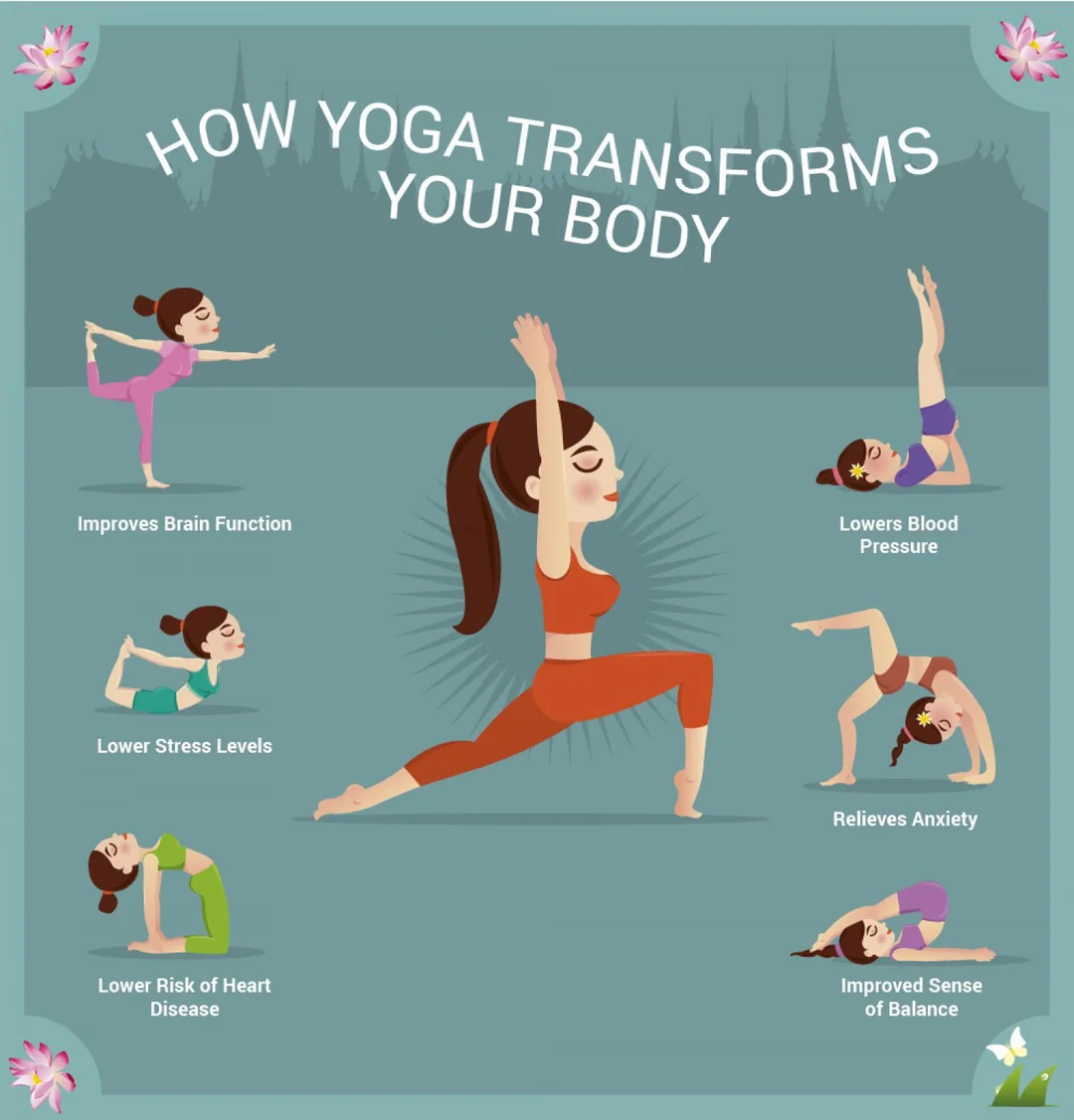
Practicing yoga every day for just 30 days can lead to noticeable physical, mental, and emotional changes. Unlike quick-fix fitness trends, yoga works holistically—improving flexibility, strength, posture, breathing, and overall well-being. Whether you’re a beginner or someone returning to the mat, committing to a daily yoga practice can be truly transformative.
In this blog, we’ll explore what happens to your body when you practice yoga daily for 30 days and why this ancient discipline continues to be one of the most searched wellness practices worldwide.
Week 1: Improved Flexibility and Body Awareness
During the first week of daily yoga, most people begin to notice reduced stiffness and increased mobility. Common problem areas like hamstrings, hips, shoulders, and lower back start to open up gently.
High-search keywords naturally fitting here include yoga for flexibility, daily yoga benefits, and yoga for beginners.
You’ll also develop better body awareness. Poses such as Downward Dog, Cat-Cow, and Child’s Pose help you recognize muscle imbalances and tension patterns. While soreness is normal initially, it’s a sign your body is adapting and awakening muscles that were previously underused.
Week 2: Better Strength, Balance, and Posture
By the second week, yoga begins to build functional strength. Unlike weight training that isolates muscles, yoga strengthens multiple muscle groups simultaneously.
Standing poses like Warrior I & II, Chair Pose, and Plank enhance core stability, leg strength, and balance. This leads to improved posture—one of the most overlooked yet valuable benefits of yoga.
Many people searching for yoga for posture correction or yoga for back pain report noticeable relief during this phase. Daily practice helps counteract long hours of sitting and screen use by realigning the spine and strengthening postural muscles.
Week 3: Reduced Stress and Improved Mental Clarity
One of the biggest reasons people stick with yoga is its impact on mental health. By week three, the nervous system begins to calm down significantly.
Breathing techniques (pranayama) and mindful movement activate the parasympathetic nervous system, reducing cortisol levels. This is why yoga for stress relief and yoga for anxiety are among the highest searched yoga-related terms.
Sleep quality often improves during this stage. A relaxed mind, deeper breathing, and gentle evening stretches help regulate sleep cycles, making yoga for better sleep a popular benefit experienced around this time.
Week 4: Increased Energy, Endurance, and Confidence
After 30 days of daily yoga, most practitioners feel lighter, stronger, and more energized. Circulation improves, digestion becomes more efficient, and breathing capacity increases.
Dynamic flows such as Vinyasa or Power Yoga enhance cardiovascular endurance, while restorative practices support recovery. Many people also report healthier habits forming naturally—better hydration, mindful eating, and improved focus.
Search terms like benefits of daily yoga, yoga for overall health, and yoga lifestyle transformation align strongly with what practitioners experience at this stage.
Perhaps most importantly, confidence grows. Completing 30 days of consistent practice builds discipline and a sense of accomplishment that carries into other areas of life.
Physical Changes You May Notice After 30 Days
- Increased flexibility and joint mobility
- Improved muscle tone and core strength
- Reduced back, neck, and joint pain
- Better posture and balance
- Enhanced breathing and lung capacity
These changes are gradual but sustainable, making yoga an ideal long-term wellness practice.
Mental and Emotional Benefits
- Lower stress and anxiety levels
- Improved concentration and mindfulness
- Better emotional regulation
- Improved sleep quality
- Greater sense of inner calm
These benefits explain why yoga is increasingly recommended alongside modern wellness and mental health routines.
Tips to Stay Consistent for 30 Days
- Start with 20–30 minutes daily
- Mix gentle and dynamic styles
- Focus on progress, not perfection
- Listen to your body and rest when needed
- Practice at the same time each day
Consistency matters more than intensity when it comes to yoga.
Final Thoughts
Practicing yoga daily for 30 days doesn’t just change how your body looks—it changes how it functions, feels, and responds to stress. With improved flexibility, strength, posture, and mental clarity, yoga becomes more than exercise; it becomes a lifestyle habit that supports long-term health.
Whether your goal is fitness, stress relief, or personal growth, daily yoga offers benefits that compound over time—making it one of the most powerful self-care practices available today.
For those looking to deepen their understanding or pursue structured learning, guidance from a trusted Yoga education institute can help build a strong and safe foundation.