

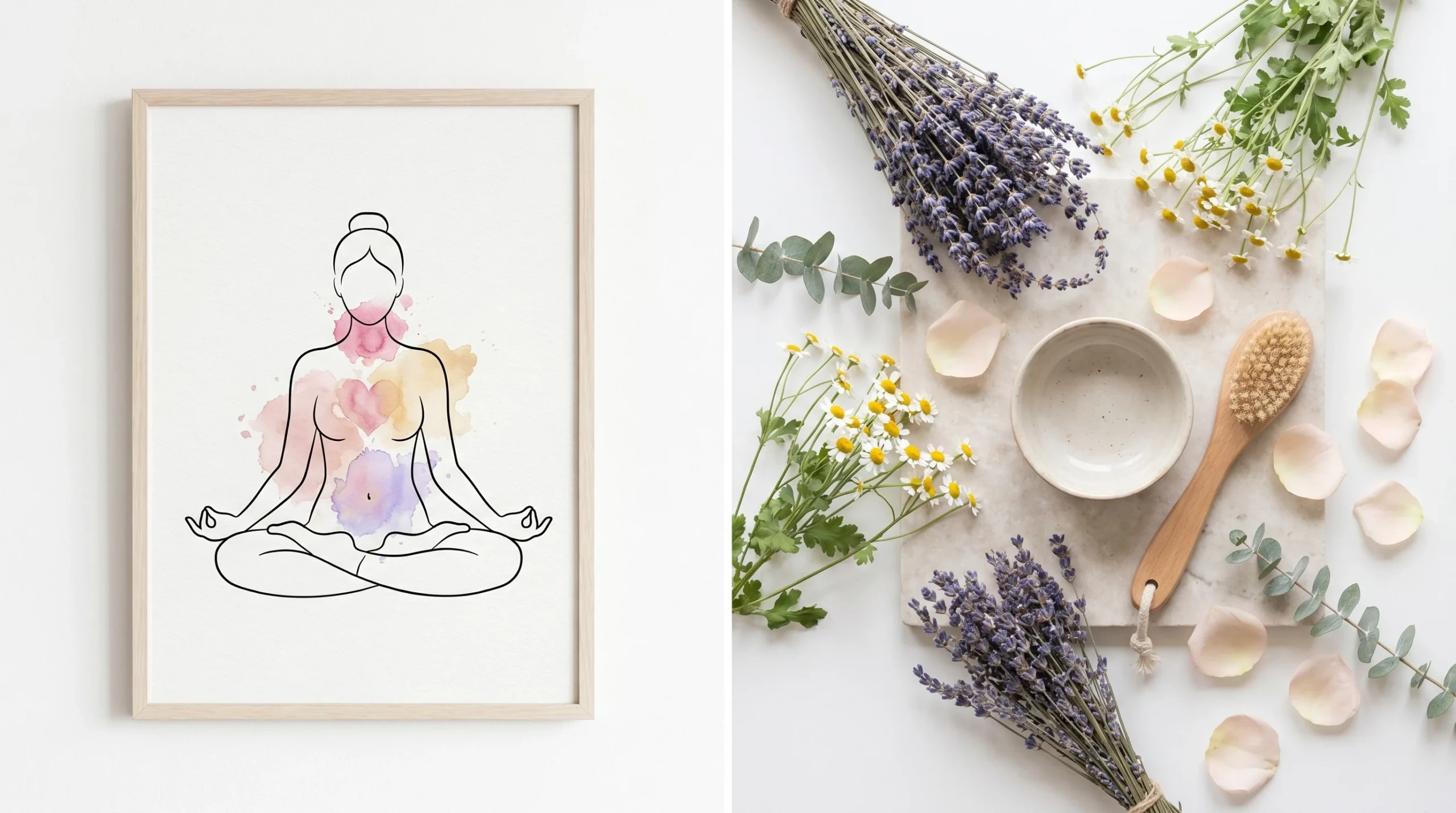
Hormones play a vital role in almost every function of the body. They influence mood, energy levels, metabolism, sleep, digestion, reproductive health, and overall well-being. When hormones become imbalanced, it can lead to symptoms such as fatigue, mood swings, stress, poor sleep, weight fluctuations, and difficulty concentrating.
While medical guidance is important for serious hormonal conditions, lifestyle habits can also have a significant impact on hormone health. One natural and effective practice that supports overall wellness is yoga.
Regular practice of yoga for hormonal balance can help reduce stress, improve sleep quality, support healthy circulation, and encourage a greater sense of physical and emotional balance. In this guide, you’ll learn how yoga may support hormone health and discover simple practices that can easily fit into your daily routine.
Understanding Hormonal Balance
Hormones are chemical messengers produced by various glands throughout the body. They travel through the bloodstream and help regulate important functions, including:
- Sleep cycles
- Stress responses
- Metabolism
- Growth and development
- Reproductive health
- Mood and emotions
- Energy production
When hormones function properly, the body tends to feel balanced and energized. However, factors such as chronic stress, poor sleep, lack of exercise, and unhealthy lifestyle habits may contribute to hormonal disruptions.
Common Signs of Hormonal Imbalance
Although symptoms vary from person to person, common signs may include:
- Low energy levels
- Mood swings
- Increased stress or anxiety
- Difficulty sleeping
- Brain fog
- Weight fluctuations
- Reduced focus and concentration
- Feeling tired despite adequate rest
Many of these symptoms are also linked to stress and poor recovery, which is why relaxation-focused practices like yoga can be beneficial.
How Yoga Supports Hormonal Health
Yoga does not directly “fix” hormones, but it can support many of the systems that influence hormonal balance.
Helps Manage Stress
Chronic stress increases the production of stress hormones such as cortisol. Elevated stress levels over long periods may affect overall well-being and disrupt the body’s natural balance.
Yoga combines movement, breathing, and mindfulness to help calm the nervous system and promote relaxation.
For additional stress-management techniques, explore:
Yoga for Stress and Anxiety Relief
Supports Better Sleep
Quality sleep is essential for hormone regulation and recovery. Regular yoga practice may help calm the mind and prepare the body for restful sleep.
Better sleep supports overall health, energy levels, and emotional well-being.
You may also find this helpful:
Yoga for Better Sleep
Improves Circulation
Many yoga poses encourage healthy blood flow throughout the body. Good circulation helps deliver oxygen and nutrients to tissues and supports overall wellness.
Encourages Mind-Body Awareness
Yoga helps people become more aware of their bodies, habits, and emotional patterns. This awareness can support healthier lifestyle choices that contribute to long-term well-being.
Best Yoga Poses for Hormonal Balance
The following poses are gentle, beginner-friendly, and commonly included in routines designed to promote relaxation and balance.
Child’s Pose (Balasana)
Child’s Pose is a calming posture that encourages relaxation and deep breathing.
How to practice:
- Kneel on the floor
- Sit back on your heels
- Extend your arms forward
- Rest your forehead on the mat
Benefits:
- Promotes relaxation
- Helps reduce stress
- Encourages mindful breathing
Hold for 1–2 minutes.
Cat-Cow Stretch
This gentle movement helps improve spinal mobility and encourages circulation.
How to practice:
- Begin on your hands and knees
- Inhale while arching your back
- Exhale while rounding your spine
Benefits:
- Relieves tension
- Supports flexibility
- Encourages healthy movement
Repeat slowly for 1–2 minutes.
Seated Forward Bend
This pose helps calm the nervous system and stretch the back body.
How to practice:
- Sit with your legs extended
- Reach forward comfortably
Benefits:
- Encourages relaxation
- Reduces tension
- Supports flexibility
Hold for 30–60 seconds.
Bridge Pose
Bridge Pose helps strengthen the lower body and open the chest.
How to practice:
- Lie on your back
- Bend your knees
- Lift your hips toward the ceiling
Benefits:
- Improves circulation
- Strengthens muscles
- Supports posture
Hold for several breaths.
Legs Up the Wall (Viparita Karani)
This restorative pose is often used to encourage relaxation and recovery.
How to practice:
- Lie on your back near a wall
- Extend your legs upward
Benefits:
- Relieves fatigue
- Promotes calmness
- Supports circulation
Hold for 5–10 minutes.
Breathing Exercises for Hormonal Wellness
Breathing exercises can help activate the body’s relaxation response and support emotional balance.
Deep Belly Breathing
How to practice:
- Sit comfortably
- Place one hand on your abdomen
- Inhale slowly through your nose
- Allow your belly to expand
- Exhale slowly
Practice for 3–5 minutes.
Benefits:
- Encourages relaxation
- Reduces stress
- Supports mindful awareness
A Simple Daily Yoga Routine
You don’t need a long session to experience benefits.
Try this beginner-friendly routine:
- 3 minutes deep breathing
- 2 minutes Child’s Pose
- 2 minutes Cat-Cow Stretch
- 1 minute Seated Forward Bend
- 1 minute Bridge Pose
- 5 minutes Legs Up the Wall
Total time: approximately 15 minutes.
Practicing consistently is more important than practicing for long periods.
Lifestyle Habits That Support Hormonal Balance
Yoga works best when combined with healthy daily habits.
Prioritize Quality Sleep
Sleep is one of the most important factors for overall wellness and recovery.
Stay Physically Active
Regular movement supports circulation, energy, and overall health.
Eat a Balanced Diet
Nutritious foods provide the building blocks needed for many bodily functions.
Manage Stress
Chronic stress can affect many aspects of health, including hormone regulation.
Stay Hydrated
Proper hydration supports overall body function and well-being.
For adults looking to maintain wellness over the long term, you may also enjoy:
Yoga for Healthy Aging
Common Mistakes to Avoid
When using yoga to support wellness, avoid these common mistakes:
- Expecting immediate results
- Practicing inconsistently
- Ignoring proper breathing
- Forcing difficult poses
- Neglecting sleep and nutrition
Yoga is most effective when practiced regularly as part of a balanced lifestyle.
Who Can Benefit from Yoga for Hormonal Balance?
This type of yoga practice may benefit:
- Women seeking overall wellness support
- Adults experiencing high stress levels
- People looking to improve sleep quality
- Individuals wanting better mind-body awareness
- Beginners seeking a gentle yoga routine
The practices described here are accessible to most people and can be modified according to individual needs.
Final Thoughts
Hormonal health is influenced by many factors, including sleep, stress management, physical activity, and overall lifestyle habits. While yoga is not a replacement for medical care, it can be a valuable tool for supporting overall well-being.
Regular practice of yoga for hormonal balance encourages relaxation, supports healthy sleep patterns, promotes circulation, and helps create a stronger connection between the body and mind.
Start with a few simple poses, practice consistently, and allow yoga to become part of your long-term wellness journey.