

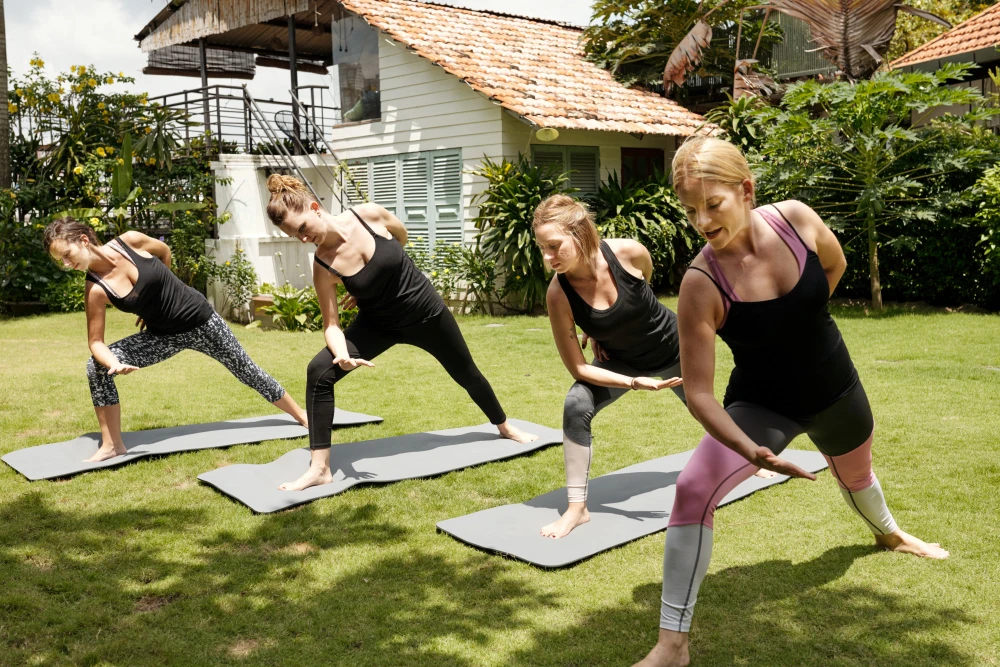
If you want to turn your passion for yoga into a deeper personal practice or a meaningful teaching career, a 200-hour yoga teacher training intensive can be an important next step. Beyond learning postures, comprehensive training introduces you to yoga philosophy, anatomy, breathwork, meditation, sequencing, teaching techniques, and the practical skills needed to guide students.
A hybrid program can make this experience even more accessible by combining in-person learning with online education. The program held at Love and Light Yoga in San Francisco and online is designed to help students understand the many layers of yoga, advance their personal practice, and develop their own authentic teaching approach.
Here are seven reasons to consider enrolling.
1. Build a Strong Foundation in Yoga
A quality teacher training program goes far beyond memorizing yoga poses. It gives you an opportunity to explore the principles behind the practice and understand how different elements of yoga work together.
The training includes topics such as yoga history, philosophy, teaching techniques, different styles of yoga, warm-ups, Sun Salutations, Moon Salutations, standing postures, balancing poses, seated postures, inversions, backbends, restorative yoga, and advanced asanas.
This broad foundation can help you become a more knowledgeable and confident practitioner.
The sample intensive schedule progressively develops these skills, beginning with introductions, yoga history, philosophy, and teaching fundamentals before moving into practical instruction and more advanced concepts.
2. Develop Practical Teaching Skills
Knowing how to practice yoga does not automatically mean knowing how to teach it. Becoming an effective instructor requires practice, observation, communication, and the ability to adapt to different students.
During the intensive, you can develop practical skills through group practice teaching sessions and individualized training. You’ll learn how to explain postures clearly, demonstrate movements, organize a class, offer modifications, and create appropriate transitions.
The curriculum also introduces the art of sequencing, including how to build a class around themes and create experiences that feel purposeful rather than simply moving from one posture to another.
This practical approach can make the transition from student to teacher much more comfortable.
3. Deepen Your Knowledge of Anatomy and Physiology
Understanding the body is essential when teaching movement-based practices. The curriculum explores anatomy, biomechanics, physiology, joint actions, muscle actions, and how these relate to specific yoga postures.
You’ll also study the cardiovascular and respiratory systems, nervous system, endocrine system, and the body’s response to stress.
This knowledge can help you make more informed choices when planning classes and working with students who have different physical needs.
The program also covers corrective exercise and yoga for specific health issues, helping trainees develop a more thoughtful approach to instruction.
For anyone considering yoga teacher training in California, this combination of theory and practical application can provide a valuable foundation for teaching responsibly.
4. Explore Breathwork, Meditation, and Mindfulness
Yoga encompasses much more than physical movement. Breathwork, meditation, visualization, and mindfulness can play an important role in creating a well-rounded practice.
The intensive includes the physiology of breathing as well as instruction and practice in pranayama and bandhas. Students also explore meditation, guided visualization, and mindfulness techniques.
These practices can deepen your personal experience while giving you tools that may eventually become part of the classes you teach.
Learning how breath and attention interact with movement can also help you create classes that feel more intentional and engaging.
5. Learn to Develop Your Own Authentic Teaching Style
One of the most valuable aspects of effective yoga teacher training is learning how to find your own voice.
Rather than simply copying an instructor’s style, the program encourages students to develop an authentic approach to teaching. This allows you to draw from your own experience, personality, interests, and strengths.
You may eventually discover that your teaching style naturally focuses on areas such as mindfulness, restorative practices, Vinyasa, Yin Yoga, yoga for children, prenatal yoga, or another area of interest.
The curriculum introduces several traditions and approaches, including Ashtanga Yoga, Vinyasa, Viniyoga, Yin Yoga, Hatha Yoga philosophy, and other foundational concepts.
This exposure can help you understand different approaches and decide what resonates with you.
6. Gain Skills for Building a Yoga Teaching Career
Teaching yoga can involve much more than standing at the front of a studio. If you want to develop a sustainable teaching practice, you also need to understand goal setting, professional ethics, inclusivity, accessibility, and basic business principles.
The final portion of the intensive addresses the business of yoga, goal setting, yoga teacher ethics, inclusivity, and accessibility.
These topics can help aspiring instructors think about how they want to build their professional path, whether that means teaching at studios, offering private classes, developing workshops, or creating an independent yoga business.
For students researching an RYT 200 yoga teacher training, professional development can be an important consideration when comparing programs.
7. Earn a Pathway Toward RYT 200 Certification
One of the biggest reasons students choose a 200-hour program is the opportunity to pursue foundational teacher certification.
This program fulfills the requirements for the RYT 200 level certification with Yoga Alliance. Students participating in the intensive must also complete the supplemental self-paced online course to meet the program requirements for registration.
The hybrid structure combines the group training intensive with online learning materials, allowing students to continue studying outside the classroom.
Trainees receive access to comprehensive online training manuals and videos, providing additional resources to support their education.
For those searching for yoga alliance certified training, it is important to understand the specific requirements of the program and what additional coursework may be required before registration.
What Makes the Hybrid Format Convenient?
A hybrid format can provide flexibility without removing the value of direct interaction with instructors and fellow trainees.
The program is held at Love and Light Yoga in San Francisco and online, allowing students to participate through the available learning formats.
The next training begins September 16 and is directed and facilitated by Nancy Wile.
Nancy has practiced yoga for more than 25 years and has trained new yoga teachers for more than 15 years. Her experience provides students with guidance throughout the educational journey.
The program also limits the number of students to provide individual attention, which can be particularly valuable during practice teaching and individualized training.
What Will You Study During the Intensive?
The curriculum covers a wide range of subjects across the training period, including:
- Yoga history and philosophy
- General yoga teaching techniques
- Standing, seated, balancing, and kneeling postures
- Inversions and arm balances
- Restorative yoga
- Sequencing and themed classes
- Anatomy and biomechanics
- Breathing and pranayama
- Meditation and mindfulness
- Chakras, mudras, and Ayurveda
- Ashtanga, Vinyasa, Viniyoga, and Yin Yoga
- Yoga for children and prenatal students
- Sanskrit pronunciation and terminology
- Partner yoga and hands-on adjustments
- Business planning and goal setting
- Teaching ethics, inclusivity, and accessibility
This range gives students an opportunity to experience many dimensions of yoga instead of focusing exclusively on physical postures.
Frequently Asked Questions
1. What is RYT 200?
RYT 200 refers to the Registered Yoga Teacher 200-level designation associated with Yoga Alliance. A qualifying training provides foundational education in yoga practice and teaching.
2. Is this program suitable for someone who wants to teach yoga?
Yes. The curriculum is designed to develop practical teaching skills alongside knowledge of yoga philosophy, anatomy, breathwork, sequencing, meditation, and other subjects.
3. Can I take the training online?
The program offers a hybrid format with training held in San Francisco and online. Students should review the current program requirements to understand the combination of self-paced and intensive learning involved.
4. What topics are covered in a 200-hour program?
Topics include yoga postures, sequencing, anatomy, physiology, philosophy, meditation, pranayama, teaching methodology, ethics, and business fundamentals.
5. When does this yoga training begin?
The listed program begins September 16. It is held at Love and Light Yoga in San Francisco and online and is directed and facilitated by Nancy Wile.
Conclusion
A 200-hour intensive can be a valuable investment if you want to deepen your personal practice while developing the knowledge and confidence to teach others. From anatomy and sequencing to philosophy, breathwork, meditation, business, and teaching methodology, the experience can prepare you for many aspects of a teaching journey.
For students considering yoga teacher training in San Francisco, a hybrid program also offers the advantage of combining in-person learning with online education. Yoga Education Institute offers this comprehensive pathway for students seeking to deepen their practice and work toward RYT 200 certification in a supportive learning environment.