Certified RPYT Prenatal Yoga Teacher Training Online

Ready to become a prenatal yoga teacher?

If you are looking for online prenatal yoga teacher training, there are many programs to choose from. With a wide range of options available, it is easy to feel overwhelmed. However, choosing the right one matters to shape you into a skilled and confident instructor.

Apart from ensuring accreditations and training quality, you need to identify your goals, schedule, and budget. If you are wondering how to navigate all these factors, let this comprehensive guide help you. 

Understand the Importance of Accreditation

First thing first, accreditation is one of the key things to look for while choosing a prenatal yoga teacher training program. An accredited program means it meets industry standards and that your certificate will be recognized by studios, gyms, or clients.

Yoga Alliance RPYT Certification

The most widely recognized accreditation comes from Yoga Alliance, specifically their Registered Prenatal Yoga Teacher (RPYT) designation. To achieve this, you need to undergo an 85-hour prenatal yoga teacher training from a Yoga Alliance-registered Prenatal Yoga School (RPYS).

But it comes with a prerequisite.

You are required to complete a 200-hour general yoga teacher training (RYT 200). After completing the program, you have to log 30 hours of teaching prenatal yoga to officially register as an RPYT with Yoga Alliance.

Choosing a program with this accreditation ensures your certification is globally respected and opens more professional opportunities.

Other Certifications

There are also certifications from other yoga or wellness organizations. While they can be recognized, they may not be as valuable as a Yoga Alliance certification. If you choose them, make sure to research the organization’s reputation. Check if their certification is recognized in the yoga community or by potential employers. If you’re considering a non-YA program, ensure it’s from a credible source with a strong track record.

Evaluate the Curriculum and Content

Make sure your program covers a wide range of topics. Also, it should be comprehensive, practical, and customized to the unique needs of pregnant women. Here are the key areas to look for.

Anatomy and Physiology

It is really important to understand the physical changes during pregnancy. And that’s what your prenatal yoga training program should focus on. It should guide you through the female reproductive system; the changes in the body in each trimester; common pregnancy issues like back pain or swelling; and poses and practices to avoid. This knowledge helps you design safe classes that support your students’ well-being.

Yoga Techniques for Pregnancy

The program should cover safe yoga poses (asanas) for each trimester, including modifications using props like bolsters, blocks, or straps. You’ll also learn breathing techniques (pranayama), hand gestures (mudras), meditation, and relaxation practices like Yoga Nidra, all adapted for pregnant bodies. These techniques help pregnant women stay comfortable, reduce stress, and prepare for labor.

Childbirth Education

Look for programs that include an overview of the stages of labor, birthing techniques, and how yoga can support the delivery process. This knowledge allows you to guide your students with confidence and help them feel empowered during childbirth.

Postnatal Yoga

A well-rounded program will also introduce postnatal yoga, focusing on recovery after birth. This includes addressing common postpartum challenges like diastasis recti (abdominal separation) or pelvic floor issues and teaching yoga practices to help new mothers regain strength and energy.

Yoga Philosophy

Some programs weave yoga philosophy into prenatal training, showing how principles like mindfulness or non-harming (ahimsa) apply to pregnancy and motherhood. This adds depth to your teaching and helps you connect with your students on a deeper level.

Teaching Methodology

You’ll need practical skills to lead prenatal yoga classes effectively. The program should cover how to sequence classes, communicate, demonstrate poses, observe students, and offer safe adjustments. It should also teach you how to manage a class and create a supportive environment.

Special Conditions

A good program will teach you how to adapt yoga for high-risk pregnancies or conditions like pelvic girdle pain, gestational diabetes, or anxiety. This ensures you can support a diverse range of students safely.

Lifestyle and Nutrition

Some programs include guidance on diet, nutrition, and lifestyle during pregnancy. This knowledge helps you offer holistic advice to your students, enhancing their overall experience.

Business and Ethics

Finally, look for programs that cover professionalism, ethical considerations, and tips for marketing your prenatal yoga classes. These skills are essential for building a successful teaching career.

Research the Teaching Faculty

The quality of the instructors can make or break your training experience. Here’s what to look for:

Experience and Credentials

Check the lead instructors’ qualifications. Are they RPYT-certified? Do they have extensive experience teaching prenatal yoga or working with pregnant women? Experienced instructors bring real-world insights that enrich your learning.

Teaching Style

Every instructor has a unique approach. Some emphasize the spiritual side of yoga, while others focus on physical alignment or therapeutic benefits. Look at the program’s website or sample classes to see if the teaching style resonates with you.

Support and Mentorship

Online programs can feel impersonal, so choose one that offers opportunities for interaction, like live Q&A sessions, one-on-one calls, or doubt-clearing sessions. Mentorship from experienced instructors can help you grow as a teacher and address any challenges you face during training.

Consider the Program Format and Duration

Online prenatal yoga teacher training programs vary in structure, so find one that fits your schedule and learning style.

Live vs. Self-Paced

Some programs offer live sessions via platforms like Zoom, allowing real-time interaction with instructors and peers. Others are self-paced, with pre-recorded videos and study materials you can access anytime. Hybrid programs combine both. Consider whether you prefer the structure of live classes or the flexibility of self-paced learning.

Duration

Most programs range from 85 to 100 hours and can take a few weeks to several months to complete, depending on the format. Check the program’s timeline and ensure it aligns with your availability.

Flexibility

One of the biggest advantages of online training is flexibility. Look for programs that let you study at your own pace, especially if you have a busy schedule. However, check if there are any mandatory live sessions or deadlines you need to meet.

Look for Practical Teaching Experience

Hands-on practice is essential for becoming a confident prenatal yoga teacher. Even in an online program, you should have opportunities to apply what you’ve learned.

A good program will include practical components, such as teaching practice sessions with peers, submitting video recordings of your teaching, or completing case studies. These activities help you refine your skills and gain confidence.

Feedback Mechanism

Find out how the program provides feedback on your teaching. Will instructors review your videos or assignments? Are there written, oral, or practical exams? Clear feedback helps you improve and ensures you’re ready to teach real classes.

Compare Cost and Value

Cost is a major factor, but it’s not just about finding the cheapest program. Consider the overall value you’re getting for your investment. Prices for online prenatal yoga teacher training programs vary widely. Compare costs across programs, but don’t automatically choose the cheapest option.

Inclusions

Check what’s included in the fee. Does it cover course materials, certification fees, access to recorded sessions, or additional resources like manuals or guided meditations? Some programs also offer ongoing support or access to a community of graduates.

Payment Options

If the cost is a concern, look for programs with payment plans to make it more affordable. This can help you manage the expense over time.

Value for Money

A higher price doesn’t always mean better quality. Evaluate the program based on its curriculum, faculty, accreditation, and support to determine if it’s worth the cost.

Check Reviews and Testimonials

Hearing from past participants can give you valuable insights into a program’s strengths and weaknesses.

Student Feedback

Look for reviews on the program’s website, Yoga Alliance’s directory, or independent platforms like BookRetreats.com. Pay attention to what students say about the curriculum, instructors, and overall experience.

Alumni Connection

If possible, reach out to alumni through social media or program forums to ask about their experiences. Their firsthand feedback can help you make a more informed decision.

Ensure Reliable Technology and Support

Since the program is online, the technology behind it matters.

Platform

Make sure the program uses a user-friendly and reliable platform for delivering content, whether it’s Zoom, a dedicated learning management system, or another tool.

Technical Support

Check if the program offers technical support in case you run into issues with accessing materials or joining live sessions.

Internet and Space

Ensure you have a stable internet connection and a quiet space for studying and practicing. This will help you focus and get the most out of the program.

Make an Informed Decision

It takes a lot of homework to choose the right online prenatal yoga teacher program, but it’s worth the effort. Key factors that should be considered are accreditation, curriculum, faculty, format, practical experience, cost, reviews, and technology. This way, you can make sure that your program can align with your goals.

Whether you’re looking to teach prenatal yoga professionally or deepen your practice, the right program will equip you with the knowledge and confidence to support pregnant women on their journey to motherhood.

8 Tips for Teaching Yoga

As a yoga teacher, it’s essential to guide your students in a way that helps them get the most out of their practice—safely, mindfully, and effectively. Whether you’re teaching beginner yoga, Vinyasa flow, or restorative sessions, your approach plays a major role in shaping the student experience.

No matter what style you teach, following a few core principles can help you create meaningful, inspiring classes. By incorporating the following teaching strategies, you not only elevate the student journey but also strengthen your own career in yoga teaching, retreats, and continuing education.Group yoga class practicing Tree Pose outdoors | Yoga Education Institute

Develop your own personal practice:

Your personal practice is the heart of your teaching. Developing a consistent routine allows you to discover your own voice as a yoga instructor and understand how movements, breathwork, and mindfulness translate into lived experience.

Set aside dedicated time for self-practice, and continue learning from other teachers. Exploring different classes deepens your understanding of alignment cues, pacing, and sequencing.

If you’re seeking a structured path to grow professionally, consider exploring a yoga teacher training online program that helps refine your foundation.

Focus on your students and be with them:

The best teachers stay attentive and connected to their students. Rather than focusing on how you look or sound, tune in to what your students need in the moment.

Move around the room instead of teaching only from the front. Observe alignment, breath, and posture. Offer appropriate adjustments or modifications when needed.

This student-centered approach not only builds confidence but also helps create a nurturing, supportive environment.

Know your material:

Confidence comes from preparation. Whether you’re teaching pranayama, standing poses, or meditation, make sure you understand:

  • The physical benefits

  • The mental and emotional effects

  • How to modify for different body types

  • The history and philosophy behind the practice

The more you understand the material, the more naturally and safely you can guide your students through each sequence.

Be in the moment:

Mindfulness is essential for both teaching and personal practice. When you’re leading a class, keep your attention fully present:

  • Focus on the cues you’re giving

  • Watch how students respond

  • Adjust your pacing based on the classroom energy

In your own practice, center yourself on your breath and sensations. Presence is a skill—one that grows stronger the more you nurture it.

Help students develop their inner awareness:

Encourage students to focus on how a movement feels rather than how it looks. Remind them that yoga is not about comparing themselves to others but about exploring their own body with curiosity and compassion.

Guide them inward by:

  • Directing attention to breath

  • Encouraging non-judgment

  • Reinforcing that all bodies are different

  • Letting them know that poses serve them, not the other way around

This mindful approach helps students stay present and builds a healthier relationship with their practice.

Help students become their own teachers:

Every student has two teachers: you and their own inner guidance. Empowering students to trust themselves is one of the greatest gifts you can offer.

Teach them to listen to their breath, notice sensations, and choose variations that work best for their bodies. Over time, this builds confidence and supports the development of a personal home practice. Explore how to develop your unique yoga teaching style.

Take it step by step:

When guiding a pose or sequence, break it down clearly and progressively. Encourage students to pause at any step if that feels right for them.

Remind them to:

  • Move at their own pace

  • Avoid pushing past pain

  • Stay where breath remains smooth and steady

This approach ensures safety and helps students explore their “edge” with awareness rather than strain.

Connect breath and movement:

Breath is a central pillar of yoga. It anchors the mind, energizes the body, and enhances movement efficiency.

Teach students when to inhale and exhale:

  • Inhale during expansion (lifting, opening, lengthening)

  • Exhale during contraction (folding, rounding, twisting deeply)

Encourage nasal breathing whenever possible to promote warmth, filtration, and a calmer nervous system.

New students often forget to breathe when trying a challenging pose—gentle reminders help them stay steady, grounded, and connected.

Use positive reinforcement:

When you notice a student improving or embodying mindful awareness, let them know. Positive reinforcement boosts confidence and helps create a welcoming, encouraging class environment.

  • Donec porta ultricies urna, faucibus magna dapibus.
  • Etiam varius tortor ut ligula facilisis varius in a leo
  • Folutpat tempor tur duis mattis dapibus, felis amet.

Sign up for email updates

Enjoy many exclusive benefits. Be the first to learn about all our upcoming programs.

Beat Yoga Teacher Anxiety – Confidence Guide

Anxieties about becoming a yoga teacher?

Get over it with these easy steps!


It is pretty normal when you are on the verge of something new to feel anxious and juggle questions in your mind. Contemplating yoga teacher training is a big step and there might be a few of the following anxieties lurking on the back of your head.

  • Am I ready to spend the money?
  • How am I going to devote the time?
  • Ready enough to take on the challenge?
  • Will I resonate with my teacher?
  • What about after the training? How can I have a successful yoga career or business?

Let’s look at each question:

    • Am I ready to spend the money?

Yoga teacher training requires a financial commitment. It’s important that you find a training that respects the financial investment you are making and that will do their best to honor that and to make sure you have a worthwhile investment. If your goal is to have a part-time or full time career that is related to yoga, then look for trainings that not only train you to be an incredible teacher, but also work with you on business planning and career strategies for new yoga teachers.

    • How am I going to devote the time?

Yoga teacher training requires a commitment of time. It can be helpful to find trainings that have smaller groups, or that integrate some online studies, in order to make your training more efficient and with a focus on getting you to the end. When teacher trainings get too big, individual students can sometimes fall through the cracks and finishing their requirements drags on. Find a training that is organized, smaller, and may incorporate the use of technology to ensure that you complete your training in a timely manner.

    • Am I ready enough to take on the challenge?

Some students worry that they need to have a perfect looking yoga practice before they can join teacher training. This is far from the truth. As a teacher, it is most important that you are able to communicate effectively with students, and that you understand how to provide a safe and effective yoga practice for all different types of bodies. Whether you can “do” a specific yoga posture or not is irrelevant. It’s most important that you learn how to explain step by step to your students the techniques for practicing postures in ways that are both safe and challenging, while creating an environment that provides a positive experience for everyone.This process is part of learning how to develop your unique yoga teaching style.

    • Will I resonate with my teacher?

Take some time to get to know your trainer’s style and personality. You can do this by attending their class, or by talking to them on the phone. Get to know the actual person who will train you, rather than the image or name recognition. When you feel a connection with your trainer, it will be easier to communicate with them about your hopes for your training.

    • What about after the training?

Look for trainings that focus on both the best practices in yoga teaching, as well as best practices for a successful yoga business or career. To address your concerns about finding success after the course, you might want to look into how to build a career in yoga teaching, retreats, and more. Also, check that your trainer will still be available to answer questions after the training is over, and that you will have resources that you can keep and refer back to whenever necessary.

In the end, being a yoga teacher or running a yoga business is a wonderful gift to the world and to yourself. Best wishes on your yoga journey!

Yoga is not about being better than anyone else. It’s about becoming the best version of yourself.

Sign up for email updates

Enjoy many exclusive benefits. Be the first to learn about all our upcoming programs.

4 Effective Ways to Balance the Root Chakra

  • 4 Ways Your Students can Balance their Root Chakra (Muladhara)
  • Many people struggle with an imbalanced first charka. The first chakra is like a gate for the other energy centers and it must stay in equilibrium. Root Charka’s Sanskrit name is Muladhara. The word ‘Mula’ means root and ‘Adhara’ means foundation. Therefore, Muladhara is the core foundation of our spiritual development. The ultimate goal of every yogi is to open and utilize the Root Chakra. It is the base camp of the ultimate summit – human consciousness.
    The Root Chakra is the first important wheel of the energy of the seven inner chakras of the human body. Chakras are like “spinning wheels” of energy. Each chakra contributes to a part of our subtle body. Chakras are also associated with specific organs. The Root Chakra is associated with the adrenal gland.
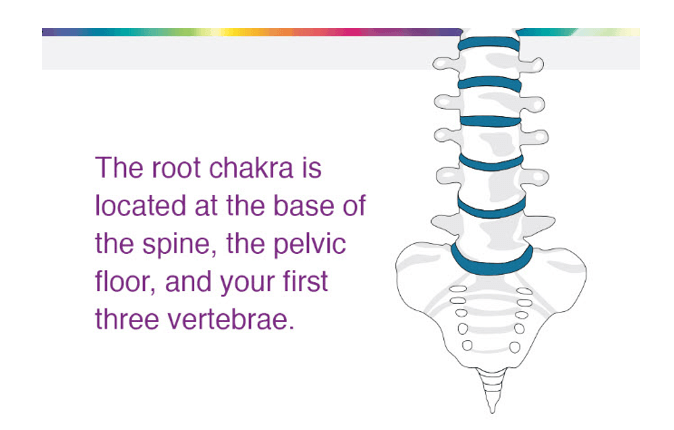
    Location: Root Charka is located at the absolute end of the spinal column. The first piece of the spinal cord is the Coccyx which is right above the Root Chakra.
    As you probably already know, muscles can’t grow if they receive subpar training. If you really want to make your calves stand-out, you must start training them the way you train your back or chest: fresh, from every angle, and to complete exhaustion. This location of the body is also the home for Kundalini Shakti, which in Hinduism means Devine Energy. The Root Chakra is part of the Lower Three Chakras who are considered masculine; they call us to action; they also help to ground us and are usually concerned with issues in the material world. Root Chakra is the energy center for the blood, bladder, kidneys, male reproductive organs, and feet.

  • Problems with the Root Chakra
  • When people experience and overactive Root Chakra, they can be bossy, domineering, egoistic, greedy, and even violent.
    When people experience an underactive Root Chakra, they can be uninvolved sexuality, disinterested of intimacy, inadequate with slow cognitive functions, often frustrated, fearful and even deeply depressed.
    When people have a balanced Root Chakra, they are approachable, grounded, with a sense of belonging, trusting and independent.
    Here are a few notes on how you can recognize the behavior of unbalanced Root Chakra. The typical signs of unbalanced Root Chakra are to be often afraid, very self-protective and overreactive, replaying the “what if” scenario, and easily feeding the feeling of fear with imaginative problems and a multitude of bad variation scenarios. Generally, when we are afraid, we live in our heads. Our minds create re-run on most decisions and we portray mistakes from the past. We disconnect from what is happening in the present moment. Our connection to inner-self and intuition is lost. To regain equilibrium, yoga teaches us drawing our attention out of our heads and down into our bodies. Yoga also works to move energy in our body even when we are not focusing on it. When we recognize that we need to work on aligning a particular charka, certain yoga poses to help.
    hen training your calves, throw conventional rep ranges out the window. I never do less than 20 reps per set when I train my calves. Usually, I aim for 25-30 reps.

    4 Simple Postures for the Root Chakra:
  • Easy Seated Pose (Sukhasana)
  • Tip for students: “Bring awareness to the bottom of the spine as chanting with deep breaths. Imagine a beaming red light coming from the bottom of your body and spreading upwards towards every corner of your body. Chant confidently, loudly. Hold in a meditative state for as long a desired, but attempt at least 5-10min, 3/day every day for 7 days. Chanting can be Oam or a self-loving chant of choice. Music can be played from the many free options on YouTube of Aum Chanting. Best is to focus on own voice and chant.”

  • Mountain Pose (Tadasana)
  • Tip for students: “As you stand, play with shifting your weight off-center. Lean forward, back, then to the right, and the left. Find the place where your weight is evenly distributed, focus on that place of equilibrium. Remember it. Come back to it. Rely on it. Trust it. Love it. Gift it with love and energy. Cherish your ability to balance with grace. Firmly press your weight into the earth, even spread your toes and imagine how you are rooted deeply. Pretend you a tree that no one can move. Pretend that no wind, no rain, no sun…no storm can move the balance of your roots.”

  • Standing Wide Leg Forward Fold
  • Tip for students: “Take a wider step and slowly, breath by breath overcoming fear and vulnerability, with a flat back, gaze forward, dive down chin pointing to the ground. Take at least five deep breaths into the pose. When you come out of the pose, hold your hips with your hands, press into the earth with your feet, and rise with a long flat spine with a flat back slowly. Repeat every day. Trust you balance when you press your feet. With time this pose will improve more and more.”

  • Seated One Leg Head to Knee Forward Fold (Janu Sirsasana)
  • Tip for students: “Before getting into this pose, do a sit-up using momentum. When doing the sit-up, do it with a big inhalation. Wiggle hips right and left a few times, even lift them as if you are trying to pull them away from the body and sit on the hip bones firmly. Be confident. Grab the toes with 1st, 2nd and 3rd fingers. Pull the belly button to your spine and with an exhale, and without bending knees, touch elbows to the floor on both sides of your legs, chin facing forward, and place head on legs (if possible). Stay for 20 seconds. Grow into it. This pose is a challenge even for advanced students. Be confident and know that repetition is the mother of success. ”

“Fitness is not about being better than someone else…  IT IS ABOUT BEING BETTER THAN YOU USED TO BE.


Gordon Slanquit, Personal Trainer Association

  • When you’re finished with your workout, hang from a pull-up bar and simply relax. Then, walk on the treadmill or outside for about 15 minutes to improve circulation and ensure that your arms recover adequately.
  • Do this routine two to three days a week, but vary the volume of sets based on feel.
  • But, don’t stop after the workout ends. Use your arms throughout the day: make a fist, lift objects, glove up and hit a bag, carry your office bag with your grip, not your shoulder.
  • Here’s how it works
  • Perform the first three moves one after another (Handstand Pushup Hold, Pledge Plank, Barbell Curl). Rest 45-60 seconds between exercises. That’s one set. Do up to 5-8 sets of these. Then, move on to the final two moves. Complete as many sets as possible with 30 seconds rest maximum. “You go until your form breaks, meaning you have nothing left”

Sign up for email updates

Enjoy many exclusive benefits. Be the first to learn about all our upcoming programs.