

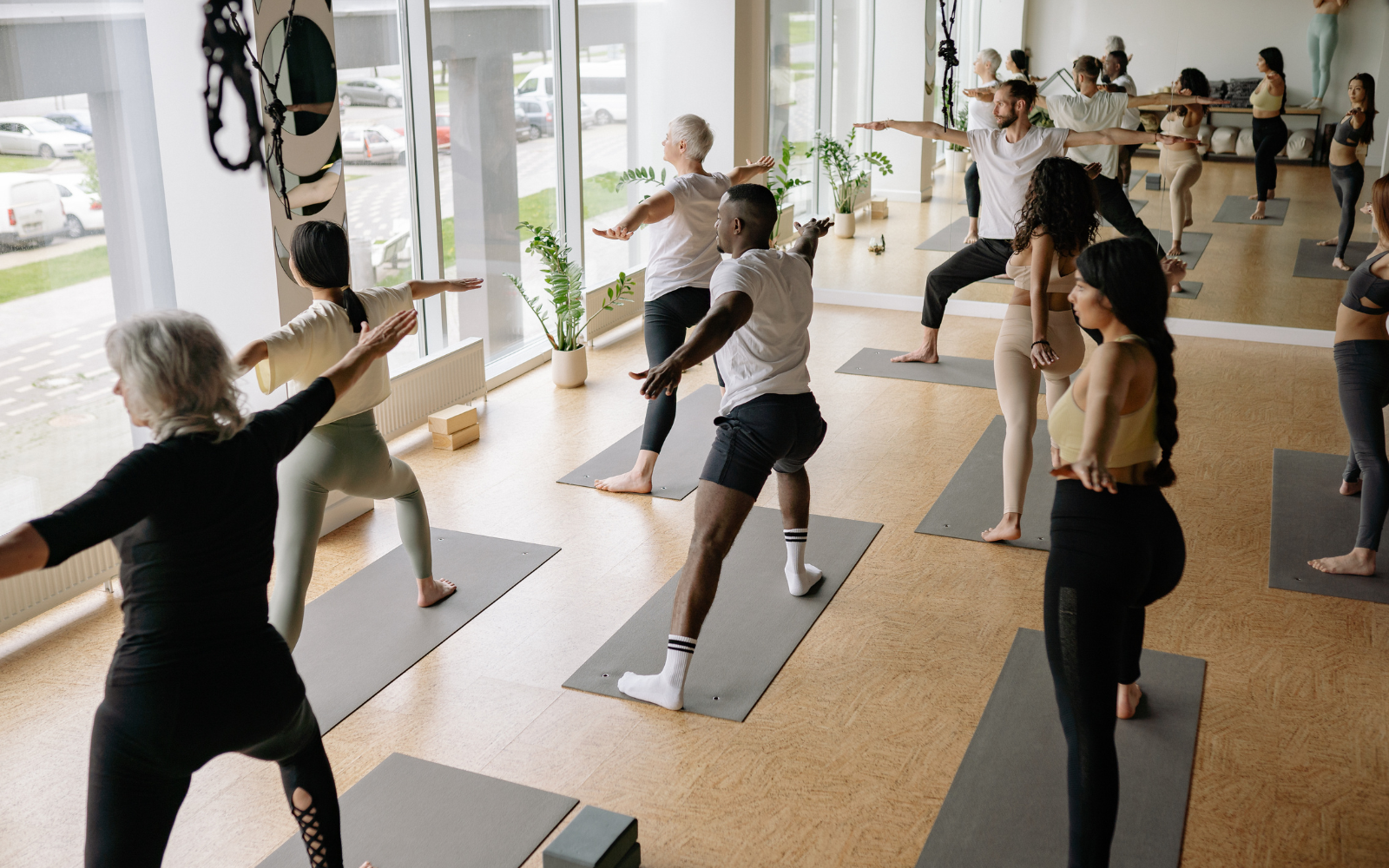
A 200-hour yoga teacher training in San Francisco is designed to take students beyond personal practice and prepare them to confidently guide others. Over an intensive curriculum, aspiring instructors explore yoga philosophy, anatomy, sequencing, meditation, teaching methodology, business skills, and inclusive instruction.
Whether your goal is to become a certified yoga instructor, deepen your practice, or develop a career in wellness, these 15 essential skills can provide a strong foundation.
1. Understanding Yoga Philosophy
The training introduces the history, traditions, and philosophy behind yoga. Students explore foundational literature such as the Yoga Sutras and Hatha Yoga Pradipika while learning how philosophical principles can influence everyday teaching and practice.
2. Teaching Fundamental Yoga Techniques
Students learn how to demonstrate postures, give clear instructions, observe students, and create an effective learning environment. Understanding different styles, including Hatha, Vinyasa, Yin, Restorative, and Ashtanga, helps future instructors work with varied student preferences.
3. Creating Effective Warm-Ups
Warm-ups prepare the body and mind for physical practice. Trainees learn how to teach appropriate preparation exercises, Sun Salutations, and Moon Salutations while considering mobility, energy levels, and class objectives.
4. Guiding Standing and Balancing Postures
Standing poses develop strength, mobility, coordination, and stability. Training covers teaching and practicing standing, balancing, and kneeling positions with attention to alignment and safe movement.
5. Teaching Seated Poses and Inversions
A comprehensive curriculum introduces seated postures, arm balances, forward-facing inversions, back-facing inversions, and lying positions. Students develop greater confidence in explaining techniques and helping practitioners approach challenging movements progressively.
6. Using Yoga Props Effectively
Blocks, straps, bolsters, blankets, and other props can make postures more accessible. Trainees learn how to use these tools to improve stability, modify poses, and accommodate different physical abilities.
7. Building Well-Structured Yoga Sequences
Sequencing is one of the most valuable skills for a future instructor. Students learn how to organize postures logically, develop themed classes, transition smoothly between movements, and create practices suitable for different experience levels.
8. Teaching Restorative Yoga
Restorative practices emphasize relaxation and supported postures. Trainees learn how to structure calming sessions and incorporate props to create a comfortable environment that encourages physical and mental rest.
9. Teaching Pranayama and Meditation
Breathwork is an important part of yoga education. Students study respiratory physiology and learn techniques involving pranayama and bandhas. Meditation, mindfulness, and guided visualization are also introduced to help instructors incorporate mental practices into their classes.
10. Understanding Anatomy and Biomechanics
Yoga teacher education includes anatomy, physiology, and biomechanics. Students examine joint and muscle actions and learn how the body moves during specific postures. This knowledge helps instructors provide more informed guidance and recognize when modifications may be appropriate.
11. Applying Corrective Exercise Principles
Students explore yoga for specific health concerns and corrective exercise concepts. They also study Vinyasa and Viniyoga approaches, learning how practices can be adapted according to individual needs rather than relying on a one-size-fits-all approach.
12. Teaching Advanced Asanas Safely
Advanced postures require preparation, strength, mobility, awareness, and appropriate progressions. Training introduces advanced asanas, core development, foam rolling, and myofascial release techniques to help students understand how to prepare the body for demanding movements.
13. Working With Different Student Groups
A professional instructor may teach people with very different needs. Training can introduce specialized approaches for children and prenatal students while emphasizing inclusivity and accessibility. These skills help teachers create welcoming classes for diverse populations.
14. Developing Hands-On Teaching and Adjustment Skills
Practice teaching is essential for building confidence. Students participate in group teaching sessions and learn partner yoga and hands-on adjustments. They practice giving instructions, observing movement, communicating clearly, and responding appropriately to students.
15. Learning the Business and Ethics of Yoga
Teaching yoga involves more than leading classes. Students learn about goal setting, professional ethics, accessibility, inclusivity, and the business side of yoga. These lessons can help aspiring instructors develop a responsible approach to building a sustainable teaching career.
Why Choose a 200-Hour Yoga Teacher Training?
A structured yoga teacher training program brings multiple areas of education together. Instead of focusing only on physical postures, students gain knowledge of philosophy, anatomy, breathwork, meditation, teaching methodology, sequencing, specialized populations, and professional development.
San Francisco also offers an inspiring environment for students interested in wellness, mindful living, and diverse yoga communities. A comprehensive training can help you develop both personal confidence and practical teaching abilities.
Build Your Yoga Teaching Career With Professional Training
Ready to turn your passion for yoga into professional teaching skills? Enroll in a comprehensive 200-hour program in San Francisco and develop the knowledge, confidence, and teaching techniques needed to guide students safely and effectively.
Frequently Asked Questions
1. What is included in a 200-hour yoga teacher training?
Most comprehensive programs cover yoga philosophy, anatomy, teaching methodology, postures, sequencing, pranayama, meditation, ethics, and professional development.
2. Can beginners join a 200-hour yoga teacher training?
Yes. Program requirements vary, but many courses welcome dedicated practitioners who want to deepen their knowledge and eventually teach yoga.
3. Will I learn how to create yoga classes?
Yes. Students typically practice sequencing, transitions, themes, modifications, warm-ups, and complete class structures during their training.
4. Does yoga teacher training include anatomy?
A quality program includes anatomy, physiology, biomechanics, and information about muscles and joints to help teachers understand movement and provide better instruction.
5. What can I do after completing yoga teacher training?
Graduates can pursue teaching opportunities in studios, wellness centers, gyms, private settings, retreats, or other yoga and wellness environments, depending on their credentials and local requirements.
Conclusion
A 200-hour yoga teacher training in San Francisco can provide a well-rounded education for anyone seeking to deepen their practice and develop professional teaching abilities. From philosophy and anatomy to sequencing, meditation, specialized instruction, and business ethics, these 15 skills help create a stronger foundation for responsible and confident teaching. Yoga Education Institute can help aspiring instructors build the knowledge and practical experience needed to take the next step in their yoga journey.