

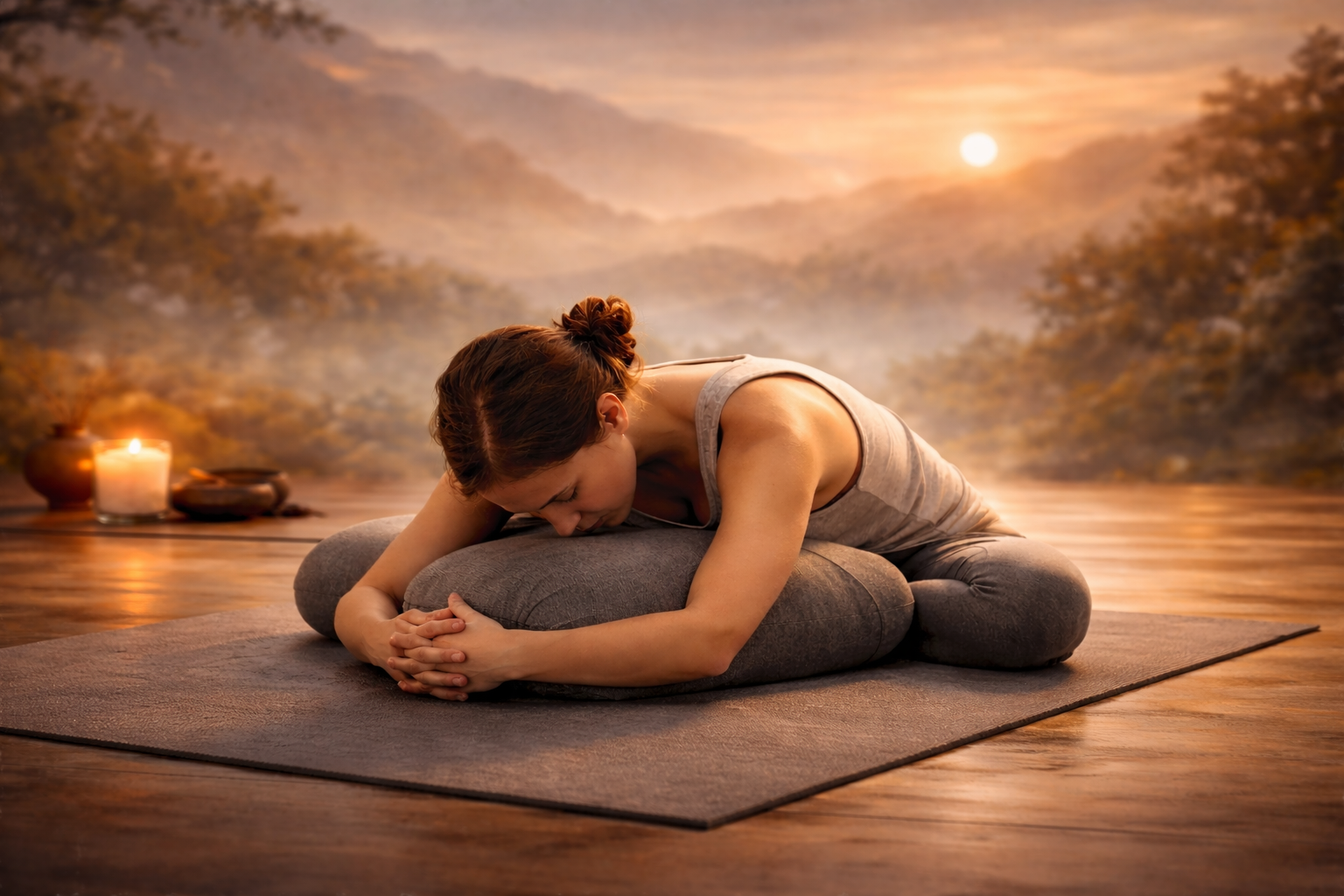
Yin yoga is more than just a trend; it’s a journey into the depths of your body and mind. Imagine a practice that invites you to slow down, breathe deeply, and connect with yourself on a profound level. In our fast-paced world, where we often rush through life, yin yoga offers an oasis of calm.
This unique form of yoga focuses on long-held postures that target the connective tissues in your body. It encourages flexibility not only in muscles but also in how we approach stress and mindfulness. Whether you’re looking to enhance your physical practice or delve into meditation, yin yoga holds something special for everyone.
Curious about what makes this style so transformative? Let’s explore its origins, benefits, and how you can seamlessly integrate it into your routine!
Understanding the Origins of Yin Yoga
Yin yoga traces its roots back to ancient Chinese philosophy. It draws heavily from concepts of yin and yang, where yin represents passive, slow, and cooling energy. This practice emerged as a counterbalance to the more dynamic forms of yoga.
In the late 20th century, Paul Grilley popularized yin yoga in Western society. He combined traditional Eastern teachings with modern anatomical insights. The focus shifted towards stretching connective tissues like fascia and ligaments rather than just muscles.
This approach encourages practitioners to hold poses for extended periods, typically three to five minutes or longer. Over time, this allows deeper physical releases while cultivating mental clarity.
As awareness around holistic health grew in the West, so did interest in practices that fostered inner stillness. Yin yoga became a sanctuary for those seeking peace amidst chaos—a true reflection of its philosophical origins.
The Philosophy and Benefits of Yin Yoga
Yin yoga is rooted in ancient philosophies that emphasize balance and harmony within the body and mind. It draws from Taoist principles, focusing on the duality of yin (passive) and yang (active). This practice encourages deep introspection and a connection to one’s inner self.
The benefits of yin yoga extend beyond physical stretches. By holding postures for several minutes, practitioners can release tension stored in connective tissues. The slow pace allows for mindfulness, cultivating a deeper awareness of breath and sensations.
Additionally, yin yoga supports emotional health by creating space for reflection. It invites practitioners to confront emotions that may arise during poses, fostering acceptance and letting go.
This practice is also an antidote to our fast-paced lives, promoting relaxation in both body and mind. Engaging with these gentle movements helps restore balance while enhancing flexibility over time.
How is Yin Yoga Different from Other Types of Yoga?
Yin yoga stands apart from other styles by its intentional focus on stillness. While many yoga forms emphasize movement and flow, yin invites practitioners to hold poses for several minutes. This deep stretch targets the connective tissues, such as ligaments and fascia.
The pace is slower, allowing time for introspection and self-awareness. Unlike dynamic practices like Vinyasa or Ashtanga that keep you moving actively, yin encourages a meditative quality.
Additionally, it uses props more extensively to support the body in various postures. This makes it accessible for all levels of experience.
While other yoga styles may build strength or improve cardiovascular health, yin cultivates flexibility and relaxation within both body and mind. It’s about surrendering into each pose rather than pushing through them—a refreshing change in the busy world of fitness routines.
Preparing for a Yin Yoga Practice
Preparing for a Yin Yoga practice is an essential step to enhance your experience. Start by creating a calm and inviting space. Dim the lights or light some candles to set the mood.
Gather props like bolsters, blocks, and blankets. These can provide support during long-held poses. Comfort is key in Yin Yoga, as you want to feel at ease while surrendering into each stretch.
Choose comfortable clothing that allows freedom of movement. Avoid anything too tight or restrictive; this will help you relax fully.
Hydrate before your session but avoid heavy meals right beforehand. A light snack may be beneficial if you’re hungry.
Mentally prepare yourself for stillness and introspection. Leave distractions behind—turn off your phone and carve out this time just for you. Embrace the journey ahead with an open heart and mind.
A Step-by-Step Guide to Basic Yin Yoga Poses
Starting your Yin Yoga practice can be both calming and transformative. Begin with the Butterfly Pose. Sit on the mat, bringing the soles of your feet together and letting your knees fall out to the sides. Lean forward gently, allowing gravity to deepen the stretch.
Next, try Child’s Pose. Kneel on your mat, sit back on your heels, and fold forward with arms extended or resting by your sides. This pose offers a sense of safety and grounding.
Move into Supported Bridge Pose for a gentle opening of the hips. Lie down on your back and place a block under your sacrum, relaxing into it while keeping knees bent.
Finish with Savasana or Corpse Pose. Lie flat on your back with arms at either side; let go completely as you embrace stillness in this restful position. Each pose invites reflection and connection within yourself.
Tips for Practicing Yin Yoga at Home or in a Studio
Creating a soothing environment is essential for your Yin Yoga practice. Dim the lights and add some calming music or nature sounds to enhance relaxation.
Use props like bolsters, blankets, or blocks. These can support your body during long-held poses, making it easier to release tension.
Focus on your breath throughout each pose. Deep, intentional breathing helps you connect with your body and mind.
Don’t rush through the postures; hold them for three to five minutes or longer if it feels comfortable. This allows deeper stretching of connective tissues.
Listen to your body closely. If something doesn’t feel right, modify the pose or take a break as needed.
Consider practicing at different times of day to see when you feel most relaxed and receptive. Each session will teach you more about yourself and deepen your experience in this gentle practice.
Combining Yin Yoga with Other Forms of Exercise and Meditation
Combining Yin Yoga with other forms of exercise can enhance your overall fitness journey. While Yin focuses on deep stretches and relaxation, practices like Vinyasa or Pilates bring strength and dynamism into the mix. This combination allows for balanced muscle development and flexibility.
Incorporating a mindfulness practice alongside your yin sessions is equally powerful. Meditation fosters mental clarity, which complements the reflective nature of Yin Yoga beautifully. As you hold poses, turning inward becomes easier when you’re already attuned to your breath and thoughts.
Consider pairing a vigorous workout with a restorative Yin session afterward. The contrast will soothe tired muscles while promoting recovery.
Each method enriches the experience, creating a more holistic approach to wellness—physically and mentally engaging all aspects of self-care in one unified routine.
The Connection Between Yin Yoga and Mindfulness
Yin yoga and mindfulness share a deep-rooted connection that enhances both practices. At the core of yin yoga is stillness, inviting practitioners to explore their inner world. Each prolonged pose encourages a gentle introspection and reflection.
As you settle into each posture, awareness blooms. You learn to tune in to sensations within your body—muscles releasing tension and breath becoming more profound. This focus cultivates an environment ripe for mindfulness.
In this sacred space, thoughts may drift in and out like clouds passing across the sky. Recognizing these distractions without judgment fosters an attitude of acceptance—a key aspect of mindfulness practice.
Moreover, yin yoga promotes patience as postures are held longer than in other styles. This teaches you how to sit with discomfort while maintaining mental clarity, grounding you even further in the present moment.
Incorporating Yin
Incorporating Yin Yoga into your routine can be a transformative experience. This practice offers a profound opportunity to slow down and connect with your body on a deeper level. You might consider starting or ending your day with just a few minutes of yin poses, creating moments of tranquility amidst the chaos.
Think about blending yin yoga sessions with other activities you enjoy. For instance, following an intense workout with some gentle yin stretches can enhance recovery and relaxation. Alternatively, pairing it with meditation enhances mindfulness and encourages emotional balance.
Creating a dedicated space for yin practice at home might also help in fostering consistency. Add calming elements like essential oils or soft lighting to cultivate an inviting atmosphere that nurtures stillness.
Remember, each individual’s journey through yoga is unique. Embrace the process as it unfolds and listen to what your body needs each day. Whether you’re finding peace after a busy schedule or simply seeking greater flexibility, incorporating yin yoga can enrich both physical health and mental clarity over time. Allow yourself the gift of being present in every moment on this journey toward well-being.