The Power of Seated Spinal Twist

The Seated Spinal Twist, also known as Ardha Matsyendrasana, is a classic twisting posture that offers a combination of strength, flexibility, and balance. It energizes the spine, helping to improve posture while providing a deep stretch. This pose, named after the yogic sage Matsyendra, is a powerful way to enhance spinal rotation and facilitate breath expansion, promoting internal cleansing. As you hold the pose, it gently massages the digestive system, offering not just physical benefits but also mental clarity. The spiraling motion of the twist helps build awareness of your body’s alignment and core control. Practicing this pose in an upright, grounded position allows for a deep connection between your body and breath. Widely practiced in both traditional Hatha and modern Vinyasa, Seated Spinal Twist is a fantastic way to incorporate mindfulness into your daily routine.

Benefits of Seated Spinal Twist

The Seated Spinal Twist offers a wide range of benefits for both the body and mind. By practicing this pose regularly, you can improve spinal mobility and encourage healthy rotation while increasing flexibility. The twist stimulates digestion and gently compresses the abdominal organs, providing a detoxifying effect that supports natural detox. It also massages and relieves tension in the body, helping to ease tightness in the upper back, shoulders, and neck. The pose balances the nervous system, grounding your energy and providing a chance to reset your body awareness. Personally, I’ve noticed that practicing this pose not only helps with physical discomfort but also offers a sense of calm and focus that stays with me throughout the day.

How to Practice Seated Spinal Twist

To begin the Seated Spinal Twist, start by sitting on the floor with your legs extended in front of you in Dandasana. Bend your right knee and place your right foot outside your left thigh. You can either keep your left leg extended or bend it, placing the foot near the right hip. Inhale deeply and sit up tall, lengthening your spine. As you exhale, twist to the right, placing your right hand behind you for support. Hook your left elbow outside your right knee or hug the knee with your arm. Gaze over your right shoulder or keep your head neutral. To deepen the twist, focus on using 3 full cycles of breath while continuing to rotate. To release, inhale and return to the center before switching sides mindfully.

Alignment Tips & Cues for Seated Spinal Twist

Alignment Tips:

To get the most from the Seated Spinal Twist, make sure to root down through both sit bones evenly. As you inhale, elongate your spine to create length, and as you exhale, twist a little deeper. Keep your chest broad and your shoulders relaxed to avoid tension. When you place your hand behind, use it to lift rather than lean into the twist. It’s important to keep the twist centered along your midline and avoid twisting only the neck. This will ensure that you experience the full benefits of the pose without straining any area. From personal experience, I’ve found that focusing on proper alignment helps keep my twist both effective and comfortable.

Write in bullets

Simple & Effective Cueing Suggestions:

When practicing the Seated Spinal Twist, it’s important to inhale and lift through the crown of your head to create space in your spine. As you exhale, spiral gently from your center, keeping your sitting bones rooted and your body aligned. To deepen the twist, you can hug the knee or hook your elbow for added support. Let your breath guide the rotation, but never force the twist. Make sure to keep both sides of your torso long and even to avoid over-rotating, and continue to rise into the twist with a steady breath. Personally, I’ve found that allowing my breath to lead the movement helps me stay grounded and avoid strain.

Contraindications

  • Spinal injuries or herniated discs: Avoid deep twisting and consult a healthcare provider.
  • During pregnancy: Avoid deep abdominal compression; instead, use open twists.
  • After recent abdominal surgery or back surgery: Wait until cleared by a doctor.
  • If experiencing hip pain or knee pain: Modify the lower leg position to reduce strain.
  • For severe digestive discomfort: Skip the pose or use gentler twists if it feels uncomfortable.

Modifications & Variations of Seated Spinal Twist

Modifications

  • Extend the bottom leg and keep it straight, allowing it to be outstretched to relieve pressure on the lower body.
  • Sit on a blanket or block to elevate your hips, which can help ease tight hips and hamstrings.
  • If you can’t reach your front knee with your elbow, use a strap and hold the strap to assist in the twist.
  • For a gentle version, you can hug the bent knee without hooking your elbow around it.

Variations

For those looking to deepen their practice, Full Matsyendrasana offers a more advanced version with a bind or deeper shoulder opener for experienced students. A gentler alternative would be the twisted easy seat, a cross-legged seated twist that is accessible for beginners. For extra seated support, you can try the chair twist, which is a great variation using a chair. Another variation is the revolved head-to-knee pose, where the twist is combined with a forward fold over one leg, offering a deeper stretch and twist. These variations help tailor the practice to different levels, from advanced to more gentle options depending on your flexibility and experience.

Common Mistakes to Avoid

  • Collapsing the spine: Always maintain a lift through the crown of your head while rotating to avoid collapsing your spine.
  • Twisting only the neck: Initiate the twist from your belly and rib cage to ensure a proper twist and avoid unnecessary strain on the neck.
  • Not lifting from the hip: Keep your sitting bones grounded to maintain balance while twisting.
  • Overusing the arm for support: Instead of relying too much on the arm, focus on engaging your core muscles for support.
  • Trying to force the twist: Let the breath guide you, and focus on a slow, steady breath to ease into the twist without pushing beyond your limits.

When to Avoid or Modify Seated Spinal Twist

  • Pregnancy: Skip the deep twist or switch to gentle, open twists to avoid strain.
  • Spinal conditions or injury: Use extra caution and provide support to the spine to avoid further strain.
  • Knee discomfort or hip discomfort: Extend the bottom leg and place a blanket under your hips to reduce discomfort.
  • Digestive discomfort, like cramps: Choose a milder posture that doesn’t apply too much pressure on the abdomen.
  • Fatigue or stiffness: Make sure to warm up with gentle movement before holding twists to prevent injury.

Why Practice Seated Spinal Twist?

The Seated Spinal Twist is a wonderful pose that offers a blend of physical vitality and mental clarity. It nurtures the spine, helping to stimulate internal organs and promote a sense of calm. As a detoxifying and balancing pose, it invites you to return to your center, both physically and emotionally. This twist encourages introspective energy, helping you connect with yourself on a deeper level. With regular practice, it can deepen your breath awareness, improve posture, and support a healthy spine. Personally, I’ve found that this twist has a grounding effect that enhances my focus and energy, leaving me feeling more balanced throughout the day.

Purpose

For office workers who often maintain a static position for long periods, the Seated Spinal Twist serves as a great exercise to counteract the effects of sitting. This twist helps open the chest and ribcage, relieving tension and stretching the muscles along your spine. I’ve found that doing this pose regularly can really improve posture and prevent the stiffness that often comes from sitting too long at a desk. It’s a simple but effective way to give your body some relief and energy throughout the day.

To do this exercise

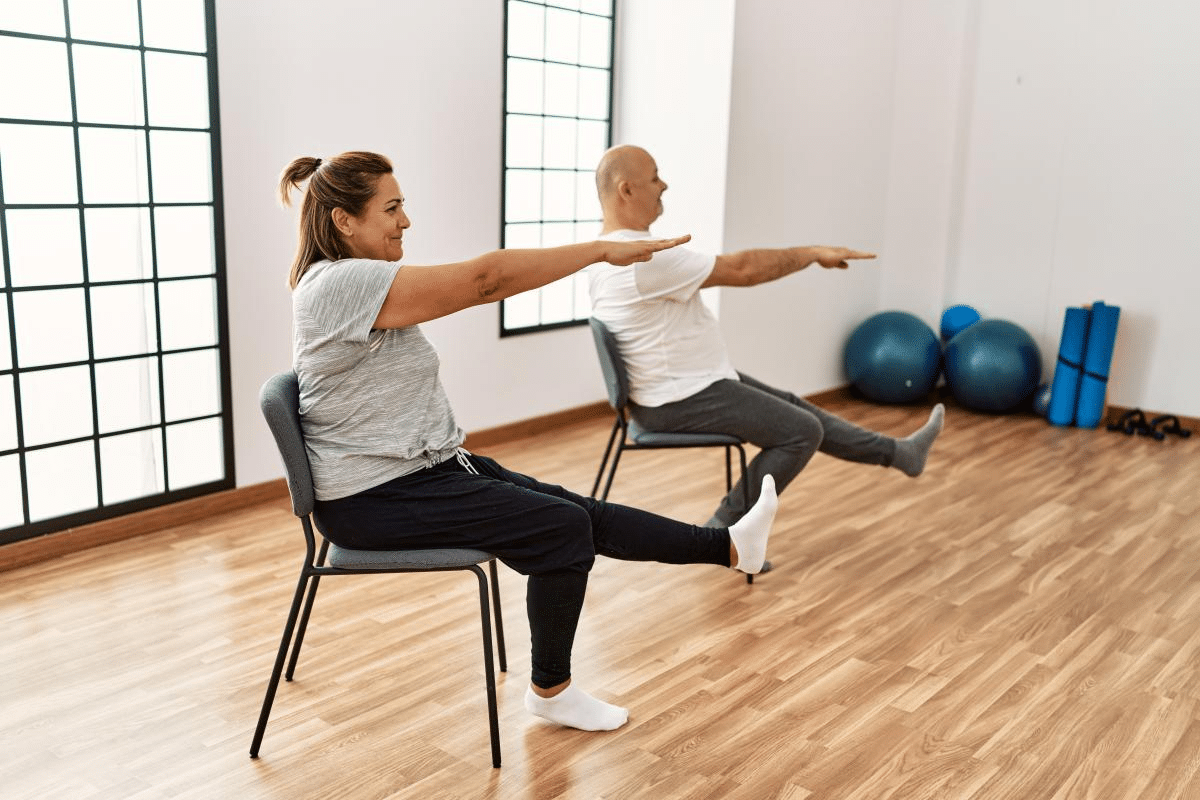
For a simple sitting twist, begin by sitting in a chair with your back straight and feet flat on the floor. Twist your torso toward one side, aiming to rotate your thoracic spine while keeping your body relaxed. Hold the twist and take deep breaths, maintaining the position for about 30 seconds. Afterward, slowly release and repeat the twist to the other side. This simple motion is effective for improving mobility and easing tension in the back and shoulders, especially after long hours of sitting.

Frequently Asked Questions

Can I practice this pose if I have tight hips?

Yes, you can extend the bottom leg straight or sit on a folded blanket for added comfort and to reduce tension.

What if I feel tension in my low back?

You can try a gentler version of the twist, focusing on lengthening your spine first before twisting. Make sure to avoid forcing the movement.

Is this pose good for digestion?

Absolutely. The gentle abdominal compression in the twist helps stimulate the digestive system, improving digestion.

Yin vs Restorative Yoga

When you look at Yin Yoga and Restorative Yoga, they might seem similar at first because both are slow-paced and rely heavily on props. But as experts like Yoga Education, who teaches Restorative Yoga in a monthly class, often explain, the difference is clear. Yin Yoga is a practice that focuses on longer duration holds, designed to stretch deep tissues and improve flexibility, while Restorative Yoga centers on slowly bringing the body into a deeply relaxed state with the help of props to support and cradle it. Yin Yoga works with a slower pace and aims to stretch and hold postures for up to 3 to 5 minutes, while Restorative Yoga poses are often held for 5 to 20 minutes to encourage relaxation. Both practices are suitable for beginners and anyone interested in slowing down, but they cater to different needs. In my own Yoga education, I’ve come to appreciate how these two styles, although they share some similarities, truly offer unique approaches to relaxation and flexibility. Yin Yoga helps you do less while pushing into deeper stretches, whereas Restorative Yoga is more about finding stillness and comfort. Whether you are seeking to stop, slow down, or simply find out which practice works best for you, these two styles have something to offer for everyone.

What is Yin Yoga?

Yin Yoga is a slow, contemplative style of yoga that focuses on holding postures for longer durations, usually between two to seven minutes, to target the deep connective tissue. The practice emphasizes letting gravity act on the body, which creates an opening and helps with awareness. The core idea behind Yin Yoga is to find an appropriate edge in each posture—one that is sustainable yet challenging. By doing this, you can allow your body to settle into stillness, watching how the tissues of your body adapt and release built-up tension. The practice evolved from Taoist Yoga, which incorporated elements of Taoist philosophy and is rooted in the Yin/Yang philosophy—a balance between opposing forces. While Vinyasa Yoga is considered more yang in nature, Yin Yoga offers a counterbalance, encouraging calm and deep stretches to promote flexibility, joint mobility, and release of trauma through work with energy meridians in the body. The poses help you lengthen the tissues and improve overall physical health by focusing on deep stretches without the need for constant movement or effort.

What types of poses do we do in Yin?

In Yin Yoga, the poses are typically held close to the ground and come in a wide range of forms. These include forward folds, side bends, and hip opening poses like frog or the dragons from the lunge series. You may also encounter supported heart openers and occasionally inversions, though these are done with support from props like blocks or the wall to ensure comfort and proper alignment. The goal of these Yin poses is not only to stretch the body but also to create space in the joints and deep tissues, offering a sense of deep release and relaxation while working through the poses.

How long are Yin poses held? 

In Yin Yoga, poses are typically held for longer durations, usually between 3 to 5 minutes. This extended time allows you to use gravity as one of the main tools to help the body relax and stretch the tissues deeply. By holding the posture for this length of time, you can slow down, yield to the pose, and access deeper parts of the body that may not be reachable through quick movements or effort. This approach emphasizes patience and mindfulness, allowing the body to open and release tension over time.

What’s the intention of Yin Yoga? 

The intention of Yin Yoga is to offer a contemplative practice where you can truly meet yourself. By holding long holds, you allow the body to abide in stillness and see how the mind and feelings react in different shapes. The goal is to find a sustainable edge—one that is challenging yet compassionate towards the body, without forcing or pushing yourself. Physically, Yin Yoga works to stress the tissues gently, improving hydration in the connective tissues and offering better lubrication for the joints. This not only enhances flexibility but also leaves you feeling deeply relaxed and refreshed. It’s a practice of balance between effort and ease, where the body and mind can release tension and find peace.

Where do props come into Yin practice? 

In Yin Yoga, props play an important role in helping you find a sustainable edge during each posture. They provide support for the body, allowing you to give in to the pose without straining or forcing yourself. The use of props helps you feel supported, making it easier to yield into the posture and create the space needed for deep stretches. They are also there to help the posture meet your individual body, ensuring that the practice is comfortable while still allowing you to invite the release of tension and stress in the tissues. With the right use of props, you can make each pose more accessible and effective, allowing for a deeper release and a more fulfilling practice.

Traits of Yin Yoga

Yin Yoga focuses on targeting the connective tissues rather than the muscles, offering a practice that aims to stretch and strengthen the body in a deeper way. Unlike other yoga practices, it works primarily with the connective tissue, including fascia, to improve tissue elasticity and joint mobility. The poses in Yin Yoga are typically held for 2-7 minutes, allowing the body to stimulate the connective tissue over a longer period and release tension. This practice is deeply rooted in Eastern philosophy, especially the Ancient Chinese and Indian cultures, where there is a belief in the system of energies within the body. Yin Yoga incorporates meditation, breathwork, and a physical practice that helps improve flexibility, joint health, and posture. It is especially beneficial for those looking to increase flexibility and improve trauma release, as it focuses on deeper emotional and physical healing. This practice is perfect for those who want to complement a more energetic exercise routine and maintain a healthy, mobile body.

  • Targets connective tissues and fascia
  • Held poses for 2-7 minutes
  • Stimulates deep, less elastic tissue
  • Improves flexibility and joint mobility
  • Draws from Eastern philosophy, meditation, and breathwork
  • Helps release tension, trauma, and stored emotions

Benefits of Yin Yoga

Yin Yoga brings many benefits to the body and mind. It improves joint health by focusing on deeper stretches that target connective tissue and the less elastic tissues in the body. This helps to encourage better joint mobility and flexibility, particularly in areas that are often neglected in regular fitness routines. As a result, Yin Yoga promotes healthy, strong tissues and enhances overall movement. This practice also brings balance to your body and life, drawing from the Taoist philosophy of Yin/Yang, where it helps restore the balance between opposing forces. In a modern world filled with constant stimulation, Yin Yoga can deliver a sense of yin energy, offering relief from stress and anxiety. As you practice, you’ll experience a calmness that can reduce stress and bring peace to the mind, helping you feel deeply relaxed.

  • Improves joint health and mobility
  • Targets deeper stretches in connective tissue
  • Encourages flexibility and healthy tissues
  • Brings balance to body and life
  • Fosters yin energy to reduce stress and anxiety
  • Promotes peace of mind

What is Restorative Yoga?

Restorative Yoga is a calming practice that focuses on providing a passive release for both the mind and body. Using props like blocks, straps, sandbags, bolsters, and blankets, it helps to fully support the body, allowing it to relax and restore. Restorative Yoga evolved from the teachings of B.K.S Iyengar, who explored the healing properties of yoga to address illnesses he experienced in his childhood. The goal of restorative yoga is to bring the body into a state of healing and restoration, specifically through balancing the nervous system, which can shift between two modes: fight or flight and a calming state. In a world where the nervous system is constantly stimulated, this practice helps bring the body into a state of safety, triggering natural healing processes. Unlike active stretches or engagements with the body, restorative yoga encourages deep relaxation with no expectation or agenda. It’s a gentle, slow-paced practice where you wait in stillness and allow quietness to spontaneously arise, offering the opportunity to rest deeply and find peace in the space.

What types of poses do we do in Restorative?

In Restorative Yoga, the poses are typically reclining or seated, focusing on deep relaxation and support. Supported postures like supta baddha konasana (bound angle), viparita karani (legs up the wall), and setu bandhasana (bridge) are common examples you might find in a restorative class. These poses are designed to help the body gently ease into stillness, often using props for extra support to make the practice more comfortable. During a typical yoga class, we might also practice savasana, where you prepare the body and mind for complete stillness. It’s about arranging the body and props to create a space where the energy flows smoothly, inviting a deep experience of rest. These restorative poses are not about effort but about surrendering to the comfort and support that will help you relax fully. In this practice, versions of each pose allow you to receive the most support and feel comfort during the experience.

How long are Restorative poses held? 

In Restorative Yoga, the poses are held for a long time, usually longer than in other styles of yoga. Depending on the pose, they can be held for anywhere from 5 to 20 minutes, making it a more common practice for deep relaxation. Savasana, for example, is often practiced for a minimum of 20 minutes to allow the body and mind to truly drop in and relax deeply. The extended length of time in each pose gives you the chance to let go of tension, but it’s important that the practice isn’t rushed or forced. There’s no shortcut—the goal is to fully embrace the stillness and comfort the poses provide without any pressure.

What’s the intention of Restorative Yoga? 

The intention of Restorative Yoga is to create a space where the body feels completely comfy and supported, allowing the mind to move on from the usual distractions of thoughts and emotions. Unlike other types of yoga that focus on stretching, restorative yoga is not about stretching at all. Instead, it’s about finding comfort and ease in the body and then allowing that sense of comfort to spread into the subtler parts, like the thoughts and feelings. As you settle into each pose, the goal is to get past the urge to do something, and to simply be. It’s a practice that encourages inner stillness, helping you let go of the stories, giant to-do lists, and any other distractions. By cultivating this stillness, you can create the right conditions for comfort to spill over into your thoughts, making them less important as you stay focused on the quiet present moment.

Where do props come into Restorative practice?

In Restorative Yoga, props are essential to provide the support the body needs to relax and find comfort and ease in each pose. These props help you settle into stillness, allowing you to stay calm and relaxed throughout the practice. The key ingredients for restorative yoga include blankets, bolsters, blocks, straps, and sometimes an eye pillow or cloth to create the perfect environment for relaxation. The goal is to provide the support needed to stay still, while also creating a quiet, dark, and warm setting that helps you drop into a deeply restful state. You don’t need to buy expensive yoga props—you likely have everything you need at home. Even if you’re at a studio, they usually have you covered with the right props to help you find stillness and enjoy the practice with the best chance of relaxation. The key is choosing the right practice space and time, where you can fully enjoy the experience without expecting complete silence, but still able to relax and let go of distractions.

Traits of Restorative Yoga

Restorative Yoga is designed to bring the body into a state of restful healing by using a combination of supportive props and longer holds to help the body relax deeply. These props are used heavily to ensure the body is properly supported and can experience a sense of comfort and calm. The postures are typically held for 5-20 minutes, allowing the body’s healing mechanisms to be triggered and the nervous system to reset from the influence of external stimulation. The use of props helps to create a space where the practitioner feels wrapped up like a cocoon, offering a secure and comfortable environment to fully rest. It’s a practice that focuses on gentle support, allowing the body and mind to settle into a deep state of relaxation and physical comfort.

  • Supports the body using props
  • Held postures for 5-20 minutes
  • Triggers the body’s healing mechanisms
  • Creates a sense of comfort and calm
  • Promotes restful healing for the nervous system

Restorative yoga is best for:

Restorative Yoga is especially great for those who are looking to heal and find a deep sense of relaxation. It helps with stress release by creating a sense of safety in both the mind and body. This practice is ideal for reaching a state of mindful rest, where you can deeply relax without the need for intense effort. Whether you’re seeking to unwind after a long day or want to explore meditation in a more physical way, Restorative Yoga offers a peaceful and supportive environment to rejuvenate.

  • Helps heal and release stress
  • Deep relaxation for the mind and body
  • Creates a sense of safety in the practice
  • Promotes mindful rest and meditation

Benefits of Restorative Yoga

Restorative Yoga is a practice that helps activate the body’s healing mechanisms, bringing it into a state of healing. By focusing on deep calm and relaxation, it promotes the activation of natural healing mechanisms in the body. In a restorative yoga class, it’s quite common to experience falling asleep, which isn’t a surprise considering how soothing the practice is. This creates a total sense of calm and relaxation, allowing practitioners to deeply rest. Not only does it help you feel more relaxed, but restorative yoga also boosts the immune system, helping the body stay healthy and happy. When you are well rested, your immune system functions better, preventing it from suffering due to stress or fatigue.

  • Activates the body’s healing mechanisms
  • Promotes deep calm and relaxation
  • Helps boost the immune system
  • Encourages well rested states
  • Supports a healthy and happy body

Conclusion:

Both Yin Yoga and Restorative Yoga offer a gentle approach to yoga, making them appropriate for all levels of students, from beginners to experienced practitioners, including athletes, seniors, and those with injuries or movement limitations. While they share some similarities, such as their focus on gentle movement and support, they serve unique formats with separate objectives. Yin Yoga typically involves poses held for 3-5 minutes and focuses on deep stretching to develop the tissues and improve flexibility, whereas Restorative Yoga uses props to provide support and is typically held for 5-20 minutes to allow the body to drop in and relax deeply. Restorative Yoga is about creating a calm and relaxed state, often by cradling the body with props like blankets or bolsters, whereas Yin Yoga encourages more active stretching to engage the tissues. Both styles focus on creating space in the body, but Yin Yoga aims to stretch and release tension, while Restorative Yoga is focused on passive stretching and the deep relaxation of the mind and body.

Unlock Relief with the Supine Spinal Twist Power Move

Welcome to a deeper look into the Supine Spinal Twist. This gentle stretch is perfect for anyone experiencing back pain or seeking relief from muscle tension. Often underestimated, twisting poses are essential for spinal health, helping the body rotate correctly. By incorporating this stretch into your daily movements, you can improve spinal mobility, enhance flexibility, and feel a noticeable difference in your back and hips. Experts, like Paul Spano, a physical therapist from the NYU Langone Sports Medicine Department, highlight the importance of spinal rotation in maintaining a healthy spine.

As Paul Spano mentions, many people have a misbelief about twisting, thinking it might not be beneficial or safe. Contrary to this, twisting movements actually support your body by helping the spine move freely, improving circulation and providing relief for back pain. Over time, incorporating spinal stretches like the Supine Spinal Twist can lead to lasting benefits, such as better sleep quality, reduced stress, and increased movement in everyday tasks. As a golfer, Paul Spano includes this practice in his routine to aid rotation and promote better movement for his patients with back-related injuries. The stretch isn’t just about flexibility – it’s about healing and incorporating gentle movements into your daily life.

What is Supine Spinal Twist?

Supine Spinal Twist, also known as Supta Matsyendrasana, is a reclining twist that relaxes the body and soothes the spine. While lying on your back, one leg is crossed over the body, providing a safe and accessible stretch for the hips and lower back. This gentle stretch helps to release stored tension in these areas, offering relief and promoting a sense of relaxation. It’s a pose often included in yoga classes or restorative sequences, as it promotes deep relaxation and gently stimulates digestion and circulation.

Personally, I find that this pose is perfect for winding down after a busy day. The Supine Spinal Twist not only helps to open the chest but also encourages a calm mind, making it an excellent way to prepare for sleep. When practiced consistently, it has a powerful impact on improving mobility and flexibility while helping to ease discomfort in the lower back and hips.

Benefits of Supine Spinal Twist

  • Relieves spinal and back tension by gently decompressing and mobilizing the spine.
  • Aids in digestion and detoxification by encouraging movement in the abdominal organs.
  • Stretches the hips and shoulders, helping to open commonly tight areas from sitting and stress.
  • Calms the nervous system and activates the parasympathetic rest and digest response.
  • Improves spinal mobility by introducing healthy rotation with minimal strain.
  • Supports deep breathing by expanding the ribcage and side body.
  • Twisting movements are essential for daily activities like walking and providing back pain relief.
  • Offers an opportunity for relaxation and breathing practice, especially after a tough day.
  • Ideal for people recovering from surgery, but should be avoided by those with specific health conditions like facet arthropathy or arthritis that exacerbate pain.

Increased spinal mobility

A major benefit of performing spinal twists is the increased flexibility and mobility they offer. By introducing proper spinal movement, you can also improve hip and pelvic mobility. Spano emphasizes that rotational exercises help to dissociate the movement of the trunk from the hips, which can be challenging but ultimately improves control. Without this control, you might feel stiff or experience a blocky movement pattern when walking. By incorporating these movements, you can lead to healthier and better motions, helping with back pain and preventing injuries, such as when bending down to tie shoes or lifting heavy items. A lack of flexibility increases the risk of injury, which is why practicing these twists can help maintain a healthy, mobile body, reducing discomfort.

Pain relief

Stretching with a back twist like the Supine Spinal Twist can significantly reduce pain and improve mobility in areas like the shoulders, thoracic spine, lumbar, and hips. It helps to relieve muscle tension in common pain points such as the low back and glutes. In today’s technology-centered world, where we spend a lot of time sitting at computers, gentle twisting stretches are vital for releasing the built-up tension from sitting or standing for long periods. As someone who experiences occasional back pain, I find that these twisting poses offer relief and help me feel limber and pain-free after long workouts or a full day of walking. Additionally, this stretch targets deep muscles like the quadratus lumborum (QL) and piriformis, offering further support for lower back pain and even nerve compression.

Relaxation

Twisting stretches like the Supine Spinal Twist offer a great opportunity to practice diaphragmatic breathing, which promotes pain relief and deep relaxation. While lying on your back, as you perform the twist, the ribs and thoracic spine gently mobilize, releasing tension and promoting calmness throughout the body. This stretch encourages the mobilizing of tissues, helping the interconnected system of your body feel more relaxed. Spano explains how these stretches not only help with relaxation but also bring peace, especially when combined with deep breaths. Personally, I find that doing this before bedtime helps me unwind and fall asleep quickly, especially after a stressful day. The calming effect of the stretch, along with less tension in the hips, makes it an ideal way to end the day feeling peaceful and rested.

Improved balance

Incorporating standing twists into your practice helps strengthen your muscles while challenging your balance. As you progress to more advanced standing variations, such as twisting lunges, your body adapts by improving coordination and stability. Spano mentions how these movements challenge the postural muscles, especially when you’re in a narrowed stance, making them an excellent way to improve overall balance. Even simple movements like standing twists with arms outstretched help increase balance and core strength. I’ve found that adding these types of twists into my routine not only challenges my balance but also boosts my confidence in holding positions that require focus and stability.

Digestion

Twisting poses like the Supine Spinal Twist can help people manage bloating and constipation by contracting and relaxing the abdominal and core muscles. This gentle motion stimulates the GI system, helping it mobilize and clear any buildup, promoting smoother digestion. Spano explains how spinal mobility and proper motion in the body assist in addressing GI-related issues. Personally, I’ve noticed that after practicing these twisting poses, my body feels lighter and digestion improves. While Leber doesn’t recommend solely relying on spinal twists to alleviate gastrointestinal problems, adding them to a routine can be a helpful way to support the GI system and encourage natural movement, especially for those recovering from surgery or lack of movement.

How to Practice Supine Spinal Twist

  • Start lying on your back in Savasana with your legs extended and arms by your sides.
  • Hug your right knee into your chest, keeping the left leg extended.
  • Use your left hand to guide the right knee across your body, towards the left side.
  • Extend your right arm out to the side, palm facing up, and allow your gaze to turn towards it for a comfortable stretch.
  • Keep both shoulders grounded on the mat as you maintain the position.
  • Adjust the position of your bent knee with a block or blanket if extra comfort is needed.
  • Breathe deeply into the side body, holding for a few breaths.
  • When ready, return to the center and repeat on the opposite side.
  • This variation can be included in your stretching or exercise routine to alleviate and prevent neck, shoulder, low back, or hip pain, leaving you feeling relaxed and grounded by the end of the practice.


Simple spinal twist

Spano recommends that beginners start with a simple version of the stretch that involves legs and is easier to perform. Begin by lying on your back with your feet on the mat and your knees bent. Hug your knees to your chest, and then lower both knees to the right, letting them rest on the floor. Keep your knees and legs stacked on top of each other, ensuring the stretch is gentle for the low back and hips. Extend your arms wide, and look towards your left hand, breathing deeply into the upper shoulders. If the stretch feels intense, you can use props like pillows, yoga blocks, or a folded blanket to support your knees. Once you’re ready, bring your knees back to the center and repeat the steps on the left side. This basic pose is referred to as Jathara Parivartanasana in yoga, and it’s great for easing tension in the spine and providing support for your back.

Alignment Tips:

When practicing the Supine Spinal Twist, it’s important to keep your shoulders grounded to maintain proper alignment. If your knee doesn’t touch the floor, don’t worry—avoid forcing the twist. Let gravity create the movement naturally over time. Keep your extended leg either active or relaxed, depending on your goal for the stretch. If needed, you can use props to support your knee, hip, or shoulder for extra comfort. Always let your breath guide the depth of the twist, rather than forcing the effort, ensuring a gentle and effective stretch.

Simple & Effective Cueing Suggestions

To practice the Supine Spinal Twist, start by allowing your spine to unravel gently with each exhale. Soften into the twist and avoid the urge to force or push the body further. Keep your heart open and ensure your breath is full to help deepen the stretch. Relax your jaw and shoulders, allowing your body to breathe deeply into the side body. Let gravity do the work, trusting that your body knows how to naturally release tension without strain.

Contraindications

If you have a recent back or spinal injury, it’s important to consult a professional before attempting the Supine Spinal Twist. You may need to use props for support to avoid further strain. During pregnancy, especially in the later stages, avoid deep twists and consider modifying the pose with open, side-lying versions for comfort. If you’re dealing with a knee or hip injury, use extra support or simply skip the pose. For those experiencing digestive discomfort like bloating or pain, practice the twist gently. Lastly, if you have osteoporosis, take extra caution with twisting, and avoid any aggressive movement that could lead to injury.

Modifications & Variations of Supine Spinal Twist

For those new to the Supine Spinal Twist or looking for more comfort, modifications can make the pose more accessible. Placing a blanket or **block under the knee helps maintain alignment and prevents strain. To reduce low back tension, bend both knees instead of keeping one extended. If your shoulders are uncomfortable, try placing your arms in a Cactus or T-shape position for more shoulder comfort. For extra support, you can place a wall behind you to rest your knee against, offering more structure. In terms of variations, you can practice the Reclined Twist with both knees bent for a more restorative stretch, or try the Eagle Legs Twist by crossing one leg over the other for a deeper hip engagement. If you’re seeking a more calming experience, consider using a bolster or pillow to support your body, which will also soothe the nervous system. For those wanting to open up the ribs and side body, arms overhead can be used to stretch more actively.

Common Mistakes to Avoid

One common mistake in the Supine Spinal Twist is lifting the shoulder off the ground, which can disturb the alignment of your upper body. It’s important to focus on grounding both shoulders, especially when twisting. Avoid over-twisting the spine; instead, let the twist be passive and supported by your body. Another mistake is holding your breath—remember to breathe deeply and slowly to facilitate the release of tension. Disregarding props is another issue, as using props can support your body, making the pose more sustainable and safe. Lastly, don’t rush into the twist too soon; it’s important to warm up with a gentle sequence before attempting deeper twisting movements to avoid strain.

When to Avoid or Modify Supine Spinal Twist

If you’re in the second or third trimesters of pregnancy, it’s important to modify the Supine Spinal Twist by using open twists or practicing side-lying versions to offer more support. After a recent spinal surgery or with disc issues, you should avoid the twist unless cleared by a healthcare provider. For those with knee or hip pain, it’s best to keep your knees bent and supported with props to reduce discomfort. If you experience fatigue or dizziness, it’s important to make the pose more restorative and avoid deep engagement in the twist. Lastly, if you feel any sharp pain or discomfort, always back off and adjust the twist to keep it feeling spacious and gentle.

Why Practice Supine Spinal Twist?

Supta Matsyendrasana, also known as Supine Spinal Twist, is a gentle and introspective posture that supports release on every level—physical, mental, and emotional. As your body reclines and the spine rotates, it creates space to breathe, feel, and let go of tension. This pose is the perfect way to unwind after a long day or to ground yourself before sleep. Whether practiced in an active flow or as part of a restorative sequence, the Supine Spinal Twist serves as a simple yet powerful reminder that sometimes transformation comes from softening, not striving. Personally, I’ve found it to be a calming way to release the pressures of the day and connect deeply with my body and breath.

Frequently Asked Questions

Should my shoulders stay on the mat during the Supine Spinal Twist?

 Ideally, yes, your shoulders should remain grounded to maintain proper alignment. However, if your knee doesn’t touch the floor, it’s not a problem. You can use props like a block or pillow under the knee for support, allowing your body to relax without sacrificing your alignment.

Can I do the Supine Spinal Twist on the bed? 

Absolutely. This pose can be calming and restorative, and practicing it in bed is great for winding down after a long day. It’s a perfect way to relax, especially if you’re preparing to sleep.

How long should I hold the twist? 

You can hold the twist for 5–10 breaths for a gentle release, or for 1–3 minutes if you’re aiming for a more restorative effect. The key is to listen to your body and focus on gentle breathing.

Is the Supine Spinal Twist good for back pain? 

Yes, if practiced gently with proper support, this twist can be a great way to relieve back pain. Just make sure to avoid sharp, deep twisting sensations, as these may strain your back.

Should I modify the pose if I have any pain or discomfort? 

If you feel any discomfort, it’s important to back off and adjust the twist. You can use support for your knees or try a gentler version of the pose to avoid deep twisting and reduce the risk of injury.

How Daily Yoga Transforms Your Body in 30 Days

Practicing yoga every day for just 30 days can lead to noticeable physical, mental, and emotional changes. Unlike quick-fix fitness trends, yoga works holistically—improving flexibility, strength, posture, breathing, and overall well-being. Whether you’re a beginner or someone returning to the mat, committing to a daily yoga practice can be truly transformative.

In this blog, we’ll explore what happens to your body when you practice yoga daily for 30 days and why this ancient discipline continues to be one of the most searched wellness practices worldwide.

Week 1: Improved Flexibility and Body Awareness

During the first week of daily yoga, most people begin to notice reduced stiffness and increased mobility. Common problem areas like hamstrings, hips, shoulders, and lower back start to open up gently.

High-search keywords naturally fitting here include yoga for flexibility, daily yoga benefits, and yoga for beginners.

You’ll also develop better body awareness. Poses such as Downward Dog, Cat-Cow, and Child’s Pose help you recognize muscle imbalances and tension patterns. While soreness is normal initially, it’s a sign your body is adapting and awakening muscles that were previously underused.

Week 2: Better Strength, Balance, and Posture

By the second week, yoga begins to build functional strength. Unlike weight training that isolates muscles, yoga strengthens multiple muscle groups simultaneously.

Standing poses like Warrior I & II, Chair Pose, and Plank enhance core stability, leg strength, and balance. This leads to improved posture—one of the most overlooked yet valuable benefits of yoga.

Many people searching for yoga for posture correction or yoga for back pain report noticeable relief during this phase. Daily practice helps counteract long hours of sitting and screen use by realigning the spine and strengthening postural muscles.

Week 3: Reduced Stress and Improved Mental Clarity

One of the biggest reasons people stick with yoga is its impact on mental health. By week three, the nervous system begins to calm down significantly.

Breathing techniques (pranayama) and mindful movement activate the parasympathetic nervous system, reducing cortisol levels. This is why yoga for stress relief and yoga for anxiety are among the highest searched yoga-related terms.

Sleep quality often improves during this stage. A relaxed mind, deeper breathing, and gentle evening stretches help regulate sleep cycles, making yoga for better sleep a popular benefit experienced around this time.

Week 4: Increased Energy, Endurance, and Confidence

After 30 days of daily yoga, most practitioners feel lighter, stronger, and more energized. Circulation improves, digestion becomes more efficient, and breathing capacity increases.

Dynamic flows such as Vinyasa or Power Yoga enhance cardiovascular endurance, while restorative practices support recovery. Many people also report healthier habits forming naturally—better hydration, mindful eating, and improved focus.

Search terms like benefits of daily yoga, yoga for overall health, and yoga lifestyle transformation align strongly with what practitioners experience at this stage.

Perhaps most importantly, confidence grows. Completing 30 days of consistent practice builds discipline and a sense of accomplishment that carries into other areas of life.

Physical Changes You May Notice After 30 Days

  • Increased flexibility and joint mobility
  • Improved muscle tone and core strength
  • Reduced back, neck, and joint pain
  • Better posture and balance
  • Enhanced breathing and lung capacity

These changes are gradual but sustainable, making yoga an ideal long-term wellness practice.

Mental and Emotional Benefits

  • Lower stress and anxiety levels
  • Improved concentration and mindfulness
  • Better emotional regulation
  • Improved sleep quality
  • Greater sense of inner calm

These benefits explain why yoga is increasingly recommended alongside modern wellness and mental health routines.

Tips to Stay Consistent for 30 Days

  • Start with 20–30 minutes daily
  • Mix gentle and dynamic styles
  • Focus on progress, not perfection
  • Listen to your body and rest when needed
  • Practice at the same time each day

Consistency matters more than intensity when it comes to yoga.

Final Thoughts

Practicing yoga daily for 30 days doesn’t just change how your body looks—it changes how it functions, feels, and responds to stress. With improved flexibility, strength, posture, and mental clarity, yoga becomes more than exercise; it becomes a lifestyle habit that supports long-term health.

Whether your goal is fitness, stress relief, or personal growth, daily yoga offers benefits that compound over time—making it one of the most powerful self-care practices available today.

For those looking to deepen their understanding or pursue structured learning, guidance from a trusted Yoga education institute can help build a strong and safe foundation.

Build Your Dream Career as a Yoga Professional

After you have finished your 200 Hour Yoga Teacher Training, you often feel ready to begin teaching and start shaping a meaningful career. This moment is not just about classes, but about creating something long-lasting that can support your life across mental, emotional, physical, and financial areas. When I first began, I realized the real work was to build trust with clients, form strong relationships, and create a clear sense of marketing and branding. There are many ways and sections to explore, depending on what feels most relevant to you at the time, but at its core, yoga remains a natural healing tool. For thousands of individuals around the world, yoga is now essential for learning balance and resilience.

Looking at the latest figures, around 350 million people routinely practice yoga, and it is projected that one million additional practitioners will join in the upcoming years. This steady rise explains why the yoga business has grown into one of the important industries in India and elsewhere, and why it stands among the highest-paying occupations in the modern world. From my experience, making money through yoga is possible without starting a business, as there are many careers you can pursue after completing a yoga course. When approached with patience and authenticity, this path becomes more than work—it becomes a sustainable way to serve, grow, and stay connected to what truly matters.

Building Your Clientele

Time is where everything truly begins, because to build clientele you must consistently teach classes, especially by subbing classes as a new teacher and teaching multiple classes throughout the week, which slowly opens the door to building relationships with clients through honest sharing from an authentic space. It is important to remember that people cannot know your teaching unless you give them the opportunity to get to know your style, and even as an experienced yoga teacher walking into a brand new studio, attendance may not be high at first despite strong skills, because trust grows from a special relationship between teacher and students that may not always be consciously acknowledged. Over time, students naturally return to trusted teachers whose teaching styles resonate, and this is where preparation, ability, and offering a sound class while remaining authentic leads to long-lasting client relationships. I have seen students grow when they connect deeply, begin following me from class to class, and eventually ask for privates, join workshops, or travel together on retreats, proving that real connection, not quick results, is what truly builds a sustainable teaching life.

The Art of Subbing/Finding a Sub

subbing is a big topic in teaching, and as a Yoga Instructor you may enjoy a flexible schedule, but once you are scheduled on the same days every week, the reality of being a yoga teachers means no paid time off and only a certain amount of classes you can sub out in a year, because when you take on a class, it is often assumed you will teach every week; still, life happens, you get sick, and you will need a sub once in a while, which is why having a reliable teacher who is comfortable assisting a student in downward facing dog matters. A reliable sub with a similar teaching style helps students feel comfortable, and understanding the subbing protocol, which is different studio to studio, is essential, whether that means a texting thread, using platforms like Sub It Up or Instrukt, or having to submit sub requests to a manager. Knowing the subbing policy, what counts as an emergency, how many you are allowed in a month, and how easy to sub out a class you are being asked to teach becomes crucial if you travel, experience situations where emergencies or last minute events are common, so you must take into account how your life gels with every aspect of the studio you are intending to teach at.

Building a Website

At a certain point in your career, it becomes easier to keep your classes, events, and information in one place, especially when inquiries start coming in about work privately and where you are teaching, but building a website does not have to be the first thing you do when you complete your first teacher training. I remember choosing not to worry about creating a website until I had been teaching for a bit, because if you are intending to teach, that should be your main focus, and once you gain traction, begin planning retreats, offering special classes, and build a consistent following, a website naturally becomes the next step.

There are various sites that let you build free websites, and platforms like Squarespace, Wix, and ShowIt are popular websites where you can create your website from start to finish without help from a branding specialist, making it very cost effective with flexible options like a monthly fee or annual fee and a user friendly feel. Still, website development and branding can feel daunting, especially when adding bells and whistles such as a button linked to your email so prospective clients can connect, linking pages, or adding a payment method so people can pay for sessions right from your page, and if that feels overwhelming, you can outsource help. While it can be costly and save you the hassle and frustration if you are not tech-savvy, using word of mouth to find a website developer or brand developer who understands marketing works well, and Fiverr is a helpful resource that connects business owners with freelance workers across all budgets, from website design to content creation, video production, and other forms of outsourcing.

Mastering Social Media

Understanding Your Relationship With Social Media

Before mastering social media, it helps to reflect on your current relationship and how you view it, because when used well it can be truly beneficial and become a wonderful tool for marketing and branding. Over time, I learned to treat it as an instrumental tool for connecting with others and potential clients, where sharing as a coach, teacher, or trainer opens space for general self expression through storytelling, perspective sharing, and educational content. Even though it can feel daunting, overwhelming, or scary to be vulnerable, leaning into vulnerability and authenticity helps you genuinely connect when you share your heart in an authentic manner, even through a screen or phone, especially when you are feeling called toward mastering social media and ready to follow tips that align with you.

Building Consistency Without Losing Authenticity

To grow online, you must post frequently and see it as a posting habit that improves with practice, because it becomes easier to gain traction when you show up every day, which is important to drive traffic to your page. Creating more content gives people more points to connect, and learning to don’t second guess yourself is just as important, since getting stuck in your heads about sharing can feel paralyzing and cause you to curate content until it is no longer authentic. Your viewpoints will change, what you share may not hold true tomorrow or next year, and it is not set in stone once others consume it, which is why revisiting previous posts can reveal how you have grown in perspective, mindset, and values.

Integrating Your Personal Voice and Taking Action

It helps to keep one account, because if you are interested in social media as a marketing and branding tool, the instinct to create profile pages for personal use and business use can slow progress when you already have followers on your personal page, many of whom are potential clients open to learning from you. There is no need to start from scratch when you already have a wonderful foundation, since your personal life as a teacher, yoga professional, or wellness professional is shaped by personal experiences that fuel teachings, making separation unnecessary and integration more powerful. When you plan ahead of time with clear planning, you build consistency in posting and reduce pressure on a single day by batch content, creating multiple posts to use throughout the week, and capturing videos, photos, or scenery videos preemptively for background use in reels, which makes it easy to add words, phrases, or quotes. Sometimes the best advice is simply just do it—start, stop thinking, choose something from your camera reel that feels appropriate, because it does not need to be jaw-dropping content, perfect, or liked by hundreds; when you feel inspired, put yourself out there and share, since the fear of judgment often holds back growth, and choosing to be vulnerable often means being met with love, even if it comes from only a few people.

Developing Online Courses

Choosing the right topic within yoga is the first step when developing online courses, especially when you want to go into depth on areas like arm balances, inversions, sequencing, meditation, mindfulness, ayurveda, philosophy, or other asana specific subsets that people love to consume. Unlike a workshop or teaching live, an online offering can reach beyond studio walls and become far-reaching, able to live forever, but there must be real interest from the masses and a clear intention behind what you want to share. From experience, knowing your why and creating from an authentic space rooted in passion helps your audience connect, receive, and feel excited to build skills, even without the people’s energy you feel when you teach in-person and work off the cuff.

When planning a successful course, it helps to consider the time, structure, and how you will progress students in a scaffolding manner, allowing them to layer previous knowledge while you deliver information clearly and intentionally. Filming requires a script, often more than one take, and adds a level of effort, especially when demonstrating physical practice and poses, but this care allows students to gain skills at their own pace without real-time feedback. Thoughtful creating ensures your information is easy to detect and follow, setting students up for success, and when combined with clear planning, mastering your message, and understanding how social media can support your reach, the result is a course that feels aligned, purposeful, and intended to truly serve throughout the learning journey.

Online Workshops

I jumped in when the opportunity came to publish an online yoga course, because it felt important to expand my reach into the online community and extend offerings, especially during unpredicted times when in-person options were limited. If you are curious about what an online yoga workshop looks like, I often invite people to check out the courses I have offered, as they show how digital spaces can still hold depth, connection, and real teaching presence.

Building Trusting Relationships

For me, building trusting relationships has always been the best part of being a yoga professional and wellness professional, because it allows you to meet like-minded individuals who are genuinely interested in a similar journey, creating a deeply gratifying and self-affirming experience. These relationships naturally form with students, other teachers, and studio owners and managers, and each connection plays an important role as you continue to build and maintain a strong, supportive professional life rooted in mutual respect and shared growth.

Relationships to Students

Your relationship with students who take your class is paramount to building clientele, maintaining steady income, and supporting fulfillment in your job, even though you do not need to be best friends with everyone who walks through the door, because simply getting to know names and showing genuine interest in those who come repeatedly can go a long way in forming a solid group. At the same time, keeping a comfortable distance within the context of the student-teacher relationship matters, since teaching means being at the front of the classroom, managing the class, setting boundaries, and respecting boundaries and personal space. It is also important to remember that students may leave at any given time, move, find another teacher, or leave the studio, so while you can truly love your students, releasing ownership allows both you and them to honor change as a natural part of life.

Growing Together as Teachers

Your relationship with other teachers and friends is an important factor in building trusting relationships, because having yoga teachers as close friends can be incredibly helpful for support, finding a sub, and creating a community where you truly feel a part of something larger. Through connecting with others on a similar path and similar mindset, I have learned the value of the art of finding a sub and understanding subbing culture within a studio you are interested to teach at, since you do not need to be best friends with all teachers on staff to sub for classes, but strong relationships make a sub request easier when someone can help out, ask one another, or take time off without needing to rely or assume someone will always pick up classes, simply knowing they have your back. Because teaching class feels like a presentation where you stand at the front of the room, talk for a full hour, lead people through movements in a safe and effective manner, hold space, and share authentically, there will be moments when the energy is off or you make a mistake, and having trusted friends who also teach yoga for a venting session or feedback, especially those in the same arena who can relate, has helped me in staying confident while growing career.

Relationships to Studio Owners/Managers

Your relationship with studio owners and managers you work for is important to your overall experience when you teach, because these people set the vibe, rules, and expectations of the studio, and every place feels different due to different communication styles and ways of handling conflict. You do not need to be friends with every owner, but building a solid ground of respect as a two-way street between both parties makes communication much easier, especially when an issue comes up that you need to discuss in an open way that feels safer. The last point that was brought up earlier matters too—creating a community where you feel a part of something larger, because through trusting relationships with students, teachers, and leadership, you build a wide web of community members you can converse with and potentially form long-lasting relationships, something I have seen grow naturally over time in my own career.

what is yin yoga

Yin yoga is more than just a trend; it’s a journey into the depths of your body and mind. Imagine a practice that invites you to slow down, breathe deeply, and connect with yourself on a profound level. In our fast-paced world, where we often rush through life, yin yoga offers an oasis of calm.

This unique form of yoga focuses on long-held postures that target the connective tissues in your body. It encourages flexibility not only in muscles but also in how we approach stress and mindfulness. Whether you’re looking to enhance your physical practice or delve into meditation, yin yoga holds something special for everyone.

Curious about what makes this style so transformative? Let’s explore its origins, benefits, and how you can seamlessly integrate it into your routine!

Understanding the Origins of Yin Yoga

Yin yoga traces its roots back to ancient Chinese philosophy. It draws heavily from concepts of yin and yang, where yin represents passive, slow, and cooling energy. This practice emerged as a counterbalance to the more dynamic forms of yoga.

In the late 20th century, Paul Grilley popularized yin yoga in Western society. He combined traditional Eastern teachings with modern anatomical insights. The focus shifted towards stretching connective tissues like fascia and ligaments rather than just muscles.

This approach encourages practitioners to hold poses for extended periods, typically three to five minutes or longer. Over time, this allows deeper physical releases while cultivating mental clarity.

As awareness around holistic health grew in the West, so did interest in practices that fostered inner stillness. Yin yoga became a sanctuary for those seeking peace amidst chaos—a true reflection of its philosophical origins.

The Philosophy and Benefits of Yin Yoga

Yin yoga is rooted in ancient philosophies that emphasize balance and harmony within the body and mind. It draws from Taoist principles, focusing on the duality of yin (passive) and yang (active). This practice encourages deep introspection and a connection to one’s inner self.

The benefits of yin yoga extend beyond physical stretches. By holding postures for several minutes, practitioners can release tension stored in connective tissues. The slow pace allows for mindfulness, cultivating a deeper awareness of breath and sensations.

Additionally, yin yoga supports emotional health by creating space for reflection. It invites practitioners to confront emotions that may arise during poses, fostering acceptance and letting go.

This practice is also an antidote to our fast-paced lives, promoting relaxation in both body and mind. Engaging with these gentle movements helps restore balance while enhancing flexibility over time.

How is Yin Yoga Different from Other Types of Yoga?

Yin yoga stands apart from other styles by its intentional focus on stillness. While many yoga forms emphasize movement and flow, yin invites practitioners to hold poses for several minutes. This deep stretch targets the connective tissues, such as ligaments and fascia.

The pace is slower, allowing time for introspection and self-awareness. Unlike dynamic practices like Vinyasa or Ashtanga that keep you moving actively, yin encourages a meditative quality.

Additionally, it uses props more extensively to support the body in various postures. This makes it accessible for all levels of experience.

While other yoga styles may build strength or improve cardiovascular health, yin cultivates flexibility and relaxation within both body and mind. It’s about surrendering into each pose rather than pushing through them—a refreshing change in the busy world of fitness routines.

Preparing for a Yin Yoga Practice

Preparing for a Yin Yoga practice is an essential step to enhance your experience. Start by creating a calm and inviting space. Dim the lights or light some candles to set the mood.

Gather props like bolsters, blocks, and blankets. These can provide support during long-held poses. Comfort is key in Yin Yoga, as you want to feel at ease while surrendering into each stretch.

Choose comfortable clothing that allows freedom of movement. Avoid anything too tight or restrictive; this will help you relax fully.

Hydrate before your session but avoid heavy meals right beforehand. A light snack may be beneficial if you’re hungry.

Mentally prepare yourself for stillness and introspection. Leave distractions behind—turn off your phone and carve out this time just for you. Embrace the journey ahead with an open heart and mind.

A Step-by-Step Guide to Basic Yin Yoga Poses

Starting your Yin Yoga practice can be both calming and transformative. Begin with the Butterfly Pose. Sit on the mat, bringing the soles of your feet together and letting your knees fall out to the sides. Lean forward gently, allowing gravity to deepen the stretch.

Next, try Child’s Pose. Kneel on your mat, sit back on your heels, and fold forward with arms extended or resting by your sides. This pose offers a sense of safety and grounding.

Move into Supported Bridge Pose for a gentle opening of the hips. Lie down on your back and place a block under your sacrum, relaxing into it while keeping knees bent.

Finish with Savasana or Corpse Pose. Lie flat on your back with arms at either side; let go completely as you embrace stillness in this restful position. Each pose invites reflection and connection within yourself.

Tips for Practicing Yin Yoga at Home or in a Studio

Creating a soothing environment is essential for your Yin Yoga practice. Dim the lights and add some calming music or nature sounds to enhance relaxation.

Use props like bolsters, blankets, or blocks. These can support your body during long-held poses, making it easier to release tension.

Focus on your breath throughout each pose. Deep, intentional breathing helps you connect with your body and mind.

Don’t rush through the postures; hold them for three to five minutes or longer if it feels comfortable. This allows deeper stretching of connective tissues.

Listen to your body closely. If something doesn’t feel right, modify the pose or take a break as needed.

Consider practicing at different times of day to see when you feel most relaxed and receptive. Each session will teach you more about yourself and deepen your experience in this gentle practice.

Combining Yin Yoga with Other Forms of Exercise and Meditation

Combining Yin Yoga with other forms of exercise can enhance your overall fitness journey. While Yin focuses on deep stretches and relaxation, practices like Vinyasa or Pilates bring strength and dynamism into the mix. This combination allows for balanced muscle development and flexibility.

Incorporating a mindfulness practice alongside your yin sessions is equally powerful. Meditation fosters mental clarity, which complements the reflective nature of Yin Yoga beautifully. As you hold poses, turning inward becomes easier when you’re already attuned to your breath and thoughts.

Consider pairing a vigorous workout with a restorative Yin session afterward. The contrast will soothe tired muscles while promoting recovery.

Each method enriches the experience, creating a more holistic approach to wellness—physically and mentally engaging all aspects of self-care in one unified routine.

The Connection Between Yin Yoga and Mindfulness

Yin yoga and mindfulness share a deep-rooted connection that enhances both practices. At the core of yin yoga is stillness, inviting practitioners to explore their inner world. Each prolonged pose encourages a gentle introspection and reflection.

As you settle into each posture, awareness blooms. You learn to tune in to sensations within your body—muscles releasing tension and breath becoming more profound. This focus cultivates an environment ripe for mindfulness.

In this sacred space, thoughts may drift in and out like clouds passing across the sky. Recognizing these distractions without judgment fosters an attitude of acceptance—a key aspect of mindfulness practice.

Moreover, yin yoga promotes patience as postures are held longer than in other styles. This teaches you how to sit with discomfort while maintaining mental clarity, grounding you even further in the present moment.

Incorporating Yin

Incorporating Yin Yoga into your routine can be a transformative experience. This practice offers a profound opportunity to slow down and connect with your body on a deeper level. You might consider starting or ending your day with just a few minutes of yin poses, creating moments of tranquility amidst the chaos.

Think about blending yin yoga sessions with other activities you enjoy. For instance, following an intense workout with some gentle yin stretches can enhance recovery and relaxation. Alternatively, pairing it with meditation enhances mindfulness and encourages emotional balance.

Creating a dedicated space for yin practice at home might also help in fostering consistency. Add calming elements like essential oils or soft lighting to cultivate an inviting atmosphere that nurtures stillness.

Remember, each individual’s journey through yoga is unique. Embrace the process as it unfolds and listen to what your body needs each day. Whether you’re finding peace after a busy schedule or simply seeking greater flexibility, incorporating yin yoga can enrich both physical health and mental clarity over time. Allow yourself the gift of being present in every moment on this journey toward well-being.

Does Yoga Help You Lose Weight? A Complete Guide

When people think about weight loss, high-intensity workouts, cardio machines, and strict diets usually come to mind. Yoga, on the other hand, is often viewed as slow, gentle, and primarily focused on flexibility or relaxation. This leads many to ask an important question: does yoga help you lose weight?

The short answer is yes—but not in the same way traditional workouts do. Yoga supports weight loss through a combination of physical movement, metabolic balance, stress reduction, and mindful lifestyle changes. Let’s explore how yoga contributes to sustainable and healthy weight loss.

How Yoga Supports Weight Loss

Yoga is more than just stretching. It is a holistic practice that works on the body, mind, and nervous system. While yoga may not burn calories as aggressively as running or HIIT workouts, it promotes weight loss through multiple pathways.

Yoga Burns Calories and Builds Lean Muscle

Certain types of yoga are physically demanding and help burn calories effectively. Styles such as Vinyasa yoga, Power yoga, Ashtanga yoga, and Hot yoga involve continuous movement and strength-based poses that increase heart rate and activate major muscle groups.

Building lean muscle through yoga improves overall metabolism. The more muscle mass you have, the more calories your body burns—even at rest. This makes yoga a powerful long-term weight loss tool.

Best Yoga Styles for Weight Loss

If your goal is to lose weight, choosing the right yoga style is important.

Vinyasa Yoga

Vinyasa involves flowing sequences synchronized with breath. It improves cardiovascular endurance, burns calories, and tones muscles.

Power Yoga

Power yoga is fast-paced and strength-focused. It is one of the best yoga styles for weight loss and body sculpting.

Ashtanga Yoga

Ashtanga follows a structured series of poses that build strength, flexibility, and stamina, making it highly effective for fat loss.

Hot Yoga

Practiced in a heated room, hot yoga increases sweating, improves circulation, and boosts calorie burn.

Can Yoga Reduce Belly Fat?

One of the most common search queries is “can yoga reduce belly fat?” Yoga helps reduce abdominal fat by targeting stress hormones, digestion, and posture.

Excess belly fat is often linked to high cortisol levels caused by stress. Yoga activates the parasympathetic nervous system, lowering stress and reducing cortisol production. Over time, this helps prevent fat accumulation around the waist.

Yoga poses that are especially effective for belly fat include:

  • Plank pose
  • Boat pose (Navasana)
  • Bow pose (Dhanurasana)
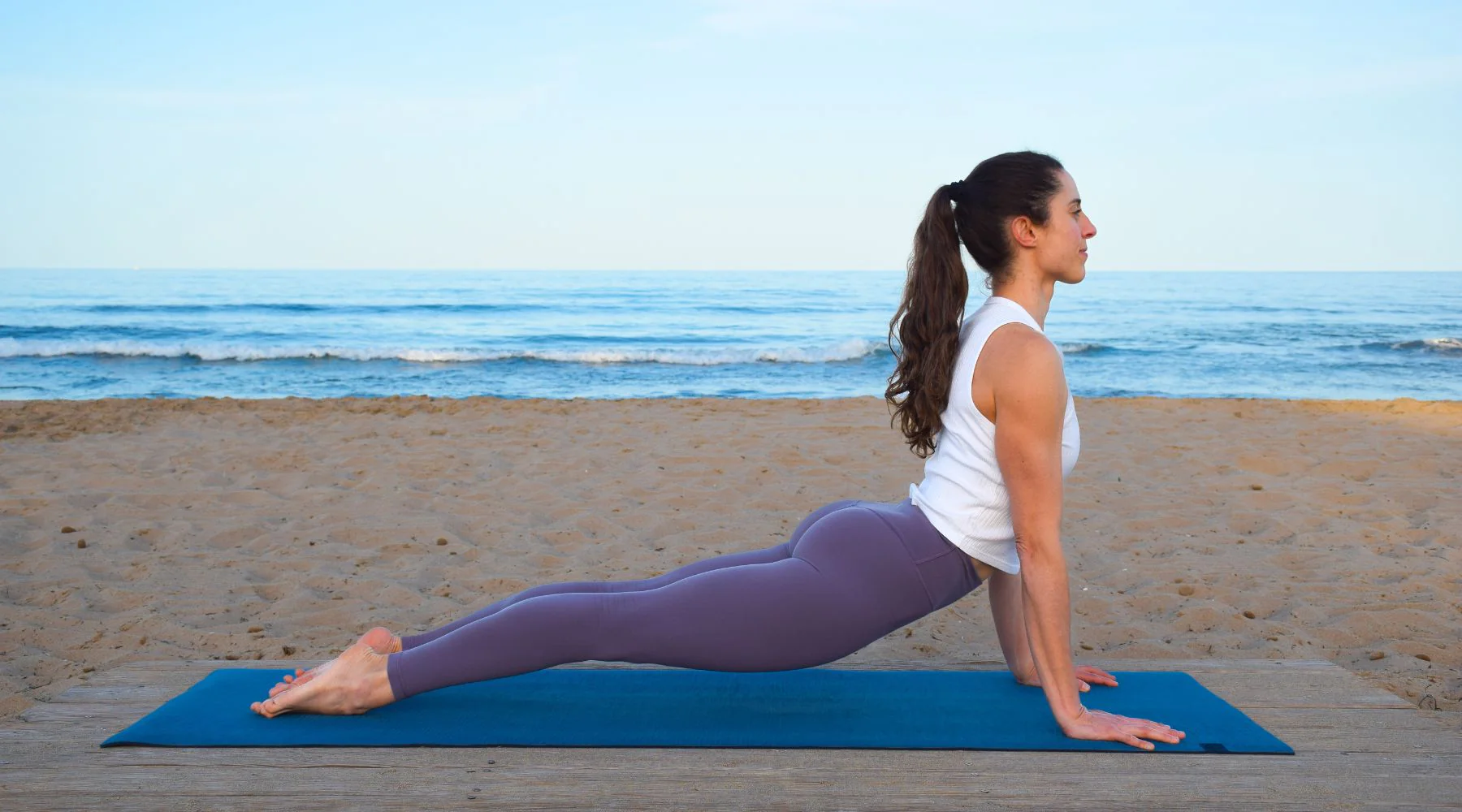
  • Cobra pose (Bhujangasana)
  • Twisting poses

Yoga and Mindful Eating

Weight loss is not just about exercise—it’s also about eating habits. Yoga encourages mindful eating, which plays a major role in healthy weight management.

Regular yoga practice improves body awareness and emotional balance. This helps reduce:

  • Emotional eating
  • Stress-induced cravings
  • Overeating

Many people who practice yoga naturally begin to choose healthier foods, eat smaller portions, and develop a better relationship with food. This lifestyle shift contributes significantly to sustainable weight loss.

How Often Should You Practice Yoga to Lose Weight?

Consistency is key. For noticeable weight loss results:

  • Practice yoga 4–6 times per week
  • Combine active yoga styles with restorative sessions
  • Include strength-based poses and flow sequences

Even 30–60 minutes per session can make a difference when practiced regularly.

Yoga vs Gym Workouts for Weight Loss

Another common question is whether yoga is better than gym workouts for losing weight. The answer depends on your goals and preferences.

Gym workouts typically focus on isolated muscle training and calorie burn. Yoga, however, works on:

  • Strength
  • Flexibility
  • Balance
  • Hormonal health
  • Mental well-being

Yoga may lead to slower initial weight loss compared to intense cardio, but it often results in long-term weight maintenance, fewer injuries, and improved overall health.

Does Yoga Improve Metabolism?

Yes, yoga helps regulate metabolism by improving hormonal balance and digestive health. Certain yoga poses stimulate the thyroid gland, which plays a key role in metabolism and weight regulation.

Poses that support metabolic health include:

  • Shoulder stand (Sarvangasana)
  • Fish pose (Matsyasana)
  • Sun salutations (Surya Namaskar)

Improved digestion and gut health also support better nutrient absorption and fat metabolism.

Can Beginners Lose Weight with Yoga?

Absolutely. Yoga is suitable for beginners and can be adapted to all fitness levels. Beginners can start with:

  • Gentle Vinyasa flows
  • Modified strength poses
  • Basic Sun Salutations

As strength and stamina improve, intensity can gradually increase. This makes yoga a safe and accessible option for people of all ages.

Yoga for Sustainable Weight Loss

One of yoga’s greatest benefits is that it promotes sustainable weight loss rather than quick fixes. By addressing stress, sleep quality, emotional balance, and lifestyle habits, yoga helps maintain a healthy weight over time.

People who practice yoga regularly often report:

  • Better sleep
  • Improved energy levels
  • Reduced anxiety
  • Greater self-discipline

All of these factors directly support long-term weight management.

Final Thoughts: Does Yoga Help You Lose Weight?

So, does yoga help you lose weight? Yes—when practiced consistently and mindfully. Yoga may not be the fastest calorie-burning workout, but it offers a comprehensive approach to weight loss by improving physical strength, reducing stress, balancing hormones, and encouraging healthier lifestyle choices.

For those seeking a deeper understanding of yoga practice, philosophy, and teaching methods, structured programs from Yoga Education Institute provide a strong foundation for personal growth and holistic wellness.

Weight loss through yoga is not just about the number on the scale—it’s about building a healthier, stronger, and more balanced life.

Powerful Philosophy of Yoga

Yoga isn’t just about physical movement or mastering asanas in a yoga class; it’s a deep, centuries-old philosophy system that goes far beyond the mat. When I first started my yoga practice, I thought it was all about the poses, the breath, and the mental focus that came with each session. But as I immersed myself in yoga teacher training and studied the philosophy, I began to realize that yoga is about understanding the workings of the mind, the soul, and the body. With time, I found that yoga philosophy helps you gain clarity about your nature and your purpose in life. 

It’s meant to guide you, deepen your practice, and create a greater sense of clarity of mind. At first, the intimidation of such deep study can be overwhelming, but once you dive deeper into the system and its teachings, you realize that it’s meant to give you more than just a physical practice. It helps you understand the nature of the world, your soul, and why you’re here. The deeper you go into yoga philosophy, the more you’ll study the profound connection between your body, mind, and soul. This process eliminates confusion and helps you connect to your higher purpose. It’s a lifelong journey of studying soul and mind, and with it comes the ability to understand what you are truly meant to do.

Finding a deeper path in yoga and in life

Yoga philosophy isn’t just about the mat or asanas; it’s a guide to understanding your true self and finding your purpose in life. It’s exciting how yoga philosophy offers simple yet profound concepts that can be applied to anything—whether you’re dealing with everyday struggles or seeking to connect with your soul. Through the core concepts of yoga philosophy, you begin to unpack the deeper layers of your mind and body, realizing that the true purpose of yoga is about control and balance in life. 

It teaches you how to handle life’s challenges, like when life seems to knock you off your feet, and how to connect with other beings in a more meaningful way. Once you start studying these teachings, you’ll find that they help you move through lifetime challenges with more clarity and a deeper sense of bliss. The perspective yoga gives you isn’t just about the physical; it’s about truly connecting with your soul and embracing the exciting human experience—a journey that’s much more than what’s on the mat.

Connect with the soul and cultivate compassion

In Sanskrit, the language of yoga, there are powerful concepts like jiva, atman, purusha, and drastuh that help us understand the soul. These teachings remind us that everything born, grows, reproduces, and dies—humans, plants, and animals—is connected through the same eternal essence. I’ve found that when we connect with our soul, we begin to cultivate a deep sense of compassion for all beings around us. Yoga teaches us to see the world and each living being as eternal, wise, and blissful, embodying the idea of sat chit ananda—eternality, wisdom, and bliss. The more we study these teachings, the better we understand that temporary problems or setbacks, like losing a job, don’t define us. Instead, they help us look within for the answers and reframe our experience to align with our true nature. By embracing these truths, we start living from a place of compassion and deeper connection to the world and others.

Samskaras: Impressions made on the mind

The mind is not something you simply have, but something you can shape and mold. Over time, samskaras—impressions made on the mind—are formed from the stories and belief systems you create based on your experiences. These impressions shape how you see the world and respond to things, like a frightening experience with a dog as a child, which may lead you to believe all dogs are scary. However, yoga teaches us that the mind is malleable—it’s not stuck with the marks of the past. By understanding the truth behind these false impressions, you can move beyond them and choose the marks you make on your mind. Yoga gives you the ability to control how you think, like an ice skating rink where the marks made by the skates can be smoothed with a zamboni. You’re empowered to use the mind as a tool that works with you, not against you, allowing you to align with your true self and cultivate compassion for others. When you learn to reframe your thoughts and beliefs, you start to see the world and your experiences from a place of clarity and understanding.

The 3 parts of the mind

The Manos: The Primal Instincts

The manos is the part of the mind that governs our primal instincts. It’s the part of us that pushes us to seek food, shelter, and to stay alive. This is the most basic level of our mind, driving us to survive in the world and meet our fundamental needs.

The Ahankara: The Ego and Identity

The ahankara is where we often forget that we are a soul and become overly identified with our body and mind. It’s where we focus on things like the color of our hair, the car we drive, and the job we have. It leads us to define ourselves by external aspects of life, instead of understanding our true nature.

The Buddhi: The Intellect and Discernment

The buddhi is the part of the mind that allows us to discern and use our intellect. It helps us recognize deeper truths and navigate our human experience. This is where we gain the ability to see life from a clearer perspective, recognizing that all experiences are happening for you, guiding you on your journey of growth and understanding.

Life is happening for you, not to you

One of the most powerful concepts in yoga philosophy is that life is happening for you, not to you. This means that every experience—even the negative experiences—is an opportunity for growth and learning, helping you connect deeper with your soul. When something sad or angry happens, it’s not the world, your brain, or your body attacking you, it’s simply part of the human being experience, teaching you how to respond, not just react. Yoga gives you the tools to navigate these situations, empowering you to stay centered, whether things are going up or down. It’s about learning to see the truth in every moment, even when things feel like they’re going wrong. By studying these teachings, you can learn how to control your mind and stop being swayed by external circumstances, just like how we adjust our yoga asana or meditation practice when faced with a bad day. With this mindset, you begin to embrace life to its absolute fullest, turning every challenge into an opportunity to grow and live a blissful life.

Understanding yoga philosophy is integral to the practice

Yoga philosophy is an essential part of the practice, not just something you learn in yoga classes. It goes beyond the movement of yoga asana; it’s about understanding the deeper connection between your heart and your human experience. When you start to incorporate these teachings, you begin to feel more connected to the world and everyone around you. As a teacher, I’ve found that Dharma talks are the perfect way to share these concepts with students. It’s a chance to help them see how yoga philosophy can open their hearts to a more blissful life. I often guide my students through these teachings, and with the Dharma Talk Starter Kit, I can offer them a free resource to dive deeper into the practice and incorporate yoga philosophy into their own lives. These talks help bring the philosophy to life, making it relatable and meaningful in everyday lifetime situations.

Transformative Knowledge. Timeless Storytelling.

Yoga is more than just a series of yoga poses or controlled movement; it’s a practice rooted in ancient texts that offer profound teachings. As a teacher, I’ve experienced how these teachings can be passed on in moments within a class, guiding students to dive deeper into the philosophy of yoga. These stories of wisdom and transformation are not just meant to be learned, but to be felt in the breathing and every movement we make on the mat. When you start to love the practice, you realize how deeply it connects you to something greater. A good teacher knows how to make this philosophy accessible and engaging, making it easy for every student to incorporate these teachings into their lives, both on and off the mat. Whether you’re just beginning or looking to continue your journey, understanding this timeless philosophy will enhance your practice and bring deeper meaning to your life.

Transform Your Flexibility with Butterfly Pose

Butterfly Pose, also known as Bound Angle Pose, Cobbler Pose, or Baddha Konasana in Sanskrit, is an excellent hip opener that is suitable for all levels of practitioners. Whether you are just starting your yoga journey or have been practicing for years, adding this pose to your yoga routines can be a useful way to enhance flexibility and bring a sense of calm. As a versatile posture, it helps to stretch and open the hips, making it ideal for individuals who spend long hours sitting or those looking to relieve tension. The benefits of Butterfly Pose are plentiful—apart from improving flexibility, it can also assist in pregnancy by offering relief and relaxation. It’s a great way to feel more at ease as you gently stretch, helping your body release tension. If you’ve ever wondered how to do Butterfly Pose, it’s a simple yet effective pose that involves sitting with your feet together, knees bent outward, and focusing on your breath. With consistent practice, this pose becomes a great addition to your yoga practice, providing relief and emotional balance.

How to do Butterfly Pose 

To start Butterfly Pose, find a seated position on a cushion or folded blanket for added comfort. Begin by bending your knees, bringing the soles of your feet together, and allowing your knees to fall outward. If you want to increase the intensity of the stretch, try bringing your feet closer to your hips. You can also place cushions or blocks under your thighs or knees to provide extra support. Interlace your fingers around the pinkie-toe side of your feet or place them on your ankles or shins. As you settle into the pose, lengthen your spine, broaden your chest, and gently draw your shoulders down and back. Stay in this position for up to 5 minutes, focusing on your breath. To release the pose, simply extend your legs forward and lean back on your hands for support. For added spinal support, you can sit near a wall for extra stability.

6 Benefits of Butterfly Pose 

Butterfly Pose offers several benefits that enhance both physical and mental well-being. Practicing this pose regularly can improve posture, especially when sitting upright and elongating your spine. It targets the low back, hip, and thigh muscles, helping to reduce pain, encourage flexibility, and increase range of motion. The soothing and relaxing effect of the pose helps release tension, making it an excellent stress reliever. Additionally, deep breathing or a breathing exercise while in this pose can enhance the stress-relieving effects. Many find that it helps release emotions stored in the hips and surrounding areas, bringing a sense of emotional balance. Whether in yoga classes like Hatha, Vinyasa, or Yin, or as part of your daily yoga routine, Butterfly Pose can also boost energy levels and support body awareness, making it a must-try for practitioners of all levels. Research on individual yoga poses and yoga routines consistently highlights the benefits of including Butterfly Pose.

Enhances pelvic health

A small study explored the impact of a therapeutic yoga program for women with chronic pelvic pain. The program included twice-weekly yoga classes featuring 12 yoga postures, including Butterfly Pose. Under the guidance of instructors, the women were encouraged to practice yoga at home for 1 hour each week over the course of 6 weeks. This routine led to significant reductions in the severity of their pelvic pain, with noticeable improvements in their impact on daily activities, emotional well-being, and even sexual function. By incorporating Butterfly Pose into their practice, many participants experienced relief and found greater balance in their pelvic health.

Improves mindfulness

Butterfly Pose can be a powerful tool for developing inner awareness while improving your ability to sit for extended periods during meditation. By holding the posture for longer periods, you can practice sitting with any sensations that arise, such as discomfort or restlessness, helping you build greater mindfulness. In a small study, participants who followed a 6-week program with a 60-minute Vinyasa yoga class followed by a 30-minute guided meditation experienced significant increases in mindfulness skills and reductions in anxiety and stress levels. Incorporating Butterfly Pose into your routine can help you be more present, both on and off the mat, by training your body and mind to remain calm and focused in the face of discomfort.

Eases stress

Butterfly Pose is a great way to loosen up your low back, hips, and inner thighs, helping to ease discomfort and feel better overall. It provides a calming and relaxing effect that can be especially helpful when you’re looking to manage stress. By focusing on your breath and the gentle stretch, you can let go of stress and feel more at ease. A recent research review has shown that different types of yoga, including Butterfly Pose, are beneficial for reducing stress in healthy populations. This simple but effective pose can help you feel more relaxed, both physically and mentally.

Reduces depression

Butterfly Pose can be an effective part of your yoga routine to improve mood and reduce depression. A small study found that practicing yoga, including poses like Butterfly Pose, helped reduce severity of depression in people with mild to moderate major depression. Participants in the study attended twice-weekly, 90-minute Hatha yoga classes for 8 weeks and experienced a significantly reduced depression severity. Incorporating this pose into your practice may help you feel more balanced, both emotionally and mentally.

Benefits of practicing Butterfly Pose during pregnancy 

Butterfly Pose is an excellent addition to your prenatal yoga routine during pregnancy. This pose helps relieve tension and tightness in the low back, hips, and inner thighs, while also increasing flexibility and promoting relaxation. It builds strength and boosts circulation in the pelvic floor muscles, which can help you physically prepare for childbirth and encourage a smooth delivery. Practicing Butterfly Pose regularly in your prenatal yoga practice can also help reduce stress, anxiety, and depression, while decreasing pain response and improving immunity. Not only will it support your emotional well-being, but it also offers many benefits that make it a great choice throughout pregnancy.

Variations of Butterfly Pose 

There are several variations of Butterfly Pose that you can incorporate into your practice. You can try these poses individually or create a sequence to deepen the stretch and challenge your body in different ways. Each variation can target different areas, like your hips, thighs, or lower back, offering unique benefits depending on how you position your feet, knees, or torso. Experimenting with different variations will help you find the most comfortable and effective way to incorporate Butterfly Pose into your routine.

Forward bending Butterfly Pose

In the Forward bending Butterfly Pose, you can enhance your practice by stacking blocks or cushions for added support under your forehead or torso. This allows you to deepen the stretch comfortably. Start in the traditional Butterfly Pose, then hinge at your hips to fold forward, extend your arms in front of you, and reach out through your fingertips. Stay in this position for up to 5 minutes, focusing on your breath and feeling the gentle stretch in your lower back and hips. Here are some tips to enhance the pose:

  • Use cushion support for your torso to relieve tension.
  • Stack blocks under your forehead to maintain a relaxed neck.
  • Slowly fold forward from your hips, not your back, to avoid strain.
  • Extend your arms to engage the upper body while maintaining the stretch in your lower body.

Reclined Butterfly Pose

In the Reclined Butterfly Pose, you can use a cushion or bolster placed underneath your spine and shoulders to offer gentle support. This allows you to fully relax as you lie on your back, creating an inclined position. If needed, blocks or cushions can be used to create extra support for a more comfortable experience. Start in Butterfly Pose, then carefully lie back, keeping your feet together and knees out, letting your hands rest by your sides for additional support. Stay in this position for up to 10 minutes, allowing your body to open gently and your mind to relax deeply.

Legs-up-the-Wall Butterfly Pose

In the Legs-up-the-Wall Butterfly Pose, this Butterfly Pose variation is ideal for supporting your spine and can be especially helpful for those with low back pain. Here’s how you can practice it:

  • Sit on the floor with your right side next to a wall.
  • Bend your knees towards your chest.
  • Swing your legs up against the wall and lie down on your back.
  • Adjust your hips to either touch the wall or be slightly away.
  • Bend knees out wide and lower heels as much as comfortable.
  • Press the soles of feet together while relaxing in this position.
  • Stay in this comfortable position for 10 minutes, letting your body relax deeply.

The bottom line

Butterfly Pose is an excellent way to unwind and release emotions, helping you let go of stress while increasing energized awareness. It can also help you feel at ease by gently stretching the hips, low back, and inner thighs, making it ideal for those who sit for long periods or have overuse injuries from activities like cycling. Practicing this pose consistently can improve your posture and relieve tightness in your muscles. It’s appropriate for most levels, though those with groin or knee concerns should exercise caution or avoid it. You can add this pose to your yoga routine to help you center yourself and gently stretch your hips.

Purple Chakra Meaning, Activation & Spiritual Connection

The purple chakra, often referred to as the crown chakra or Sahasrara in Sanskrit, plays a vital role in our human body’s energy system. Located at the top of the head, this energy center connects us to our higher self and the divine, making it an essential part of our spiritual growth. Unlike the other seven main chakras that run from the base of the spine, the crown chakra represents the pinnacle of spiritual, emotional, and physical well-being. When this chakra is activated and balanced, it opens pathways for healing techniques like yoga poses, meditation, and the use of essential oils and crystals. Engaging with positive affirmations or using the crown chakra frequency can further heal a blocked chakra, enhancing your overall connection to the universe and promoting inner peace. The symbol of the violet or light purple color here serves as a constant reminder of the infinite nature of the universe, guiding us towards deeper understanding and harmony.

The 7 Chakra System, Meaning and the Different Chakra Colors

The chakra system is an interconnected network of energy centers that align with various body organs, glands, and their specific functions. One of the most significant chakras in this system is the crown chakra, often depicted in violet or light purple. This chakra is essential for spiritual growth, helping to connect us with our higher self and the divine. Each chakra is associated with a color from the rainbow, and these colors represent different aspects of our emotional, physical, and spiritual well-being. The meaning of each chakra and its respective color helps us understand how they interact with our body, promoting balance and harmony. As we explore this system, we recognize how each chakra works together to maintain a healthy flow of energy within us.

The First Four Chakras Meaning and Colors

The first four chakras in the chakra system are crucial for grounding and personal development. Starting from the base of the spine, the first chakra, Muladhara or root chakra, is associated with the color red and represents grounding and security. Moving up, the second chakra, Svadhishthana or sacral chakra, is linked with the color orange and governs our creativity and sexual energy. The third chakra, Manipura or solar plexus chakra, shines in yellow and symbolizes power and confidence. Finally, the fourth chakra, Anahata or heart chakra, located in the center of the chest, is represented by the color green and is all about love and the ability to connect with others. Each of these chakras plays a vital role in maintaining emotional balance and self-awareness.

The Final Three Chakras Meaning and Colors

The last three chakras in the system are important for spiritual and expressive development. Vishuddha, the throat chakra, is associated with the color blue and governs our ability to communicate and express ourselves. Moving up, the sixth chakra, Ajna or the third eye, located in the forehead, is linked with indigo or dark purple and helps us tap into our intuition and spiritual vision. Finally, the seventh chakra, Sahasrara, or the crown chakra, located at the crown of the head, is represented by violet or light purple and connects us with our higher power, self, and the divine. Each of these chakras plays a critical role in our connection to the spiritual realm and our inner wisdom.

Purple Chakra Meaning and Role in the Chakra System

The purple chakra, or the 7th chakra, is the final chakra in the chakra system and plays a crucial role in spiritual growth and development. Known as Sahasrara, it is located at the top of the head and is often symbolized by a thousand-petaled lotus, representing the universe and its infinite nature. This chakra connects us to higher levels of consciousness, fostering a deeper spiritual experience and union with the divine.

Purple Chakra Meaning and the Mind Body Connection

The purple chakra, also known as the crown chakra, plays a vital role in connecting the nervous system and its ability to transmit important information throughout the body. When balanced, this chakra enhances the function of the nervous system, promoting peace, calm, and clarity. It also links us to higher consciousness and awareness beyond our usual waking consciousness, helping to open us up to spiritual experiences and a deeper connection with the divine. Located near the pituitary gland, which is the master gland of the endocrine system, the crown chakra also influences the pineal gland, thyroid, and adrenal glands, making it essential for both physical health and well-being. The light purple hue of this chakra symbolizes its importance in our holistic health, integrating the mind, body, and spirit.

What about the Color Purple and Sahasrara?

The purple color, often associated with royalty and power, holds a deep connection to spiritual enlightenment and the Crown Chakra. Throughout history, it has been used in religious and spiritual practices, with Catholic bishops wearing robes of purple dye, symbolizing ancient royalty. In color psychology, violet is known to stimulate the imagination, enhance spiritual awareness, and boost creativity, helping to unlock the highest levels of consciousness. This color fosters a strong spiritual connection, making it ideal for use in Purple Yoga Mats, Clothing, and Decor to support the alignment of the Crown Chakra and elevate one’s spiritual journey.

Activating and Balancing the Purple Chakra

Activating and balancing the purple chakra is essential for fostering a deep spiritual connection and improving overall well-being. If the chakra is blocked, using various techniques like meditation, visualization, and applying essential oils or crystals can help restore its flow. The Sahasrara, or crown chakra, thrives when supported by positive affirmations and engaging with the crown chakra frequency. These practices not only aid in balancing but also deepen your understanding of its meaning and significance, enhancing your spiritual journey and inner peace.

Meditation for Purple Chakra Meaning

Meditation is an effective way to activate and balance the purple chakra, also known as the crown chakra or Sahasrara. To begin, find a quiet, comfortable place and focus your attention on the top of your head. Imagine a beam of white light or light purple light flowing into your body, filling you with peace and a deeper connection to the divine. As you meditate, visualize a lotus flower with thousand petals slowly opening, symbolizing the universe and its infinite nature, which aligns with the meaning of the purple chakra. This practice helps deepen your spiritual experience and maintain balance in your energy system.

Essential Oils and Crystals for Purple Chakra Meaning

Essential oils are a powerful way to activate and balance the purple chakra or Sahasrara. To enhance your spiritual journey, you can use oils like lavender, frankincense, and sandalwood. Simply apply a few drops to your temples, neck, or wrists before meditating or as part of your daily routine. These oils promote calm, peace, and a deeper spiritual connection, helping you connect more deeply with the meaning of the purple chakra. Additionally, Clear Quartz Crystals are excellent for balancing this chakra and supporting your inner healing process, further deepening your experience with the purple chakra meaning.

Positive Affirmations for the Purple Chakra Meaning

Positive affirmations are a powerful tool for activating and balancing the purple chakra, also known as Sahasrara or the crown chakra. By incorporating affirmations like “I connect to my higher self and the divine” or “I trust the universe to guide me on my spiritual journey,” you can enhance your spiritual connection. Affirmations such as “I am open to receiving spiritual guidance and wisdom” promote inner peace, help you feel grateful for your blessings, and shift your mindset towards well-being. Integrating these affirmations into your daily routine deepens your connection with the purple chakra meaning and supports your overall spiritual health.

Crown Chakra Frequency: Harmonizing with the Divine

A unique aspect of the Sahasrara, or crown chakra, is its association with specific frequencies that help in harmonizing and balancing this powerful energy center. These frequencies resonate with the higher vibrations of the crown chakra, promoting a deeper connection to the divine and allowing for spiritual alignment. When you engage with these frequencies, you invite a sense of balance and peace, helping to open the path to higher states of consciousness and enhancing your overall spiritual experience.

963 Hz – The Divine Frequency

The 963 Hz frequency, often referred to as the Frequency of the Gods, holds a powerful connection to the crown chakra. This frequency is part of the Solfeggio frequencies and is known for its ability to connect us to the universe and its spiritual dimension. Listening to this frequency through meditation, sound therapy, or music can lead to spiritual awakening and open a gateway to profound transcendental experiences. It helps align the crown chakra, facilitating a deeper spiritual connection and alignment with the divine.

Impact of 963 Hz on Meditation and Healing Practices

The 963 Hz frequency plays a significant role in meditation and healing practices, especially for aligning the Sahasrara, or crown chakra. This frequency helps in connecting us to cosmic and universal energy, promoting a sense of oneness and paving the way for spiritual development and enlightenment. When used during meditation, it enhances the alignment of the crown chakra, allowing for deeper spiritual growth and a more profound connection to the divine energy, supporting overall healing practices.

Incorporation of 963 Hz in Daily Practices

Incorporating the 963 Hz frequency into your daily routines can help keep your crown chakra balanced and in continuous alignment with the universe. Whether through meditation, yoga, or even using it as background music, this frequency enhances your spiritual journey by deepening your connection to your higher self. Regular exposure to this frequency promotes a more peaceful and enlightened state, offering a greater understanding of oneself and fostering a holistic approach to spiritual practices.

Purple Chakra Meaning and Importance

The purple or crown chakra is a powerful energy center located at the top of the head. It plays a crucial role in spiritual growth and development, connecting us to our higher self and the divine. When the crown chakra is activated and balanced, it enhances our physical, emotional, and spiritual well-being. By practicing techniques like meditation, visualization, and using essential oils or positive affirmations as part of your daily routine, you can strengthen your spiritual connection. This chakra is part of the chakra system, which spans from the base of the spine to the top of the head, and each energy center—from the red of the root chakra to the green of the heart chakra—offers unique growth and transformation. Understanding these colors, their meanings, and symbolism helps align the energy centers within the physical body, promoting overall health and well-being.